
In brief: Old windows are often one of the biggest energy wasters in a home. Replacing them with modern, thermally insulated models can cut your heating costs by up to 20 %, improve comfort by reducing drafts and noise, and increase your property's value. Look for low U-values in both the frames and glazing to achieve maximum energy efficiency for your home.
Why is window replacement really worthwhile?
Do you feel a draft near your windows on cold days? Do the panes fog up or even freeze on the inside during winter? These are clear signs of outdated windows and high energy loss. Replacing old windows is one of the most effective ways to improve your home's energy efficiency. You will not only reduce your heating costs significantly but also enjoy a better quality of life.
Modern energy-efficient windows keep heat inside during winter and out during summer. This creates a consistently comfortable indoor climate. Sound insulation also improves considerably. Traffic noise stays outside, turning your home into a quieter retreat. Last but not least, window renovation increases your property's value and actively helps protect the climate.
The benefits at a glance:
- Lower heating costs: Up to 20 % less energy consumption.
- Improve comfort: No drafts and a more even room temperature.
- Improve noise protection: Significantly less noise from outside.
- Increase security: Modern windows offer better burglary protection.
- Increase property value: An energy-efficient renovation makes your home more attractive.
How can you tell that your windows need replacing?
Age alone is not always the deciding factor. Even newer windows can have defects that justify replacement. Look for specific signs to determine the right time for window renovation.
A simple test is the candle test: On a windy day, slowly move a lit candle along the closed window frame. If the flame flickers, the window is not airtight. Moisture between the panes of insulated glazing is also a clear warning sign. The window has become “cloudy” and has lost its insulating performance.
Checklist for old windows:
- Age: Windows installed before 1995 no longer meet today's energy efficiency standards.
- Glazing: Single glazing or uncoated double glazing creates major cold bridges.
- Condensation: If moisture regularly forms on the inside of the pane in winter, the insulation is inadequate.
- Drafts: Noticeable cold air around the edges indicates faulty seals.
- Damage: Cracks in the frame, warped wood or stiff hardware are clear defects.
- Sound insulation: If you can hear every sound from the street, modern soundproof glazing is missing.
The U-value is the key figure for a window's thermal insulation performance. The lower the value, the better the insulation and the lower the heat loss.
Which frame materials and glazing options are available?
Choosing the right window depends on your priorities, your home's architectural style and your budget. The combination of frame material and glazing determines the window's performance in terms of thermal insulation and durability.
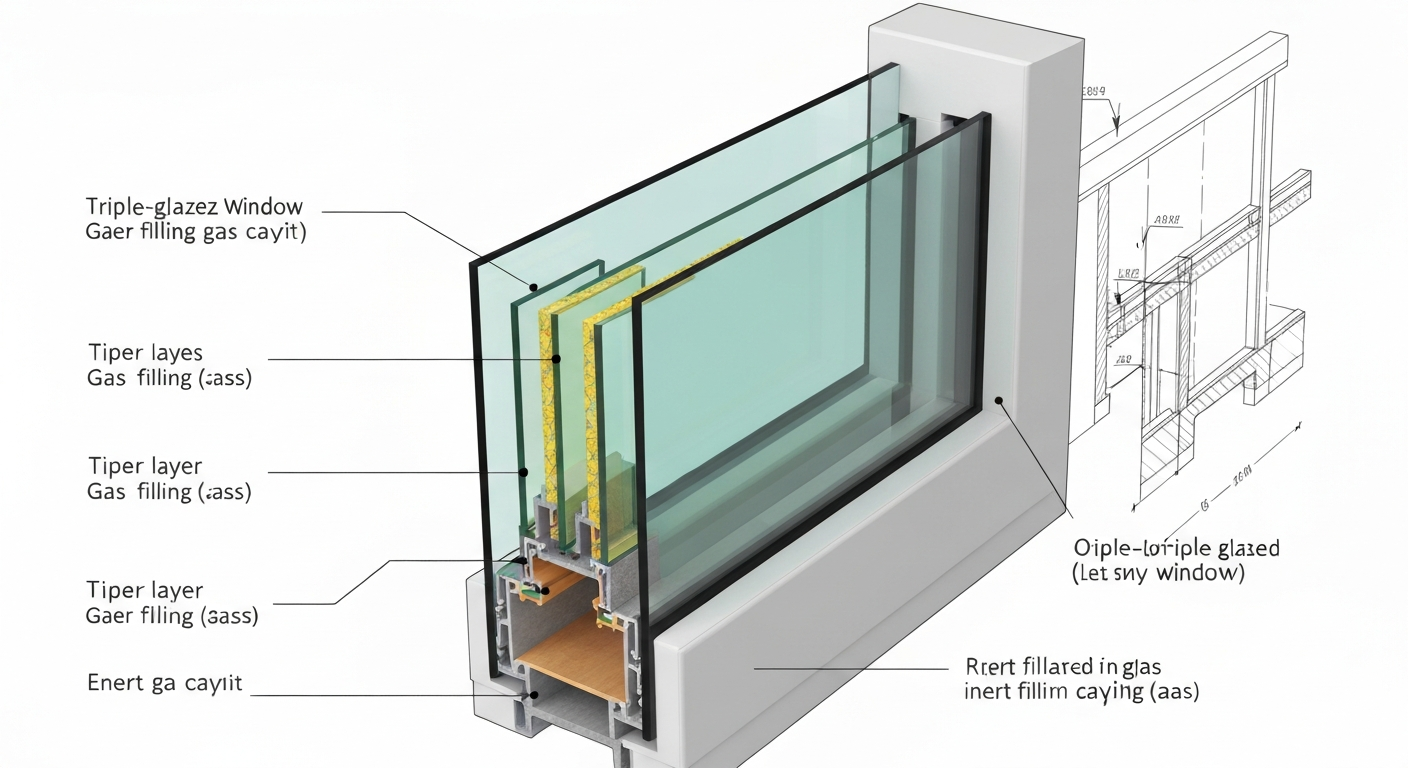
Comparing frame materials
Each material has specific advantages and disadvantages. Carefully consider which option best suits your project.
- Vinyl: The most popular and affordable choice. Vinyl windows are easy to maintain, durable and offer very good insulation thanks to their multi-chamber systems. They are available in many colors and finishes.
- Wood: This classic option stands out for its natural appearance and feel. Wood windows offer excellent insulation and create a warm, inviting atmosphere. However, they require regular maintenance, such as painting or staining.
- Aluminum: Extremely weather-resistant, sturdy and easy to maintain. Solid aluminum frames are often more expensive and provide less insulation than vinyl or wood. They are therefore frequently used in commercial construction or for large expanses of glass.
- Wood-aluminum: This combination offers the best of both worlds. Wood creates a cozy atmosphere indoors, while a robust aluminum shell protects the exterior from the elements. This premium solution requires little maintenance, is durable and costs more to purchase.
Pro tip
Measure the window opening at least three times in both height and width. The smallest measurement is the one that matters when ordering. This helps you avoid costly orders for windows that do not fit.
Choosing the right glazing
Glazing makes up most of the window area and is therefore crucial to its insulating performance. The key term here is the U-value (thermal transmittance coefficient), measured in W/(m²K). The lower the U-value, the better.
- Double glazing: The minimum standard. Modern double-pane insulated glass has U-values of around 1.1 W/(m²K). It is suitable for less heavily heated rooms or when the home's exterior walls have not yet been renovated.
- Triple glazing: Today's standard for new construction and energy-efficient renovations. With U-values from 0.5 to 0.8 W/(m²K), it offers the best thermal insulation and helps reduce heating costs as much as possible.
How is window replacement carried out in an older home?
Replacing windows in an older home requires special care to protect the building and ensure a proper seal. However, the basic steps are much the same.
First, the old window sash is removed. The installers then remove the old frame, often making precise cuts to minimize damage to the surrounding masonry. The window opening, known as the reveal, is then cleaned and prepared for the new frame.
Important note
In buildings constructed before 1993, window putty or seals may contain asbestos. If in doubt, have the materials professionally tested before removing old windows yourself. Your health comes first.
The new window frame is carefully aligned, shimmed and securely fastened to the masonry. The crucial step is sealing according to the RAL principle: tighter on the inside than on the outside. On the inside, a vapor barrier prevents moisture from the room from entering the insulation. The middle layer is completely filled with insulation (e.g. PU foam). On the outside, a vapor-permeable, wind-driven-rain-resistant sealing tape protects the joint from the weather.
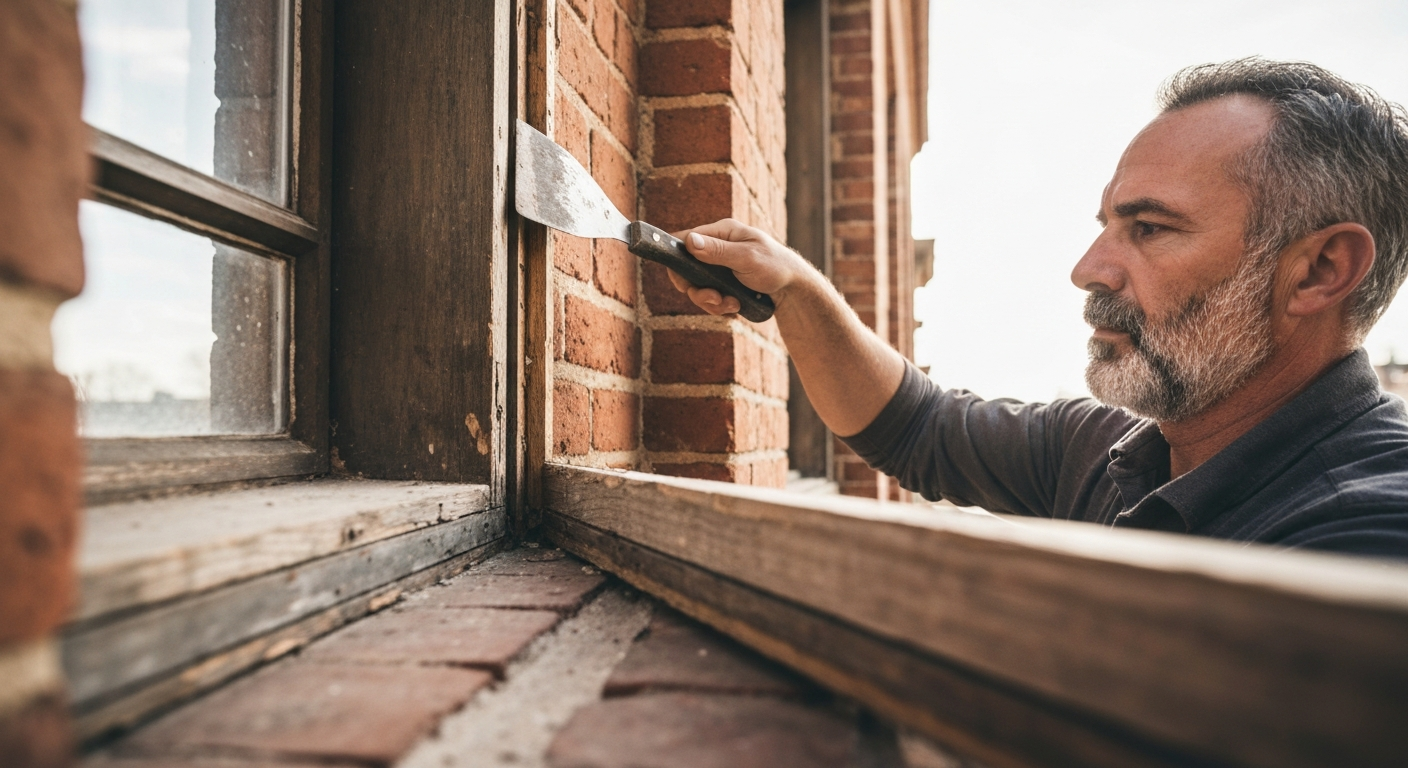
RAL installation is not merely a recommendation; it is the recognized state of the art. It ensures that the joint between the window and wall remains permanently airtight and resistant to wind-driven rain.
After the window sashes are installed, the joints are plastered or covered with trim. A clean, primed surface is essential for sealants to adhere properly. Use an adhesion-promoting primer such as the
to ensure a permanently sealed joint. You can now enjoy an unobstructed view of your Garden + Outdoor area.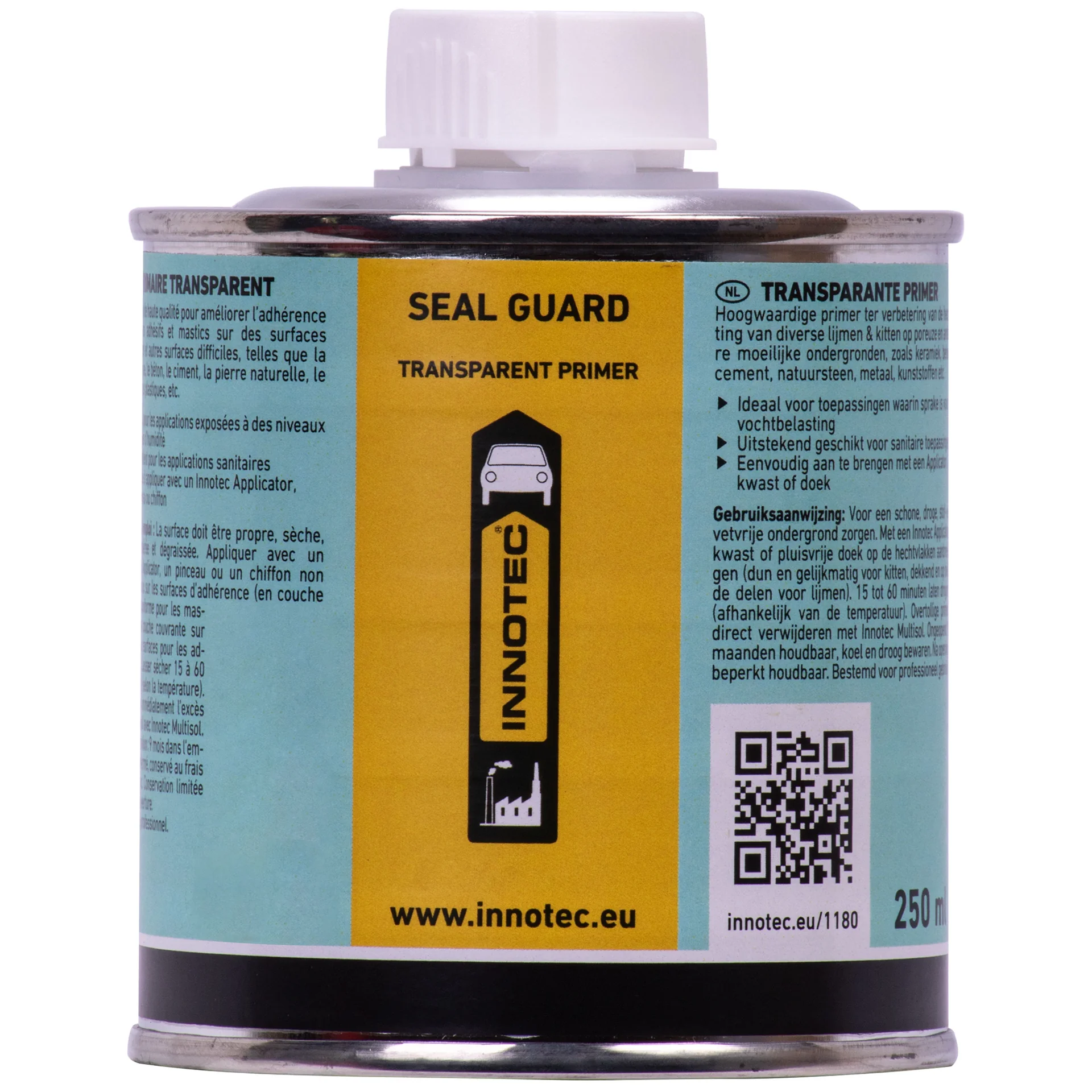
Costs and incentives: what you need to know
The cost of new windows varies considerably depending on the material, glazing and size. A basic vinyl window costs less than a large wood-aluminum window. As a rough guide, expect to pay between €400 and €1,000 per window, including installation. Although this is a major investment, it can pay for itself over time through lower energy bills.
The government supports energy-efficient home improvements. The Kreditanstalt für Wiederaufbau (KfW) and the Federal Office for Economic Affairs and Export Control (BAFA) offer low-interest loans and direct grants for window replacement. Be sure to submit your applications before work begins. Funding programs and amounts change regularly, so check the latest options. You can find suitable accessories for your project in our Shop or in the Business Supplies section.
Additional advice
Modern windows are almost completely airtight. This saves energy but prevents natural air exchange. After replacement, air out the rooms several times a day by opening the windows fully for 5-10 minutes to help prevent mold.
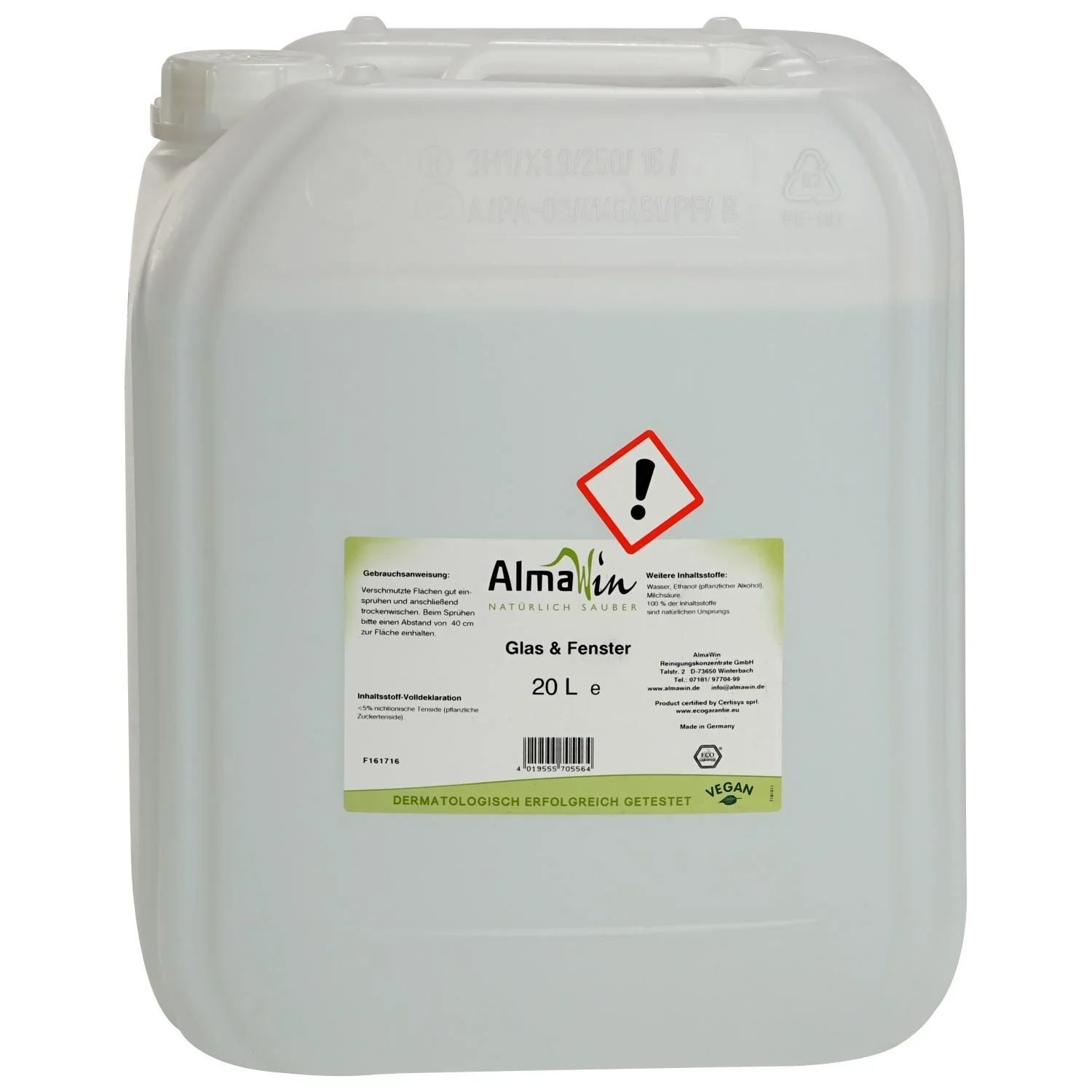
Replacing old windows is a major step toward a more energy-efficient and comfortable home. You are investing not only in lower heating costs but also in your quality of life and your property's value. Finally, keep your new windows clean with a mild cleaner such as the
to help protect the seals and surfaces and extend their service life. Practical bulk containers are also available for larger areas .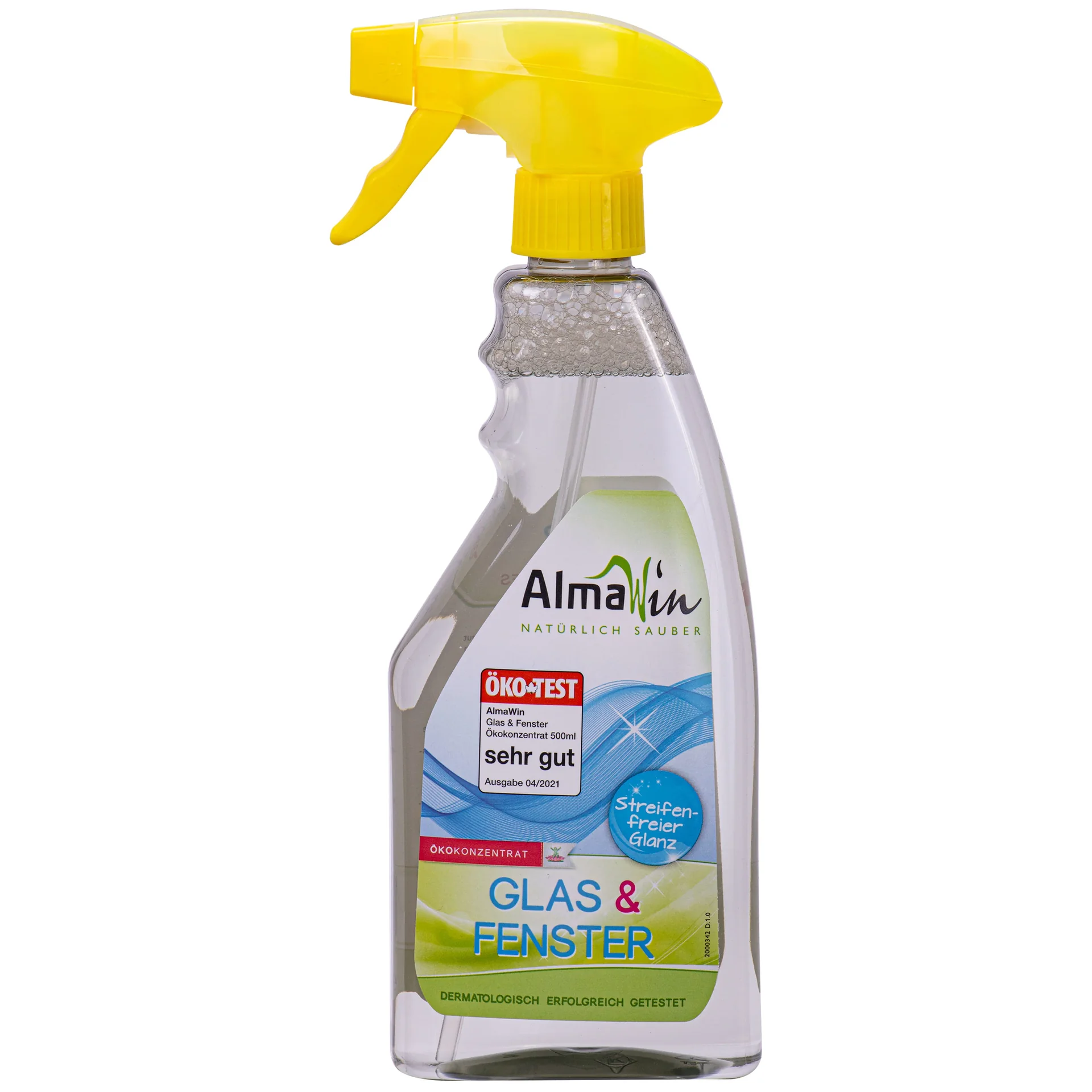
Frequently asked questions
- What is the U-value of a window?
- The U-value, also known as thermal transmittance, measures how much heat passes through a building element—in this case, a window—per square metre. The lower the U-value, the better the insulation and the more energy you can save. Modern windows have significantly lower U-values than older models.
- How much can new windows save on heating costs?
- Your potential savings depend on the condition of your old windows and the type of new glazing. On average, replacing single-pane glass or older double glazing with modern triple-pane windows can reduce heating costs by 15 to 20 percent. For a typical single-family home, that can add up to several hundred euros a year.
- Do I need a building permit to replace my windows?
- In most cases, you don't need a building permit to replace windows if their size and position stay the same. Historic landmark properties are often an exception. If your home is protected, coordinate the planned work with the relevant preservation authority to maintain its historic appearance.
- Double or triple glazing: which is better?
- Triple glazing is now standard for most new homes and energy-efficient renovations because it provides the best insulation. In older homes that haven't been renovated, high-quality double glazing may sometimes be the better choice. It can help avoid disrupting the exterior wall's moisture balance and causing mold. Ask a specialist for advice.
- How long does it take to replace the windows in a single-family home?
- A professional crew can replace about four to eight windows a day, depending on their size and the conditions at the home. For a typical single-family home with 10-15 windows, plan on two to three days for the work. The installation itself creates relatively little mess.
You might also be interested in
- Energy-efficient windows: upgrade your home for greater comfort
- Upgrade your windows: find grants and lower your energy costs
- Replacing your heating system: when to upgrade and save money
- Window installation: how to ensure a professional replacement
- Prevent mold after replacing windows: tips for a healthier home
- Improve your home's energy efficiency: renovation tips to save money