
In brief: The best companion plants for rhododendrons thrive in acidic, humus-rich soil and partial shade. They include other acid-loving plants such as azaleas and heathers, shade-tolerant perennials such as hostas and ferns, and spring bulbs such as daffodils. Larger woody plants such as pines and Japanese maples provide shade and create a beautiful backdrop.
Rhododendrons are the stars of the shade garden. Their spectacular spring blooms can transform any corner of the garden into a sea of color. But a plant grown on its own can look a little isolated. The right companion plants highlight a rhododendron’s beauty and create a harmonious garden display. Thoughtful combinations extend the flowering season, add interesting foliage textures and create a healthy microclimate for your plants. Discover the best plants to grow with rhododendrons and create a garden bed that makes a lasting impression.
Why grow companion plants with rhododendrons?
Rhododendrons are beautiful on their own, but they shine even more in good company. Companion plants do more than add visual interest. They support your garden’s ecosystem and contribute to the health of your plants.
Companion plants loosen the soil with their roots and improve aeration. Ground covers such as barrenwort and pachysandra shade the rhododendron’s shallow root zone, keeping it cool and moist while helping suppress weeds. That means less time spent weeding and watering.
Companion plants also add variety to the garden. They bring different leaf shapes, heights and textures. Delicate grasses contrast beautifully with a rhododendron’s large, leathery leaves, while perennials with silver or variegated foliage brighten shady areas. With a carefully chosen mix, you can extend the flowering season in your Garden + Outdoor space, from the first early bloomers to late-fall asters.
What does it take to grow rhododendrons with companion plants?
Not every plant grows well alongside rhododendrons. Success starts with choosing plants that share the same growing conditions. Rhododendrons need acidic soil and specific light conditions, so their companions should thrive in the same environment.
Choose the right soil for your garden
The most important rule is simple: every plant in the bed must thrive in acidic soil. Rhododendrons grow best at a pH between 4.2 and 5.5. In acidic soil, they can absorb nutrients such as iron efficiently. Lime-rich soil can cause yellow leaves (chlorosis) and poor growth, so choose only acid-loving companion plants.
The soil should also be rich in humus, loose and consistently moist. Rhododendrons’ fine roots do not tolerate waterlogged soil. Improve heavy clay soil with plenty of leaf compost, bark humus or rhododendron soil mix.
The ideal soil for rhododendrons is loose, rich in humus, consistently moist and has an acidic pH between 4.2 and 5.5.
Find the right balance of sun and shade
Most rhododendrons prefer dappled partial shade. They thrive beneath the protective canopy of tall, deep-rooted trees such as pines or oaks. These trees provide shade from the hot midday sun while letting in enough light for abundant blooms. Avoid dense shade beneath shallow-rooted trees such as birches and Norway maples, which compete for water and nutrients.
What plants grow well with rhododendrons?
There are plenty of suitable companion plants to choose from. Arrange your garden bed by plant height and bloom time for a dynamic display that looks good throughout the year. Combine shrubs, perennials, grasses and bulbs.
Classic acid-loving plants: azaleas, heathers and more
Plants from the same family are often a safe choice. They have similar growing requirements and complement each other beautifully.
- Japanese azaleas: Closely related to rhododendrons, they often bloom at the same time in vibrant colors. Their compact growth makes them ideal for the front of a garden bed.
- Heathers (Erica and Calluna): Summer- and winter-flowering heathers add color after rhododendrons have finished blooming. They form dense carpets and enhance the look of an acid-loving garden.
- Japanese pieris (Pieris japonica): This evergreen shrub stands out for its bell-shaped flowers and bright red new foliage in spring.
- Hydrangeas: Bigleaf and lacecap hydrangeas (Hydrangea macrophylla) also thrive in acidic soil. In these conditions, their flowers turn an intense blue.
Perennials for colorful ground cover
Perennials fill the spaces between shrubs and add variety in form and color. Choose varieties that thrive in partial shade.
- Hostas (Hosta): The queens of the shade garden. Their foliage comes in an unrivaled range of colors, from blue-green and yellow to white-variegated.
- Ferns: Their delicate fronds bring a light, natural woodland feel to the garden bed. Shield ferns, maidenhair ferns and royal ferns all make good companions.
- Coral bells (Heuchera): Best known for colorful foliage in shades of red, orange and lime, they add interest throughout the year.
- Barrenwort (Epimedium): A hardy, attractive ground cover with delicate spring flowers and beautiful fall color.
- Siberian bugloss (Brunnera macrophylla): Varieties with silver foliage, such as 'Jack Frost', stand out in the shade and produce clouds of sky-blue flowers in spring.
Top tip
Plant perennials and grasses in uneven groups of three, five or seven. This creates a more natural, harmonious look than a symmetrical arrangement. Vary the spacing slightly to avoid a rigid pattern.
Grasses and ferns add structure and movement
Ornamental grasses soften the bold look of rhododendrons and add movement to the garden bed. Their fine stems sway in the breeze and catch the light.
- Japanese sedge (Carex morrowii): Evergreen varieties such as 'Ice Dance', with white-edged leaves, brighten dark corners.
- Japanese forest grass (Hakonechloa macra): The 'Aureola' variety adds a beautiful contrast with its golden-yellow, arching growth.
- Tufted hair grass (Deschampsia): It forms airy clouds of flowers and stays attractive well into winter.
Spring bulbs for an early burst of color
Before rhododendrons reach their full glory, spring bulbs can get the gardening season started. Plant them in clumps among the perennials.
- Snowdrops (Galanthus) and spring snowflakes (Leucojum vernum) are among the first signs of spring.
- Daffodils (Narcissus) and wild tulips (Tulipa sylvestris) add bold color to the garden.
- Siberian squill (Scilla siberica) forms carpets of bright blue flowers.
Successful companion planting combines contrasting forms and textures, while the colors either harmonize or create intentional accents.
Trees and shrubs for a shady backdrop
Large trees and shrubs create the framework for a rhododendron bed. They provide essential shade and add height and structure. Choose deep-rooted species to minimize competition.
- Pines (Pinus): Their open canopy is ideal. Falling needles naturally make the soil more acidic.
- Japanese maple (Acer palmatum): Its graceful shape and vibrant fall color make it an elegant companion.
- Magnolias (Magnolia): Star and tulip magnolias often bloom before or alongside rhododendrons and also prefer slightly acidic soil.
- Witch hazel (Hamamelis): It blooms in winter, bringing color and fragrance to the garden early in the year.
How do I create a harmonious rhododendron bed?
Good planning is half the battle. With a well-thought-out plan, you can create a bed that looks beautiful, is easy to maintain and gives your plants the ideal growing conditions.
Step 1: Choose a location and prepare the soil
Choose a sheltered spot in partial shade. Dig a planting hole at least twice as wide and deep as the root ball. Fill it with a mix of rhododendron soil, leaf compost and the excavated soil. If your soil is very clay-heavy or alkaline, consider creating a dedicated acidic bed. To do this, dig out a larger area to a depth of around 50 cm and separate it from the surrounding garden soil with sturdy garden and plant accessories such as flexible lawn edging like the
. This helps keep lime from the surrounding soil out.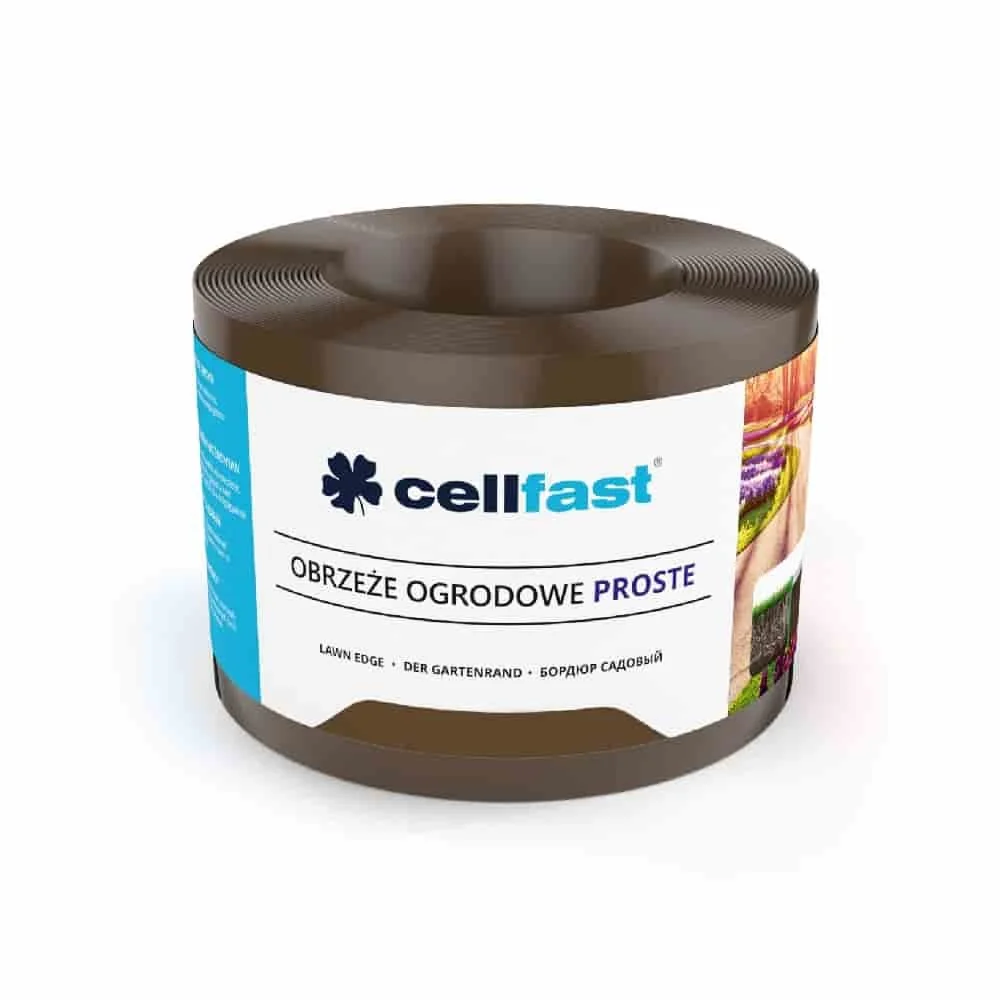
Step 2: Create a planting plan
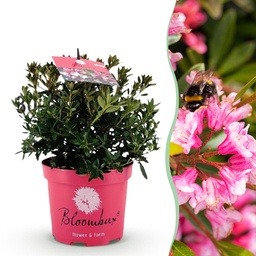
Sketch out your bed. Place the tallest plants, including the rhododendron, at the back. Add medium-height perennials and shrubs in front, then edge the bed with low-growing ground cover and smaller plants such as the dwarf rhododendron
Additional tip
A layer of bark compost or leaves helps retain moisture, suppress weeds and gradually add nutrients to the soil. Refresh it every spring. This mimics natural woodland conditions and supports healthy soil life.
Step 3: Plant and care for your plants
Water the plants thoroughly before planting. Set the rhododendron no deeper than it was in its pot. Backfill with soil, firm it gently and water well. In spring, after flowering, apply a specialty fertilizer such as
rhododendron fertilizer. It is formulated for acid-loving plants and is available in our fertilizer selection. Water regularly during dry spells, ideally with rainwater.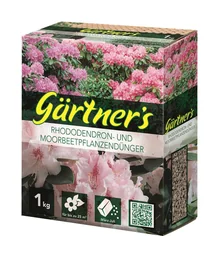
What mistakes should you avoid when planting?
Even a well-planned bed can run into trouble because of a few common mistakes. Avoid these pitfalls to give your plants the best start and enjoy your acidic bed for years to come.
Important
Never plant rhododendrons too deeply. The top of the root ball should be level with the soil surface. Otherwise, the plant’s shallow, oxygen-loving roots may suffocate, and the plant could die. It’s better to plant slightly high and mound soil or mulch around it.
Another common mistake is choosing companion plants with aggressive roots. Shallow-rooted plants such as bamboo, many maples and birches compete heavily for water and nutrients, which can stunt rhododendron growth. Choose deep-rooted trees and perennials with less aggressive root systems instead.
Avoid using lime-rich materials such as marble chips as mulch, and don’t add garden lime. These raise the soil pH and can harm your plants. Use materials suited to acidic beds, such as bark mulch, leaves or pine needles.
Choose companion plants that suit your site and your rhododendrons’ growing conditions, and your bed can be a garden highlight well beyond bloom season. It will add year-round interest with a variety of shapes, colors and textures while creating a harmonious, natural-looking setting.
Frequently Asked Questions
- Can I plant roses next to rhododendrons?
- No. Roses and rhododendrons have different soil needs, so they don’t make good neighbors. Roses prefer loamy, nutrient-rich, lime-rich soil with a neutral to slightly alkaline pH. Rhododendrons need acidic soil to thrive.
- What type of soil does a rhododendron bed need?
- Rhododendrons need soil for acid-loving plants, with a low, acidic pH between 4.2 and 5.5. The soil should also be loose, rich in humus and well-drained while still retaining moisture. Avoid lime-rich garden soil and tap water.
- How deep should I plant a rhododendron?
- Plant the rhododendron at the same depth it was growing in its container. The top of the root ball should be level with the surrounding soil. Planting too deeply can damage the plant and cause it to die because its shallow roots need oxygen.
- Which perennials can I plant under rhododendrons?
- Shade-tolerant, acid-tolerant perennials are ideal under rhododendrons. Hostas add attractive foliage, while ferns provide structure. Caucasian forget-me-nots (Brunnera), barrenwort (Epimedium) and foamflowers (Tiarella) are also excellent choices that cover the soil and complement the bed.
- Do rhododendrons need a lot of sun?
- No. Most rhododendron varieties prefer dappled shade or partial shade. Direct midday sun, especially in summer, can scorch the leaves. A spot beneath open-canopied, deep-rooted trees such as pines or oaks offers protection from excessive sun.
You May Also Like
- Rhododendron Care: Location, Pruning and Winter Hardiness
- Planting Blueberries: Companion Plants to Avoid
- Dahlia Companion Plants: The Best Pairings for Your Flower Bed
- Plants for Partial Shade: Make the Most of Your Garden
- Large-Flowering Shrubs as Focal Points: Give Your Garden a Makeover
- Front Yard Landscaping Ideas for a Blooming Oasis