
In brief: The right choice depends on your yard and how much time you have. A robot lawn mower costs more upfront, but saves time over the long term and keeps your lawn neatly trimmed. A regular lawn mower costs less to buy, but requires hands-on work. For small, complex yards, a cordless mower may be the most practical option.
Robot Lawn Mower vs. Lawn Mower: Cost Guide
Choosing between a robot lawn mower and a regular lawn mower is about more than technology. It’s an investment that involves the purchase price, time spent mowing and long-term maintenance. Here’s how the two options compare.
Which mower will give you a great-looking lawn while keeping costs in check? Start by looking closely at all the factors that matter.
How do purchase prices and running costs compare?
First, consider the upfront cost of buying a robot lawn mower. Entry-level models for small yards start at around 600 Euro. Powerful models for large or complex areas can quickly cost 2000 Euro or more.
You can find a regular electric or cordless lawn mower for as little as 150 Euro. High-quality models with longer runtimes and sturdy housings cost between 300 and 600 Euro. Gas-powered mowers start at around 300 Euro.
Good to know
When budgeting for a robot lawn mower, include the boundary wire and, if needed, a charging station. These are often sold separately from the base model. For a regular mower, factor in the cost of a quality replacement battery or spare blade.
Running costs tell a different story. A robot lawn mower uses very little electricity, often less than 30 Euro per year. Its small, sharp blades need replacing once or twice per season, at a cost of around 20 to 50 Euro.
A gas-powered lawn mower needs fuel, oil, air filters and regular servicing. Those costs can easily add up to 100 to 150 Euro per year. Cordless mowers have few direct running costs, though their batteries lose capacity over time.
The hidden cost: your time
A robot lawn mower’s biggest cost advantage isn’t measured in Euro, but in hours. It mows on its own while you take care of other things. For an average-sized lawn, it can save you one to two hours of mowing each week.
With a regular mower, you have to make time for the job every week, whatever the weather. For busy households, that can be a deciding factor.
Why does yard layout matter when choosing a mower?
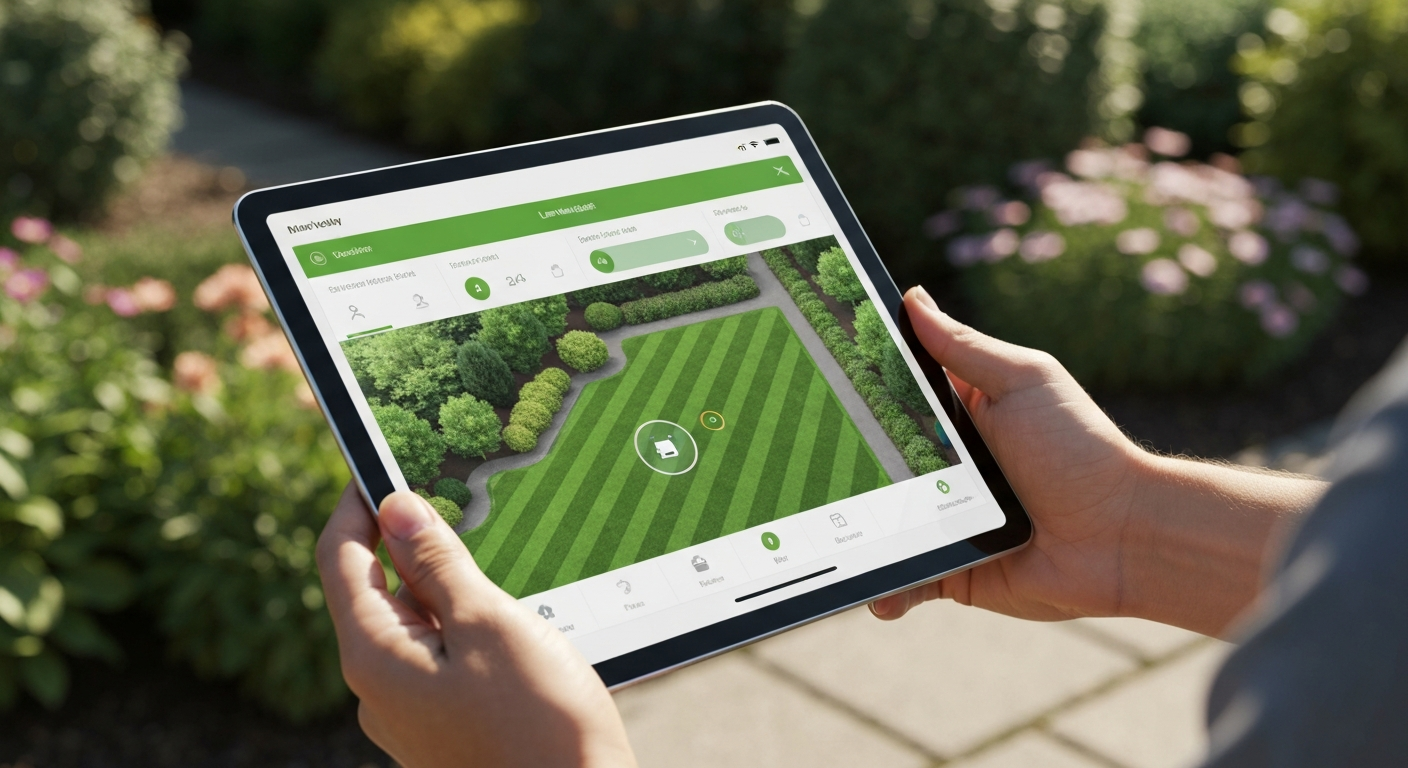
Not every mower suits every yard. A robot lawn mower works best on a mostly level, continuous area. Narrow passages, lots of flower beds, patio steps or steep slopes can pose a challenge.
“Planning the boundary wire is half the battle when it comes to getting the best results from a robot lawn mower. Take your time installing it, and test the routes carefully.”
For a complex yard, a lightweight cordless lawn mower is often a better fit. It’s easy to maneuver, reaches every corner and doesn’t require a complicated setup. Browse our selection of garden tools to find the hand tools you need for the finishing touches.
Robot lawn mowers shine on large, open lawns. They can make the most of their strengths by mowing frequently and methodically, helping create an even, dense carpet of grass.
Setup: effort upfront, flexibility later
Setting up a robot lawn mower takes some work. You’ll need to install the boundary wire, set up the charging station and program the mower. That initial effort can pay off over time.
A regular lawn mower is ready to go right away. Take it out of the shed and start mowing. That flexibility is hard to beat when you want to mow on the spur of the moment or tackle just one area.
Important
Protect your robot lawn mower during long periods when you’re not using it, such as over the winter. Store it in a dry, frost-free place to help extend the life of the battery and electronics. You can find suitable protective covers in our store.
What maintenance do regular and robot lawn mowers need?
The two types of mower have very different maintenance needs. A robot lawn mower needs little attention, but it still needs regular care. Clean the housing after use, check that the blades are sharp and clear grass clippings from the wheels.
Software updates are often installed automatically through an app. The lawn itself needs attention, too: because the robot leaves clippings behind, good aeration and occasional fertilizing are important.
A gas-powered lawn mower takes some mechanical know-how to maintain. You’ll need to change the oil, clean or replace the air filter, check the spark plug and sharpen the blades. Keeping up with this maintenance helps the mower last longer.
Electric and cordless mowers are easier to maintain. Cleaning the housing and sharpening the blades are the main tasks. When mowing in wet conditions, make sure moisture doesn’t get into the battery compartment.
How long does each type of mower last?
With proper care, a high-quality robot lawn mower can work reliably for eight to ten years. The battery is the part most likely to need replacing, usually after four to six years. A replacement costs between 150 and 300 Euro.
With regular servicing, a sturdy gas-powered lawn mower can last even longer—often more than twelve years. Its simpler mechanics are easier to repair, though running costs add up over time.
How does mowing technology affect your lawn?
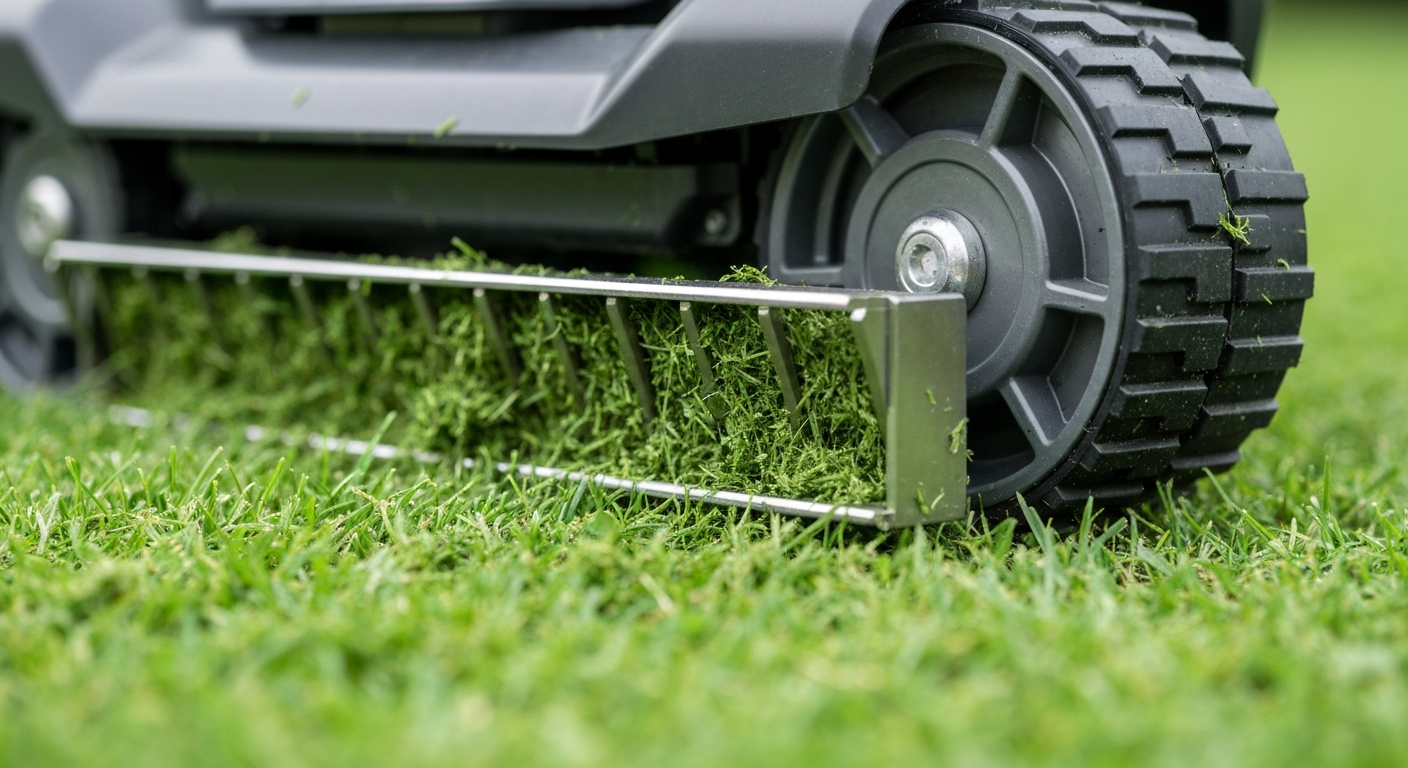
A robot lawn mower uses a mulching method. It trims tiny amounts of grass almost every day and leaves the clippings on the lawn to act as natural fertilizer. This encourages dense, healthy growth and helps prevent bare patches.
Mulch can become matted when the grass grows quickly or is wet. If that happens, you may need to manually dethatch the lawn in spring or fall.
, a durable weed control fabric can help keep weeds from growing through the mulch when you’re creating a new lawn area.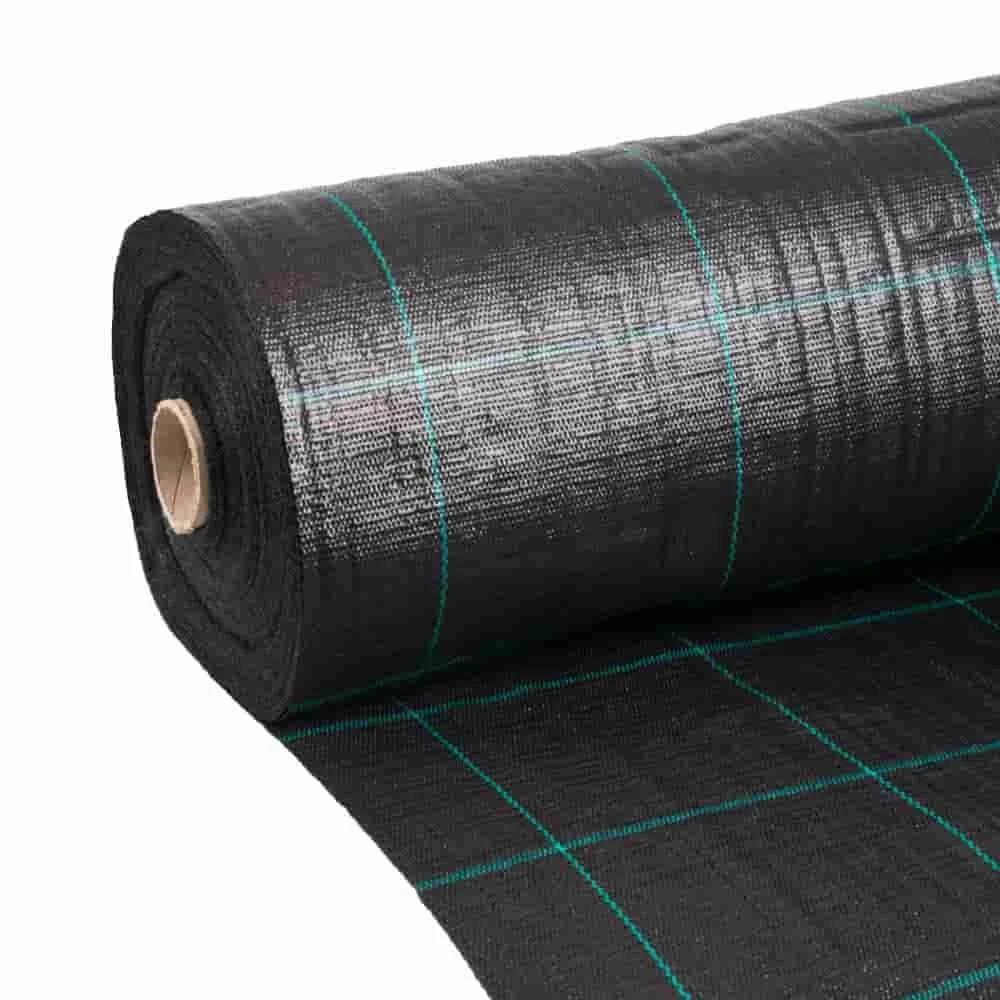
Pro tip
For the best results with a robot lawn mower, start the season by mowing with a regular mower at its lowest setting. Remove the clippings. This gives the robot a clean, level surface so it can mulch effectively from the start.
A regular lawn mower gives you more control. You choose the cutting height, pattern and frequency, and can mulch, collect the clippings or use side discharge. For crisp lawn stripes, a regular mower is hard to beat.
Your choice of mower also affects the look of your yard. Do you want a striped, manicured lawn or a natural, dense green carpet?
Noise and neighbors
Modern robot lawn mowers run quietly, often below 60 decibels. They can mow on Sundays or in the evening without disturbing your neighbors. That’s a big plus in densely populated areas.
Gas-powered lawn mowers are loud, while electric and cordless models fall somewhere in between. Check your local quiet hours before choosing a noisy mower.
How much do the accessories cost, and where can I find them?
The complete setup involves more than the mower itself. A boundary wire is generally required for a robotic lawn mower.
provides 100 meters of durable wire with a cross-section of 1,35 mm² for reliable signal transmission.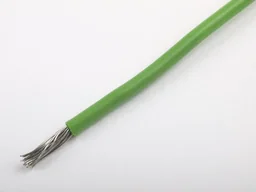
For large properties or complex layouts,
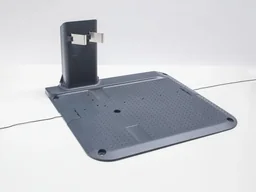
is a better choice thanks to its 250-meter length. The charging station, such as , provides a secure place to recharge and should be set up in a sheltered location.
“Invest in high-quality accessories from the start. Cheap boundary wire can break, and an unstable charging station can cause charging problems. Quality accessories can save you time and money in the long run.”
For a lawn mower, a second battery is useful when mowing large areas. A grass catcher saves you from raking up clippings. Sharp replacement blades ensure a clean cut. Find everything you need for your gardening projects in our garden equipment category.
Consider practical accessories, too, such as a workshop trolley for moving heavy equipment or tarps to cover it.
Decision guide: Questions to ask yourself
Answer these questions honestly to help you make the right choice:
- How large is the area you need to mow? (As a general rule, robotic lawn mowers are suited to lawns of 500 m² or more.)
- How much time can you or do you want to spend mowing each week?
- What is your garden like? (Flat and open, or intricate and hilly?)
- How important is having full control over the cutting height and pattern?
- What is your budget for the purchase and five years of operating costs?
Consider your answers together. They will point you in the right direction.
Conclusion: Technology vs. tradition
A robotic lawn mower is an investment in convenience and time. Its higher upfront cost pays off by eliminating manual mowing. It also delivers an even mulching result that helps keep your lawn healthy and dense.
A traditional lawn mower remains a flexible, easy-to-control option for hands-on gardeners. It costs less upfront, but requires physical effort. It also gives you maximum freedom to shape your lawn.
Both options have their place. Robotic lawn mowers are becoming more popular in large, modern gardens. For small, traditional, or complex gardens, a conventional lawn mower remains a practical choice. The best option is the one that suits your garden, lifestyle, and budget.
Explore our wide range of Garden & Outdoor products to find the right solution for your perfect lawn.
Frequently Asked Questions
- What size lawn makes a robotic lawn mower worthwhile?
- A robotic lawn mower can be cost-effective for lawns of around 500 square meters or more. Below that size, the high purchase price may outweigh the time saved. For small, complex lawns under 300 m², a compact cordless lawn mower is often a more affordable and practical choice.
- How much does it cost to run a robotic lawn mower each year?
- With average use, annual electricity costs range from 15 to 30 euros. Modern robotic lawn mowers are highly energy-efficient. The purchase price and potential replacement parts, such as blades or batteries, have a greater effect on total cost than electricity use.
- Can a robotic lawn mower handle steep slopes?
- Specialized slope models can handle inclines of up to 35 percent or more. For standard robotic lawn mowers, the limit is usually 25 percent. Check the manufacturer's specifications carefully. On very steep slopes, a manual mower or a specialized slope mower is often the only safe option.
- How much does it cost to maintain a gas lawn mower each year?
- Budget around 50 to 100 euros per year to maintain a gas mower. This covers new engine oil, an air filter, a new spark plug, and sharp blades if needed. Poor maintenance can lead to higher fuel consumption, a less even cut, and a shorter equipment lifespan.
- Do I need a boundary wire for a robotic lawn mower?
- Yes, most gardens require a boundary wire. It marks the mowing area and keeps the robot within its boundaries. Modern systems allow precise installation, and some top models can navigate via GPS without a physical wire, although they cost more.
You may also be interested in
- Lawn mowing: Costs, equipment, and top care tips
- Robotic lawn mower reviews and comparison 2026
- Robotic lawn mowers: The complete buying and installation guide
- Robotic lawn mowers for large lawns: How to choose and key benefits
- Robotic lawn mowers for small lawns: Compact helpers
- Buying a lawn mower: Find the right type for your yard