
In brief: Alpine plants that tolerate full sun, poor soil and fast drainage are especially well suited to a rock garden. Houseleeks, sedum, candytuft, creeping phlox, rock cress, pasque flowers and small dianthus varieties grow reliably among rocks. A dry-stone wall complements the rock garden if you avoid waterlogging and choose plants suited to the site.
Alpine plants that tolerate full sun, poor soil and fast drainage are especially well suited to a rock garden. Houseleeks, sedum, candytuft, creeping phlox, rock cress, pasque flowers and small dianthus varieties grow reliably among rocks. A dry-stone wall complements the rock garden if you avoid waterlogging and choose plants suited to the site.
How do you choose the right site for a rock garden?
A rock garden recreates the conditions in which many alpine plants grow: plenty of light, few nutrients and a substrate that drains excess water quickly. Rocks store heat and create dry crevices for sensitive roots. A level area works just as well as a gently sloping bed if you plan the drainage properly.
The best location is usually on the south, southeast or southwest side of the garden. Observe the spot over several days: tall trees, house walls and fences affect light, wind and moisture. For partially shaded areas, choose different plant species than you would for a hot spot in front of a light-colored house wall.
What light conditions do alpine plants need?
Most classic rock garden plants flower most abundantly in full sun. Houseleeks, stonecrop, sea thrift and creeping phlox tolerate heat as long as their roots do not stand in water. Saxifrages and some bellflowers do better with some morning sun and bright partial shade.
Avoid sites beneath dense shade or beside vigorous perennials. Large neighboring plants deprive small cushion-forming plants of light and water. An open position with good air circulation helps leaves dry more quickly after rain and reduces rot.
How do you build a well-drained base?
Dig out the bed to a depth of at least 25 to 40 centimeters. On compacted clay soil, digging deeper is worthwhile because water drains slowly there. Build up the layers and mix mineral components such as grit, gravel, lava or pumice into the planting soil.
- Base layer: Coarse crushed stone or gravel prevents the planting area from sitting directly on compacted soil.
- Planting substrate: A lean mixture of garden soil, coarse sand and mineral material keeps the roots well aerated.
- Rocks: Large boulders give the bed structure and direct rainfall into deeper layers.
- Surface: A thin layer of grit protects the root crown from waterlogging and splashing soil.
Place the largest rocks first. Set them about one-third, or half their height for tall rocks, into the soil. This makes them look natural and prevents them from tipping in frost or heavy rain. Use a consistent type of rock rather than mixing limestone, granite and slate at random.
Expert tip
Plan the drainage after a rainy day. If water remains in a hollow for more than an hour, raise the ground with mineral material or add an extra drainage layer before planting.
Which plants are suitable for alpine gardens?
Flower color is not the only factor to consider. Growth habit, site requirements, winter hardiness and the ability to cope with dry, poor soil are all important. Combine a few hardy species in groups rather than scattering many individual plants without repetition.
Which cushion plants stay low?
Low-growing cushions fill gaps between rocks and suppress weeds. They spread flat across the ground, gradually form dense carpets and tolerate the heat that builds up around rocks.
- Houseleek: Sempervivum tectorum and related species store water in their leaves and are ideal for very dry crevices.
- Stonecrop: Sedum album and Sedum acre produce yellow or white flowers and need very little soil.
- Creeping phlox: Phlox subulata flowers profusely in spring and covers sunny slopes with a dense carpet.
- Aubrieta: Aubrieta is suitable for the tops of walls and bed edges when the substrate drains well.
- Rock cress: Arabis caucasica stays low, flowers white and suits sunny rock crevices.
Which plants extend the flowering season?
With carefully coordinated flowering times, a rock garden remains interesting from spring through fall. Early bloomers get the season started after winter, while sedum, sea thrift and some dianthus varieties provide color later on.
- Saxifrage: Saxifraga species form rosettes and flower in spring or early summer, depending on the variety.
- Candytuft: Iberis sempervirens is evergreen and produces white flowers above dark foliage.
- Pasque flower: Pulsatilla vulgaris loves sunny, dry sites and produces striking flowers in spring, followed later by decorative seed heads.
- Sea thrift: Armeria maritima produces spherical flowers on short stems and tolerates wind and nutrient-poor soil.
- Gentian: Gentiana species create an especially intense display, but require careful substrate selection and the right pH.
Which alpine plants are suitable for small crevices?
Houseleeks, stonecrop, small saxifrages and low-growing dianthus are suitable for narrow gaps. Check the eventual width of each plant, as a cushion that starts out small can overgrow neighboring species within a few years.
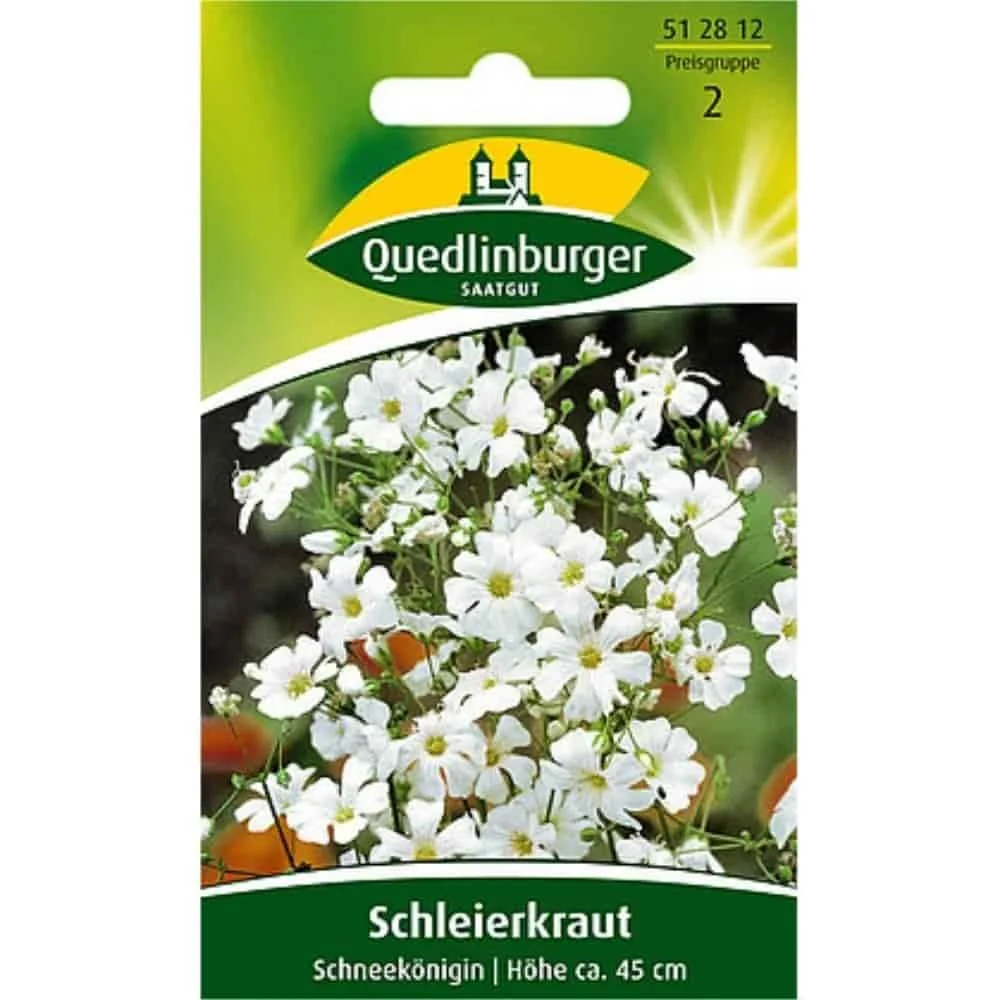
Baby's breath adds a loose, airy structure to sunny gravel areas. For a bright gap in the rock garden, these are a good choice. Sow only on prepared, fine-crumb soil and keep the area evenly and lightly moist during germination.
“Alpine plants need a well-drained site because permanently wet roots quickly lead to rot.”
How do you plant a dry-stone wall and rock garden?
A dry-stone wall consists of loosely stacked stones without continuous mortar joints. The gaps retain heat, provide shelter from the wind and create small, dry habitats. Build the wall securely and plan the planting gaps from the outset.
How do you build a dry-stone wall suitable for planting?
Start with a frost-resistant foundation made from coarse gravel. Each layer of stone needs a slight setback towards the slope to prevent the wall from tipping forwards. The largest stones belong at the bottom, while flat stones finish the upper sections.
- Prepare the foundation: Excavate the soil, compact the area and add around 20 to 30 centimetres of gravel.
- Set the stones: Position the stones with the largest possible contact surfaces and stagger the joints in each layer.
- Fill the cavities: Use coarse grit and mineral-rich growing medium, but no heavy, wet garden soil.
- Plant the top: Place drought-tolerant species in the upper gaps and on the wall top.
For the right garden and plant supplies, mineral soil materials, planters and tools for preparation are particularly important. When working with heavy stones, make sure you have a secure footing and wear sturdy gloves. These leather gloves protect your hands when positioning rough stones and filling the gaps.

Which plants grow in the gaps?
The gaps in a dry-stone wall dry out more quickly than a normal flower bed. Choose species with small root balls and low nutrient requirements.
- Houseleeks and stonecrop: Both store water and grow even in very small crevices.
- Saxifrage: Its rosettes grow close to the ground and fit into sheltered, bright gaps.
- Thrift: It tolerates sun, wind and chalky soils.
- Rock cress: It forms white cushions and remains manageable on the wall top.
- Bellflower: Small Campanula species add vertical accents without taking over the entire wall.
How do you plant flowers in a rock garden?
Water the plants before planting and gently loosen the root ball. Fill the planting hole with growing medium suited to the species and position the root collar level with the surrounding soil. Do not firm the soil too tightly, so the roots have access to air.
A thin layer of grit around the plant prevents leaves and shoots from resting permanently on damp soil. Leave enough space between species for their mature spread. Water thoroughly immediately after planting, then gradually extend the intervals between watering.
Important note
Never plant alpine plants in fresh, heavy compost. Check their lime requirements before planting: lime-loving species suffer in acidic growing medium, while lime-sensitive plants may struggle in strongly alkaline soil.
How do you care for hardy alpine plants?
A well-designed rock garden needs less care than a nutrient-rich perennial bed. Most of the work involves watering during the establishment year, removing weeds and thinning out overcrowded cushions. Check the plants regularly instead of following a fixed schedule.
How do you water alpine plants correctly?
Water newly planted plants thoroughly as soon as the top layer of soil dries out. During the first hot spell, they need water more frequently because their roots have not yet grown deeply into the growing medium. If possible, use a gentle stream of water and direct it at the soil rather than the leaf rosettes.
Established houseleeks, Sedum and many dianthus species can withstand short dry periods. During prolonged hot weather, deep watering in the early morning helps. In winter, persistent moisture is a greater risk than cold, especially in shallow bowls and densely planted hollows.
How much fertiliser does a rock garden need?
Poor soil keeps alpine plants compact and encourages sturdy shoots. Avoid regular applications of compost and nitrogen-rich fertilisers. If a plant grows weakly despite being in a suitable location, apply a small amount of slow-release fertiliser in spring.
You can find suitable products in the plant and flower fertiliser category. Apply sparingly and work the fertiliser only into the surface. Too many nutrients cause cushions to fall apart and increase the amount of maintenance required.
Which care protects the plants throughout the year?
Remove faded stems if you do not want the plant to self-seed. You can leave dry seed heads on pasque flowers, grasses and some Sedum species until spring. Always cut back only as far as the healthy plant tissue extends.
Divide overgrown cushions in spring or early autumn. Remove emerging weeds while they still have small roots. If you notice slug damage or aphids, first observe the affected species and then choose a suitable plant protection product.
For fine pruning and removing dead shoots, the is ideal. Sturdy garden tools also make it easier to loosen gaps and remove root weeds without damaging the shallow roots of the cushions.

Additional advice
Check the rock garden after heavy rain and frost. If stones or roots have been lifted by frost, realign them in spring and fill the resulting cavities with grit.
How do you plan a rock garden that stays attractive over time?
A well-designed rock garden looks like more than a collection of individual plants. Repeat a few species, echo colors and shapes in several places, and carry the stones visually through the bed. This creates a calm, cohesive look even though the plants bloom at different times.
How do you combine heights and flowering times?
Place low-growing cushions along the front edge and in the sunniest crevices. Medium-sized clumps such as thrift, small grasses or pasqueflowers create a transition between the stones and taller neighbors. Position individual upright-growing plants so they do not block the view of the entire area.
- Spring: Combine saxifrage, pasqueflower, aubrieta and small bulbs.
- Early summer: Creeping phlox, rock cress, candytuft and thrift take over the flowering display.
- Summer: Dianthus, bellflowers and drought-tolerant sedum varieties add color and structure.
- Fall and winter: Hens and chicks, evergreen cushions and decorative seed heads keep the bed looking lively.
What mistakes should you avoid when planting?
Avoid planting too close together. A small pot often looks just right at the garden center, but after two or three years it may overgrow an entire section of rock garden. Check the mature diameter and plan the spacing accordingly.
Do not use bark mulch between the stones, as it retains moisture and decomposes. A mineral mulch layer is better suited to alpine plants. Also remove leaves from the cushions before they remain wet for weeks.
If you combine a dry-stone wall with a sunny gravel bed, do not plant the same species everywhere. Use different plant heights, but repeat individual plants in at least two places. This makes the design look cohesive and keeps it interesting after the first flush of flowers.
“Dry-stone walls are built without mortar and provide habitat for plants and animals in their joints.”
Start with a few hardy plant species and observe the site over an entire season. When drainage, light and planting distances are right, the rock garden develops with little effort into a long-lasting landscape with flowers, structure and habitat.
Frequently Asked Questions
- Which plants are suitable for a sunny rock garden?
- Hens and chicks, stonecrop, creeping phlox, aubrieta, rock cress, candytuft, thrift, saxifrage and pasqueflower are suitable for sunny, dry locations. These plants form cushions or low clumps and cope well with poor, well-drained soil. Also check whether the chosen species prefers alkaline or acidic soil.
- How much water do alpine plants need?
- After planting, water alpine plants thoroughly until the root area is moist. Then wait until the top layer of soil has dried out. During the first summer, new plants need additional water in hot weather. Established hens and chicks, sedum and many dianthus varieties can withstand short dry periods, but not constantly wet roots.
- Which plants grow in a dry-stone wall?
- Hens and chicks, stonecrop, saxifrage, thrift, rock cress and some bellflowers grow reliably in a dry-stone wall. Plant small specimens in wide joints filled with mineral soil. Leave room for growth and make sure rainwater does not collect behind the wall. Tolerance of alkaline soil determines the final selection.
- When should you plant alpine plants?
- The best time is spring and early fall, when the ground is frost-free and not waterlogged. You can also plant container-grown specimens in summer, provided you water them regularly afterward. Do not divide or transplant sensitive species while they are flowering. The roots will still have enough time to establish in the soil before winter.
- Do rock garden plants need fertilizer?
- Rock garden plants usually do not need regular fertilizer. In spring, only if growth is visibly weak, work a small amount of organic or mineral slow-release fertilizer lightly into the surface. Avoid fresh compost and high-nitrogen feeds. Too many nutrients produce soft, lush growth and reduce winter hardiness.
You may also be interested in
- Hardy Plants: Your Path to an Easy-Care Dream Garden
- Winter-Hardy Plants: Resilient Beauties for Your Garden
- Long-Lived Perennials: Hardy Companions for Every Garden
- Create a Mini Pond and Rock Garden: Step by Step
- Saxifrage: Plant Profile and Care Tips for the Garden
- Ground Covers: The Best Plants for Low-Maintenance Beds