
Kurz erklärt: Die Wahl des richtigen Rohrschneiders hängt von Material, Rohrdurchmesser und Einsatzzweck ab. Für präzise, gratfreie Schnitte an Kupfer- und Mehrschichtverbundrohren sind Ratschenkluppen erste Wahl. Für größere Durchmesser oder gelegentlichen Einsatz bieten manuelle Rohrschneider mit Rollen eine gute Lösung. Unser Test zeigt, worauf Sie achten müssen.
Ein Rohrschneider ist ein unverzichtbares Werkzeug für jeden, der mit Rohrleitungen arbeitet. Ob Sie als Heimwerker eine Heizung installieren oder als Profi täglich Sanitärsysteme verlegen: Ein sauberer, präziser Schnitt ist die Grundlage für eine dauerhafte und dichte Verbindung. Im Jahr 2026 hat sich das Angebot weiter spezialisiert. Unser Test und Vergleich hilft Ihnen, aus der Vielzahl der Modelle den Rohrschneider zu finden, der perfekt zu Ihren Anforderungen passt.
Inhaltsverzeichnis
Welche Rohrschneider-Typen gibt es?
Nicht jeder Rohrschneider ist für jede Aufgabe gemacht. Die Wahl des Typs ist der erste Schritt zum erfolgreichen Kauf.
Manuelle Rohrschneider mit Rollen
Das ist der klassische Typ. Sie legen das Rohr in die U-förmige Führung, stellen den gewünschten Durchmesser ein und drehen das Werkzeug um das Rohr. Ein scharfes Schneidrad frisst sich dabei ins Material. Diese Modelle sind robust, vielseitig und oft im Handwerkzeug-Sortiment zu finden.
Ratschenkluppen für präzise Schnitte
Ratschenkluppen sind die Profis unter den Rohrschneidern. Ein Hebel mit Ratschenmechanismus überträgt die Kraft effizient auf das Schneidrad. Das ermöglicht präzises Arbeiten mit geringem Kraftaufwand, auch in beengten Montagesituationen. Sie sind ideal für häufigen Einsatz und anspruchsvolle Materialien.
Spezialschneider für Großdurchmesser oder Stahl
Für sehr große Rohrdurchmesser oder harte Materialien wie Stahl gibt es zweihändig geführte Kettenrohrschneider oder Scheren. Diese kommen oft im industriellen Bereich zum Einsatz. Für den Hausgebrauch sind sie selten notwendig.
Tipp: Für die meisten Installationsarbeiten im Sanitär- und Heizungsbereich sind Ratschenkluppen die erste Wahl. Sie kombinieren Präzision mit komfortabler Handhabung.
Worauf müssen Sie beim Kauf achten?
Neben dem Typ entscheiden weitere Faktoren über die Eignung eines Rohrschneiders. Prüfen Sie diese Punkte vor dem Kauf.
Materialkompatibilität
Ein Rohrschneider für Kupferrohre schneidet nicht automatisch auch Stahlrohre sauber. Die Härte des Schneidrads muss zum Material passen. Achten Sie auf die Herstellerangaben. Für Mehrschichtverbundrohre benötigen Sie oft spezielle Schneidräder, die die Aluminiumschicht sauber trennen, ohne die Kunststofflagen zu quetschen.
Durchmesserbereich
Wählen Sie einen Schneider, dessen maximaler Durchmesser Ihre typischen Rohre deutlich übersteigt. Arbeiten Sie meist mit 15-mm- und 22-mm-Rohren, ist ein Gerät bis 35 mm eine gute Wahl. Das gibt Spielraum. Ein zu klein dimensionierter Schneider ist schnell überfordert.
Ergonomie und Bedienkomfort
Der Griff sollte gut in der Hand liegen. Bei Ratschenmodellen ist ein leichtgängiger Mechanismus wichtig. Ein verstellbarer Tiefenanschlag hilft, übermäßiges Eindringen des Schneidrads und Beschädigungen zu vermeiden. Besichtigen Sie Schneidwerkzeuge am besten persönlich, um das Handling zu testen.
Warnung: Verwenden Sie niemals einen Rohrschneider als Hebel oder Schlagwerkzeug! Das kann das präzise Gehäuse verbiegen und die Schneidachse aus der Ausrichtung bringen. Das Werkzeug ist danach unbrauchbar.
Die wichtigsten Kriterien im Test
In unserem praktischen Vergleich haben wir die Rohrschneider an typischen Materialien und unter realistischen Bedingungen getestet.
Schnittqualität und Gratbildung
Das ist das entscheidende Kriterium. Ein guter Schnitt ist gerade, sauber und möglichst gratfrei. Wir prüften, wie viel Nacharbeit mit einer Entgratfeile nötig war. Hochwertige Ratschenkluppen schnitten hier am besten ab.
Handling und Kraftaufwand
Wie viel Druck müssen Sie aufwenden? Wie gut liegt das Werkzeug in der Hand, auch bei mehrmaligem Einsatz? Wir testeten die Ergonomie über einen längeren Zeitraum. Ein geringer Kraftaufwand schont nicht nur Ihre Hände, sondern erhöht auch die Präzision.
Verarbeitung und Langlebigkeit
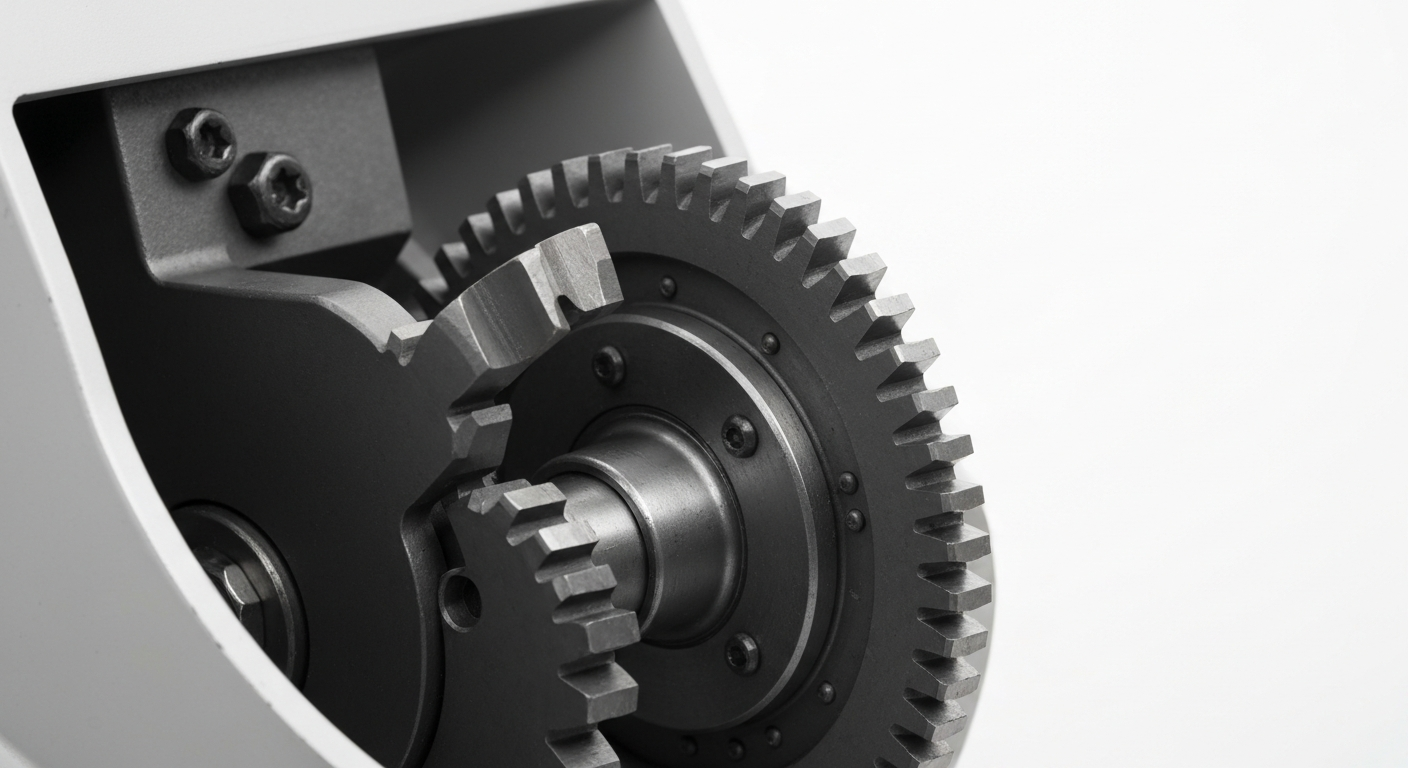
Hochwertige Rohrschneider sind aus robustem Stahl gefertigt. Wir prüften die Stabilität des Gehäuses, die Laufruhe der beweglichen Teile und die Qualität der Schneidräder. Billige Schneidräder stumpfen schnell ab und müssen häufig ersetzt werden.
Zubehör und Austauschbarkeit
Können Sie die Schneidräder einfach wechseln? Gibt es Ersatzteile? Einige Sets enthalten gleich mehrere Köpfe für verschiedene Rohrdurchmesser. Das ist besonders praktisch. Schauen Sie in unsere Kategorie für Rohrschneider, um passendes Zubehör zu finden.
Hinweis: Die Schnittleistung lässt bei allen Modellen mit der Zeit nach. Planen Sie den regelmäßigen Wechsel der Schneidräder ein. Verwenden Sie nur originale Ersatzschneidräder des Herstellers, um die garantierte Passform und Qualität zu erhalten.
Produktvergleich: Bester Rohrschneider
Basierend auf unseren Tests stellen wir Ihnen drei vielversprechende Modelle aus dem aktuellen Sortiment vor. Die folgende Tabelle gibt einen direkten Überblick über die wichtigsten Eigenschaften.
Die meistbewerteten Rohrschneider aus unserem Sortiment im direkten Vergleich:
| Modell | Kundenbewertung | Verfügbarkeit |
|---|---|---|
| Konische Ratschenkluppe 7-teilig, 4 Schneidköpfe 🏆 Testsieger | ★ 4,9 (17) | Derzeit nicht verfügbar |
| Aesculap GT 504 Ersatz-Schneidekamm für Tierhaarschneider | – | Derzeit nicht verfügbar |
| Aesculap GT 506 Ersatz-Schneidekamm für Viehschur | – | Derzeit nicht verfügbar |
| Aesculap GT 508 Ersatz-Schneidekamm für NOVA CL - Viehschur | – | Derzeit nicht verfügbar |
| Aesculap GT 772 Pfotenpflege Messersatz - 0.7 mm Schnittlänge | – | Derzeit nicht verfügbar |
Detailierte Vorstellung ausgewählter Modelle
Neben den Daten aus der Tabelle lohnt ein genauerer Blick auf die Stärken der einzelnen Produkte.
Die
überzeugt im Test durch ihr durchdachtes System. Die vier mitgelieferten Schneidköpfe decken einen weiten Bereich ab und lassen sich schnell wechseln. Der Ratschenmechanismus arbeitet präzise und kraftsparend. Dieses Set ist eine hervorragende Wahl für alle, die regelmäßig mit verschiedenen Rohrdimensionen arbeiten und Wert auf Effizienz legen.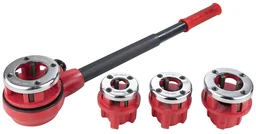
Der
ist ein klassischer und robuster Vertreter der manuellen Rohrschneider. Seine Stärke liegt in der Einfachheit und Langlebigkeit. Für gelegentliche Arbeiten an Standardrohren aus Kupfer oder Kunststoff ist er eine zuverlässige und kostengünstige Lösung. Er findet in jeder Werkzeug-kiste Platz.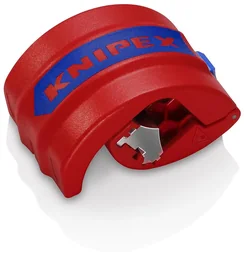
Der
bietet mit neun Teilen ein umfassendes Paket. Neben dem Grundgerät sind verschiedene Adapter und Schneidräder enthalten. Das macht ihn besonders flexibel. Im Test schnitt er alle angegebenen Materialien zuverlässig und mit guter Qualität. Für ambitionierte Heimwerker oder als Grundausstattung für kleine Handwerksbetriebe ist dieser Set eine gute Investition.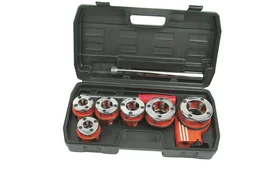
Richtige Anwendung und Pflege
Mit dem richtigen Werkzeug ist der halbe Weg geschafft. Die andere Hälfte ist die korrekte Anwendung.
So führen Sie einen perfekten Schnitt aus
Markieren Sie die Schnittstelle genau. Setzen Sie den Rohrschneider gerade an. Ziehen Sie das Werkzeug gleichmäßig und ohne ruckartige Bewegungen an. Bei Ratschenmodellen arbeiten Sie sich mit kurzen, kontrollierten Hebelbewegungen vor. Üben Sie keinen übermäßigen Druck aus, das verbiegt das Rohr.
Wartung verlängert die Lebensdauer
Reinigen Sie das Werkzeug nach jedem Gebrauch. Entfernen Sie Metallspäne aus dem Gehäuse und von den Schneidrädern. Ein Tropfen Öl auf den Ratschenmechanismus und die Führungsschiene bewahrt die Leichtgängigkeit. Lagern Sie den Rohrschneider an einem trockenen Ort.
Wann Sie die Schneidräder wechseln müssen
Wechseln Sie die Schneidräder, wenn der Schnitt deutlich mehr Kraft erfordert oder die Schnittkante rau und ausgefranst wird. Ein abgenutztes Rad quetscht das Rohr mehr, als es zu schneiden. Das führt zu unschönen und undichten Verbindungen.
Fazit und Kaufempfehlung
Die Wahl des besten Rohrschneiders hängt stark von Ihrem individuellen Bedarf ab. Unser Test zeigt: Für präzise und häufige Arbeiten ist eine hochwertige Ratschenkluppe wie die die Investition wert. Sie spart Zeit und sorgt für professionelle Ergebnisse.
Für gelegentliche Einsätze im Heimwerkerbereich sind klassische manuelle Rohrschneider wie der eine solide und bewährte Wahl. Umfassende Sets wie der bieten maximale Flexibilität für variable Aufgaben.
Egal für welches Modell Sie sich entscheiden: Achten Sie auf eine gute Verarbeitung, die passende Materialkompatibilität und einen angemessenen Durchmesserbereich. Mit dem richtigen Rohrschneider wird jede Installation sauberer und dauerhafter. Wir wünschen Ihnen viel Erfolg bei Ihrem nächsten Projekt.
Häufige Fragen
- Was ist der Vorteil einer Ratschenkluppe gegenüber einem einfachen Rohrschneider?
- Eine Ratschenkluppe bietet präzisere Schnitte mit weniger Kraftaufwand. Der Ratschenmechanismus ermöglicht kontrollierte Schnittbewegungen in engen Räumen und sorgt für einen sauberen, gratfreien Schnitt, der bei vielen Installationsarbeiten gefordert ist.
- Für welche Materialien eignet sich ein Rohrschneider?
- Standard-Rohrschneider schneiden Kupfer, Aluminium und Kunststoffrohre sauber. Für Stahl- oder Edelstahlrohre benötigen Sie spezielle Modelle mit gehärteten Schneidrädern. Achten Sie immer auf die Herstellerangaben zur Materialkompatibilität.
- Kann ich mit einem Rohrschneider auch alte, korrodierte Rohre schneiden?
- Ja, aber mit Einschränkungen. Leichte Korrosion ist kein Problem. Bei stark verrosteten oder verkrusteten Rohren besteht die Gefahr, dass das Schneidrad ausbricht oder abnutzt. Schmirgeln Sie die Stelle vor dem Schneiden leicht an.
- Wie pflege ich meinen Rohrschneider richtig?
- Reinigen Sie das Werkzeug nach jedem Einsatz von Spänen und Schmutz. Ölen Sie bewegliche Teile wie den Ratschenmechanismus und die Führungsschiene regelmäßig mit einem leichten Werkzeugöl. Lagern Sie es trocken, um Korrosion zu vermeiden.
- Was bedeutet 'gratfreier Schnitt' und warum ist das wichtig?
- Ein gratfreier Schnitt hinterlässt keine scharfen Metallgrate an der Rohrkante. Diese Grate können Dichtungen beschädigen, den Fluss behindern und bei Sanitärinstallationen zu Undichtigkeiten führen. Ein guter Rohrschneider erzeugt eine glatte Kante.