
In brief: Proper roof insulation is the single most effective measure for saving energy at home. It reduces heat loss in winter and overheating in summer. The cost of insulation pays for itself through lower heating bills. Choosing the right insulation material and installing it professionally without gaps are crucial.
Roof Insulation: Effective Ways to Save Energy
Up to 30 percent of your heating energy escapes through an uninsulated roof. You are literally burning this energy and your money. Modern roof insulation stops this loss. It creates a comfortable indoor climate and protects the building structure.
We show you which insulation methods are available, how to compare materials, and what to consider when planning and carrying out the work. This will help you make the right decision for your home.
Why is thermal protection for your roof so important?
Warm air rises and collects beneath your roof. If the roof covering or attic floor is uninsulated, the heat quickly escapes. Your heating system has to keep working to replace it.
A layer of insulation works like a thermos. It keeps heat inside your home. In summer, it reflects sunlight and prevents the attic rooms from heating up. This improves the energy efficiency of your entire home.
Expert tip
Before renovating, have an energy consultant analyze your home's weak points. Roof insulation is often the most cost-effective measure with the shortest payback period. Funding programs from KfW and BAFA often require this consultation.
In addition to saving energy, proper insulation also prevents structural damage. Condensation in cold spots can lead to mold. This puts both your health and the wooden supporting structure at risk.
How do I plan roof insulation properly?
Start with an assessment of the existing conditions. Is your attic an unheated storage area or a finished living space? The answer determines the insulation method.
For cold attics, insulating the top-floor ceiling is often sufficient. This is the least expensive option. If you plan to convert the attic into living space, the entire roof slope must be insulated. This is more complex and expensive.
Planning is everything. Measure the rafter spacing precisely and calculate the material requirements, including waste. Do not forget the vapor retarder, the counter-battens for the interior finish, and the necessary tools.
Set a realistic budget. In addition to roof insulation costs for materials, you will need to budget for tools, possible scaffolding rental, and professional services. A 15 percent contingency for unexpected expenses is sensible.
For all your home and garden projects, we offer a wide selection of garden and outdoor products as well as the right power tools.
What roof insulation methods are available?
Insulation between rafters: The classic
You pack or fit insulation rolls or boards between the existing roof rafters. This method is particularly suitable for retrofits. Its main advantage is that the roof structure remains visible.
The disadvantage is the limited insulation thickness. You can only install as much material as the rafter depth allows. This is often insufficient for today's energy standards. Thermal bridges can also easily form at the rafters.
Insulation above the rafters: Maximum efficiency
With this method, you install thick insulation boards directly on top of the rafters, beneath the roof covering. It achieves very high insulation values and completely eliminates thermal bridges. It is the best solution for new builds and complete renovations.
Above-rafter insulation changes the roof geometry. Eaves overhangs and connections to dormers must be adjusted. The cost is considerably higher than for insulation between rafters.
Important note
With above-rafter insulation, you must have the structural integrity checked. The additional load on the roof structure may require the rafters to be reinforced. Always consult a structural engineer or an experienced roofer.
Insulating the top-floor ceiling
If the attic is not heated, simply insulate the ceiling below it. You can roll out insulation batts or spread loose material such as cellulose fibers across the floor. This work is simple and inexpensive.
Make sure the insulation is continuous and covers all pipes, cables, and the stairwell opening. Do not forget to insulate the attic access hatch.
Roof insulation materials compared: What works best for what?
The market offers a confusing variety of options. We compare the most common materials for roof thermal protection.
Mineral wool (glass and rock wool)
Mineral wool is noncombustible (building material class A1), helping protect against the spread of fire. It is vapor-permeable, allowing moisture to escape. The batts adapt well to surfaces and are easy to install.
However, you should always wear gloves, safety glasses, and respiratory protection during installation because the fibers can irritate the skin and airways. Old mineral wool must be disposed of as hazardous waste.
Wood fiber insulation boards
A natural insulation material made from renewable resources. Wood fiber boards have a high density and store heat very effectively. This improves protection against summer heat. They are vapor-permeable and help regulate indoor humidity.
The boards are relatively expensive and heavy. For insulation between rafters, you often need to cut them to size. Their environmental credentials are excellent.
Wood fiber boards are my favorite for above-rafter insulation. They provide excellent thermal protection while also creating a pleasant, natural atmosphere in the room. Their high mass also dampens sound.
Expanded polystyrene (EPS) – Styrofoam
EPS is the classic among plastic insulation materials. It is very lightweight, easy to cut, and provides good thermal insulation at a low price. It repels water and does not rot.
Its disadvantages include low vapor permeability and poor fire resistance. EPS melts and burns. It is a petroleum-based product and is environmentally controversial.
Other materials at a glance
- Polyurethane rigid foam (PUR): Very good insulation values with minimal thickness. Often available as a composite board with OSB. Expensive and petrochemical-based.
- Cork: Natural, vapor-permeable, and good for sound insulation. Limited availability and high price.
- Blown-in cellulose insulation: Ideal for cavities and uneven surfaces. Made from recycled paper. Requires specialized equipment and a professional contractor.
Additional advice
Do not look only at the price per square meter. The lambda value (λ) is crucial. The lower this value, the better the material insulates. A thinner board with a low lambda value can replace a thicker one with a high value, saving space.
How much does it cost to insulate a roof?
Roof insulation costs consist of materials, labor, and any additional work. Here is a rough guide for a single-family home with 100 m² of roof area:
- Insulation between rafters (DIY): Material costs between 2,500 and 6,000 euros.
- Insulation between rafters with a professional contractor: 5,000 to 12,000 euros.
- Insulation above the rafters: 10,000 to 20,000 euros or more.
- Top-floor ceiling insulation: 1,000 to 2,500 euros.
The price range depends on the material selected, the desired insulation thickness, and the complexity of your roof. Dormers, valleys, and numerous penetrations increase the cost of the work.
Remember the follow-up costs. Good insulation may allow you to reduce your heating capacity. You may be able to install a smaller, more efficient boiler. Disposing of old insulation materials or asbestos will incur additional fees.
Practical tips for implementation
1. Insulate without gaps: Every gap is a thermal bridge. Cut the mats and boards to fit precisely around rafters, cables and windows. Use wedge straps to secure the mats between the rafters.
2. Don't forget the vapour barrier: A membrane must be fitted on the warm inner side of the insulation. Seal all joints and connections completely with special adhesive tape. This step is crucial for preventing moisture.
3. Maintain the ventilation gap: An air gap at least 2-4 cm high must remain between the insulation and the roof covering. It removes any moisture that may occur. Use counter battens to ensure this gap is maintained.
For installing the interior cladding, you will find suitable materials in our country-style children's furniture section or general household goods in the Shop.
Conclusion: An investment in comfort and value
Roof insulation is an investment that pays off in several ways. You save on heating costs year after year, increase living comfort and boost the value of your property. The government supports this measure with grants and low-interest loans.
Carefully weigh up the methods and materials. For complex projects, obtain several quotes from specialist contractors. With well-thought-out planning and careful installation, you can create lasting thermal protection for your home.
While making your home more energy-efficient, you can also optimise your garden. A
provides ideal conditions for plants. An keeps insects out and a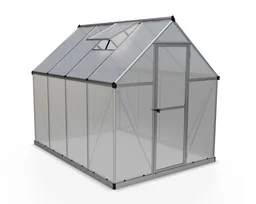
Frequently asked questions
- How much does it cost to insulate a roof?
- The cost of roof insulation varies greatly. For between-rafter insulation in a single-family home, you should expect to pay 50 to 120 euros per square metre. The total depends on the roof area, the insulation thickness selected, the material and whether you do the work yourself. Above-rafter insulation is more expensive but offers the highest energy efficiency.
- What is the best insulation material for a roof?
- There is no single best material. Mineral wool is non-combustible and easy to work with. Wood fibre boards are environmentally friendly and store heat. EPS (Styrofoam) is affordable and lightweight. Make your choice based on criteria such as fire protection, environmental impact, thermal conductivity (lambda value) and your budget. Professional advice is recommended.
- Can I insulate my roof myself?
- Experienced DIYers can install between-rafter insulation themselves. You must cut the material precisely and fit it without gaps. More complex methods, such as above-rafter insulation or insulating valleys and connections, require specialist knowledge. Mistakes can lead to thermal bridges and mould. If in doubt, consult a professional.
- How much can I save on heating costs with an insulated attic floor?
- Good insulation of the top-floor ceiling can reduce heat loss upwards by up to 80%. In a typical single-family home, this can save several hundred euros in heating costs per year. The exact amount depends on the previous condition, the heating system and your usage habits.
- Do I need a vapour barrier for roof insulation?
- Yes, in most cases a vapour barrier is essential on the warm, inner side of the insulation. It prevents warm, humid indoor air from penetrating the insulation layer and condensing there. This moisture would destroy the insulation effect and cause mould to form on the timber.
You may also be interested in
- Roof insulation: How to save on heating costs and increase living comfort
- DIY attic insulation: Costs and best methods
- 7 tips for optimal pipe insulation: How to use energy efficiently
- Stop energy loss: Is 20mm insulation enough for heating pipes?
- Home insulation: Insulate walls correctly and save energy
- Save on heating costs with optimal insulation: Your CLIMAFLEX guide