
In brief: A rubber plant (Ficus elastica) thrives with a few simple rules. Give it a bright spot without direct midday sun. Water moderately and let the top layer of soil dry out. Avoid waterlogging and cold draughts. Feed it every two weeks from March to September with liquid fertiliser. Clean the large leaves regularly so the plant can breathe.
Rubber Plant Care: How to Grow Ficus elastica
The rubber plant, botanically known as Ficus elastica, is a classic houseplant. Its large, glossy leaves and upright growth make it a popular choice for adding greenery indoors. With the right care, it stays healthy and vigorous for many years.
The ideal location for your Ficus elastica
Light is the most important factor. Your rubber plant needs a bright spot. However, direct midday sun behind a south-facing window can scorch the leaves. An east- or west-facing window is ideal. The brighter the location, the more compact and vigorous the plant’s growth will be.
With too little light, the shoots become long and thin. The gaps between the leaves increase. The plant becomes leggy. Any change of location should be made gradually. Acclimatise your Ficus elastica to stronger light over several days.
Temperature and humidity play a secondary role. Room temperatures between 18 and 25 degrees Celsius are perfect. Avoid cold draughts from open doors or windows in winter. These can cause leaf drop.
Expert tip
Turn your plant by a quarter turn every few weeks. This helps it grow evenly towards the light and prevents it from leaning to one side. This is especially important for plants kept near a window.
What should you do if there is too little light?
Not every room offers perfect conditions. You can supplement the light in darker corners with plant lights. LED grow lights are energy-efficient. They simulate the spectrum of sunlight. Aim for a daily lighting period of around ten to twelve hours.
Watering correctly and checking moisture levels
The most common care mistake is overwatering. Ficus elastica tolerates short dry periods better than waterlogging. Check the moisture with your finger before watering. The top two to three centimetres of soil should be dry.
Then water thoroughly with room-temperature, standing water. The water should run freely out of the drainage hole. Wait ten minutes. Pour away any excess water from the cover pot or saucer. This helps prevent root rot.
Important note
Yellow, limp, drooping leaves are a warning sign of waterlogging. Check the roots immediately. If they are soft and brown, cut away the rotten parts. Repot the plant in fresh, well-draining soil. Afterwards, water very sparingly.
In winter, the plant’s water requirements decrease significantly. The plant is resting. Water it only every two to three weeks. The soil may dry out almost completely. You can find useful accessories for all your watering needs in our Plumbing + Irrigation category.
The right soil and repotting
Use high-quality, structurally stable potting soil. A mix for foliage plants or houseplants is ideal. You can mix regular potting soil with some clay granules or expanded clay. This improves drainage.
Repot your rubber plant every two to three years in spring. Choose a new pot that is only a few centimetres larger in diameter. Too much fresh soil retains water for too long. The roots will rot.
Feeding, pruning and propagation
During the growing season from March to September, your Ficus elastica needs nutrients. Add liquid fertiliser for foliage plants to the watering water every two weeks. Follow the recommended dosage. Less is often more. In winter, stop feeding or use only half the dose once a month.
“The rubber plant is a rewarding companion. Its care requirements are manageable. The most important thing is to maintain a consistent watering routine. Learn to pay attention to the plant’s signals, not the calendar.”
Pruning is not essential. However, you can prune your rubber plant at any time if it becomes too large. Cut the shoot with a clean, sharp knife just above a leaf node. Wear gloves. The milky sap can cause skin irritation.
You can easily grow new plants from the cut shoot tips. This is known as propagation from tip cuttings. Remove the lower leaves. Place the cutting in a glass of water. Change the water every few days. Roots will form after a few weeks. You can then pot it up.
Additional advice
The leaves of your rubber plant collect dust. This hinders photosynthesis. Wipe the upper surfaces of the leaves every two weeks with a damp, soft cloth. Do not use leaf-shine spray. It clogs the stomata.
Leaf care and pest control
Glossy, healthy leaves are the hallmark of Ficus elastica. In addition to wiping them regularly, you can occasionally mist the leaves with lukewarm, low-lime water. This locally increases humidity and washes away dust. It is particularly useful in winter when the heated air is dry.
Pests are rare. Spider mites or scale insects may occasionally appear. Spider mites can be identified by fine webbing in the leaf axils. Scale insects look like small brown bumps. For a minor infestation, rinse the plant and treat it with a soft soap solution.
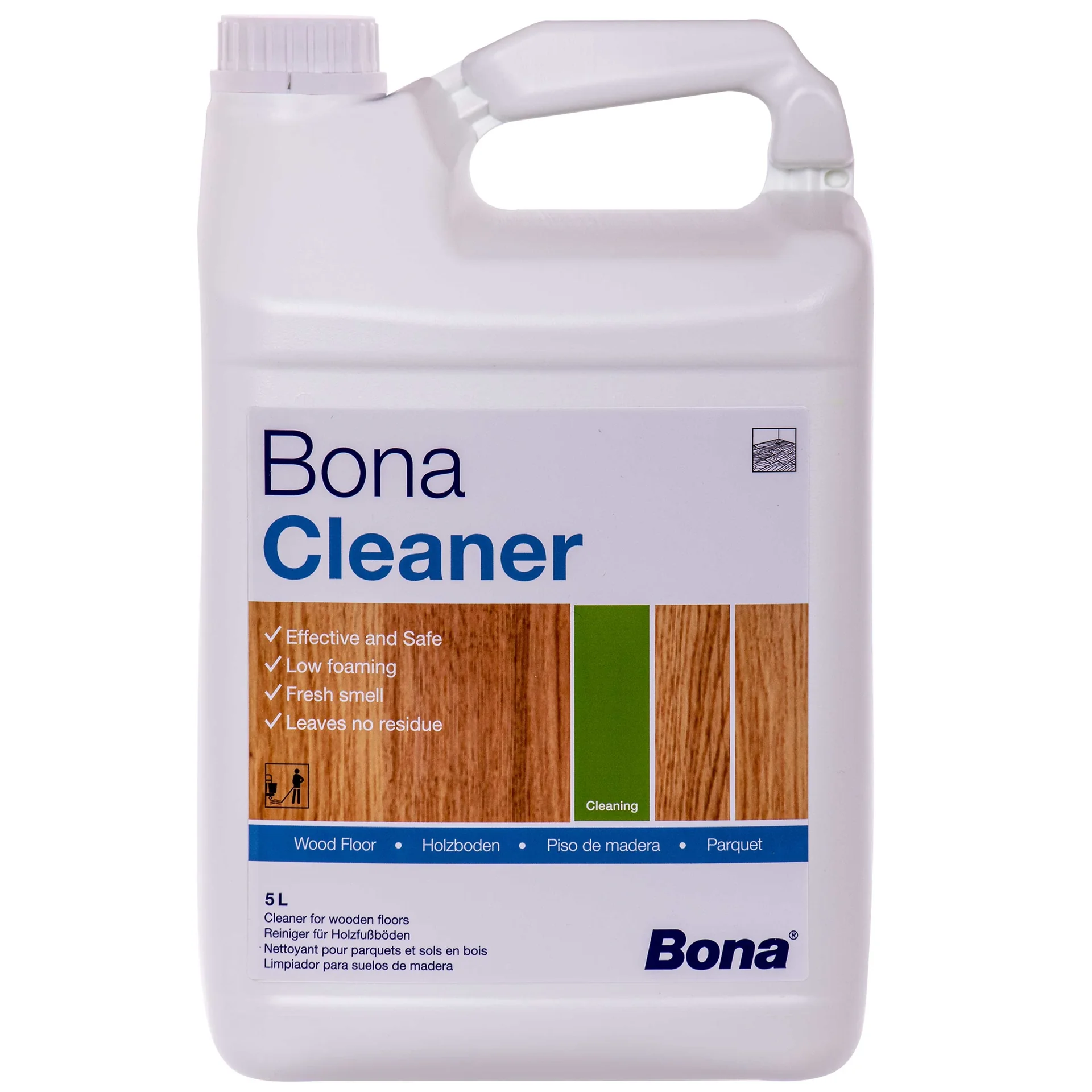
A specialised cleaner can be helpful for cleaning your plants and caring for surfaces around the home, such as our
. For larger quantities, the 5-Liter version is a good choice.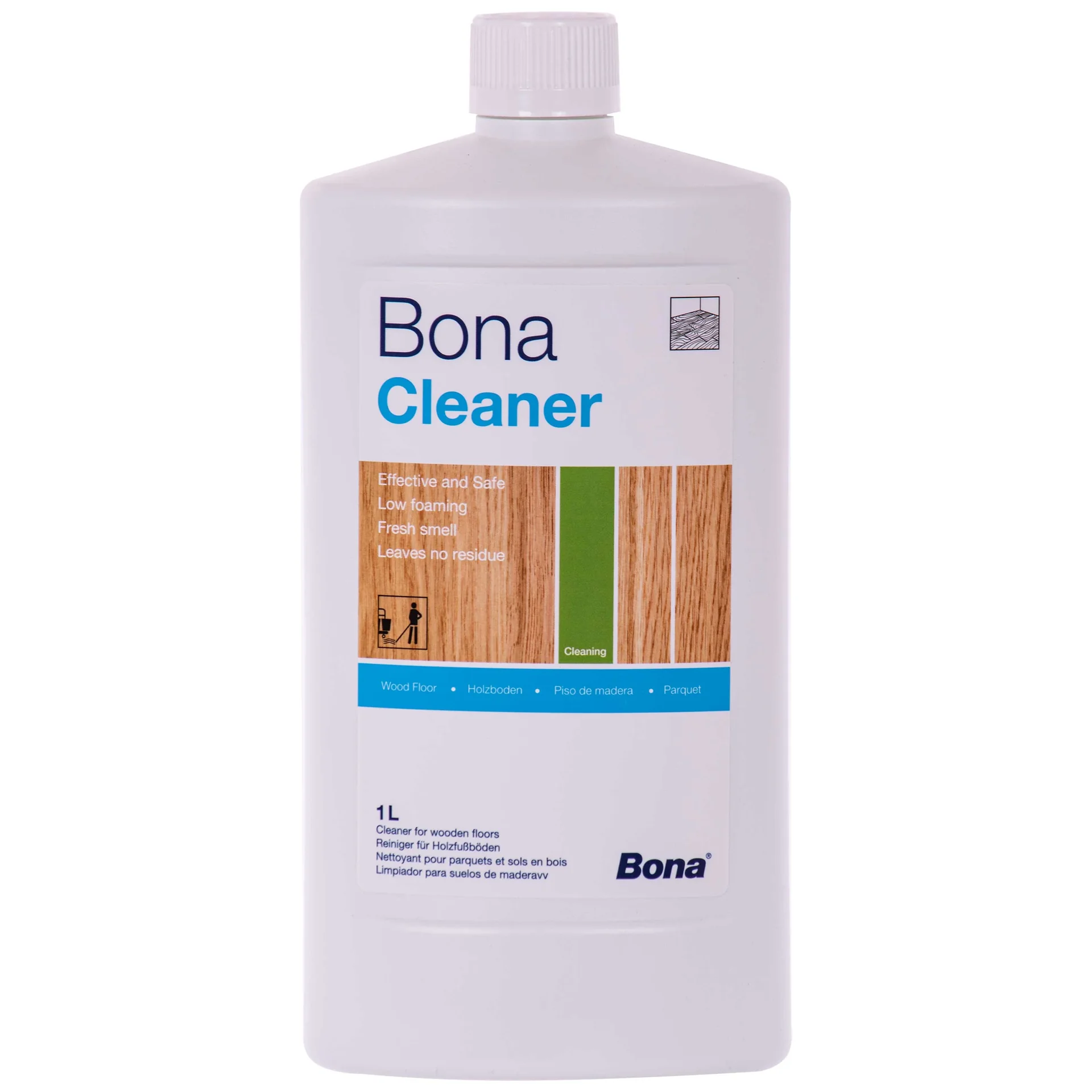
Why does my rubber plant have brown leaf tips?
Brown, dry leaf tips are usually a sign of air that is too dry or over-fertilisation. Review your feeding habits. Do not place the plant directly above a radiator. A humidifier or a bowl of water and pebbles nearby can help.
“Many houseplant problems can be traced back to three causes: too much water, too little light or incorrect temperatures. Observe your plant closely. It will show you what it needs.”
Rubber Plant Care Throughout the Year
The care your Ficus elastica needs changes with the seasons. Adjust your routine accordingly.
Spring (March-May): This is the main growing season. Start fertilising regularly. Check whether repotting is necessary. Water more often as soon as the soil dries out. The plant can tolerate a brighter location now.
Summer (June-August): Keep the plant out of the hot midday sun. Water regularly. You can place the rubber plant outdoors in a sheltered spot. Gradually acclimatise it to the sun. Watch out for pests.
Autumn (September-November): Gradually reduce fertilising. Bring the plant back indoors before night-time temperatures fall below 10 degrees Celsius. Also reduce watering.
Winter (December-February): This is the dormant period. Water very sparingly. Do not fertilise at all, or only minimally. A cooler location at around 16-18 degrees is ideal but not essential. Avoid draughts.
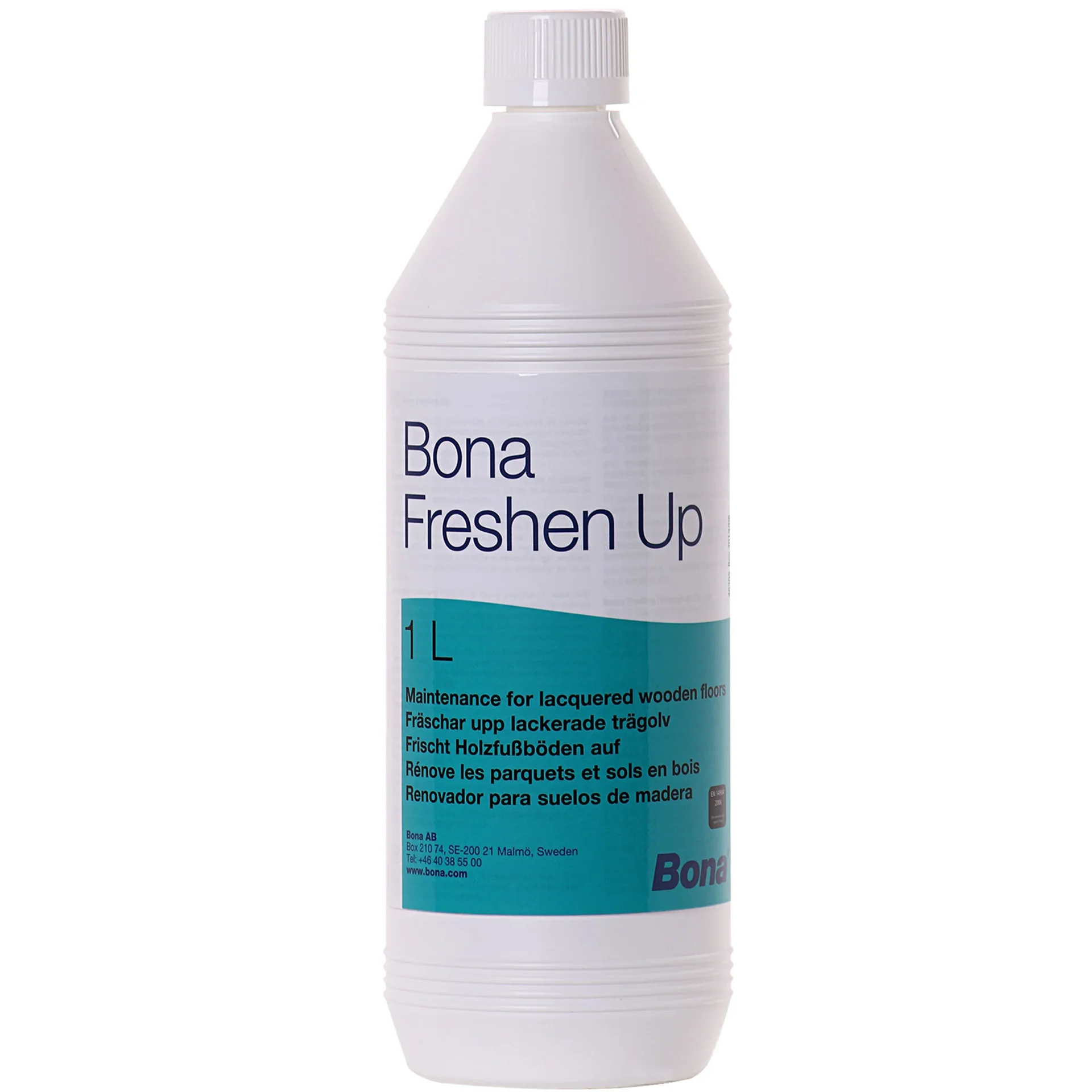
For caring for wooden and other surfaces in your home that may be next to your plants, you will find suitable products such as our wax-free care product
.
Common Problems and Quick Solutions
A healthy rubber plant is resilient. Take action if you notice these symptoms.
Sudden leaf drop: This is often a reaction to a change of location, draughts or temperature shock. Find a consistent spot away from draughts. The plant will usually recover by itself.
Soft, drooping leaves: A classic sign of overwatering. Let the soil dry out thoroughly. Check the roots for rot.
Pale, small new leaves: This indicates a nutrient deficiency or a location that is too dark. Start fertilising or give the plant more light. Our Garden + Plant Accessories range offers various solutions.
Brown spots on the leaves: These may indicate sunburn or water that is too cold. Move the plant and use room-temperature water.
With this basic care, your Ficus elastica will become a long-lasting and decorative houseplant. It adds a tropical feel to any room. For all your other home and garden projects, explore our extensive Garden + Outdoor range.
Frequently Asked Questions
- Why is my rubber plant losing leaves?
- Leaf loss in a rubber plant is usually a sign of stress. Common causes include a change of location, draughts, and too much or too little water. Check the root ball for waterlogging or dryness. Place the plant in a bright spot away from draughts and gradually acclimatise it to new conditions. Avoid sudden temperature changes.
- How often should I water a rubber plant?
- There is no fixed watering schedule for a rubber plant. Water when the top two to three centimetres of soil are dry. This may be once a week in summer and every two to three weeks in winter. Use room-temperature, settled water. Important: Pour away any excess water from the cachepot or saucer after ten minutes.
- Can I grow a rubber plant hydroponically?
- Yes, Ficus elastica is well suited to hydroponics. However, switching from soil can be challenging. It is better to grow a cutting directly in expanded clay. With hydroponics, you need to water much less often, reducing the risk of root rot caused by overwatering. Use a special hydroponic fertiliser.
- Which fertiliser is suitable for a rubber plant?
- During the growing season from spring to autumn, fertilise your rubber plant every two weeks with a standard green plant or houseplant fertiliser. Follow the dosage instructions. In winter, fertilising once a month is sufficient, or you can stop altogether. It is worth taking a look at our fertiliser range.
- Is a rubber plant poisonous to cats?
- Yes, Ficus elastica is toxic to pets such as cats and dogs. The milky sap (latex) can cause irritation of the mucous membranes, vomiting and diarrhoea if swallowed. Keep the plant out of reach of your pets. You can find products for other pet needs in the Pet Supplies category.
You may also be interested in
- How to care for houseplants properly: Top tips for healthy greenery
- How to care for a Monstera: Tips for a healthy Swiss cheese plant
- Are rubber plants poisonous? Safety for pets and children
- How to create an urban jungle: Houseplants for your home
- Ficus has yellow leaves: Causes and first aid
- Low-maintenance houseplants: Green oases with minimal effort