
In brief: Saving hot water starts with your daily habits. Shorter showers, water-saving shower heads and avoiding standby losses in your heating system immediately reduce consumption. Insulate draughty pipes and set the circulation pump to run on a timer. Every litre of water you do not heat reduces your energy costs directly.
Save Hot Water: Effective Tips for Home and Heating
Heating water uses a lot of energy in the home. It is often the second-largest expense after space heating. With smart measures, you can noticeably reduce this consumption. That saves money and protects the environment.
How can I reduce hot water consumption in everyday life?
The simplest ways to save start with your habits. You do not need expensive investments, just a little awareness.
Optimise your shower routine
Reduce your shower time by just one minute. With a standard shower head, this already saves around 15 litres of hot water. You should also shower a little cooler. Every degree less saves energy.
Expert tip
Replace your old shower head with a water-saving model. Modern water-saving shower heads reduce the flow rate to 6-9 litres per minute without compromising comfort. The savings can be as high as 50%.
Always use cold water when washing your hands. It is perfectly adequate for cleaning. Do not leave the water running unnecessarily while brushing your teeth or lathering up.
Save water with household appliances
Only run your dishwasher and washing machine when they are fully loaded. Choose the Eco programme wherever possible. It works at lower temperatures and uses less water, while being just as effective.
The average household can save up to 30% of its hot water consumption through mindful usage and efficient technology. This is reflected directly in the service charge statement.
Do not pre-rinse dishes under running hot water. Remove large food residues with a brush or knife. Instead, use a cleaning brush for stubborn dirt.
Why is the heating system the key to saving?
How you heat and distribute your water determines your energy consumption. Hidden losses often occur here.
Optimise temperature and circulation
Set the temperature on your hot water cylinder to a maximum of 60°C. This is high enough to kill legionella bacteria but low enough to save energy. Avoid higher settings.
Important note
A permanent reduction of the hot water temperature below 55°C can encourage the growth of legionella bacteria. These bacteria can cause severe pneumonia. Therefore, maintain the 60°C mark.
A circulation pump keeps the water in the pipes warm. This is convenient but uses energy continuously. Use a timer to switch off the pump when you do not need hot water, for example at night.
Prevent heat loss with insulation
Insulate all accessible hot water pipes in your home. Otherwise, heat can be lost, particularly in cold cellars or unheated adjoining rooms. This is one of the most effective measures.
The hot water cylinder itself also benefits from insulation. A thick insulating cover significantly reduces standby losses. Check regularly that the insulation is intact.
Up to 15% of the energy used for hot water is lost through uninsulated pipes and cylinders. Professional insulation often pays for itself as early as the first heating season.
Which technical aids reduce costs?
Small investments in specialist products pay off through long-term savings.
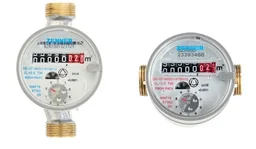
Water meters for greater transparency
A
or makes your hot water consumption measurable. You can see immediately which measures are effective. In rented accommodation, this can form the basis for consumption-based billing.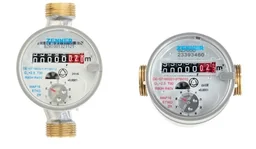
Additional advice
Check your taps too. A dripping tap running with hot water wastes several thousand litres of water per year, along with the energy needed to heat it. A new set of seals fixes the problem at low cost.
Aerators are small screens fitted to the end of a tap. They mix air into the water, creating a fuller stream while using less water. Replace old, limescale-covered aerators.
Saving water outdoors
You rarely need to use hot water in the garden. Use collected rainwater or cold tap water for watering. A large proportion of household water consumption goes towards the garden.
For occasional refreshment, a solar-powered outdoor shower is a worthwhile option. It uses free solar energy. A
or a similar transparent cover helps retain heat in a small paddling pool or water butt.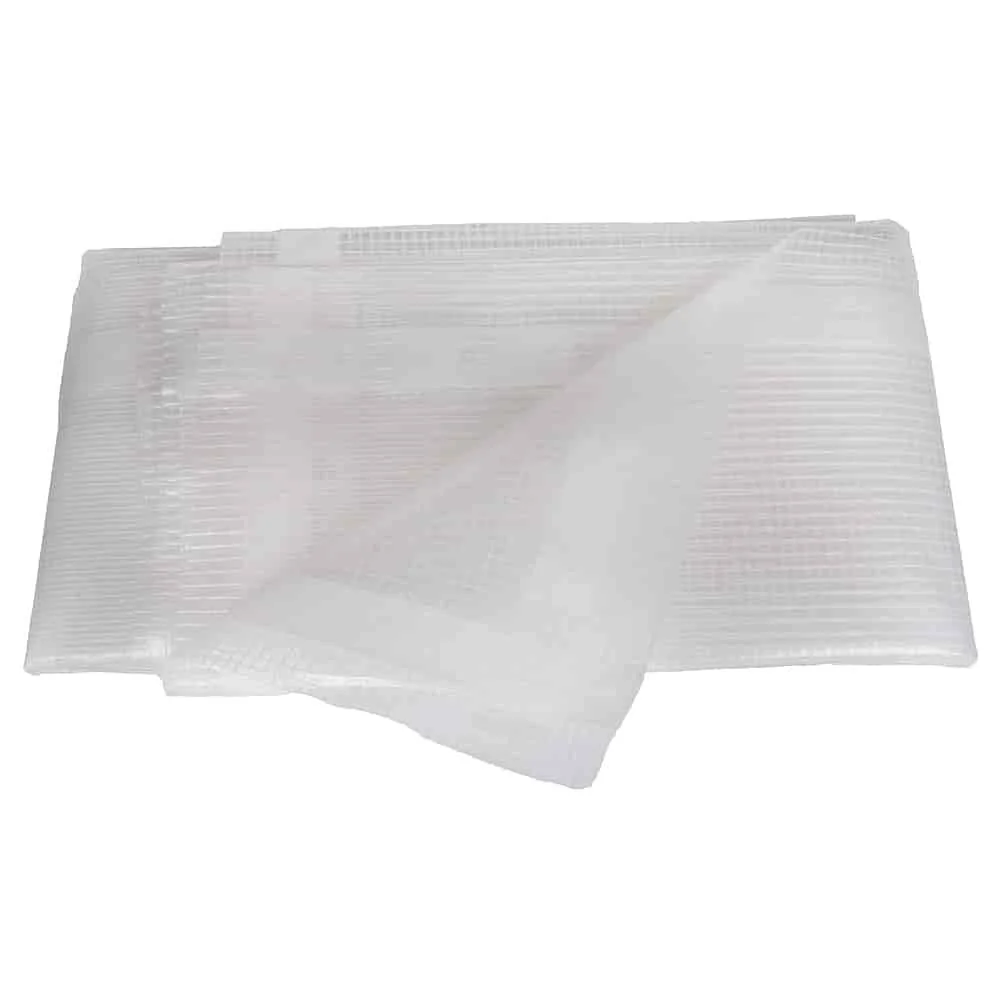
How can I monitor my success in saving water?
Without monitoring, saving water remains a vague goal. Use specific figures instead.
Regular consumption checks
Read your water and heating bill carefully. Compare your consumption with previous years. Look for the unit “kilowatt-hours” for hot water heating. It shows your energy consumption directly.
Record the meter reading during the first few weeks after implementing a measure. This lets you see the immediate effect and helps you stay motivated.
Long-term adjustments
If you are planning a modernisation, consider whether a decentralised instantaneous water heater at the point of use would be worthwhile. It heats water only when needed and prevents heat loss in the pipes. This is particularly effective when the pipe runs are long.
Check the condition of your entire plumbing system. Old, limescale-encrusted pipes and appliances work less efficiently. Replacing specific components can significantly reduce overall consumption. If you are unsure, seek professional advice.
Start today with one simple measure. Every litre of hot water you save improves your overall balance.
Frequently Asked Questions
- What temperature should hot water be?
- Set the storage tank to 60°C. This temperature reliably prevents the growth of Legionella bacteria, which can be hazardous to your health. Lower temperatures do save energy, but they pose a hygiene risk. A night-time setback or holiday mode can save additional energy.
- Does a water-saving shower head really save energy?
- Yes, a water-saving shower head significantly reduces the water flow, often from 12-15 to 6-9 litres per minute. This can save up to 50% of hot water and the energy needed to heat it, without noticeably affecting comfort. The investment usually pays for itself within a year.
- How can I optimise my heating system?
- Insulate all accessible hot water pipes and the storage tank itself. Use a timer to set the circulation pump to run only during your main usage times. Check the flow temperature and lower it if possible. Regular maintenance keeps efficiency high.
- What are the benefits of a hot water meter in an apartment?
- A separate water meter for hot water makes your consumption visible. This raises awareness and encourages you to save. In apartment buildings, it enables usage-based billing, which is fairer and directly rewards saving.
- Can I save hot water in the garden?
- Yes. Use collected rainwater or cold tap water to water the garden. A solar-powered garden shower heats the water for free using the sun. Cover a pool with a cover to reduce heat loss.
You may also be interested in
- Reduce heating costs: Effective energy-saving tips
- Gas boiler with hot water storage tank: Heat efficiently
- Switch your heating to summer mode and save energy
- Energy-saving tips for your home and garden: How to cut costs
- How to save water at home: Simple everyday tips
- How to save water and energy at home