
In brief: A ceiling fan can reduce heating costs in winter by evenly distributing the warm air that rises towards the ceiling throughout the room. Set the blades to rotate clockwise and reduce the speed. This pushes the warm air down without creating a noticeable draught. As a result, you achieve a higher perceived temperature at floor level with the same heating output and can turn the thermostats down slightly.
Save on Heating with a Ceiling Fan: Winter Efficiency
Heating costs put a strain on household budgets every year. Many people look for technical solutions but overlook simple principles of physics. An existing ceiling fan can become an unexpected helper in winter. It optimises heat distribution and improves your home's energy efficiency.
How does heat spread through a room?
Warm air is lighter than cold air, so it rises. The warmest layer of air collects beneath the ceiling. At floor level, where you spend your time, it remains cooler. Your radiators are working against this physical principle. They heat the rising air, which then remains beneath the ceiling.
A typical room with a 2,80-metre ceiling clearly demonstrates this problem. The temperature difference between the floor and ceiling can be several degrees. You are heating the unused upper part of the room. Energy efficiency suffers as a result. The solution is not more heating power, but better distribution.
Pro tip
Hang one thermometer at head height and another just below the ceiling. This allows you to measure the temperature difference in your room. If the difference is more than 3 degrees Celsius, using a ceiling fan for heating is particularly worthwhile.
High ceilings in older buildings or open-plan kitchen and living areas intensify this effect. A great deal of heating energy is lost here. Good heat distribution is the first step towards reducing heating costs.
Why does a ceiling fan help with heating?
A ceiling fan does not create a cold or warm current of air. It simply moves the air that is already present. In summer, you use the draught to cool your skin through evaporation. In winter, you simply reverse the function. The fan pushes the warm air from the ceiling back downwards.
The blades rotate clockwise. At a low speed, this creates a gentle upward suction. The warm air is drawn in and pushed downwards along the walls. This airflow is so gentle that you will barely feel it. It does not create an unpleasant draught.
Using ceiling fans to distribute heat is one of the most effective and cost-efficient measures for improving thermal comfort in rooms with high ceilings.
This circulation equalises the temperature in the room. The warm air reaches the floor. The perceived temperature at your seat or workstation increases. You can reduce the heating thermostat by one or two degrees without feeling cold. This directly reduces your heating costs.
A modern ceiling fan running at its lowest setting uses around 15 to 30 watts. The savings in heating energy far outweigh this cost. The energy efficiency of your entire heating system improves.
Set the correct direction of rotation
Most ceiling fans have a small switch on the motor housing. It is often labelled “Summer” and “Winter” or “Forward” and “Reverse”. For winter operation, set the switch to “Winter” or “Reverse”. Viewed from below, the blades should then rotate clockwise.
On models with a remote control, the function can usually be changed using a dedicated button. If necessary, consult the instruction manual. Clockwise rotation is crucial for distributing heat. Counterclockwise rotation would move cold air upwards from below and have the opposite effect.
Important note
Always switch the fan off before changing its direction of rotation. Wait until the blades have come to a complete stop. Changing the direction while the motor is under load can damage it and invalidate the warranty.
Set the speed to the lowest or second setting. A high speed is counterproductive. It would create too much draught and would not distribute the heat effectively. Gentle movement is all that is needed.
How do I incorporate the fan into my heating routine?
Switch on the ceiling fan when the heating starts up and the room is warming. It then works together with the heating system. Do not leave it running all day. After one to two hours of steady operation, the heat is usually distributed optimally.
You can then switch the fan off. The heat stored in the walls and furniture keeps the effect going for a while. Switch it on again when you notice that the room is becoming unevenly warm or the heating comes on again.
Short intervals are sufficient in well-insulated new-build homes. In rooms with high air exchange or large windows, running the fan for longer may be useful. Monitor your indoor climate and adjust how you use it. A thermostat with a room temperature display helps you keep track.
In rooms with high ceilings, energy savings of up to 10 percent are realistic when fans are used to distribute heat. The measure pays for itself extremely quickly.
Optimal positioning and safety
The fan should be mounted in the centre of the room. This ensures that it distributes the air evenly. There should be at least 20 centimetres between the fan and the ceiling so that air can be drawn in. The blades should be at least 2,30 metres above the floor to avoid creating a hazard.
Check that the fan is securely anchored to the ceiling. A fan used for heating will run for several months. The mounting must withstand continuous loads. Loose screws or unstable brackets must be tightened before winter operation.
Clean the blades thoroughly before the start of the season. Dust deposits reduce efficiency and circulate particles through the air when the fan is first switched on. A damp cloth is sufficient for cleaning.
What other measures can reduce heating costs?
A ceiling fan is one part of an efficient heating strategy. Combine it with other measures for maximum effect. Start with the heating system itself. A radiator that is regularly bled works much more efficiently. If your heating system makes gurgling noises, there is air in the system. These air pockets prevent hot water from reaching all areas of the radiator.
A simple bleed valve can solve the problem. With the
, radiator key, you can carry out this maintenance quickly. An investment of just a few euros pays for itself within one heating season. A bled radiator delivers its full output and immediately improves your home's energy efficiency.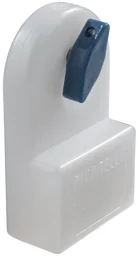
Additional tip
Seal draughty windows and doors. Even small gaps allow a great deal of heat to escape. Make use of solar heat at the same time. Open the curtains on south-facing windows during the day. Close all shutters and curtains as soon as it gets dark to reduce heat loss.
Reflective foil behind radiators on exterior walls directs heat back into the room. This prevents the wall from absorbing the energy. Setting your radiator thermostats correctly can also save money. Turn the temperature down by several degrees at night and when you are away from home.
Minimise heat loss in the garden and outdoors
Proper insulation is not just important inside the home. Unprotected garden furniture, water pipes and outdoor equipment can suffer in freezing temperatures. A tarpaulin protects against the elements and extends their service life. This saves you from costly repairs or replacements.
A transparent tarpaulin is suitable for delicate garden furniture. It provides protection while allowing light through and preventing moisture build-up. The
, a 3x4 metre transparent tarpaulin, is tear-resistant and UV-resistant. For larger areas, such as an entire garden table with chairs or a barbecue, the measuring 4x5 metres provides ample protection.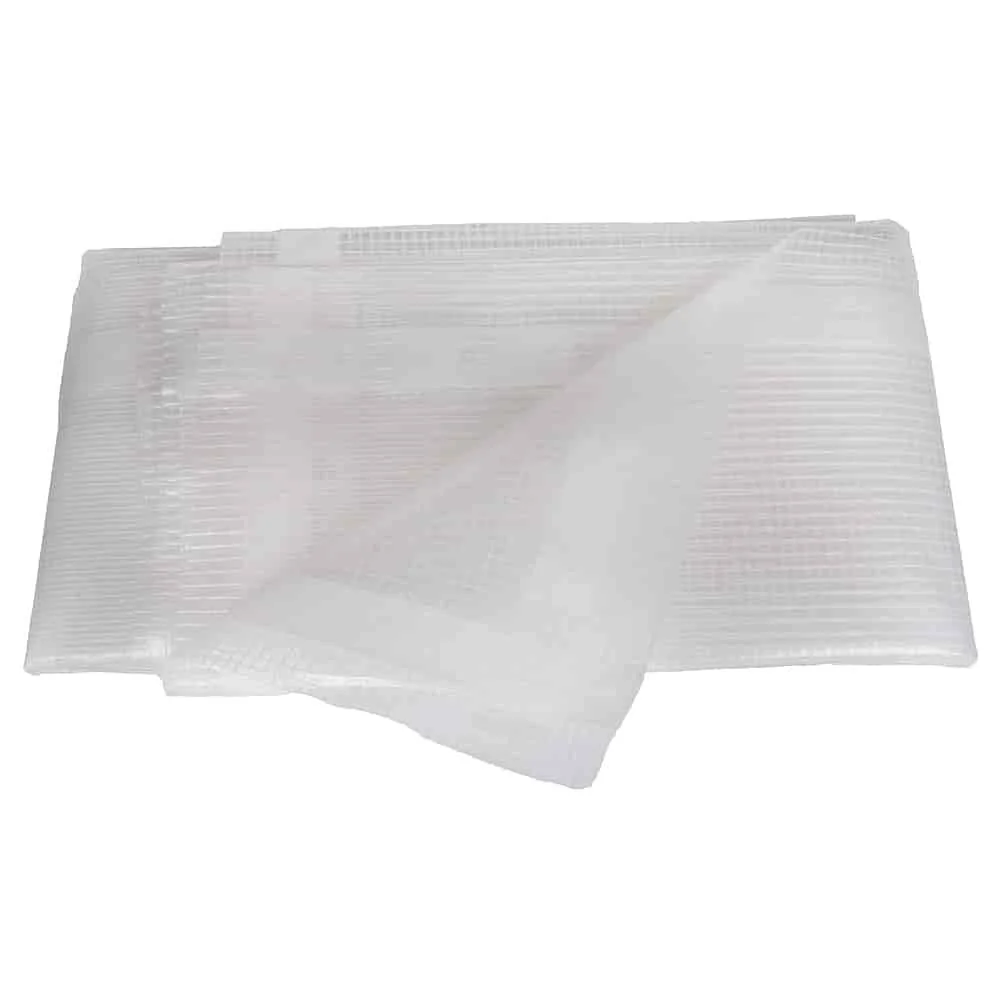
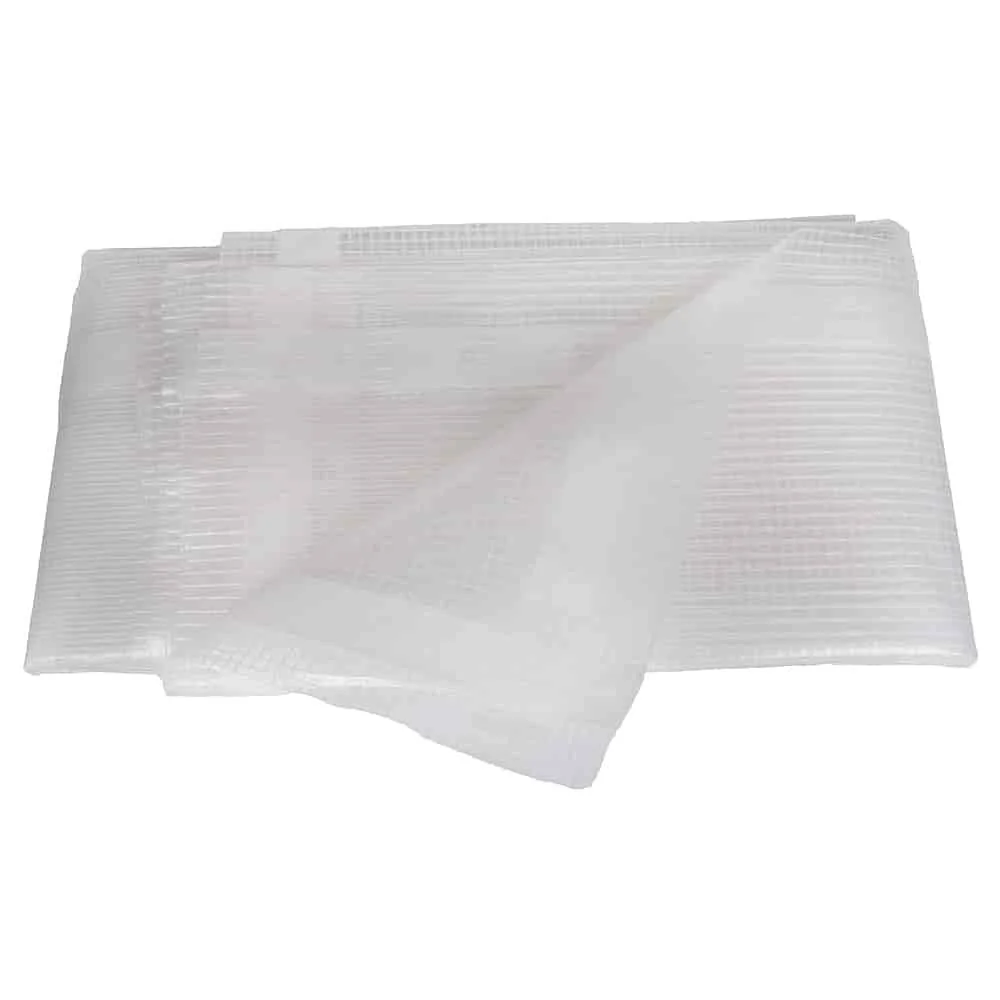
You can find these tarpaulins in our tarpaulins and nets category. There you will find the right cover for every application. A protected outdoor area requires less maintenance and repair work in spring.
How can I measure the success of my measures?
The simplest indicator is your heating bill. Compare your consumption for the coming year with the previous year. Take the weather into account. A harsh winter will naturally result in higher consumption.
You can measure more directly with a room thermometer. Note the temperature at your usual seat before and after using the ceiling fan. You will notice an increase in both the perceived and measured temperature, even though the heating is working less.
Observe how your heating system behaves. Does it switch on less often to maintain the set temperature? This is a clear sign of improved energy efficiency. The intervals between heating cycles become longer. That directly reduces your heating costs.
Also check your electricity meter. The fan's additional consumption should be minimal. A modern appliance on its lowest setting uses barely more electricity than an energy-saving light bulb. The benefits clearly outweigh the costs.
A long-term perspective for your home
Optimising heat distribution is a lasting investment. It gives you a better understanding of the indoor climate in your home. You can also apply this knowledge to other areas, such as ventilation and cooling your home in summer.
Many energy-efficiency measures are small and inexpensive. Together, they add up to noticeable savings. Start with the ceiling fan and bleeding the radiators. Then implement further measures, such as sealing windows or installing roller shutters.
In our shop, you will find many products to help make your home more efficient and comfortable. From the right tarpaulin for protecting your garden to tools for small repairs.
Saving on heating costs does not mean giving up comfort. It means heating more intelligently. Use the laws of physics to your advantage. A ceiling fan in winter is a simple and effective place to start.
Frequently Asked Questions
- How does heating with a ceiling fan work?
- In winter, set your ceiling fan to rotate clockwise. At a low speed, the fan draws warm air down from the ceiling and gently pushes it towards the walls. This airflow distributes the heat evenly throughout the room without creating an uncomfortable draught. The temperature at floor level rises noticeably.
- Which way should a ceiling fan turn to heat a room?
- To heat a room, set the fan to rotate clockwise. Most models have a small switch on the motor. Viewed from below, make sure the blades are turning to the right. Use the lowest or second-lowest speed setting. Counterclockwise rotation, on the other hand, is intended for cooling in summer.
- How much can I save on heating costs with a ceiling fan?
- The savings depend on the room height, heating system and how you use the fan. Efficiency can increase significantly in rooms with ceilings higher than 2.60 metres. Experts estimate savings of between 5 and 10 percent on the heating costs for the room in question. The key is being able to lower the room temperature by 1–2 degrees without feeling cold.
- Can I use any ceiling fan for heating?
- Yes, in principle, any ceiling fan with a reversible rotation direction is suitable. Check whether your model has a direction switch. Older or very basic fans without this feature are only suitable for cooling. Modern fans usually have this function as standard, often with remote control operation.
- Does a ceiling fan need to run continuously in winter?
- No, continuous operation is not necessary and only increases electricity consumption. Turn the fan on while the heating is running and the room is being heated. Once the heat has been distributed, you can switch it off. In well-insulated rooms, a few hours a day is often enough to maintain the effect.
You might also be interested in
- Save on heating in winter: Heat efficiently without feeling cold
- Reduce CO2 emissions from heating: Tips for greater efficiency
- Understanding heating costs: The heating cost guide for efficient heating
- Set your heating flow temperature correctly: How to save energy
- Reduce heating costs: Effective overnight temperature reduction
- Convector heater: Heat efficiently and save money