
In brief: Second-hand furniture is a sustainable and cost-effective alternative to buying new. It saves resources, gives rooms individual character and often offers higher quality. Through upcycling, you can transform old pieces into personal design objects that perfectly match your style and tell a unique story.
Mass-produced furniture fills rooms, but furniture with a history gives them soul. Second-hand furniture is more than just a budget-friendly alternative. It is a statement about sustainability, a commitment to individuality and an invitation to get creative yourself. Discover how vintage finds and targeted furniture upcycling can make your home unique and environmentally conscious.
Why is second-hand furniture a smart choice?
Choosing used furniture is a decision that pays off on many levels. It not only eases the pressure on your wallet but also benefits the environment and brings unmistakable character to your home that you cannot buy in any furniture shop.
Sustainability and saving resources
Every new piece of furniture uses valuable resources: wood, water and energy for production and transport. When you buy a used piece of furniture, you give it a second life and prevent it from ending up in landfill. You help break the cycle of mass production and make an active contribution to protecting the environment. Less waste, fewer CO₂ emissions and more responsibility.
Individuality and character
Second-hand furniture tells stories. A chest of drawers from the 50s, a solid oak table from a farmhouse or an armchair with its original 70s fabric upholstery – these pieces are one of a kind. They have signs of use and a patina that reflects a life well lived. With furniture like this, you can create a home that reflects your personality and stands apart from standardised interiors.
Cost savings and high quality
You can often find used solid-wood furniture with a level of quality that would be unaffordable when bought new. Traditional craftsmanship often means durable joints, robust materials and solid construction. You are investing in a piece of furniture that can last for generations, and at a fraction of the original price. You can put the money you save directly towards restoring and upgrading it.
The great thing about vintage furniture is that it has a story. It brings a warmth and character to a room that new pieces simply cannot match.
Where can you find the best vintage furniture?
The search for the perfect piece is part of the adventure. With an open mind and a little patience, you can find true treasures in all sorts of places. It is worth using several sources and browsing regularly.
Online marketplaces and classified ads
Platforms such as eBay Kleinanzeigen are a goldmine for used furniture. You can find everything from a simple shelving unit to a complete living-room suite, often right in your local area. The advantage is that you can negotiate directly with sellers and inspect the furniture before buying. Search specifically for terms such as “solid wood”, “vintage” or “retro”.
Flea markets and house clearances
A classic choice for treasure hunters. Flea markets have a special atmosphere. You can handle the furniture, check its quality and often find a real bargain. Look in local newspapers or online listings for house-clearance dates. Entire home furnishings are often sold there at very fair prices.
Charity shops and vintage stores
Charity shops such as those run by Caritas or Diakonie offer well-preserved donated furniture at affordable prices. Every purchase also supports a good cause. In traditional second-hand shops and antique stores, you can often find curated pieces that have already been preselected. The quality is often higher here, but so is the price.
Additional advice
Always take a tape measure with you when searching. This lets you check on the spot whether the piece you have found will really fit in the intended room. A photo of the room on your phone can also help you visualise it.
How can you recognise the potential of an old piece of furniture?
Not every old piece of furniture is a hidden treasure. With a trained eye, you can learn to separate the wheat from the chaff. Focus on the underlying substance, not the surface. Scratches and outdated colours are not obstacles but an invitation to upcycle.
Pay attention to the material
Solid wood is the champion among materials. It is durable, robust and excellent to work with. Tap the wood. Does it sound full and solid? Lift one corner. Is the piece of furniture heavy? These are good signs. Veneered chipboard is more difficult to restore and less durable.
Check the stability and construction
Does the chair wobble? Are the cupboard doors hanging unevenly? Do the drawers open and close smoothly? Check the joints. Mortise-and-tenon or dowelled joints are signs of quality. Minor wobbles can often be fixed with glue and screws, but a fundamentally unstable construction means a lot of work.
Important note
Inspect the furniture thoroughly for small holes from which fine wood dust is trickling. This is a clear sign of an active woodworm infestation. You should only buy such furniture if you are prepared to carry out extensive pest treatment.
Furniture upcycling: How can you give old pieces a new lease of life?
Now the creative part begins. With just a few materials, you can transform an unremarkable flea-market find into a designer piece. Proper preparation is the key to success. Protect your hands during all work with sturdy work gloves.
Proper preparation is everything
1. Thorough cleaning: First remove dust, dirt and cobwebs from the furniture. Mild soapy water and a sponge can often work wonders. For grease stains, use a degreaser or methylated spirits.
2. Sanding: Sand away old layers of paint and scratches. Start with coarse sandpaper (e.g. 80-grit) and work your way up to a finer grit (e.g. 180-grit). This gives you a smooth surface to which the new paint will adhere properly.
3. Priming: Primer ensures that the wood absorbs paint evenly and prevents dark substances in the wood from showing through light-coloured paint. For most projects, this step is essential.
You can find the right tools for all these steps at Westfalia.
Creative techniques for a new design
There are no limits to your imagination. A fresh coat of paint is the easiest way to transform a piece. Chalk paint creates a matt vintage look, while acrylic paint provides a tough, smooth finish. Replace old handles and knobs with new ones – a small amount of effort with a big impact. You can add further accents with stencils, adhesive film or napkin decoupage.
Pro tip
For the popular “shabby chic” look, apply two different layers of paint. Once dry, lightly sand the top layer along the edges and corners so that the lower colour shows through again. This creates an authentic, aged appearance.
DIY Project: Build Furniture from Pallets
Upcycling is not just about giving old items a new lease of life—it also means creating something completely new from used materials. Euro pallets are the perfect starting point: affordable, extremely sturdy and versatile. With a little work, a simple Used Pallet, Euro Pallet, Grade B Second Hand Pallet can become a unique piece of furniture.
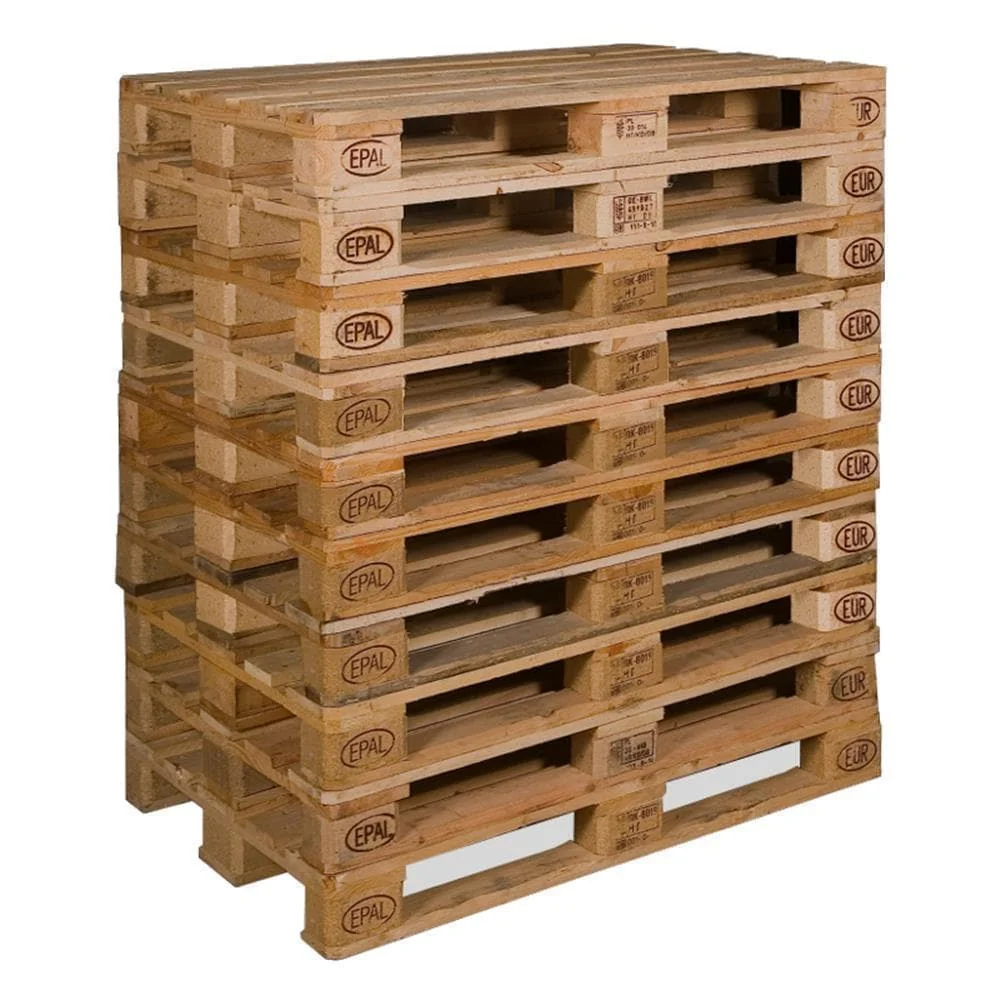
From Means of Transport to Design Feature
Pallet furniture is perfect for a rustic industrial look or a cosy country style. You can use pallets to build tables, benches, beds, shelving or even a complete garden lounge. Preparation is important: protect yourself from splinters with 10 Pairs of Assembly Gloves Size 6.

How to build a simple pallet coffee table:
1. Clean: Scrub the pallet thoroughly with water and a brush, then allow it to dry completely.
2. Sand: Carefully sand all surfaces, edges and corners until the wood is smooth. Nobody wants to get a splinter. Start with coarse sandpaper and finish with fine sandpaper.
3. Treat: Apply wood stain, varnish or paint to protect the wood and give it the look you want. For outdoor use, a weather-resistant wood stain is essential.
4. Fit castors: Screw sturdy furniture castors to the four corners on the underside. This makes your table mobile. You can find suitable castors in our Furniture Castors category.
Optionally, you can place a made-to-measure glass top on the surface to create an even worktop.
The best way to predict the future is to create it yourself. This applies to our lives just as much as it does to the things we surround ourselves with.
How do you care for your upcycled furniture properly?
Proper care is essential if you want to enjoy your new old treasures for a long time. It protects the material and preserves the beauty of your work.
Regular Cleaning
Dust is the enemy of every beautiful surface. Wipe your furniture regularly with a soft, dry or slightly damp cloth. Avoid harsh cleaning products that could damage varnish or wood. For heavier dirt, a mild washing-up liquid diluted in water is usually sufficient.
Protection from Sunlight and Moisture
Direct sunlight can fade wood and make varnishes brittle. Do not place delicate pieces directly next to a window. High humidity can cause wood to swell. Maintain a consistent indoor climate. The best way to protect your upcycled garden furniture is with a suitable garden furniture cover.
Re-Treating Surfaces
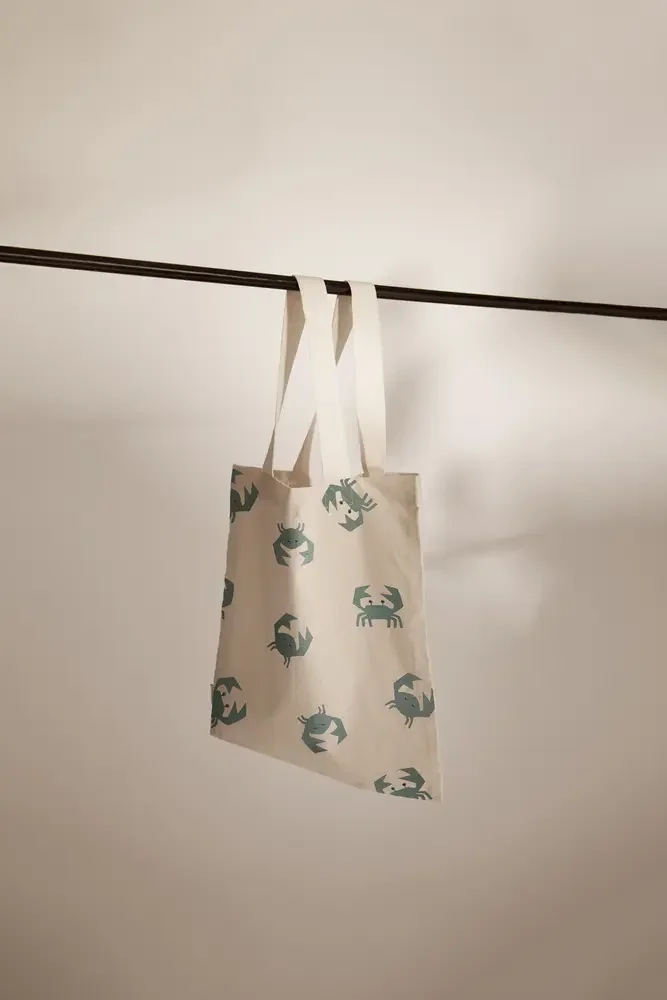
Oiled or waxed wooden surfaces should be re-treated once or twice a year. Apply a thin layer of suitable furniture oil or wax with a soft cloth and polish it after the recommended application time. This nourishes the wood and refreshes the protective coating. For transporting your finds, you may find a practical Liewood Organic Cotton Tote Bag for small parts and tools.
The journey towards sustainable, individual interior design is a rewarding one. It protects the environment, saves money and fills your home with furniture that tells a story—your story.
Frequently asked questions
- What is the difference between vintage and antique?
- Vintage typically refers to objects that are between 20 and 100 years old and represent a particular style from their era. Antique pieces, on the other hand, are by definition at least 100 years old. Both categories offer unique finds for your home, but they differ in age and often in price.
- How can I tell if old furniture has woodworm?
- Look for small, round holes in the surface of the wood, approximately 1-2 mm in size. An active infestation is indicated by fine wood dust (frass) trickling from the holes. Tap the piece of furniture. If dust falls out, the pest is probably still active, so caution is advised.
- Which paint is best for upcycling furniture?
- Chalk paint is very popular with DIY enthusiasts because it adheres to most surfaces without extensive sanding or priming and creates a matt finish. Acrylic paints are also well suited, as they are hard-wearing, water-based and available in countless shades. Choose the paint according to the look you want and how much wear the furniture will be subjected to.
- Do I always need to sand old furniture before painting?
- Not always, but it is usually advisable. Sanding roughens the surface and helps the new paint adhere better. It is essential for smooth, painted surfaces. With open-pored wood or when using chalk paint, you can often avoid sanding the entire surface.
- How can I remove unpleasant smells from old furniture?
- Coffee grounds or vinegar are tried-and-tested home remedies. Place a bowl of freshly ground coffee or vinegar inside the closed piece of furniture for a few days. Thorough cleaning with a mild soapy solution followed by airing it outdoors can also help neutralise musty smells.
You may also be interested in
- Old furniture, new lease of life: Your guide to upcycling
- Upcycling for your home and garden: Sustainable DIY projects
- Sustainable home furnishings: Durable furniture for eco-friendly living
- Make sustainable Christmas decorations: Upcycling ideas for the festive season
- Build your own DIY furniture: Creative ideas for your home
- Build a sustainable raised bed: Eco-friendly gardening