
In brief: Secondhand furniture is a sustainable, budget-friendly alternative to buying new. It saves resources, gives rooms a distinctive character and often offers better quality. With upcycling, you can transform old pieces into one-of-a-kind designs that suit your style and tell a story.
Mass-produced furniture fills rooms, but pieces with a history give them soul. Secondhand furniture is more than a budget-friendly alternative. It is a statement about sustainability, a way to express your individuality and an invitation to get creative. Discover how vintage finds and thoughtful furniture upcycling can make your home unique and more eco-friendly.
Why is secondhand furniture a smart choice?
Choosing used furniture pays off in many ways. It can save you money, benefit the environment and bring your home a distinctive character you won't find in a typical furniture store.
Sustainability and saving resources
Every new piece of furniture uses valuable resources, including wood, water and energy for manufacturing and shipping. When you buy used furniture, you give it a second life and keep it out of a landfill. You help reduce mass production and do your part to protect the environment. That means less waste, fewer CO₂ emissions and a more responsible choice.
Individuality and character
Secondhand furniture tells a story. A chest of drawers from the 1950s, a solid oak farmhouse table or an armchair still covered in its original 1970s fabric—each piece is unique. Signs of use and a well-earned patina give it character. Furniture like this can help you create a home that reflects your personality and stands out from cookie-cutter interiors.
Cost savings and high quality
You can often find used solid wood furniture with a level of craftsmanship that would cost a lot more new. Traditional construction can mean durable joints, sturdy materials and a solid build. You can invest in a piece that may last for generations at a fraction of its original price. Put the money you save toward restoring and updating it.
The great thing about vintage furniture is that it has a story. It brings a warmth and character to a room that new pieces simply cannot match.
Where can you find the best vintage furniture?
Finding the right piece is part of the adventure. With an open mind and a little patience, you can uncover treasures in all kinds of places. Try several sources and check back often.
Online marketplaces and classified ads
Online marketplaces and local classifieds are a goldmine for used furniture. You can find everything from a simple bookcase to a complete living room set, often nearby. You can contact sellers directly and inspect pieces before you buy. Search for terms such as “solid wood,” “vintage” or “retro.”
Flea markets and estate sales
Flea markets are a classic destination for treasure hunters, with a special atmosphere all their own. You can handle the furniture, check its quality and often find a real bargain. Look in local newspapers or online listings for estate sale dates. You may find entire households of furniture at very reasonable prices.
Thrift stores and vintage shops
Thrift stores and nonprofit shops often sell donated furniture in good condition at affordable prices. Every purchase can also support a good cause. In secondhand and antique stores, you can often find carefully selected pieces. The quality may be higher, but so may the price.
Additional advice
Always bring a tape measure when you go shopping. You can check right away whether a piece will fit in the room you have in mind. A photo of the room on your phone can also help you picture how it will look.
How can you spot the potential in an old piece of furniture?
Not every old piece of furniture is a hidden treasure. With a little practice, you can learn to spot the difference. Focus on the underlying condition, not the surface. Scratches and outdated colors aren't dealbreakers—they're an invitation to upcycle.
Pay attention to the material
Solid wood is one of the best materials for furniture. It's durable, sturdy and easy to work with. Tap the wood. Does it sound solid? Lift one corner. Is the piece heavy? Those are good signs. Veneered particleboard is harder to restore and usually less durable.
Check the stability and construction
Does the chair wobble? Are the cabinet doors uneven? Do the drawers open and close smoothly? Check the joints. Mortise-and-tenon or dowel joints are signs of good construction. You can often fix a little wobble with glue and screws, but a piece with an unstable frame may take a lot of work.
Important note
Look closely for small holes with fine wood dust trickling out. This is a clear sign of an active woodworm infestation. Only buy infested furniture if you're prepared to carry out extensive pest treatment.
Furniture upcycling: How can you give old pieces a new lease on life?
Now the creative part begins. With just a few supplies, you can turn an ordinary flea market find into a designer piece. Good preparation is the key to success. Protect your hands with sturdy work gloves whenever you work.
Proper preparation is everything
1. Thorough cleaning: First, remove dust, dirt and cobwebs from the furniture. Mild soapy water and a sponge can work wonders. For grease stains, use a degreaser or denatured alcohol.
2. Sanding: Sand away old paint and scratches. Start with coarse sandpaper (e.g. 80-grit) and work your way up to a finer grit (e.g. 180-grit). This gives you a smooth surface that will hold the new paint.
3. Priming: Primer helps the wood absorb paint evenly and keeps dark substances in the wood from showing through light-colored paint. It's an essential step for most projects.
Find the right tools for every step at Westfalia.
Creative techniques for a new design
Let your imagination run wild. A fresh coat of paint is the easiest way to transform a piece. Chalk paint creates a matte vintage look, while acrylic paint gives you a durable, smooth finish. Swap old handles and knobs for new ones—a small change with a big impact. Add more accents with stencils, adhesive film or napkin decoupage.
Pro tip
For the popular “shabby chic” look, apply two coats of paint in different colors. Once the top coat is dry, lightly sand the edges and corners to reveal the color underneath. This creates an authentic, aged look.
DIY Project: Build Furniture from Pallets
Upcycling isn’t just about giving old items a new lease on life—it’s also a way to create something entirely new from used materials. Euro pallets are a great place to start: they’re affordable, sturdy and versatile. With a little work, a simple Used Pallet, Euro Pallet, Grade B Second Hand Pallet can become a one-of-a-kind piece of furniture.
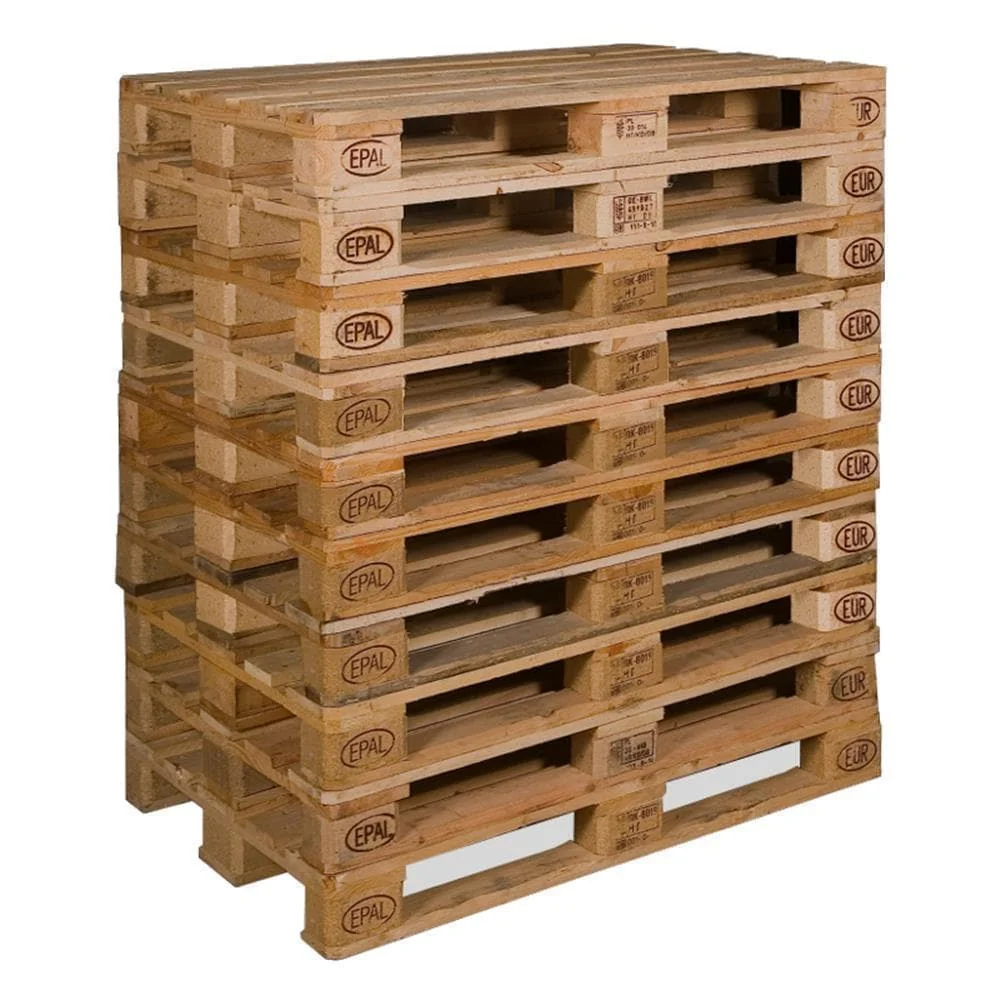
From Shipping Pallet to Design Feature
Pallet furniture is ideal for a rustic industrial look or a cozy country style. You can use pallets to build tables, benches, beds, shelves or even a complete outdoor lounge. Preparation is key: protect yourself from splinters with 10 Pairs of Assembly Gloves Size 6.

How to build a simple pallet coffee table:
1. Clean: Scrub the pallet thoroughly with water and a brush, then let it dry completely.
2. Sand: Carefully sand all surfaces, edges and corners until the wood is smooth. Nobody wants a splinter. Start with coarse sandpaper and finish with fine sandpaper.
3. Protect: Apply wood stain, varnish or paint to protect the wood and achieve the look you want. For outdoor use, choose a weather-resistant wood stain.
4. Attach casters: Screw sturdy furniture casters to the four corners on the underside. This makes your table easy to move. Find suitable casters in our Furniture Casters category.
You can also add a custom-cut glass top to create a smooth work surface.
The best way to predict the future is to create it yourself. This applies to our lives just as much as it does to the things we surround ourselves with.
How do you care for upcycled furniture?
Proper care helps you enjoy your one-of-a-kind finds for years to come. It protects the materials and preserves the beauty of your work.
Regular Cleaning
Dust can dull even the most beautiful surfaces. Wipe your furniture regularly with a soft, dry or slightly damp cloth. Avoid harsh cleaners that could damage the finish or wood. For tougher grime, mild dish soap diluted in water is usually enough.
Protection from Sunlight and Moisture
Direct sunlight can fade wood and make varnish brittle. Avoid placing delicate pieces right next to a window. High humidity can cause wood to swell, so keep your indoor climate consistent. Protect upcycled outdoor furniture with a suitable patio furniture cover.
Re-Treating Surfaces
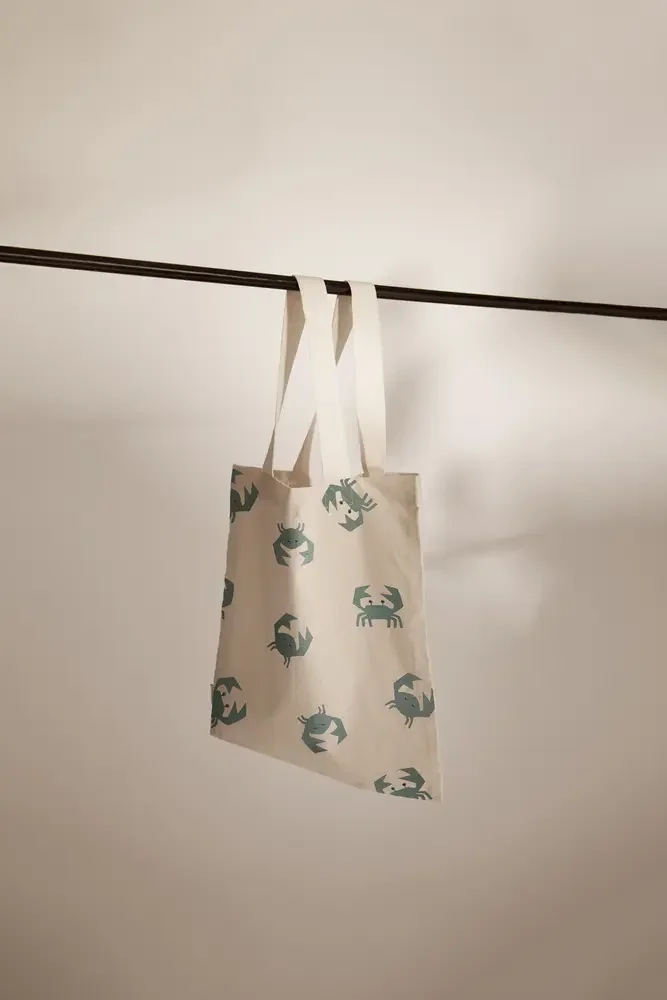
Re-treat oiled or waxed wood surfaces once or twice a year. Use a soft cloth to apply a thin layer of suitable furniture oil or wax, then polish after the recommended application time. This nourishes the wood and refreshes its protective coating. A practical Liewood Organic Cotton Tote Bag can also come in handy for carrying small parts and tools.
Creating a sustainable, one-of-a-kind home is a rewarding journey. It helps protect the environment, saves money and fills your home with furniture that tells a story—your story.
Frequently Asked Questions
- What’s the difference between vintage and antique furniture?
- Vintage usually describes items that are 20 to 100 years old and reflect a particular style from their era. Antique pieces, by definition, are at least 100 years old. Both categories offer unique finds for your home, but they differ in age and often in price.
- How can I tell if old furniture has woodworm?
- Look for small, round holes in the wood, about 1-2 mm across. Fine wood dust (frass) falling from the holes can indicate an active infestation. Tap the furniture and check for dust. If any falls out, the pests may still be active, so take care.
- What’s the best paint for upcycling furniture?
- Chalk paint is popular with DIYers because it adheres to most surfaces without extensive sanding or priming and leaves a matte finish. Acrylic paint is another good option: it’s durable, water-based and available in countless colors. Choose paint based on the look you want and how much wear the furniture will get.
- Do I need to sand old furniture before painting it?
- Not always, but it’s usually a good idea. Sanding roughens the surface and helps the new paint adhere. It’s essential for smooth, previously painted surfaces. With open-grain wood or chalk paint, you can often skip sanding the entire surface.
- How can I get rid of musty smells in old furniture?
- Coffee grounds and vinegar are tried-and-tested home remedies. Leave a bowl of fresh coffee grounds or vinegar inside the closed piece of furniture for a few days. A thorough clean with mild soapy water, followed by airing it outdoors, can also help neutralize musty smells.
You may also be interested in
- Old Furniture, New Lease on Life: Your Guide to Upcycling
- Upcycling for Your Home and Garden: Sustainable DIY Projects
- Sustainable Home Furnishings: Durable Furniture for Eco-Friendly Living
- Make Sustainable Christmas Decorations: Upcycling Ideas for the Holiday Season
- Build Your Own Furniture: Creative DIY Ideas for Your Home
- Build a Sustainable Raised Garden Bed: Eco-Friendly Gardening