
In brief: The best security system depends on what you need to protect. At home, a connected alarm system and smoke alarms such as PRODUCT_106917 are essential. When camping, products such as PRODUCT_118836 can help deter theft. For travel, a GPS tracker such as PRODUCT_103660 lets you track your belongings. Key safes such as PRODUCT_107576 help secure access points. Our comparison helps you find the right combination.
Security needs cover a lot of ground. You may want to protect your home and valuables, stay safe in the Camping Outdoor sector, or manage access to important keys. In 2026, a wide range of advanced security systems can help. This comparison will help you find the best options for your needs. We look at different product categories and offer practical buying advice, without focusing on price.
What makes a good security system in 2026?
A modern security system is more than just an alarm. It is a reliable solution designed around your lifestyle. Key features have continued to improve in recent years.
Reliability comes first. Your system must work when an emergency happens. Certifications such as VDS for smoke alarms and DIN EN50291 for CO detectors are important indicators of quality.
Long battery life is another important consideration. Batteries that last ten years or rechargeable batteries reduce maintenance and help prevent a detector from failing when its battery runs out.
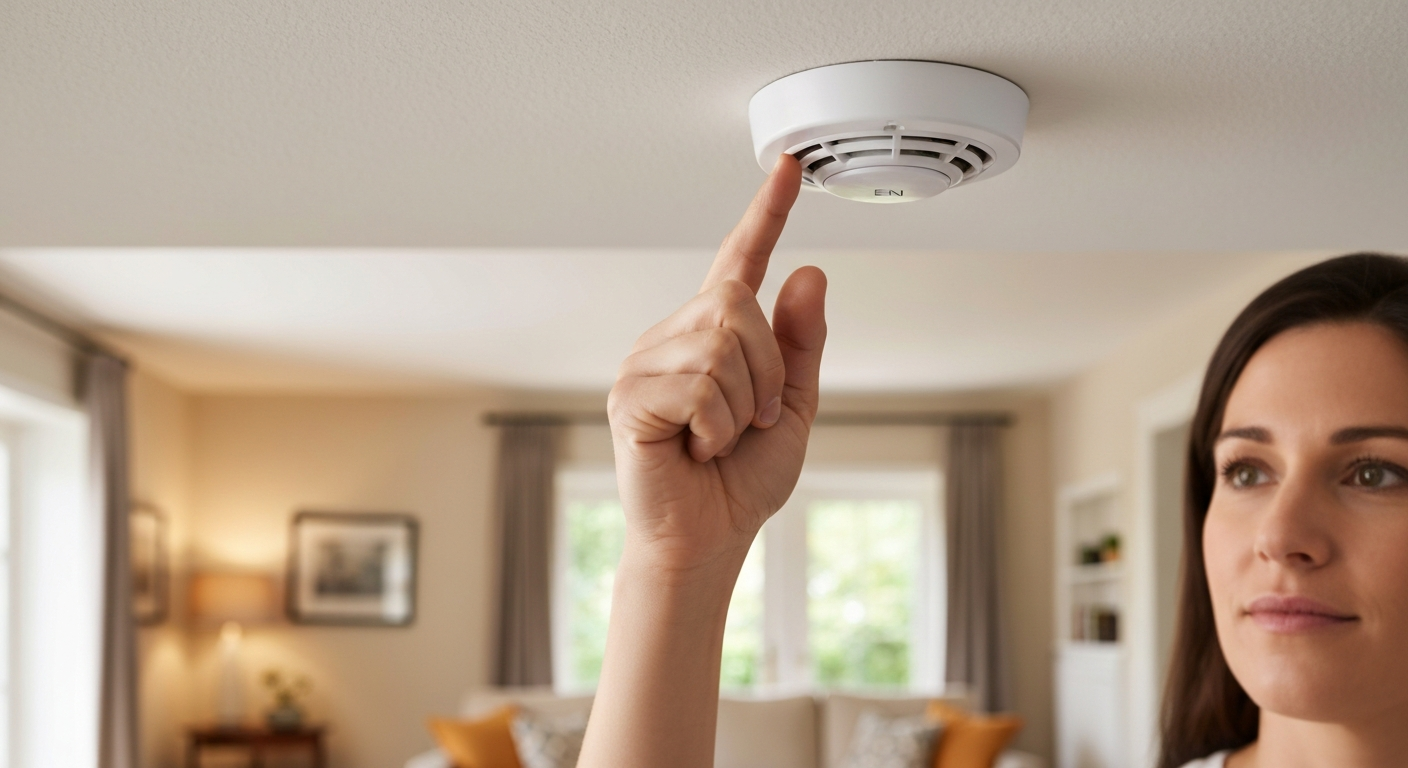
Easy installation matters, too. Many products use magnetic mounts or plug-in designs, making it easier to protect your walls and move or remove devices without leaving residue.
Flexibility is another key feature. Start with the essentials and add products as needed. A modular system can grow with your needs.
Tip: Build your security plan one step at a time. Start with the most important item, such as a smoke alarm in the bedroom. Then add protection in other rooms and areas where risks are higher.
Which security systems do I need for my home?
Protecting a house or apartment means combining hazard detectors with access control. Ideally, these systems work together.
Detecting fire and gas hazards
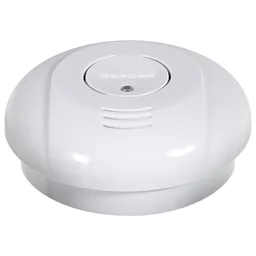
Smoke alarms are the foundation of any home security system. A provides reliable, long-lasting protection with its 10-year battery and VDS approval. The magnetic mount makes installation and maintenance easier.
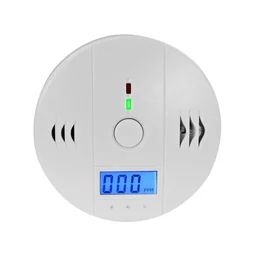
Carbon monoxide is a silent killer. A detector such as the gives you an early warning of dangerous gas levels with its loud 85 dB alarm. Place it near a gas boiler or fireplace.
Secure access points and valuables
A key safe helps protect your keys from theft and unauthorized use. It also keeps them organized and easy to find.
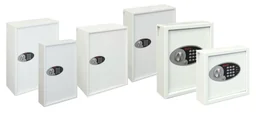
For a large household or business, the holds up to 144 keys and is a solid choice. Electronic access control logs activity and lets you assign individual codes.
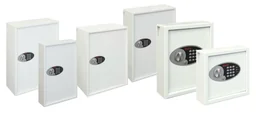
For typical home use, a more compact model such as the for 30 keys is often enough. Choose a size that suits your current needs and leaves room for future additions.
Warning: Test your smoke and CO detectors regularly using the test button. A working detector with a low battery will sound an alert. Don't ignore the warning; replace the device or battery right away.
How can I best protect my RV or trailer?
Vehicles and trailers in the RV and motorhome sector are popular targets for theft. Protecting them requires special, portable security systems.
Prevent the entire vehicle from being stolen
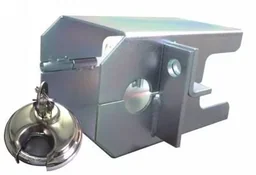
The simplest and most effective method is a physical lock. A robust trailer hitch lock such as the makes it impossible to tow away. Look for solid construction and a high-quality locking mechanism.
Tracking the vehicle if it is stolen
If a theft does occur, a hidden GPS tracker is your last line of defense. A product such as the transmits its location in real time, helping you guide the police straight to it.
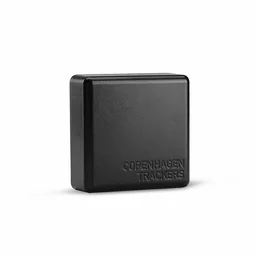
Choose a tracker with long battery life and a motion alarm. The alarm will alert you immediately if your vehicle is moved without authorization.
Note: Always combine mechanical and electronic protection. The hitch lock is a visible deterrent, while the concealed GPS tracker is your backup. This two-part strategy is highly effective.
How do I choose the right key cabinet?
Key cabinets aren't just for businesses. Private households often accumulate keys for the house, garage, basement, bicycles, and cupboards.
Determine the right size
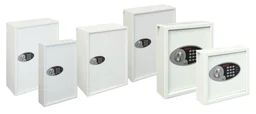
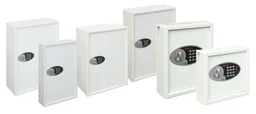
Count your current keys and allow room for more. The Cygnus series offers a wide range of capacities:
- : 30 keys (compact, for household use)
- : 48 keys (standard for families)
- : 144 keys (for larger households or businesses)
- : 300 keys (professional capacity)
Features for convenience and security
An electronic combination lock offers several advantages. You can manage up to 20 individual user codes, quickly delete codes if they're lost, and review an event log. The panic alarm function on some models is another useful feature.
Construction matters. Look for a sturdy steel cabinet and a reliable way to anchor it. The cabinet should be securely fastened to the wall or floor.
How do I build a scalable security system?
A rigid system often isn't ideal. Your life and possessions change, and your security system should be able to grow with them.
Start with the basics
Begin with protection against immediate hazards. Install smoke alarms in all bedrooms and living areas, along with a CO alarm near fuel-burning appliances. This is the bare minimum.
Expand as needed
Then add protection based on your priorities:
- Access security: A key cabinet helps keep keys organized and access under control.
- Asset security: Add physical locks and GPS trackers for RVs, bicycles, or motorcycles.
- Alarm systems: Consider a connected alarm system with window and door sensors as your next upgrade.
Integration and maintenance
Keep a list of all installed security systems, including the installation date and next maintenance appointment. Use the reminder functions on your devices or in your calendar. Regular function tests help keep your system ready to respond.
What are the most common mistakes when planning security?
Many vulnerabilities are caused by planning mistakes, not poor products.
The biggest mistake is focusing on just one threat. You install an expensive burglar alarm but forget the smoke alarms. A comprehensive approach is essential.
Detectors won't work effectively if they're placed incorrectly. Don't install smoke alarms in the kitchen above the stove or in dusty corners. CO alarms should be placed near breathing height, but not directly beside an appliance exhaust.
Neglecting maintenance can have serious consequences. Security technology isn't something you can install and forget. Dead batteries, dusty sensors, and outdated software can all lead to complete failure in an emergency.
Don't overlook the psychological effect of deterrence. A visible anti-theft device on an RV or a well-placed key cabinet sends a clear message: "This isn't worth the effort." That's effective protection.
Compare the most-reviewed security systems in our range:
| Model | Customer rating | Availability |
|---|---|---|
| 10-year smoke alarm with VdS approval and magnetic mounts, value pack | – | Currently unavailable |
| Trailer anti-theft device with lock | – | Currently unavailable |
| Carbon monoxide detector tested to DIN EN5029 with loud 85 dB alarm | – | Currently unavailable |
| Cobblestone GPS Tracker | – | Currently unavailable |
| Cygnus key cabinet with electronic lock for 144 keys, external dimensions 660 x 430 x 130 mm | – | Currently unavailable |
Conclusion: Your Personal Path to Greater Security
There is no single best security system for everyone. The ideal protection consists of modules that fit your lifestyle. Start with essential safety alarms such as the . Then secure your access points with a suitable key cabinet from the Cygnus range. For mobile valuables such as your RV, consider combining mechanical security () with electronic tracking () for two layers of protection.
Build your system gradually and thoughtfully. Check regularly that everything is working properly. This practical approach creates a reliable safety net that helps protect you and your property in 2026 and beyond. Your peace of mind is worth it.
Frequently Asked Questions
- What is the most important smoke alarm for your home?
- Smoke alarms are required by law and are essential for protecting lives. A quality product such as a 10-year smoke alarm with VdS certification provides long-term protection without the need to replace the battery. Combine it with a carbon monoxide detector for comprehensive hazard detection.
- How can I best secure my travel trailer?
- Use a robust anti-theft hitch lock, such as PRODUCT_118836. Add an interior alarm and a GPS tracker. This helps prevent your travel trailer from rolling away and protects it against theft.
- Do I need a key cabinet?
- A key cabinet is useful if you need to store a large number of keys in one place and protect them from unauthorized access. It helps prevent theft and keeps your keys organized. Choose a size that suits your needs, from 30 to more than 300 keys.
- How can a GPS tracker improve security?
- A GPS tracker such as PRODUCT_103660 can locate vehicles, trailers, or valuable items in real time. If something is stolen, you can track its location. Modern trackers also send alerts when they detect unauthorized movement and offer long battery life.
- Are security systems suitable for renters?
- Yes. Many systems, including smoke alarms, CO detectors, wireless alarm sirens, and key cabinets, are suitable for rental properties. They often only require batteries or a power outlet, can be installed without structural changes, and can be removed when you move out.