
In brief: In our 2026 test and comparison, the best sharpening stones differ mainly in grit, material and intended use. Robust medium-grit stones are suitable for garden tools, while finer, often water-based stones are better for kitchen knives. A universal sharpener can be a practical solution for different tools. Look for secure guidance and ergonomic handling.
A sharp blade is essential whether you are working in the garden, workshop or kitchen. Blunt tools are not only frustrating but also dangerous, as they require more force and are more likely to slip. The solution is a good sharpening stone. Our 2026 test and comparison will help you find the right model for your needs. We introduce different types, compare specific products and provide clear buying advice.
Table of contents
- What types of sharpening stones are available?
- What should you look for when buying one? The key buying criteria
- Test and comparison: Selected sharpening stones in detail
- Practical use: How to sharpen correctly
- Care and storage: How to keep your sharpening stone in top condition
- Alternatives to traditional sharpening stones
- Conclusion and recommendation
What types of sharpening stones are available?
Not every sharpening stone is suitable for every task. The materials differ considerably in hardness, speed and results.
Waterstones
Waterstones, often known as Japanese sharpening stones, are soft and cut quickly. They must be soaked in water before use. The water washes away sharpening residue and prevents the pores from clogging. They produce a very fine, sharp edge and are especially popular with kitchen knife enthusiasts. However, they wear down relatively quickly and occasionally need to be flattened.
Oil stones
Oil stones are traditional, often natural stones such as Arkansas stones. They are moistened with a light honing oil, which also serves as a lubricant and helps remove swarf. They work somewhat more slowly than waterstones, but are more precise and durable. They are a classic choice for tools such as chisels and plane blades.
Ceramic and diamond sharpening stones
These modern options are extremely hard and durable. Diamond sharpening plates consist of a steel plate coated with diamond particles. They work very aggressively, either dry or with water. Ceramic sharpening stones are also extremely hard and are ideal for fine honing and sharpening carbide tools. They hardly wear at all.
Tip: For beginners and general household and garden use, a combination stone with two grits, such as coarse and fine, is ideal. This gives you everything you need in one tool, from repairing nicks to fine honing. You can find a wide selection in our sharpening stones category.
What should you look for when buying one? The key buying criteria
Before choosing a model, you should consider the following points.
Grit: The most important feature
Grit indicates how coarse or fine the sharpening stone is. A low number, such as 200, indicates a coarse grit for removing material and repairing nicks. A high number, such as 3000 or 8000, indicates a fine stone that polishes the blade and creates a razor-sharp edge. For most tasks, a combination of medium grit, around 1000, and fine grit, around 3000, is ideal.
Material and durability
As described above, the material determines the results and service life. Ask yourself: Do I need a fast, soft stone, such as a waterstone, or a durable, hard stone, such as diamond or ceramic? For occasional sharpening of garden tools, synthetic combination stones are often the most practical choice.
Size and handling
The size of the stone affects comfort. A longer stone allows for more even sharpening strokes, especially on long blades such as kitchen knives. Look for an ergonomic and secure holder. A non-slip base is essential for good results and your safety.
Warning: Never sharpen without taking adequate safety precautions! Always use a stable, non-slip surface. Make sure your fingers do not enter the path of the blade. For heavy-duty work that produces a lot of metal filings, it is best to wear safety glasses.
Test & Comparison: Selected Sharpening Stones in Detail
In our hands-on review, we took a close look at various models. Here is a selection covering different applications.
The highest-rated sharpening stones in our range compared directly:
| Model | Customer rating | Availability |
|---|---|---|
| Sharpener for Garden Tools, 1 Piece 🏆 Test winner | ★ 5,0 (36) | In stock |
| Multi Sharpener for Scissors and Knives | ★ 4,7 (20) | In stock |
| Universal Sharpener, Axe and Knife Sharpener “ERGO” | ★ 4,8 (8) | In stock |
| Fritz Göbel Salt Lick Holder for 2 kg - Secure Mineral Access | – | Currently unavailable |
| Fritz Göbel Cylindrical White Replacement Sharpening Stones for Tool Sharpening | – | Currently unavailable |
For specific applications involving garden tools such as scissors, spades or knives, the has proven its worth. It is robustly constructed and designed for the typical types of steel used in garden tools.
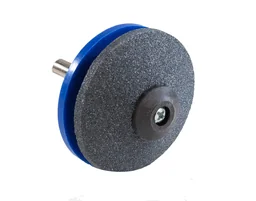
If you want to keep several types of tools in your household sharp, a offers a flexible solution. These multi-sharpeners often feature guide rails or adjustable angles that make getting started easier.
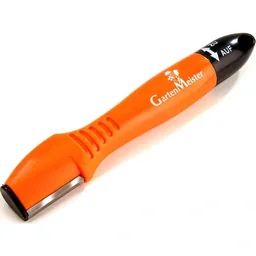
Ergonomics are particularly important when using the . An ergonomic design reduces fatigue during longer sharpening sessions and provides more precise blade control.

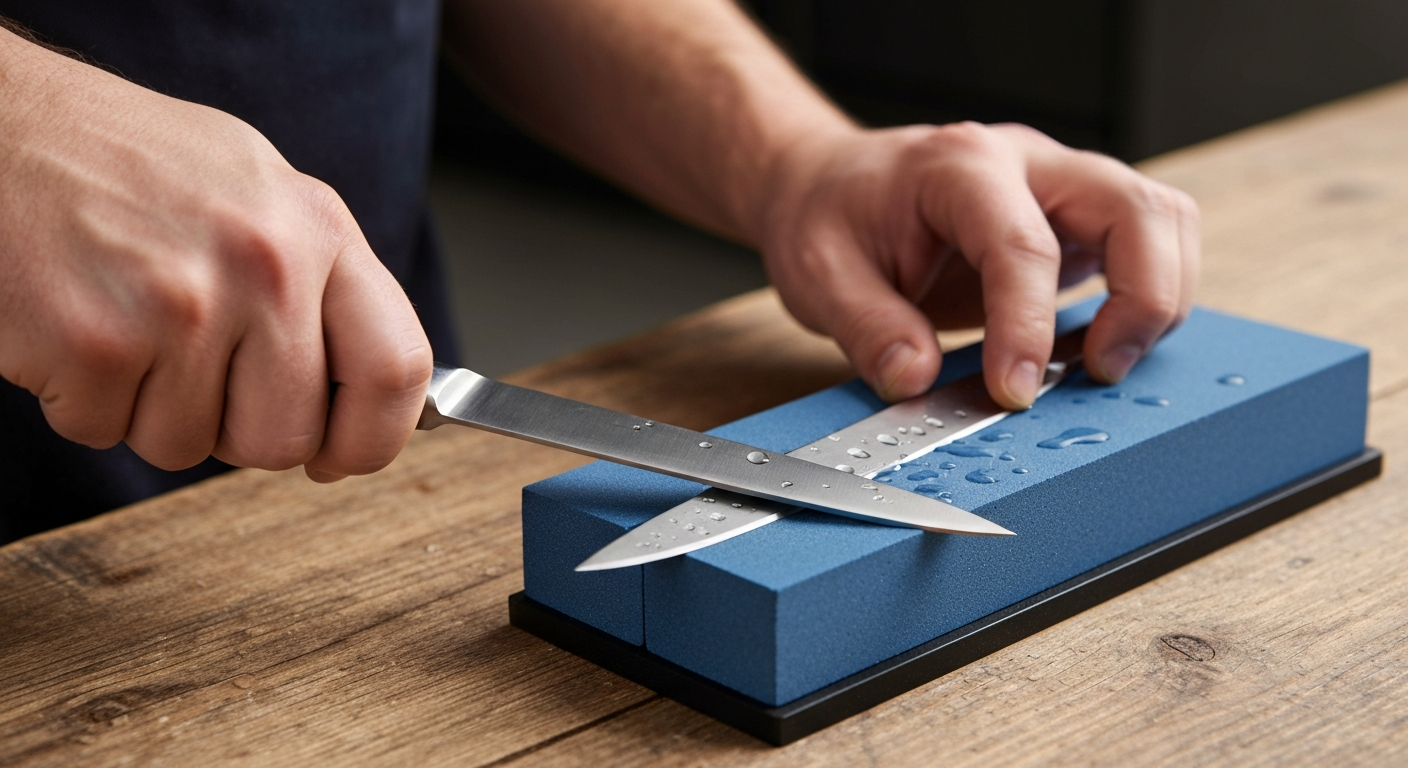
Note: The availability of replacement sharpening stones is often overlooked. Before buying, check whether suitable replacement stones or sharpening kits are available for your chosen model. This can significantly extend the life of your sharpening system. For inspiration, also browse our range of garden tools.
Practical Application: How to Sharpen Correctly
Finding and Maintaining the Right Angle
Maintaining a consistent sharpening angle is the key to success. For kitchen knives, 15-20 degrees per side is common, while robust garden tools typically require 25-30 degrees. If necessary, use an angle guide or practise keeping the angle steady by hand. Count the sharpening strokes on each side to achieve an even result.
The Right Technique
Apply even, light pressure. The stone should do the work, not your muscle power. Move the blade across the stone along the entire cutting edge, from heel to tip. Switch sides after a few strokes to create a symmetrical edge.
Care and Storage: How to Keep Your Sharpening Stone in Good Condition
Clean your stone thoroughly after each use with water (for water stones) or the recommended liquid. Allow water stones to air-dry, but do not leave them in direct sunlight or on a radiator, as this can cause cracks. Store them in a protective box. A clogged stone loses its sharpening power. Special cleaning or flattening stones are available for natural and synthetic stones.
Alternatives to the Classic Sharpening Stone
There are other methods besides using a manual sharpening stone. Honing steels are only suitable for realigning the edge. Electric sharpeners are very fast, but generate a lot of heat, which can temper the steel and reduce its hardness. They require plenty of practice. Sharpening kits with preset angles are very user-friendly and good for beginners, but often offer less flexibility.
Conclusion and Recommendation
Choosing the best sharpening stone depends largely on your tools and experience level. For general use with kitchen knives and occasional garden tools, a combination water stone or synthetic double-sided stone is an excellent choice. If durability and minimal maintenance are important to you, choose diamond or ceramic sharpening plates. The key is to choose a system you will actually use. A simple, handy sharpener kept within easy reach in a drawer is better than a professional stone gathering dust in a cupboard. Start with a moderate budget and build your experience. You can find more ideas for your garden in our extensive range.
Frequently asked questions
- What is the difference between a sharpening stone and a honing steel?
- A sharpening stone is made from abrasive material and actively removes metal to form a new edge. A honing steel simply realigns the existing, bent cutting edge (the burr) without removing material. Blunt blades always require a sharpening stone.
- How often should I sharpen my pruning shears?
- If you use your pruning shears regularly, sharpen them once or twice per season. A blunt tool requires more force, produces untidy cuts and can crush plants. Check the sharpness regularly.
- Can I use one sharpening stone for all my tools?
- That depends on the stone. Coarse, universal stones are suitable for garden tools such as axes or spades. Finer grits are required for high-quality kitchen knives. Specialised tools such as hook knives may require a specific sharpening aid.
- Do I need to soak a sharpening stone before use?
- That depends on the material. Japanese water stones usually need to be soaked for 5-15 minutes. Oil stones are moistened with honing oil. Ceramic or diamond sharpening plates are used dry or with water. Always follow the manufacturer's instructions.
- How can I tell when a sharpening stone is worn out?
- A worn sharpening stone has a deeply recessed, uneven surface. It no longer sharpens effectively or produces a consistent burr. Some stones can be flattened again with a flattening plate, while others need to be replaced.