
In brief: Turning over garden beds can help when you’re working with new, compacted or weed-infested soil. In established, healthy soil, regularly turning the earth usually does more harm than good. It disrupts natural soil layers, harms soil life such as earthworms and causes the soil to dry out. Instead, many gardeners use gentler methods, such as loosening the soil with a garden fork or following permaculture principles.
Should You Turn Over Garden Beds? Pros and Cons
Whether to pick up the shovel or leave it in the shed is a long-running debate among gardeners. Traditional methods versus modern ones, hard work versus careful cultivation. Here are clear guidelines for preparing garden soil.
Why did turning over soil become traditional?
Turning over soil has a long history in agriculture. It was originally used to make heavy, uncultivated soil suitable for planting. The idea was to bury deep-rooted weeds such as couch grass or ground elder so they would die.
At the same time, manure or compost was worked deep into the soil. Before modern garden tools were available, the shovel was an all-purpose tool. This method shaped generations of gardeners.
When is turning over soil useful or necessary?
In some situations, turning over the soil is still the best way to prepare a garden bed.
When starting a new garden
You’re clearing a meadow or working an area that has been left unused. The garden soil is compacted and full of deep-rooted weeds. In this case, turning over the soil gives you a good starting point. It loosens the subsoil and lets you remove stones and tangled roots.
Expert tip
When starting a new garden, lay out the bed shapes right away. Use sturdy garden bed edging such as
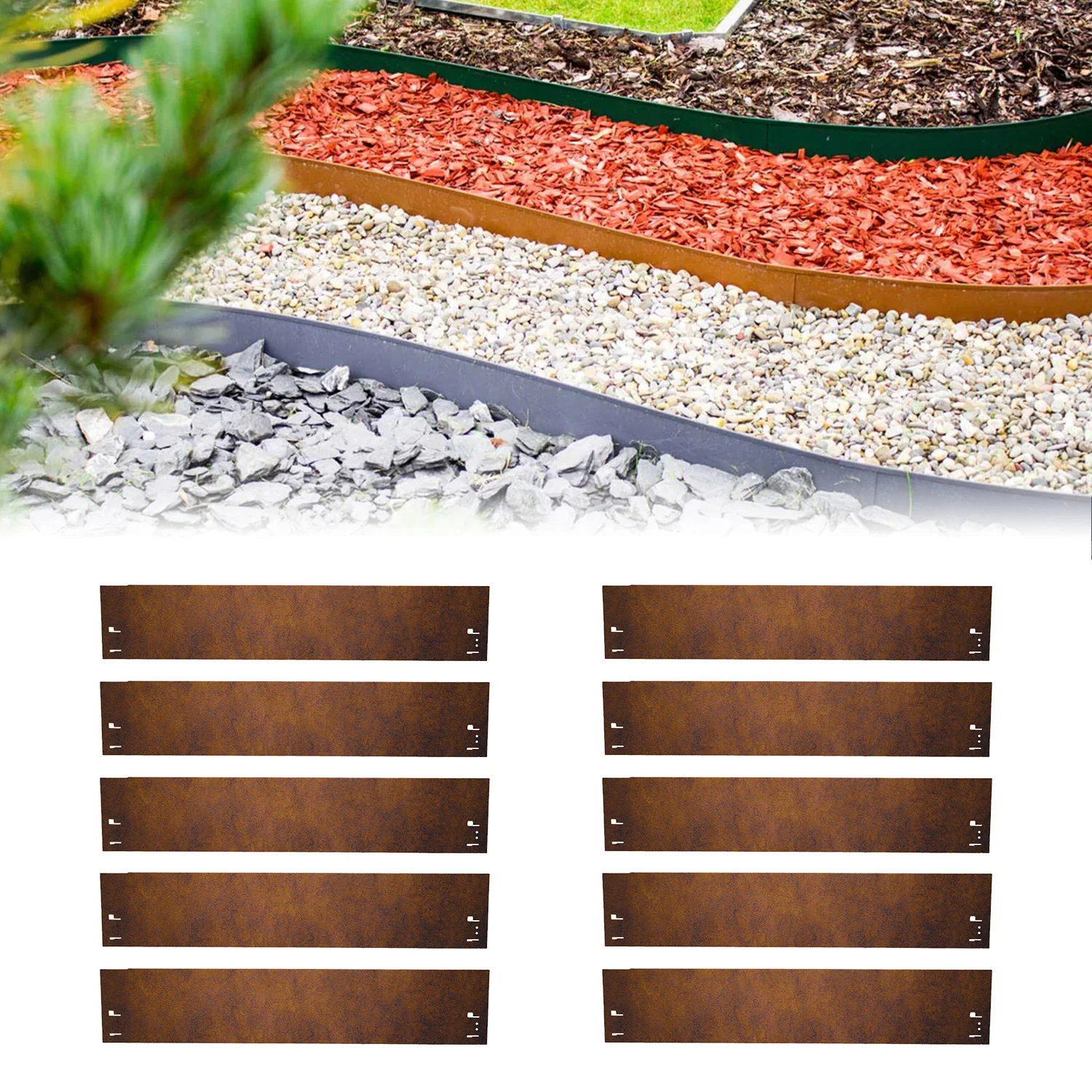
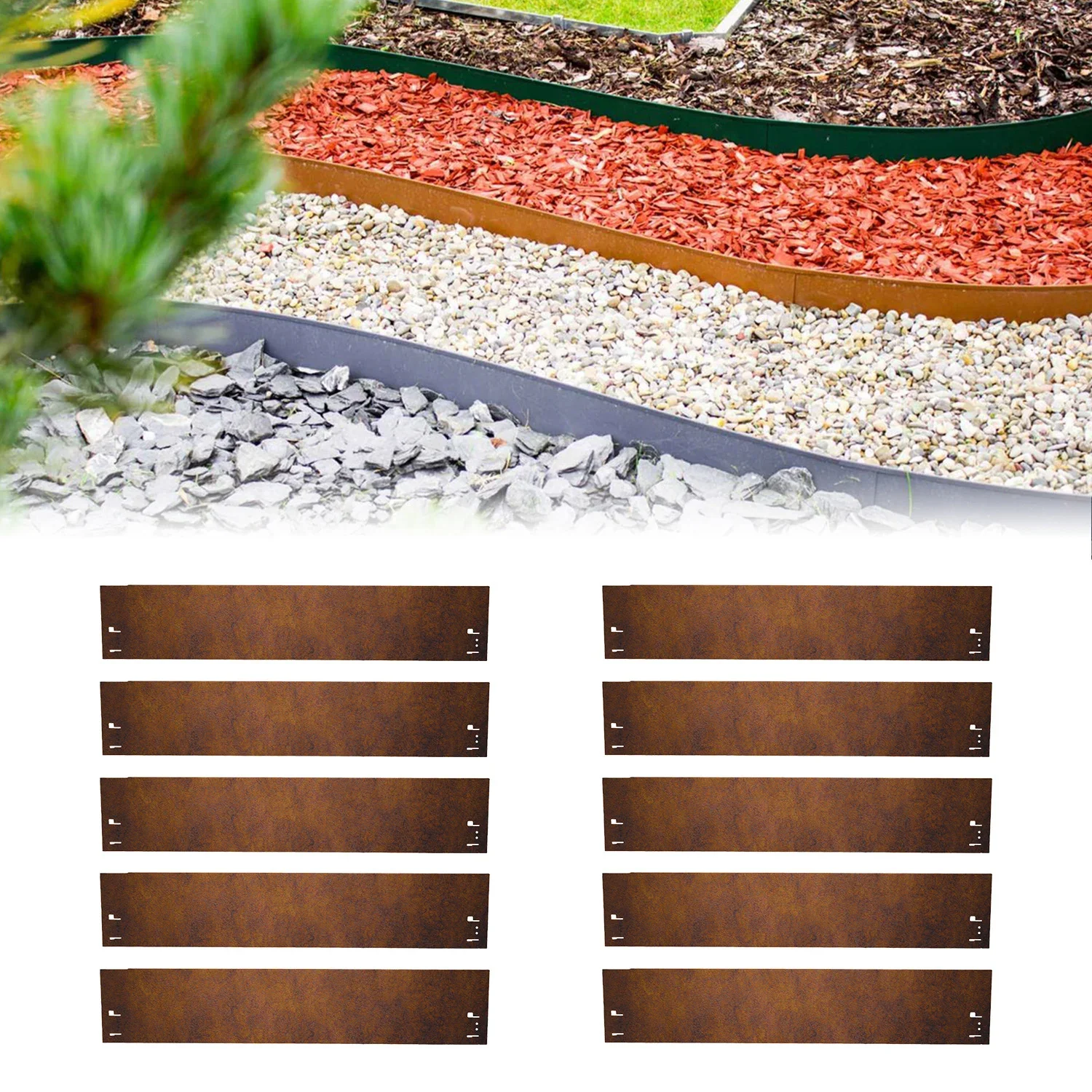
For heavily compacted or clay soil
When puddles remain after rain, the soil isn’t letting enough air through. Plant roots can suffocate. A one-time deep dig in the fall can break up compacted soil. Work in coarse sand or compost to improve the soil structure over time.
To control deep-rooted weeds
Careful digging can help control persistent weeds such as ground elder or horsetail. Dig out the entire root system and carefully sift the soil. It’s hard work, and you may need to repeat it.
Important note
Never turn over wet soil. Clumps stick together and dry into rock-hard lumps. Wait until the soil has dried out. It should be crumbly and break apart easily.
The downsides of turning over soil regularly
In a well-maintained garden, the drawbacks often outweigh the benefits. Regularly turning the soil can cause more problems than it solves.
Disrupting soil life
Healthy soil is a complex ecosystem. Earthworms, fungal networks and microorganisms live in distinct layers. Digging mixes those layers and disrupts the ecosystem. Organisms that need oxygen end up deep underground and die.
Soil life builds humus and makes nutrients available to plants. Turning over the soil can set this system back for months. It’s like tearing your house down to the foundation and rebuilding it every year.
Bringing weed seeds to the surface
Many weed seeds can survive for years in the soil’s seed bank. Turning over the soil brings them into the light and can trigger germination. Working the soil can accidentally sow your next crop of weeds.
Faster drying and humus loss
Freshly loosened soil is exposed to the wind and sun over a large surface area. It dries out faster. Turning the soil also lets more oxygen into deeper layers, which speeds up the breakdown of valuable humus.
Modern alternatives: How to prepare garden beds gently
Permaculture and other sustainable approaches offer effective ways to build up garden soil instead of depleting it.
Loosen deeply with a garden fork
In most cases, this method can take the place of turning over the soil. Push a garden fork vertically into the ground and rock the handle back and forth. This loosens compacted areas without mixing the layers, preserving the soil structure and the life within it.
Additional advice
After loosening the soil, you can add a thick layer of compost or shredded yard waste as mulch. It protects the soil, suppresses weeds and adds nutrients. Sturdy yard waste bags make it easier to transport clippings.
The no-dig method (gardening without digging)
This approach from permaculture avoids disturbing the soil altogether. Lay a layer of cardboard directly over the existing soil or turf. Add a thick layer of partially decomposed compost and straw on top.
Plant or sow into this top layer. Earthworms pull the organic material down and naturally loosen the soil below. Bed maintenance is minimal, and the cardboard smothers weeds underneath.
A no-dig bed is like a living ecosystem that sustains itself. Every year, I add only a thin layer of compost. The harvest gets bigger while the work gets easier. It’s a natural result of understanding soil life.
Using cover crops
Sow plants such as yellow mustard, phacelia or winter rye in beds after harvest. These cover crops develop deep roots that loosen the soil. They absorb nutrients and release them later. Cut the plants down before they flower and leave them in place as mulch.
A practical guide: Should you turn over the soil?
Ask yourself these questions before preparing your beds.
Turning over the soil may be worthwhile if:
- You’re bringing a completely new area into cultivation with tilling.
- The soil is heavily compacted and water can’t drain through it.
- Root weeds such as ground elder have taken over.
- You want to improve heavy clay soil over time.
Skip turning over the soil and just loosen it if:
- The soil is already loose and crumbly.
- You’re preparing an established bed for the next growing season.
- You want to support active soil life and build up humus.
- You want to save time and garden sustainably.
The right care after working the soil
Whichever method you choose, aftercare is crucial for success.
For dug-over beds
Leave the large clods in place over winter. Frost and thaw will break them down into fine crumbs. In spring, simply rake the area smooth. Covering it with garden fabric protects against erosion and soil crusting caused by raindrops.
For loosened or no-dig beds
Keep the soil surface covered at all times. Mulch made from grass clippings, leaves, or straw is ideal. It retains moisture, suppresses weeds, and adds organic matter. During dry periods, water deeply and directly, preferably with a garden hose or drip irrigation.
Long-term bed design for less work
Plan your garden so that soil cultivation is kept to a minimum. Clearly defined, permanent beds are the key.
Stable bed edging, such as
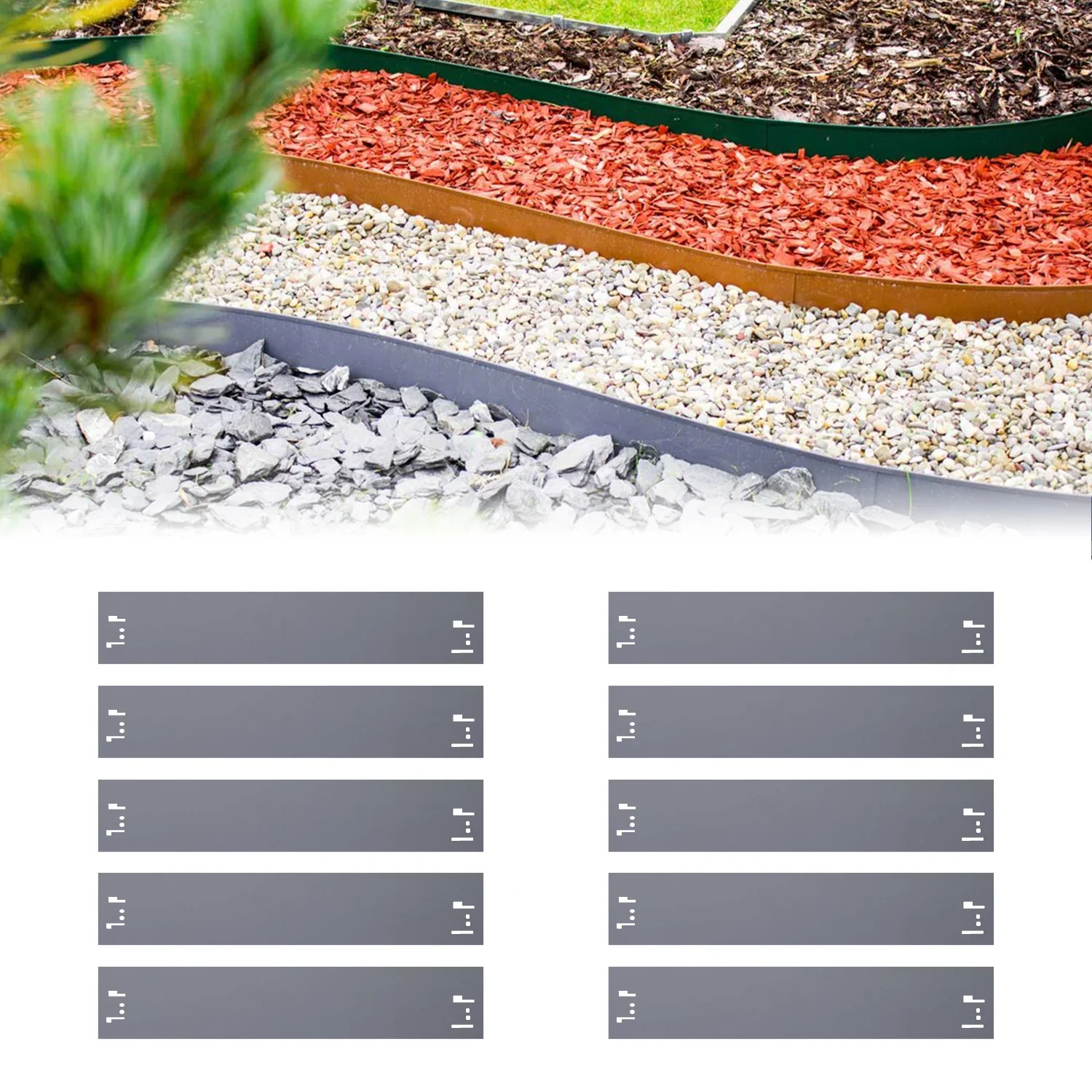
A well-planned garden with deep, living garden soil is resilient. It stores water, provides nutrients, and supports healthy plants. Choosing not to dig over the soil routinely is a step in this direction. Observe your soil, test different methods, and find your own way to successful garden bed preparation.
Frequently asked questions
- Which months are best for digging over garden beds?
- The best time to dig over garden beds is late fall, after the last harvest. Winter frost breaks up large clods and improves the soil structure. Alternatively, you can dig in early spring as soon as the soil is no longer frozen and has dried out. Avoid digging when the soil is wet, as this causes compaction.
- What is the difference between digging over and loosening the soil?
- Digging over turns the entire soil layer and buries the upper, humus-rich layer. Loosening with a digging fork or broadfork preserves the soil layers. Insert the tool and lever the soil to loosen it without turning it over. This method is much gentler on soil life and the soil's natural structure.
- Can I completely avoid digging over my garden?
- Yes, in an established garden with good soil structure, you can completely avoid digging over the soil. Instead, mulch in the fall with compost or leaves. Earthworms and microorganisms work the material into the soil. This method of soil cultivation follows permaculture principles and preserves fertility.
- Which tools are suitable for gently loosening soil instead of digging it over?
- Use a digging fork to loosen the soil deeply. A broadfork or double spade are ideal garden tools for heavy soils. For light soils, a simple garden claw is often enough. These tools break through compacted areas without disrupting the soil layers.
- Do I need to work compost or fertilizer into the soil when digging it over?
- If you dig over the soil, it's the ideal time to work mature compost, well-rotted manure, or organic fertilizer directly into the lower soil layer. This puts nutrients where the roots will grow. With the mulching method, simply spread the compost on top.
You may also be interested in
- Digging over the garden: when, how, and with which tools?
- No-dig gardening: how to garden without digging
- Creating and maintaining vegetable beds: the ultimate guide
- Redesigning raised beds: tips for using and removing them
- Garden bed design basics: a beginner's guide
- Choosing a garden tiller: tips for your garden