
In brief: Create more privacy at your windows with a solution that balances privacy and light: pleated shades or adjustable blinds for flexible rooms, privacy window film for permanently covered areas, and curtains for a softer look. On the ground floor, enhance window privacy outdoors with a screen or a planted divider.
Windows bring light into your home and connect the interior with the outdoors. At the same time, they reveal what is happening in your living room, bedroom, or bathroom. The right window privacy solution protects your privacy without making the room unnecessarily dark.
The best solution depends on the viewing direction, floor, time of day, and function of the room. On the ground floor, you often need more protection than on an upper floor. In the bedroom, blackout properties and quiet matter most; in the kitchen, easy-care materials; and in the living room, flexible control of light and visibility.
Which solution is right for your window and room?
Start with a simple check: Who can see into the room, and from which direction? Check the window in the morning, afternoon, and evening with the lights on. A privacy solution that works during the day may lose its effectiveness at night.
Determine the viewing direction and floor
On the ground floor, passersby can usually see directly into the lower part of the windows. A half-height pleated shade, frosted window film, or café curtain provides targeted protection. The upper section stays open and lets in daylight.
For windows facing a neighboring house, the side viewing angle matters. Blinds with tilting slats or a side-to-side roller shade handle this situation better than a fixed curtain. Also check whether the view is possible only from a particular angle.
- Living room: Choose an adjustable privacy solution that lets in light during the day and closes completely in the evening.
- Bedroom: Blackout roller shades or tightly woven curtains keep out streetlights and prying eyes.
- Bathroom: Moisture-resistant film, pleated shades, or blinds are better suited than delicate natural fabrics.
- Kitchen: Smooth, wipe-clean surfaces make cleaning around the sink and stove easier.
- Home office: Light-filtering fabrics reduce reflections on the screen while preserving privacy.
Combine light needs with privacy
Privacy does not automatically mean darkness. Semi-transparent fabrics diffuse light, while opaque fabrics shield the room much more effectively. For many living spaces, a combination of a light-filtering base layer and additional blackout protection in the evening works well.
Window size also influences your choice. Large glass surfaces look calm with one continuous roller shade. Several narrow windows can be operated more flexibly with individual pleated shades. For floor-to-ceiling windows, choose a solution that can be guided securely and does not swing when the window is opened.
Pro tip
Check every window privacy solution in daylight and after dark. Turn on the room lights in the evening and step outside. This shows whether the fabric is truly opaque or only provides privacy during the day.
How do roller shades, blinds, and pleated shades provide window privacy?
Roller shades, blinds, and pleated shades are among the most versatile solutions for window privacy. They sit close to the glass, take up little space, and can be adjusted to suit the time of day. They differ in light control, cleaning, installation, and appearance.
Roller shades for a clean look
A classic roller shade consists of a fabric panel that rolls up and down. A light-filtering fabric protects against direct views, while a blackout roller shade provides stronger protection in bedrooms and children's rooms. Screen fabrics filter light and, at a suitable density, reduce visibility from outside.
Day-night shades use alternating transparent and opaque stripes. By shifting the fabric layers, you can change the view without opening the shade completely. This option is suitable for rooms where light and privacy needs change frequently throughout the day.
Blinds for precise slat control
Aluminum or plastic blinds allow you to precisely adjust the slats. Angle them so that daylight falls upward or downward while direct views from outside remain blocked. This works particularly well for windows facing a sidewalk or neighboring house.
Aluminum blinds can be wiped clean quickly and work well in kitchens or bathrooms. Wood blinds create a warmer look but require more care and are more sensitive to moisture. For small windows, choose narrow slats so the construction does not look too heavy.
Pleated shades for flexible coverage
Pleated shades can be operated from the top, bottom, or both sides. This allows you to cover only the lower part of the window while leaving the upper section open. This so-called privacy position combines privacy with daylight and is especially suitable for ground-floor windows.
Pleated shades are particularly useful for skylights and unusual shapes. Side guides keep the fabric against the glass. For rental homes, clamp and adhesive installations are available that require no drill holes. Before buying, check the glazing beads, frame width, and opening mechanism of the window.
Installation and everyday operation
An inside-mounted privacy solution must not block the window handle. For windows that are opened frequently, installation directly on the sash or side guides work well. In the bedroom, the system should operate quietly so it does not disturb you in the morning or evening.
Also plan for the distance from radiators. Fabric panels should not rest permanently on a hot surface. Free air circulation keeps the room warm more efficiently and reduces stress on the material.
“Opening the windows wide is the best way to remove moisture from a room quickly.”
Which curtain alternative protects your privacy without drilling?
Curtains add structure to a room, but they require a rod or track and take up space at the sides. If you prefer a clear window area or want to avoid drilling in a rented home, other solutions are available. The right curtain alternative depends on the level of visibility you want to block.
Window film for lasting basic privacy
Static-cling or self-adhesive window films stick directly to the glass. Frosted effects, stripes and textured patterns prevent direct views while still letting in enough daylight, depending on the design. For bathrooms and ground-floor windows, you can cover only the lower section.
Apply the film to thoroughly cleaned, slightly damp glass. A squeegee pushes water and air bubbles towards the edge. Measure the glass area precisely and test the pattern on a small section first. In rented homes, static-cling film is usually easier to remove than strongly adhesive versions.
One-way mirror films create a special effect during the day, as long as the outside is brighter than the room. As soon as it is brighter indoors, the effect can reverse. For privacy in the evening, you therefore also need a roller blind, Venetian blind or curtain.
Clip-on roller blind and café curtain
Clip-on roller blinds attach to the window sash without drilling. They are suitable for rented homes and rooms where you want to remove the privacy screen frequently. Check the permitted frame thickness and make sure the seal is not pinched.
A café curtain covers only the lower section of the window. It creates a homely feel while leaving the upper area open. In the kitchen, a short, washable curtain can be a practical alternative to conventional curtains, provided it is kept far enough away from the hob and sink.
Functional window decoration
Window decoration does not have to be purely decorative. Textile panels, narrow Roman blinds, wooden panels or decorative shutters add structure to the room and change the view. In strong sunlight, choose materials that will not fade quickly.
With small windows, subtle decoration looks better than several overlapping elements. Keep the window handle clear and avoid placing heavy objects on the windowsill. In children's rooms, secure cords and chains out of reach. A suitable selection of curtains for children's rooms complements the privacy screen in a child-friendly way.
Important note
One-way mirror window films do not provide reliable privacy when indoor lights are switched on. Check the visibility from outside in the evening. In rented homes, also clarify whether permanently adhesive film or alterations to the window are permitted under the tenancy agreement.
How can you create more privacy outside your windows?
Interior privacy screens protect the room but do not change the view from the garden, patio or balcony. For floor-to-ceiling windows and large glass surfaces, an exterior solution is therefore worthwhile. It reduces views into your home before they reach the façade and can also help define the outdoor area.
Privacy mesh for flexible screening
Mesh is suitable for fences, patio areas and side screens. The privacy mesh, two metres wide and 25 metres long, can be cut to size and attached to existing structures. It is ideal when you want to screen off a larger area without building a permanent wall.
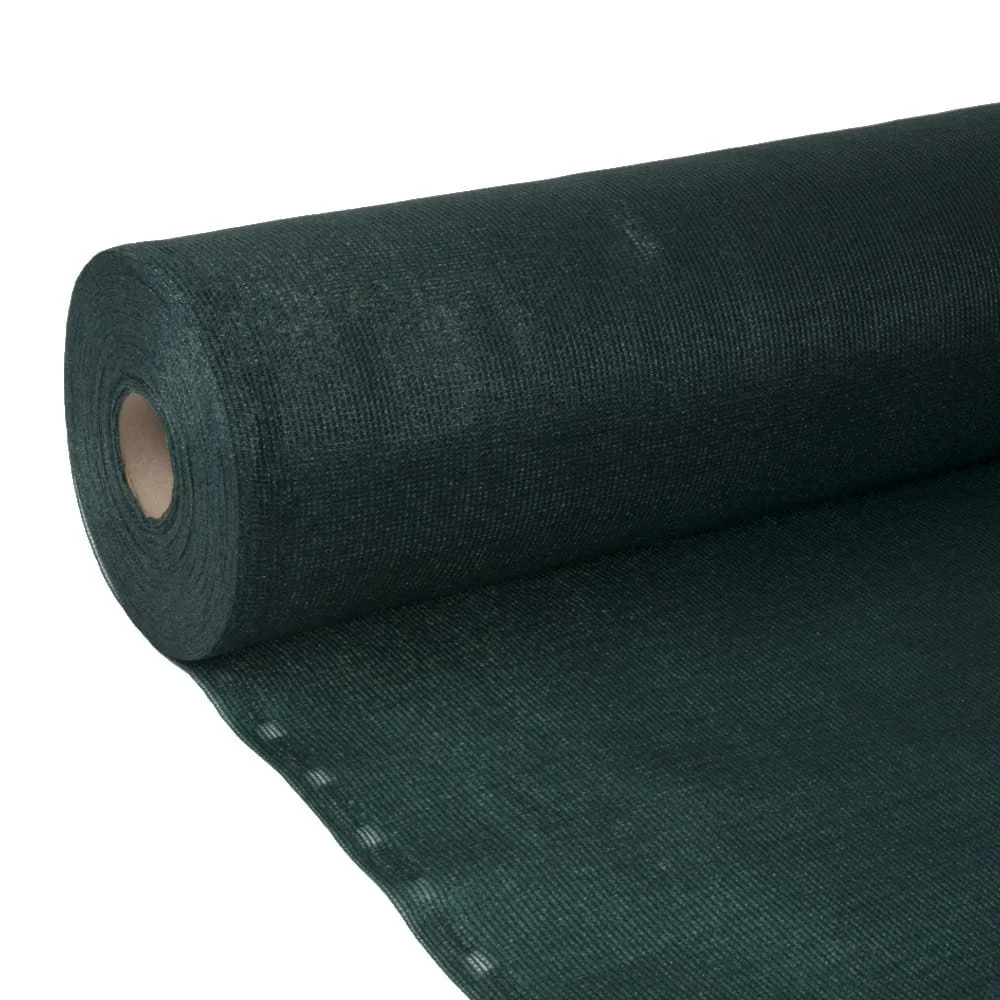
Stretch the mesh tightly and distribute the fixing points evenly. Before installation, check the direction from which the wind reaches the surface. Large, closed areas can act like sails. Secure fixing and a stable base are therefore essential.
You can find suitable materials for projects like these in the tarpaulins and mesh category. For balconies, patios and gardens, combine the privacy screen with a seating area, planters or a side awning.
Plant wall and trellis as a natural privacy screen
Plants create distance and look less technical outdoors. However, a trellis with fast-growing climbing plants needs time, care and a suitable location. Check whether the plant will shade the window in summer and whether roots or shoots could reach the façade.
As a low-maintenance design idea, consider , an artificial plant wall with a photinia design. Before ordering, check availability and attach the elements so that they cannot strike the glass or frame in windy conditions. Artificial greenery is particularly suitable for covered patios and sheltered balcony areas.

Find more solutions for screens, planters and outdoor design under Garden + Outdoor and in the garden equipment category.
Allow space between the screen and façade
An exterior privacy screen must not block windows, roller shutter guides or ventilation. Leave enough space between the mesh or plant wall and the façade for air circulation and cleaning. In a rented home, also check whether attaching it to a railing, wall or fence is permitted.
On balconies, mobile elements such as planters, privacy screens or fabric side awnings work well. On a patio, you can limit the privacy screen to the seating area. This keeps the garden open while protecting the private area around the window.
Additional advice
Plan your privacy screen around the lowest sun position in winter and the highest sun position in summer. Check whether the solution affects window maintenance, opening the sashes or water drainage. Mobile elements remain the most flexible when viewing directions and sun positions change.
How do you plan window coverings, cleaning and everyday use properly?
Window privacy only works well in the long term if it suits your daily routine. Open the windows regularly, clean the surfaces and adjust the elements depending on the light. An attractive solution that blocks the handle or gets in the way when airing the room quickly loses its practical value.
Bedrooms and living rooms
In the bedroom, a combination of a light-filtering basic covering and blackout protection is recommended. This allows you to air the room during the day while maintaining privacy, and reduces streetlights and early morning light at night. Thick curtains should fit as closely as possible around the sides and top of the window.
Flexible operation is important in the living room. A day-and-night blind, Venetian blind or pleated blind can change the mood of the room without requiring you to open the entire window covering. On large expanses of windows, several matching elements look calmer than a mix of different fabrics.
Kitchens, bathrooms and children's rooms
Grease, water vapour and dust build up on surfaces more quickly in kitchens and bathrooms. Choose smooth materials that can be cleaned with a soft cloth. Textiles need to be washed regularly and should be completely dry before you hang them up again.
In children's rooms, pleated blinds and roller blinds protect against prying eyes without taking up space on the floor or in the play area. Secure operating chains and cords. For babies and toddlers, no loose cords should hang within reach of the bed or play area.
Keeping windows and privacy coverings clean
Dust on slats and fabrics changes the way light enters the room and can quickly make it look neglected. Carefully vacuum fabrics with an upholstery attachment and wipe plastic or aluminium slats with a slightly damp cloth. Follow the manufacturer's care instructions before washing textiles.
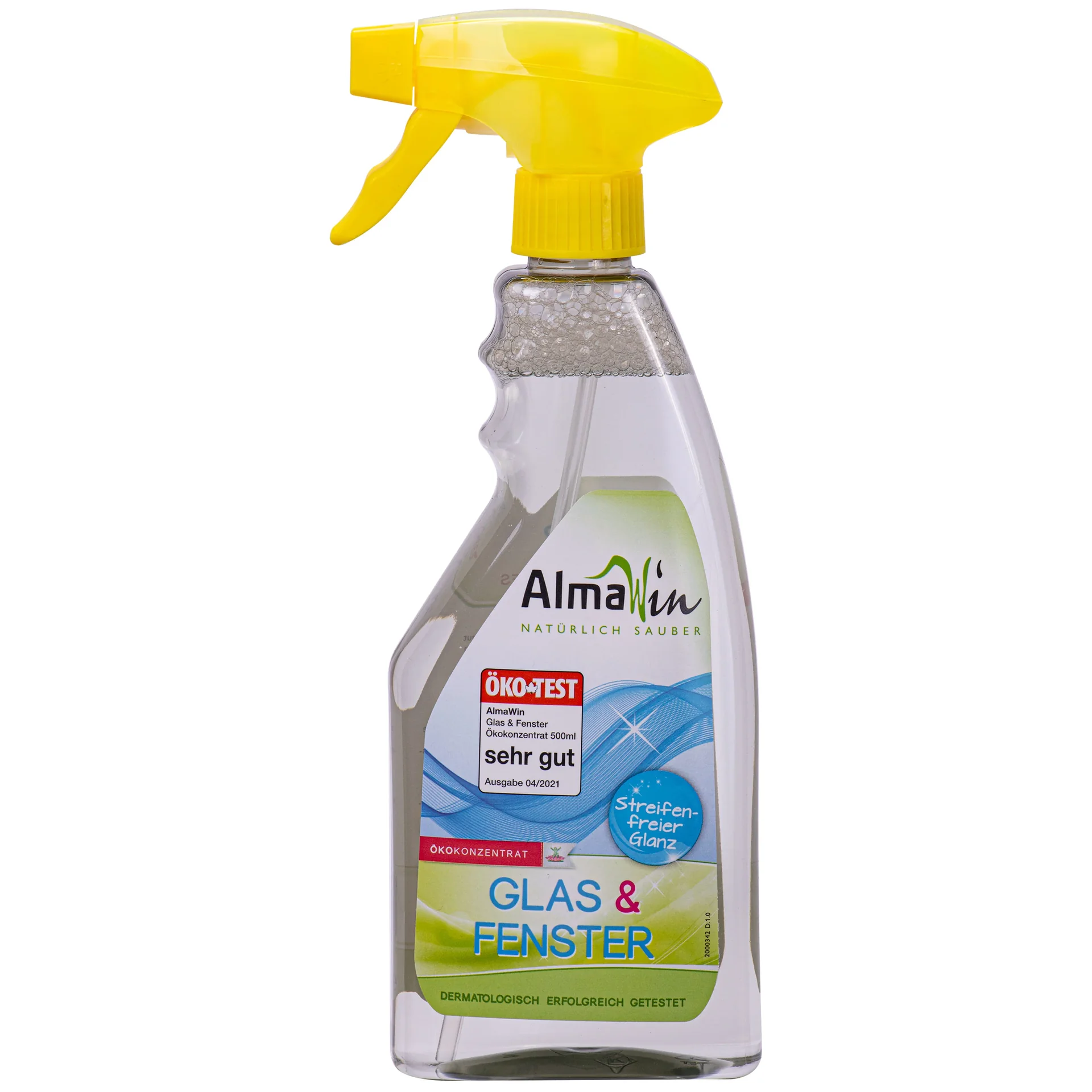
For the glass surfaces, the ALMAWIN glass and window cleaner. Clean the pane before applying a film or realigning the privacy covering. Dry, clear glass surfaces make it easier to check for bubbles, edge gaps and dirt.
Checklist before buying
- Measure the glass surface, frame and window sash at several points.
- Decide whether you need visibility, light, blackout protection or all three functions.
- Check the view from outside, especially when the interior lighting is switched on.
- Choose moisture-resistant or easy-care materials for bathrooms and kitchens.
- Take the handle, seal, roller shutter and opening angle into account during installation.
- For outdoor solutions, plan for wind load, fastening and access to the façade.
- For rented homes, choose systems that can be removed without leaving residue wherever possible.
The position of the curtain or blind also affects the room climate. The privacy covering should not cover radiators or obstruct air circulation. Air the room with the window wide open and only close the covering again once the humid indoor air has been replaced.
“Curtains and drapes should not cover radiators so that warm air can circulate freely throughout the room.”
For the right solution, combine function and design: a pleated blind or Venetian blind for adjustable privacy, film for permanent coverage, curtains as a textile addition, and a privacy net or plant wall for outdoor areas. This keeps your home bright, private and practical for everyday life.
Frequently Asked Questions
- Which window covering lets in daylight?
- Pleated blinds made from light-filtering fabric, semi-transparent roller blinds and textured window films allow daylight into the room. On the ground floor, choose an opaque option for the lower part of the window and a transparent option at the top. This keeps the room bright while preventing passers-by and neighbours from seeing seating areas directly.
- Are pleated blinds or Venetian blinds better for privacy?
- Pleated blinds create a calmer look and can also be adapted to unusual window shapes. Venetian blinds allow precise control of incoming light because you can tilt the slats. For changing levels of privacy, both systems are available with adjustable coverings. The decisive factors are fabric density, installation height and the viewing angle from outside.
- Which curtain alternative is suitable for rented homes?
- A self-adhesive or static-cling window film can usually be installed without drilling and removed without leaving residue. Tension-mounted roller blinds and no-drill pleated blinds are also suitable. Before buying, check the window seal, glass surface and installation width. Privacy film should be easy to apply without bubbles and remove cleanly.
- How can I prevent prying eyes on the ground floor?
- On the ground floor, choose a privacy covering that conceals the lower part of the window. Frosted film, a café curtain or a half-height pleated blind protects against prying eyes while allowing daylight to enter from above. In the evening, also close a thick curtain, as interior lighting can otherwise make rooms visible from outside.
- What works as privacy screening for windows facing a patio?
- For patio windows, combine an interior privacy covering with an outdoor screen. A privacy net, slatted system or planted trellis reduces views from the garden and neighbouring properties. Pay attention to wind load, fastening and the distance from the façade. Movable elements remain flexible as the position of the sun changes.
You may also be interested in
- Balcony privacy screening: creative ideas for more privacy
- Garden privacy screening: ideas for privacy and design
- Build your own wooden privacy screen: instructions and ideas
- Versatile uses for privacy netting: ideas for home and garden
- Effective window sun protection: tips and solutions
- Buying privacy netting: the ultimate guide for gardens and balconies