
In brief: Choosing the right silage materials is essential for airtight and secure preservation. In our test, silage cover nets stand out as a top solution for covering silage clamp walls thanks to their stability and resistance to birds and weather. High-quality silage tape, especially in highly visible colours such as white, provides reliable and easy-to-check sealing between sheets of silage film. The key is combining robust protection underneath with precise, airtight bonding.
Perfect silage is the result of precise work and the right materials. The airtight covering of your silage clamp determines forage quality and helps prevent losses caused by heating. In our comprehensive Silage Test & Comparison 2026, we assess the key products for reliable preservation. Find out what matters when choosing silage cover nets and silage tape.
Contents
How does silage actually work?
The principle of silage is based on lactic acid fermentation in the absence of air. Stored green forage is compacted and covered with film to create an absolutely airtight seal. This creates an oxygen-free environment in which lactic acid bacteria preserve the forage.
Every leak allows oxygen to enter. This can cause undesirable fermentation, mould growth and substantial nutrient losses. Choosing the right covering materials is therefore not simply a cost, but an investment in your forage quality.
Buying criteria for silage materials
Before we compare the products, let us clarify the key properties. What makes a good silage cover net or reliable tape?
Material and stability
The material must be UV-resistant and able to withstand extreme weather conditions. For nets, the weight per square metre (g/qm) is a key indicator of durability. A higher weight per square metre usually means a more hard-wearing net.
Adhesion and airtightness
For tape, lasting adhesion to silage film is crucial. It must provide a reliable seal in wet, hot and cold conditions. The adhesive layer should be strong, but also removable when required.
Handling and reuse
Practicality saves time and effort. Wide rolls and smooth unwinding are important. A silage cover net should be easy to remove after harvesting without causing damage and should store well.
Product comparison: silage cover nets & tape
The ideal silage covering combines several products. The silage cover net provides mechanical protection, while the tape creates the seal. Our comparison highlights the differences.
The highest-rated silage products in our range compared directly:
| Model | Customer rating | Availability |
|---|---|---|
| Silage tape, black - 100 mm x 10 m (0,2 mm) | – | Currently unavailable |
| Silage tape, white - 100 mm x 10 m (0,2 mm) | – | Currently unavailable |
| Silage cover net 240 g/qm, 10 x 20 m | – | Currently unavailable |
| Silage cover net 240 g/qm, 15 x 18 m | – | Currently unavailable |
Tip: Always combine a robust silage cover net with high-quality tape. This protects your investment in the silage film and provides the best possible airtightness.
Silage cover nets in detailed testing
Silage cover nets are placed directly on top of the silage film. They protect it from damage caused by bird beaks, stones or storks. We took a closer look at two popular sizes.
The
with an area of 10 x 20 metres is particularly suitable for medium-sized to large silage clamps or for use in critical areas such as the side walls. The weight of 240 g/qm offers a good balance between stability and ease of handling.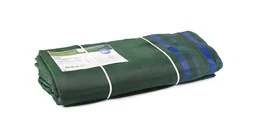
For larger areas, the
is a good choice. Measuring 15 x 18 metres, it efficiently covers large areas. The same high quality of 240 g/qm provides reliable protection.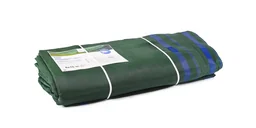
Warning: Even with a protective net, the silage clamp must be checked regularly. Inspect the covering for damage, especially after storms or heavy rain.
Requirements for a good protective net
An ideal net is tear-resistant yet flexible. It should be easy to cut to size and should not fray at the edges. The mesh structure must be stable without making the net unnecessarily heavy.
Silage tape in detailed testing
Silage tape seals the overlaps between sheets of silage film and secures the film at the base of the clamp. It is the actual airtight barrier. Absolute precision is essential here.
The
in white has one clear advantage: you can see it immediately. Loose sections or tears stand out during a visual inspection. The width of 100 mm and thickness of 0,2 mm provide a stable and wide adhesive surface.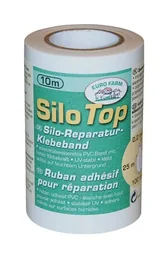
Why the colour of the tape matters
Black tape blends into the often dark silage film. White tape creates a strong contrast. This makes daily visual checks of the seal much easier and helps you identify problems at an early stage.
Note: Pay attention to how you store the tape. Keep it cool, dry and protected from sunlight to preserve its adhesive strength before use.
Practical Application and Tips
The best material is of little use if it is not applied correctly. Follow these steps to create a perfectly sealed silo.
First, lay out the silage film and join the sheets with the tape. Then place the silage protection net over it and secure it at the edges. Work in dry weather and on clean film.
Avoid the Most Common Mistakes
- Dirt on the adhesive surface: Even small particles can prevent a tight bond. Clean the edges of the film before applying the tape.
- Insufficient overlap: The sheets of film must overlap sufficiently. The tape must be centred over the seam.
- Insufficient pressure: Press the tape down firmly and evenly after applying it. A pressure roller can help here.
Our Final Buying Advice
Choosing the right silage products depends on the size of your silo, your farm's operating processes and the service life you require.
For reliable mechanical protection, we recommend a silage protection net with a grammage of at least 240 g/qm. Choose the size to suit your silage areas. For most farms, the 10x20m or 15x18m formats are ideal.
For long-lasting airtightness, choose a high-quality white silage tape. The 100 mm width provides sufficient adhesive surface for a secure bond. The white colour helps you carry out important inspections.
Always think in terms of a system: the best protection is created by combining film, tape and netting. Invest in quality for all three components. You can find more products for feed preservation in our silage category. For general farm supplies, visit our comprehensive overview. We have brought together all the information about agriculture here for you.
With the right materials and careful workmanship, you can produce high-quality silage that provides your animals with optimum nutrition and improves your profitability.
Frequently Asked Questions
- What are the advantages of a silage protection net compared with a simple sheet of film?
- A silage protection net provides mechanical protection for the silage film underneath against damage caused by birds, stones or storks. It makes the cover more stable, reduces wind exposure and significantly extends the service life of the entire silage cover.
- Why should I use white silage tape?
- White tape is easier to see on the film. You can spot tears or detached sections more quickly during inspections. This makes maintenance easier and preserves airtightness, which is crucial for silage quality.
- How long does silage tape last?
- Service life depends on quality and weather conditions. High-quality PE tape with a UV stabiliser remains flexible and airtight even when exposed to sunlight. Check the condition of last year's tape before the season begins.
- Can I use a silage protection net more than once?
- Yes, careful handling allows it to be used for several years. When removing and storing the net, take care not to damage it. Check for wear or tears before using it again.
- What should I do if the tape no longer sticks?
- Clean the surface of the film thoroughly to remove dirt and moisture. Use a new, high-quality tape and press it down firmly. In cool temperatures, gently warming the surface can improve adhesion.