
In brief: Small black beetles on your plants are often vine weevils, fungus gnats or Colorado potato beetles. You can identify them by feeding damage, larvae in the soil or their characteristic body shape. Successful control starts with accurate identification, followed by targeted measures such as collecting pests by hand, using nematodes or setting special traps from specialist retailers.
Identify and Control Small Black Beetles on Plants
Black specks crawl across your rose leaves or flutter around your rubber plant. Before taking action, identify the pest. Correct identification saves time and protects beneficial insects.
We introduce the most common black plant pests and show you targeted ways to control them.
The Most Common Black Beetles in the Garden and Home
Not every black beetle is a pest. However, these species regularly cause problems.
Vine Weevil (Otiorhynchus)
The vine weevil is a nocturnal, flightless beetle with a distinctive snout. You rarely see it, but the notched edges on leaves are unmistakable.
The larvae live in the soil and feed on roots. This causes wilting even when the soil is moist.
Pro tip
Check plants in the evening using a torch. Pick off the beetles by hand. Place damp wooden boards around affected plants. The beetles hide there during the day and can then be removed easily.
Fungus Gnats (Sciaridae)
Adult fungus gnats are small, black-grey insects that fly sluggishly around the plant. The real problem is the transparent larvae with black head capsules that live in the growing medium.
They feed on roots and can completely destroy young plants.
Colorado Potato Beetle (Leptinotarsa decemlineata)
Adult Colorado potato beetles have yellow and black stripes. Their larvae, however, are bright red to orange and are often mistaken for other pests. When present in large numbers, they can also appear on other nightshade plants such as tomatoes or aubergines.
How to Identify the Beetle Species with Certainty
Observe the damage carefully. Where are the insects? What are they eating? Which plant is affected?
- Notched leaf edges: Typical of vine weevils.
- Holes in the middle of leaves: May be caused by other beetles or caterpillars.
- Wilting despite watering: Indicates root damage caused by larvae in the soil.
- Flying when disturbed: Characteristic of fungus gnats.
Take a photo of the beetle and the damage. Use apps or online forums to identify it. You can also find expert advice in our pest and plant protection section.
“The most successful pest control targets the pest’s weakest point. With fungus gnats, this is moisture in the growing medium; with vine weevils, it is the transition from the larval to the adult stage.”
Biological Pest Control: Effective and Environmentally Friendly
Use beneficial organisms and mechanical barriers. These methods protect your plants sustainably.
Nematodes Against Larvae
Roundworms of the genus Heterorhabditis control vine weevil larvae in the soil. Apply them with the watering water. The nematodes enter the larvae and kill them.
This method is highly targeted and does not harm other soil organisms.
Yellow Sticky Traps and Other Traps
Yellow sticky strips or yellow sticky traps attract flying pests such as fungus gnats and whiteflies. The insects become stuck to the adhesive surface.
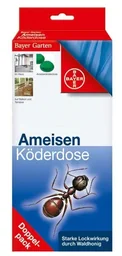
Place the traps just above the plant surface. For crawling beetles, special plant protection products such as the
.
Important note
Nematodes are living organisms. Store them in a cool place and use them before the printed expiry date. After application, the soil must remain sufficiently warm and moist for several days.
Home Remedies for Black Beetles on Plants
Simple measures can often have a significant effect. In most cases, you only need items from around the home.
- Sand or grit: A 1 cm layer on top of the potting soil prevents fungus gnats from laying eggs.
- Neem oil: Mix one litre of water with one teaspoon of neem oil and a few drops of washing-up liquid. Spray the plants every three days. Effective against many sucking and biting insects.
- Hand-picking: The most effective method against vine weevils. Go hunting with a torch and bucket after dark.
Strengthen your plants from within. Healthy plants with an optimal supply of nutrients are less likely to be attacked. Find suitable products in our garden and plant accessories category.
When Chemical Pest Control Makes Sense
In cases of severe infestation outdoors, or when the survival of a crop plant is at risk, approved plant protection products may be necessary.
Choose products approved specifically for the pest you have identified. Read the label carefully. Products such as
are designed for private use.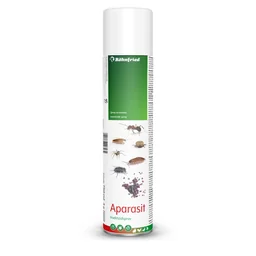
Observe the waiting periods before harvesting. Always protect bees and other non-target organisms.
“Preventive protection is the best form of plant protection. This includes choosing the right location, resistant varieties, balanced fertilisation and encouraging beneficial organisms through diverse planting.”
Black Beetles in the Home: How They Differ from Garden Pests
If you find beetles on houseplants, they are often the same species as those found in the garden, brought in with new potting soil.
True textile or stored-product pests such as biscuit beetles and carpet beetles are a different category. They do not attack living plants.
Additional advice
Isolate newly purchased houseplants for two weeks. Check them regularly for pests before placing them near other plants. This helps prevent them from spreading.
Prevention: How to Make Your Garden Unattractive to Pests
Create a resilient ecosystem. Beneficial organisms such as birds, hedgehogs, ground beetles and parasitic wasps naturally regulate pests.
- Plant diversity: Monocultures attract pests. Mix vegetables, herbs and flowers.
- Healthy soil: Work in compost. Mulch your beds. Living soil promotes strong roots.
- Water correctly: Water in the morning and directly at the roots, not over the foliage. Wet leaves encourage fungal diseases.
Protect young plants in the vegetable garden with a
. This protects against feeding damage and creates a favourable microclimate.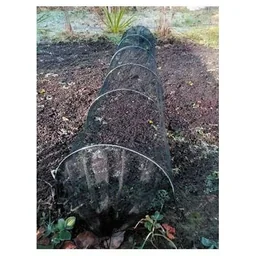
When to Seek Professional Help
In the event of an extremely severe, recurring infestation that cannot be contained using your own methods, a pest control professional or plant protection service may be the right point of contact.
This is particularly important if you suspect a quarantine pest or are unsure about its identification.
For your own garden, you will find a wide range of pest control aids and protection products in our main garden and outdoor section.
Conclusion: Take Targeted Action Rather Than Going Too Far
Small black beetles are a manageable problem. Identify the cause first. Then choose the method that works specifically against that species.
Mechanical methods, home remedies or beneficial organisms are often enough. A healthy, diverse garden is the best foundation for plants with fewer pests.
Common Questions
- Which small black beetles eat holes in leaves?
- Adult vine weevils often cause holes in leaves. They are nocturnal and leave notched feeding marks along leaf edges. During the day, they hide. The larvae, white grubs with brown heads, feed invisibly on the roots and damage the plant from below.
- Are small black insects flying over the potting soil?
- These are fungus gnats. The adult insects are harmless, but their larvae in the growing medium feed on young roots and can kill seedlings. Keep infested plants drier and use yellow sticky traps or nematodes. Good drainage and less watering help prevent them.
- How can I control black beetles on plants without chemicals?
- Hand-picking at night, laying out boards as hiding places for beetles and watering with beneficial nematodes to target larvae are effective biological methods. Strengthen your plants with balanced fertilizer, such as our range of plant fertilizers. Healthy growth is better able to withstand pests.
- Can black beetles move from plants onto textiles?
- Most garden pests have no interest in textiles. True textile pests such as carpet beetles are a different species. If you find beetles in your home, identify them accurately. For textile problems, use special products from our pest control range.
- Which home remedies help against fungus gnats?
- Spread a layer of sand or gravel over the potting soil to prevent egg-laying. Water with a solution of soft soap and neem oil. Set up homemade traps using yellow sticky cards (yellow cardboard with honey). Reduce moisture; this is the most effective home remedy.
You may also be interested in
- How to Control Black Aphids: Effective Natural Remedies
- Identify and Control Common Beetles in the Home
- How to Control Bark Beetles: Identification and Effective Remedies
- Effective Pest Control in the Garden: Tips & Tricks
- How to Control Fungus Gnats: Effective Remedies for Flies in Potting Soil
- Insects and Spiders: The Best Helpers for Your Garden