
In brief: A smart meter shows your electricity consumption in real time. Use it to identify energy-hungry appliances in your home and adjust your usage habits. The device enables variable-rate plans and lays the foundation for home automation. This lets you actively reduce your electricity costs.
Smart Meters: How to Optimize Your Home Energy Use
The digital electricity meter, often called a smart meter, is entering homes across Germany. It is more than a simple replacement for an electromechanical meter. Use it as a tool to understand and actively manage your energy consumption.
The technology provides the basis for intelligent energy management. This helps you reduce your electricity costs sustainably.
What exactly is a smart meter?
A smart meter is an intelligent metering system. It consists of a digital electricity meter and a communication module called a gateway. This module securely transmits encrypted consumption data to your grid operator.
At the same time, you get access to the data. You can see your consumption almost in real time, often through an online portal or app. This creates transparency.
“Digital metering technology is the first step toward an interactive energy system. It makes consumption visible and therefore controllable.”
Not every digital meter is a smart meter. A “modern metering device” only displays consumption locally. It does not transmit data automatically. For many optimization options, however, you need the complete intelligent metering system.
How do you read your smart meter data correctly?
Your smart meter displays various values. The most important are the current power draw in kilowatts (kW) and cumulative energy consumption in kilowatt-hours (kWh). Watch the kW display when switching large appliances on and off.
A jump from 0.5 to 2.5 kW tells you that the washing machine has started. This helps you learn the consumption profile of your appliances. Record these values for a day or a week.
Pro tip
Always record the meter reading at the same time of day. Compare weekday and weekend values. This helps you identify your base load and peak consumption. The base load comes from appliances that constantly draw power, such as your refrigerator or router.
Many metering point operators offer free web portals. These display your consumption data in charts. Use these tools. They show trends and make potential savings clearly visible.
Which energy hogs can you find with a smart meter?
The constant standby consumption of many electronic devices adds up. Your smart meter helps you find these hidden costs. At night, switch off all unnecessary devices using a power strip. Watch the effect on your base consumption.
Old refrigerators and freezers are often major energy hogs. Measure their consumption over several days. Compare it with the manufacturer's specifications for newer, more efficient models. The investment can pay for itself quickly.
Electric water heating, such as with a storage water heater or tankless water heater, can significantly increase your electricity costs. The smart meter shows the consumption directly while you shower. Consider whether you can lower the temperature or shorten the time you use hot water.
How can you actively reduce your electricity costs with a smart meter?
Transparency alone does not save money. You have to take action. The first step is analyzing your data. The second step is adjusting your habits. Wash clothes less often or at lower temperatures. Use your appliances' eco programs.
Additional advice
Combine your smart meter with a time-of-use electricity plan. These plans offer lower prices at night and on weekends. Run your washing machine, dishwasher and dryer during these periods. The savings per kilowatt-hour have a direct impact.
The third stage is automation. Smart plugs or home automation systems can control appliances based on electricity price signals. This allows the washing machine to start automatically at 2 a.m. when electricity is cheapest.
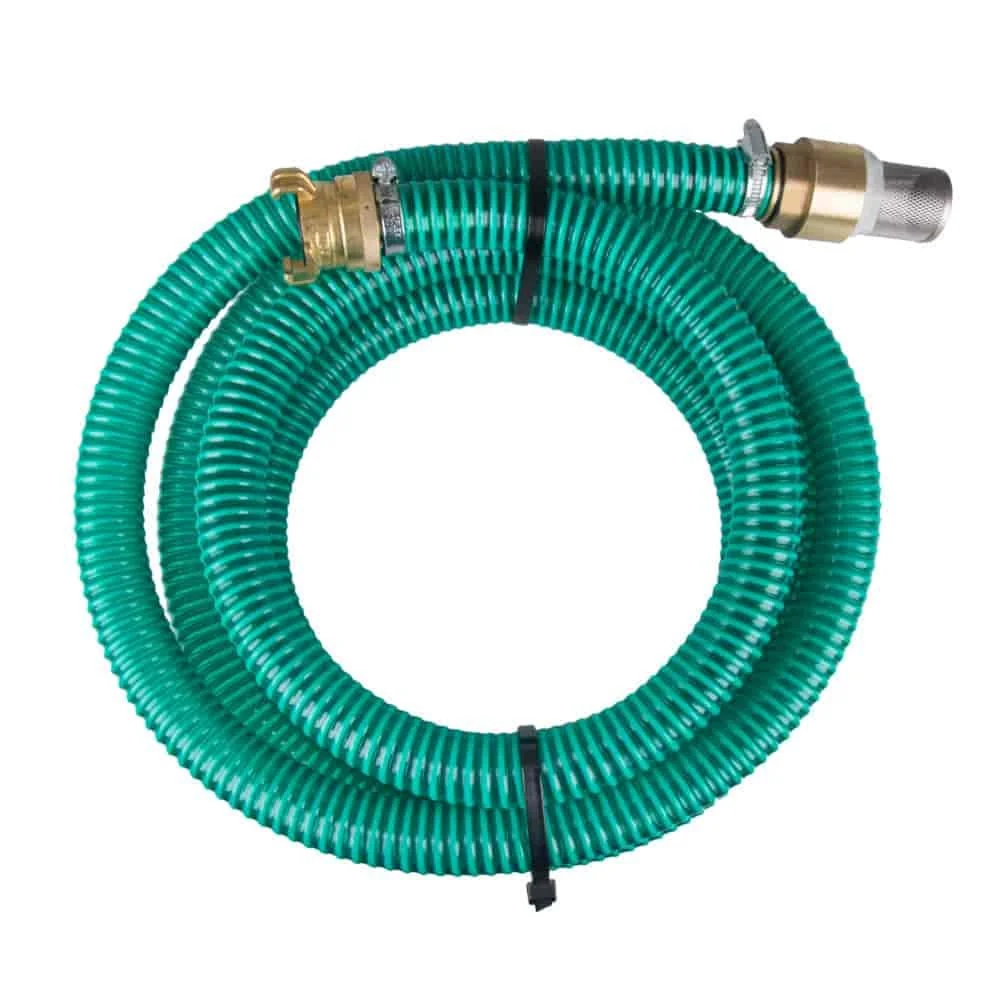
Reliable components are essential for automatic garden irrigation. A sturdy hose is the foundation. Our offers a complete set for reliable operation.
How do you integrate your smart meter into your home automation system?
Your smart meter is the central data source. Modern home automation systems can often read or use this data. Check whether your system supports interfaces such as S0 interfaces or Modbus.
Use this data to control appliances intelligently. An energy manager switches off the heating circulation pump when nobody is home. It optimizes electric vehicle charging based on solar generation or cheaper overnight electricity.
“Connecting smart meters with decentralized generation and storage is the key to a stable energy supply in the future. Every household will become an active part of the grid.”
For hobbyists and technology enthusiasts, open-source platforms are an option. They analyze smart meter data and send control commands to smart plugs. This lets you build an affordable, customized energy management system.
What do you need to know about data privacy?
Concerns about this data are justified. The law requires high security standards. The smart meter gateway is a certified security module. It encrypts all data before transmission.
By default, your detailed consumption data is sent only to the metering point operator and grid operator. Quarter-hour or daily readings are usually sufficient for billing. You must actively consent to sharing data with additional third parties.
Important note
You have the right to informational self-determination. Carefully review your provider's consent forms. Decide for yourself whether to release data for bonus plans or service offers. You can receive standard electricity service without sharing additional data.
Protect your local access as well. Secure the password for your smart meter user portal. Change the default password. This prevents unauthorized access to your consumption profile.
Which practical products can help you optimize your energy use?
Optimizing your energy use starts with analysis. It ends with practical implementation. For many projects around your home and garden, you need reliable materials.
High-quality hoses are essential when installing an automatic garden irrigation system. They ensure reliable, loss-free operation over the long term. Our range offers a variety of solutions.
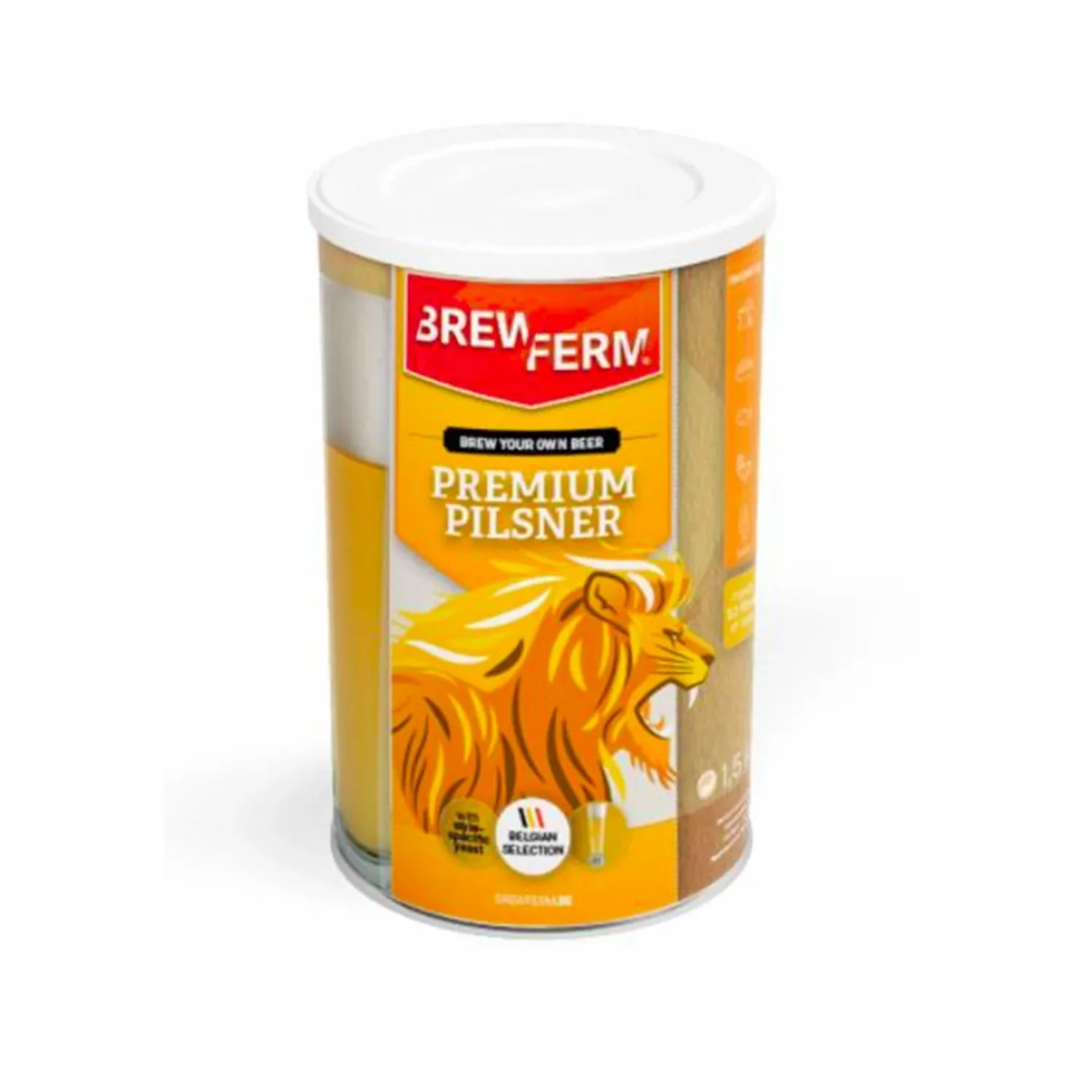
For ambitious home brewers looking to improve their own energy balance, a beer kit provides everything in one package. This saves the transport involved in sourcing individual ingredients. Try the for perfect home brewing results.
Planning is everything. Whether you are installing irrigation equipment or setting up your home brewing system, high-quality materials will save energy, water and money in the long run. Browse our Garden + Outdoor category for more ideas.
How can you get started with your smart meter?
Start today. Visit your metering point operator's portal or request your login details. Get an overview of your daily and weekly energy consumption.
Carry out an “electricity check”. Switch off all devices one after another and observe the effect on the power meter. This will help you identify the biggest energy consumers in your household.
Set an initial savings target. Perhaps you can reduce your baseload by 50 watts. That amounts to over 400 kWh per year. Then consider switching to a time-of-use electricity tariff to turn your new habits into financial savings.
Your smart meter is not just a passive billing device. It is an active tool for improving energy efficiency and cost transparency. Make use of it.
Frequently asked questions
- What is the difference between a smart meter and a digital electricity meter?
- Every smart meter is a digital electricity meter, but not every digital meter is a smart meter. A digital meter (modern metering device) only displays readings. A smart meter (intelligent metering system) automatically transmits this data in encrypted form to the grid operator. It is a prerequisite for dynamic tariffs and advanced energy management.
- Can a smart meter really help me reduce my electricity costs?
- Yes, but indirectly. The smart meter provides a detailed data foundation. You can see when each appliance consumes how much energy. This transparency helps you identify energy-hungry appliances and change your usage habits. Combined with time-of-use tariffs, it can help you save money by running your washing machine and other appliances during cheaper periods.
- Are smart meters mandatory for homeowners?
- Installation required by law under the Metering Point Operation Act is being introduced gradually. Consumers with annual consumption above 6.000 kWh and operators of photovoltaic systems above 7 kW are the first to receive an intelligent metering system. For other households, a modern metering device is often sufficient. Your metering point operator will inform you of the specific installation date.
- How can I protect my data with a smart meter?
- Smart meters are subject to strict statutory data protection requirements. Communication is encrypted via a secure gateway (smart meter gateway). Only authorised parties, such as your grid operator, receive the data required for billing. You decide whether to share your data with third parties, for example for bonus tariffs.
- Can I connect my smart meter to a smart plug and home automation system?
- The systems usually cannot be connected directly. However, the smart meter provides consumption data. Smart plugs and energy managers can often analyse this data. This allows you to switch off appliances automatically when electricity prices are high or start devices when your own solar power is available.
You may also be interested in
- Understanding smart homes: A guide to a connected home
- Smart ways to save energy: Tips for your home
- Save household electricity: Tips for optimizing your energy use
- Smart home heating & lighting: Efficient & comfortable
- Smart home: Efficient solutions for your home
- Heat pumps and smart meters: Benefits, costs & obligations