
In brief: The 2026 smoke and CO detector test & comparison focuses primarily on long-lasting 10-year detectors. They provide maximum safety without regular battery changes. We compare models with VdS certification, display functions and practical sets. This buying guide helps you find the right device for your home.
Burglary, fire, gas leaks – dangers to your home can be everywhere. Modern home security technology effectively protects you and your family. In our major 2026 test & comparison, we focus on the most important warning detectors: smoke and carbon monoxide detectors. These devices are the first line of defense and can save lives.
We compare the latest models shaping the market in 2026. The trend is clearly toward low-maintenance 10-year detectors with a permanently installed long-life battery. You do not have to worry about changing the battery for ten years. We examine which features really matter and which device suits your home.
Table of contents
What criteria are important for a good test?
A reliable comparison of home security technology is based on objective features. The focus is not on design or brand name, but on technical reliability. We assess the devices according to these key criteria.
Certifications and quality marks: Independent quality marks such as VdS certification are crucial. They guarantee that the detector meets strict standards and works reliably in an emergency. Look for this marking.
Service life and maintenance: Most modern smoke detectors are designed as 10-year models. The battery lasts for the entire service life. This eliminates the risk of a dead battery and provides long-term safety.
Features and operation: A test button for regular function checks is essential. Additional features such as an LED display on CO detectors or the option to connect devices can increase convenience. The alarm must be loud enough.
Tip: Test your detectors monthly using the test button. Schedule this check, for example on the first day of every month. This ensures that they remain ready for use at all times.
Smoke detector comparison: The 2026 models
The smoke detector market is dominated by long-lasting models. We present the most relevant types and specific products from our range.
VdS certification as a quality feature
For maximum safety, choose detectors with VdS certification. These devices are particularly reliable. An outstanding example is the
. This 10-year smoke detector with VdS certification offers tested technology for an entire decade. Install it and enjoy peace of mind for years.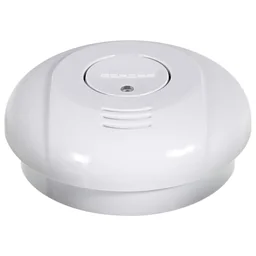
VdS testing covers early-warning performance, resistance to interference from dust or insects and the long-term durability of the electronics. These detectors are also suitable for landlords who must meet legal requirements.
Practical sets for multiple rooms
Most households need more than one detector. A set with several identical devices is a practical and often cost-effective solution. The
, a 10-year RM218 smoke detector 3-pack, is ideal for equipping an apartment. Use it to protect bedrooms and hallways.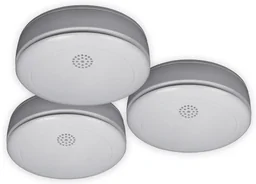
The advantage of sets is that you get identical devices that behave the same way and can be maintained consistently. Installation is easier, too. Consider how many rooms you need to protect before choosing individual devices or a set.
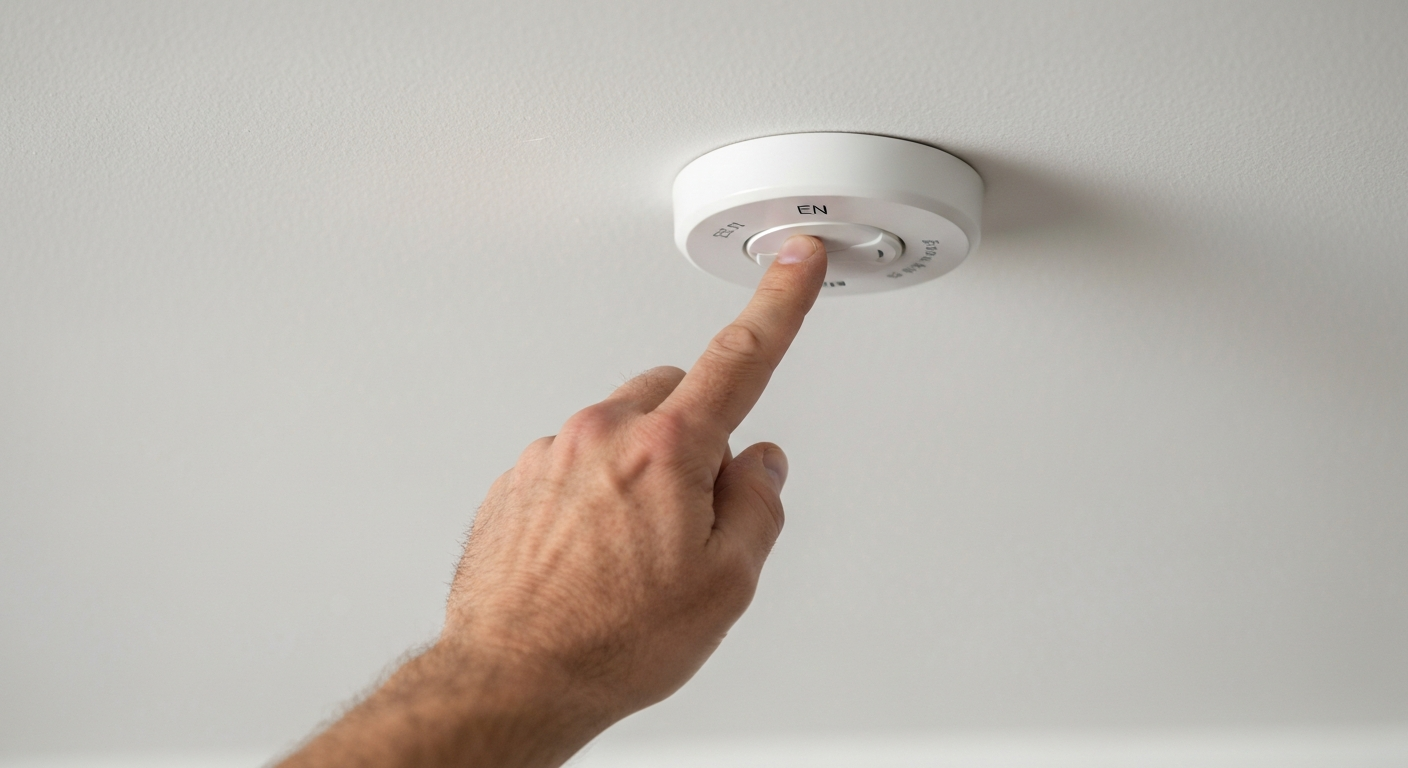
Warning: Never ignore a beeping warning signal for a low battery or the end of the device's service life. With 10-year detectors, a beep means the device will soon need to be replaced completely. A non-functioning detector provides no protection at all.
Carbon monoxide detectors for added protection
Carbon monoxide (CO) is an odorless, deadly gas. It is produced by incomplete combustion, for example in defective gas furnaces or fireplaces. A dedicated CO detector is therefore essential in any home with such appliances.
A recommended model is the
. This CC-4100 carbon monoxide detector features a clear LED display showing the current CO concentration in the indoor air. This means you can see whether levels are elevated not only during an alarm, but also preventively. The digital display gives you a clear sense of safety in your home.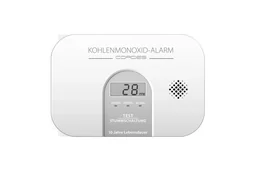
Combine smoke and CO detectors for all-round protection. Place the carbon monoxide detector near potential sources of danger, but not too close, to prevent false alarms. You can find more information about all devices in our home security technology overview.
How do you install and maintain smoke and CO detectors correctly?
The best technology is of no use if it is positioned incorrectly. Follow a few basic rules when installing smoke detectors.
Optimal position: Always install smoke detectors on the ceiling. The ideal location is in the centre of the room, at least 50 cm from walls or light fittings. Kitchens or bathrooms with a lot of steam can cause false alarms – check whether a detector is suitable for these areas.
Maintenance routine: Although 10-year detectors require little maintenance, they still need minimal attention. Press the test button monthly. Occasionally dust the device with a dry cloth to keep the sensor openings clear. Make a note of the installation date or the expiry date printed on the device.
Note: When moving house, permanently installed detectors can often be removed and taken with you without any problems. Look for adhesive mounting plates that will not damage the wallpaper. Before reusing a detector, always check its remaining service life and functionality.
Buying advice for your home
The safety equipment you need depends largely on your flat or house. Our buying guide will help you choose the right products.
For flat tenants: First check whether your landlord has already installed detectors. If not, long-lasting 10-year models are ideal because you can take them with you when you move. A set such as is perfect. A CO detector () is essential if you have a gas boiler.
For homeowners: You are planning for the long term. Invest in high-quality, certified detectors such as the . Remember to cover all floors and rooms. A carbon monoxide detector is essential if you have a fireplace or oil heating system. Document the installation in case you need to deal with insurance matters.
Discover suitable solutions in our Technology category. There you will find further aids for a safer home.
How will safety technology develop in the future?
Technology is also advancing in the field of safety products. We can see clear trends for the coming years.
Interconnectivity and smart home technology: More and more detectors can be connected via radio or Wi-Fi. If one device in the basement triggers an alarm, a signal sounds in the bedroom at the same time. Some models send push notifications to your smartphone, even when you are not at home.
Combination devices: The first manufacturers are offering devices that detect smoke, carbon monoxide and even natural gas. These all-in-one solutions could conquer the market in the future, but they are currently more complex to purchase. Sensor technology is becoming increasingly precise and less prone to false alarms.
For 2026, however, proven, certified standalone devices currently offer the most reliable protection. Choose quality and established technology.
Conclusion: Safety comes first
Our 2026 test and comparison shows that modern safety technology is advanced, durable and easy to use. Choosing 10-year models with VdS approval means choosing long-term protection with minimal maintenance.
Combine smoke detectors such as the or the practical 3-piece set with a carbon monoxide detector such as the for comprehensive protection. The investment is small compared with the potential damage or even the loss of human life.
Check the condition of your existing detectors today. Plan to upgrade them if necessary. With the right safety technology, you can sleep much more soundly.
The most highly rated safety products in our range compared directly:
| Model | Customer rating | Availability |
|---|---|---|
| 10-year smoke detector with VdS approval 🏆 Test winner | ★ 4,9 (22) | In stock |
| CC-4100 carbon monoxide detector with LED display | ★ 4,8 (6) | In stock |
| 10-year mini smoke detector | – | Currently unavailable |
| 10-year smoke detector | – | Currently unavailable |
| 10-year smoke detector - 3-piece set | – | Currently unavailable |
Frequently asked questions
- What does VdS approval mean for a smoke detector?
- VdS approval is an independent certification mark for safety products. Detectors with this approval undergo strict tests for functional safety and reliability. They are considered high-quality products and are often required for commercial use or rental properties.
- How many smoke detectors do I need in my home?
- As a minimum level of protection, install a smoke detector in every bedroom, children's room and hallway that serves as an escape route. In larger flats or houses, an additional detector in the living room is recommended. A 3-piece set often covers the basic requirement.
- Can I replace a 10-year detector before the end of its service life?
- Yes, you can replace the detector at any time. The advantage of 10-year models is their low-maintenance long-life battery. Replace the device no later than the expiry date printed on it, as the sensors age over time. You can always replace it earlier if it is damaged.
- Where should I install a carbon monoxide detector?
- Install a carbon monoxide detector in rooms with fuel-burning appliances such as gas boilers, wood-burning stoves or heating systems. Ideally, place it at breathing height on the wall or ceiling, but not directly above the appliance. Bedrooms next to a boiler room are also critical locations.
- What should I do if my smoke detector is beeping?
- A short, regular beep usually indicates a low battery. With 10-year detectors, this signals the end of the service life – replace the entire device. A loud, continuous alarm warns of smoke. Leave the property immediately and call the fire service.