
Kurz erklärt: Eine selbstgebaute Sonnenuhr ist ein funktionales Kunstwerk für Ihren Garten. Sie benötigen einen schattenwerfenden Stab (Gnomon), eine gut lesbare Skala und einen sonnigen, ebenen Standort. Das Material wählen Sie nach Ihrem Stil: Stein wirkt klassisch, Holz rustikal, Metall modern. Die Ausrichtung nach Norden ist entscheidend für die Genauigkeit.
Sonnenuhr selber bauen: Eine einzigartige Gartendeko
Eine Sonnenuhr verbindet Funktion mit Kunst. Sie ist mehr als eine Uhr. Sie ist ein Statement für Ihren Garten. Bauen Sie dieses historische Zeitmessgerät selbst. So schaffen Sie ein persönliches Highlight.
Ihre selbstgebaute Gartenuhr wird zum Gesprächsstoff. Sie zeigt Ihre handwerkliche Seite. Sie gestalten damit Ihren Außenbereich individuell. Die Materialwahl liegt bei Ihnen.
Wie funktioniert eine Sonnenuhr im Garten?
Das Prinzip ist simpel und genial. Ein schräg stehender Stab, der Gnomon, wirft einen Schatten. Die Sonne wandert im Tagesverlauf. Der Schatten wandert mit.
Er fällt auf eine Skala mit Stundenlinien. Diese Linien sind nicht gleichmäßig verteilt. Sie sind für Ihren exakten Standort und die Neigung des Gnomons berechnet.
„Die Sonnenuhr ist das älteste Instrument zur Zeitmessung. Ihre Genauigkeit hängt von der präzisen Ausrichtung nach dem Himmelspol ab, nicht nach dem magnetischen Norden.“
Die Anzeige nennt sich Wahre Ortszeit. Sie weicht von unserer Uhrzeit ab. Diese Differenz macht den Charme aus. Sie erinnert an den natürlichen Lauf der Sonne.
Welche Materialien brauche ich für meine Gartenuhr?
Wählen Sie Materialien, die zu Ihrem Gartenstil passen. Die Witterungsbeständigkeit ist entscheidend. Sie finden passendes Werkzeug und Zubehör in unserer Kategorie Gartenwerkzeuge.
Stein: Natursteinplatten sind ideal. Sie wirken massiv und ewig. Gartenkalkstein oder Sandstein lassen sich gut bearbeiten. Sie benötigen Meißel und Hammer.
Holz: Wählen Sie Hartholz wie Eiche oder Robinie. Es ist robust gegen Feuchtigkeit. Sie können das Zifferblatt sägen und schnitzen. Denken Sie an einen Holzschutz.
Metall: Eine Kupfer- oder Messingplatte wirkt edel. Sie können das Zifferblatt ätzen oder gravieren. Metall dunkelt mit der Zeit nach. Das gibt Patina.
Profi-Tipp
Kalkulieren Sie die Skala Ihrer Sonnenuhr online vor. Nutzen Sie einen Sonnenuhren-Generator. Drucken Sie die berechnete Skala aus. Übertragen Sie sie mit Pauspapier präzise auf Ihr Material. So vermeiden Sie Rechenfehler.
Die Basis: Ein stabiles Fundament
Ihre Sonnenuhr benötigt einen festen Stand. Graben Sie ein kleines Fundament. Füllen Sie es mit Kies oder gießen Sie eine dünne Betonplatte.
Das verhindert das Absacken. Es schützt vor Frost. Der Aufbau bleibt dauerhaft gerade. Eine schiefe Sonnenuhr zeigt falsche Zeit.
Wie baue ich den Gnomon richtig ein?
Der Gnomon ist das Herzstück. Seine Neigung muss Ihrem geografischen Breitengrad entsprechen. In Deutschland sind das etwa 47 bis 55 Grad.
Schneiden Sie das Ende schräg zu. Die schräge Kante zeigt nach Norden. Sie wirft den scharfen Zeigerschatten. Der Gnomon muss absolut stabil im Zifferblatt sitzen.
Wichtiger Hinweis
Richten Sie Ihre Sonnenuhr nach dem geografischen Norden aus, nicht nach dem magnetischen. Die magnetische Nordrichtung weicht ab (Missweisung). Nutzen Sie einen Kompass und korrigieren Sie den Wert um die aktuelle Missweisung für Ihren Ort. Oder peilen Sie den Polarstern an einem klaren Nacht an.
Verankern Sie den Stab sicher. Bei Holz bohren Sie ein passendes Loch und verkleben es. Bei Stein meißeln Sie eine Nut. Bei Metall löten oder schrauben Sie eine Halterung fest.
Wo stelle ich meine Sonnenuhr im Garten auf?
Der Standort ist erfolgskritisch. Volle Sonne von morgens bis abends ist Pflicht. Prüfen Sie den Lauf der Sonne über die Jahreszeiten.
Ein Platz auf der Terrasse oder in einer offenen Rasenfläche ist perfekt. Vermeiden Sie die Nähe zu Mauern oder Bäumen. Selbst im Winter sollte kein Schatten fallen.
Der Untergrund muss eben sein. Nutzen Sie eine Wasserwaage bei der Installation. Ein leichtes Gefälle verfälscht die Stundenlinien. Für andere Gartengestaltungsideen schauen Sie in Garten + Outdoor.
„Die beste Zeit, eine Sonnenuhr auszurichten, ist ein sonniger Mittag zur Tagundnachtgleiche im Frühling oder Herbst. Dann zeigt der Schatten genau Norden.“
Kreative Gestaltungsideen für das Zifferblatt
Die Skala muss lesbar sein. Sie kann aber auch kunstvoll sein. Gravieren Sie römische oder arabische Zahlen. Oder setzen Sie nur Markierungen.
Verzieren Sie die Fläche mit Mosaik. Verwenden Sie bunte Glasscherben oder Kieselsteine. Ein gemaltes Motiv rundet das Bild ab. Verwenden Sie wetterfeste Farben oder Emaille.
Wie pflege ich meine selbstgebaute Sonnenuhr?
Die Pflege hängt vom Material ab. Reinigen Sie die Oberfläche regelmäßig von Laub und Moos. Ein weicher Besuch genügt.
Bei Holz kontrollieren Sie jährlich den Schutzanstrich. Bei Stein können Sie Algen mit einer Bürste entfernen. Metall polieren Sie bei Bedarf leicht oder lassen die Patina zu.
Im Winter kann eine Abdeckung sinnvoll sein. Schützen Sie empfindliche Materialien vor starkem Frost und Streusalz. Eine Abdeckplane für Gartenmöbel leistet hier gute Dienste.
Zusätzlicher Rat
Kombinieren Sie Ihre Sonnenuhr mit anderen dekorativen Elementen. Ein Kreis aus weißen Kieseln betont das Zifferblatt. Kleine, sonnenliebende Stauden wie Hauswurz oder Sedum am Fuß bilden einen schönen Rahmen. So integrieren Sie das Objekt natürlich in die Garten Gestaltung.
Feuer und Zeit: Kombinieren Sie Stile
Ein rustikaler Garten verträgt starke Akzente. Kombinieren Sie Ihre Sonnenuhr mit einem Feuerkorb. Das schafft einen urigen Mittelpunkt für gemütliche Abende.
Ein
aus Naturstahl ist eine perfekte Ergänzung. Er steht für wärmendes Licht, während die Sonnenuhr das Tageslicht einfängt. Beide Elemente verbinden Natur und Handwerk.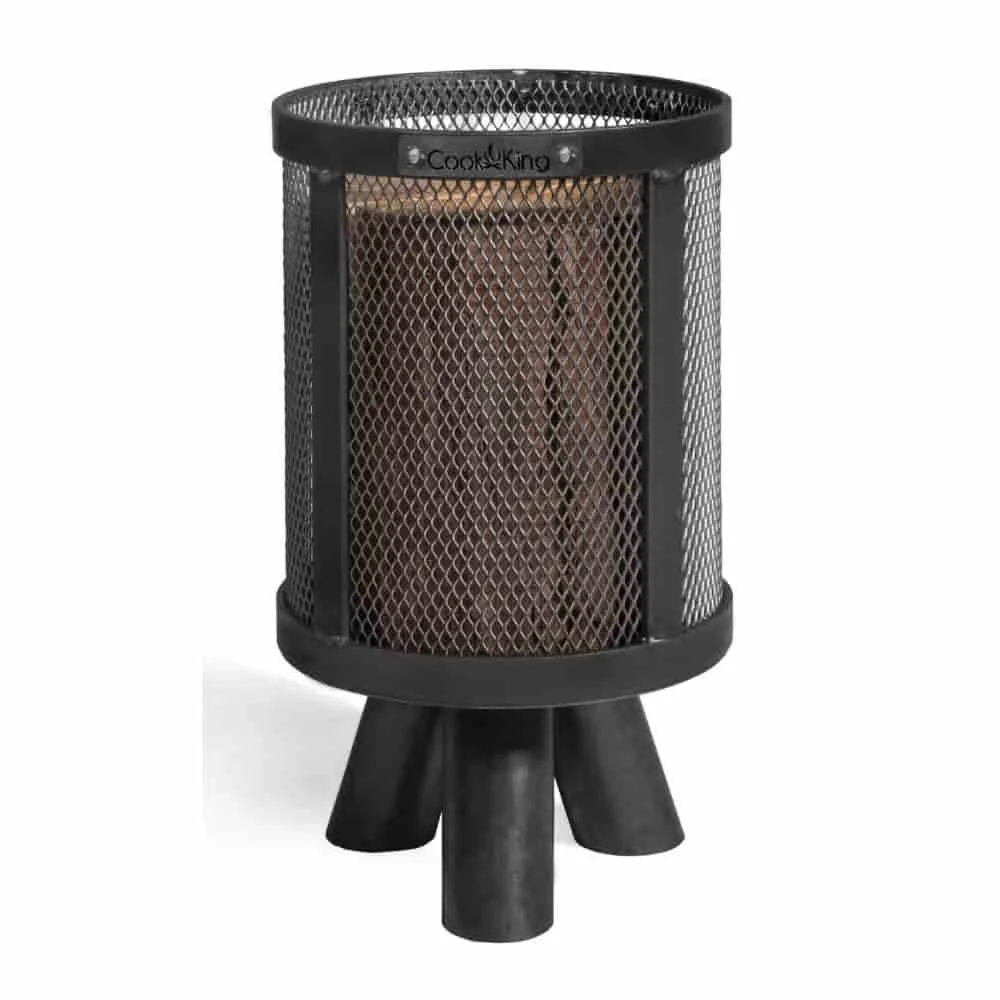
Fazit: Ein Projekt mit bleibendem Wert
Eine selbstgebaute Sonnenuhr ist ein Projekt mit Seele. Sie investieren Zeit und Kreativität. Das Ergebnis begleitet Sie für Jahre.
Es ist eine einzigartige Gartendeko mit Funktion. Sie erzählt eine Geschichte. Sie zeigt Ihre Verbindung zum Garten und zum natürlichen Lauf der Zeit. Beginnen Sie noch heute mit der Planung.
Für alle weiteren Projekte rund um Haus und Garten finden Sie Inspiration und Ausstattung in unserer großen Auswahl.
Häufige Fragen
- Wie funktioniert eine Sonnenuhr überhaupt?
- Eine Sonnenuhr zeigt die Zeit mit dem Schatten eines Stabes (Gnomon). Die Sonne wandert scheinbar über den Himmel, der Schatten wandert entsprechend über eine Skala. Die Skala ist für den genauen Standort berechnet. Die Ausrichtung nach geografisch Norden ist dabei essenziell.
- Welches Material eignet sich am besten für eine DIY-Sonnenuhr?
- Robuste, witterungsbeständige Materialien sind ideal. Gartenkalkstein oder Sandstein lassen sich gut bearbeiten. Harthölzer wie Eiche oder Robinie benötigen einen guten Wetterschutz. Auch Metallblech oder eine Betonplatte sind langlebige Optionen für Ihre Gartendeko.
- Kann ich meine Sonnenuhr auch im Schatten aufstellen?
- Nein. Eine Sonnenuhr benötigt direkten, ungehinderten Sonnenschein über den ganzen Tag. Wählen Sie einen Platz, der von morgens bis abends besonnt ist. Bäume, Gebäude oder hohe Hecken dürfen keinen Schatten auf das Zifferblatt werfen.
- Warum zeigt meine selbstgebaute Sonnenuhr nicht die exakte Uhrzeit?
- Sonnenuhren zeigen die Wahre Ortszeit (WOZ), die von unserer mitteleuropäischen Zeit (MEZ) abweicht. Grund sind die Zeitgleichung und der Längengrad Ihres Standorts. Eine präzise geografische Nordausrichtung und eine korrekt berechnete Skala minimieren die Abweichung.
- Wie schütze ich meine Holz-Sonnenuhr vor Witterung?
- Beizen oder spezielle Gartenholz-Öle schützen das Holz von innen. Ein regelmäßiger Nachschutz ist nötig. Für den Winter oder lange Regenperioden empfiehlt sich eine Abdeckung für Gartenmöbel, um die Lebensdauer zu verlängern.
Das könnte Sie auch interessieren
- Kreative Gartendeko basteln: Feierabend-Projekte für Ihren Outdoor-Bereich
- Leuchtturm selber bauen: Beeindruckende Gartendeko für Ihr Zuhause
- Vogelbad selber bauen: DIY-Anleitung für Ihren Garten
- Sichtschutz selber bauen: Kreative Ideen für Ihren Garten
- DIY: Natürliche Weihnachtsdeko aus Gartenmaterialien basteln
- Laternen selber bauen: Kreative Ideen für Haus & Garten