
In brief: Spiders mainly seek shelter and food. To get rid of them, first eliminate insects as a food source. Keep spiders away with essential oils such as peppermint or lemon. Seal cracks around windows and doors. Regularly vacuuming corners and areas behind furniture destroys webs and egg sacs. For persistent infestations, specialist products from pest control can help.
Spiders in the House: Natural Remedies and Prevention
Spiders in the house make many people uncomfortable. You do not have to put up with them. With targeted measures, you can keep these eight-legged visitors away and prevent them from returning. This article explains practical home remedies and shows you how to make your home less attractive to spiders.
Why do spiders come into the house?
Spiders are not pests in the traditional sense. They are looking for three things: food, shelter and a suitable climate. Your home often provides all three. Insects such as mosquitoes and flies serve as prey. Unused corners, basements and attics become hiding places.
Many spider species move indoors especially in autumn. They are looking for a warm place to spend the winter. You may then suddenly find them on windows, in bathtubs or behind cupboards. Once you understand these reasons, you can take targeted action.
Pro tip
Observe where spiders and, above all, their webs are located. These places reveal where other insects are getting into your home. A spider builds its web where prey flies past. Seal these entry points and you remove the spider's food source.
How can I keep spiders away with natural home remedies?
Chemical insecticides are rarely necessary. Many natural substances act as reliable deterrents. They are safe for people and pets.
Essential oils as a scent barrier
Spiders rely heavily on their sense of smell. They avoid certain strong scents. Peppermint oil, tea tree oil, lavender and lemon have proven effective.
Soak cotton balls with a few drops of the oil. Place them in room corners, on windowsills, behind furniture and on shelves. Replace the cotton balls every three to four days because the scent fades. Alternatively, mix the oil with water in a spray bottle and regularly spray the areas at risk.
Vinegar and lemon for windows and doors
A mixture of water and household vinegar is suitable for wiping windowsills, door thresholds and skirting boards. The acidic smell keeps spiders away. You can achieve a similar effect with lemon peels.
Rub the inside of a lemon peel over window frames. Or place fresh peels on the windowsill. This works for several days. Combine this method with regular vacuuming.
Important note
Always test essential oils and vinegar solutions on an inconspicuous area first. Some surfaces, such as natural stone, painted wood or certain plastics, may be damaged. Always dilute the oils and use them sparingly.
Which preventive measures work in the long term?
Keeping spiders away is often not enough. You need to eliminate the underlying causes. This means making your home unattractive to spiders. Focus on three areas: food, entry points and hiding places.
Eliminate food sources
Spiders only stay if they can find food. So reduce the insect population inside your home. Install fly screens on all windows and patio doors. Use insect hotels outdoors to encourage beneficial insects that help reduce pest insects.
Do not leave open fruit or food scraps lying around. Keep bins well covered. Special bait stations such as the ant bait station can help against ant trails. Fewer insects automatically mean fewer spiders.
Seal entry points systematically
Inspect your home with a critical eye. Check window and door frames for gaps. Inspect where pipes and cables pass through walls. Take a close look at basement windows and light wells.
Seal any cracks you find with acrylic, silicone or special sealing tape. Fine-mesh copper or plastic mesh is suitable for larger openings. Also pay attention to the house drainage system. Leaky traps can provide entry points.
The most effective way to prevent spiders is a combination of physical protection and good household hygiene. Fly screens are the first line of defence. Regularly removing spider webs is the second.
Reduce hiding places
Spiders love undisturbed, dusty corners. Tidy your basement, attic and storage rooms. Remove old cardboard boxes, piles of newspapers and unused items. Store belongings in sealable plastic boxes rather than open cardboard boxes.
Do not place furniture directly against the wall. Leave a small gap so you can vacuum behind it regularly. The areas behind the bed, large cupboards and radiators are particularly important.
Additional advice
Do not forget the areas outside your home. Spiders often live first in climbing plants on the facade, under roof overhangs or in garden shelters. Keep vegetation around windows and doors trimmed. Regularly remove spider webs from the exterior walls. This helps prevent spiders from coming indoors.
When are specialist pest control products useful?
For a severe or persistent infestation, home remedies are sometimes not enough. This is especially true for cellars, attics or garages. In these cases, targeted products can help.
: "Spider Stop" is a specialist spray that creates a long-lasting barrier against spiders. Spray it along typical routes such as skirting boards, window frames and door thresholds. The product remains effective for several weeks.: Aparasit pest control is suitable for indoor and outdoor use. It targets not only spiders but also the insects they feed on. This helps break the food chain at its source.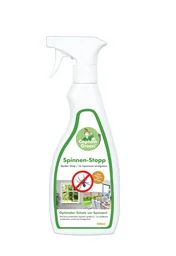
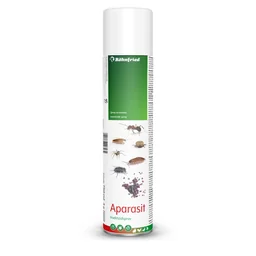
If other insects are the problem, consider
the ant bait stations. They effectively control ants and, indirectly, their predators: spiders.: Junai pest control is a versatile animal repellent. It can also be used to deter spiders. Always follow the instructions for use.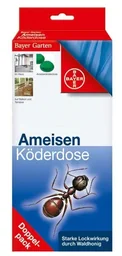
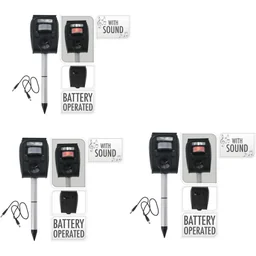
Biocides should always be used as a last resort. Mechanical barriers and prevention should come first. If you use products, apply them selectively and only in limited areas to protect beneficial insects and the environment.
How can I keep spiders out of my home permanently?
Long-term success depends on routine. Incorporate a few simple habits into your cleaning routine. Once a week, vacuum all corners, along ceiling edges and behind furniture. Use a vacuum cleaner with a crevice tool for this.
Regularly wipe window sills and skirting boards with a damp cloth. This removes scent trails that could attract other spiders. In autumn, check all entry points particularly thoroughly.
Create an environment spiders dislike. Spiders prefer dry, quiet and undisturbed places. Ventilate regularly to reduce humidity. Avoid dust traps such as open shelving filled with lots of small items in bedrooms and living rooms.
Conclusion: Consistency over harsh chemicals
The most effective way to get rid of spiders in your home is to combine deterrence with prevention. Start with natural home remedies such as essential oils. Then systematically eliminate entry points and hiding places.
Remember that spiders are useful too. They catch flies and mosquitoes. A completely spider-free home is neither realistic nor environmentally sensible. The aim is to reduce the population to a tolerable level and keep spiders out of living areas.
With the measures outlined here, you can create an environment where spiders do not feel comfortable. This helps you regain control of your home.
Frequently asked questions
- Which home remedy works best against spiders?
- Essential oils such as peppermint, tea tree or lemon reliably repel spiders. Soak cotton balls or small pieces of cloth and place them in corners, on windowsills and behind furniture. The intense scent barrier is pleasant for people but unbearable for spiders. They avoid the treated areas. Renew the scented repellents every few days.
- Why do I suddenly have so many spiders in my home?
- A sudden increase in spiders often indicates a higher number of insects. Spiders follow their food. Check whether mosquitoes, flies or moths have got inside. The time of year is also often a factor. In autumn, many species look for a warm place to spend the winter. At this time, check cellars, lofts and window frames particularly carefully for entry points.
- Can spiders in the house simply be killed?
- Spiders are generally protected under wildlife conservation laws, although not all species have special protection. Killing them unnecessarily is not sensible from an ecological perspective, as they are useful insect predators. It is better to remove them gently using a glass and a piece of paper, or to deter them as a preventive measure. In the event of a serious infestation in sensitive areas, you can use pest control products.
- Which areas of the house should I check to prevent spiders?
- Systematically check all potential entry points. These include leaky window and door frames, cracks in the façade, ventilation shafts and openings for pipes or cables. Check cellar windows and light wells. The house drainage system can also provide an entry route. Seal any gaps you find with silicone or brush seals.
- Does regular cleaning really help against spiders?
- Yes, consistent hygiene is one of the most effective preventive measures. Vacuum regularly in all corners, under furniture, along ceilings and in alcoves. This removes cobwebs and egg sacs. Also get rid of clutter such as stacks of newspapers or rarely used cardboard boxes. These provide perfect hiding places for spiders. A clean, tidy home is much less attractive to them.
You might also be interested in
- Get rid of spider mites: how to identify them and home remedies
- Buy anti-spider spray: your guide to a spider-free home
- Repel spiders with conkers: myth or insider tip?
- Spider season? How to protect your boat & home from cobwebs
- Get rid of flies in the house: home remedies & tips
- Cellar spiders in the house: beneficial rather than harmful