
In brief: The spring planting season begins in March with hardy vegetables such as radishes and spinach. Herbs and potatoes follow in April. After the Ice Saints in May, you can safely plant frost-sensitive crops such as tomatoes and courgettes outdoors. Good soil preparation and the right timing are crucial for success.
The first warm rays of sunshine awaken nature and the desire to garden. Spring is the most important time to lay the foundations for a bountiful harvest and a garden full of flowers. But timing is everything. Sow too early and you risk frost damage. Wait too long and you shorten the growing season. This guide will help you navigate the spring planting season and show you when to plant vegetables, herbs and flowers.
Preparing the garden: The first step towards a successful planting season
Before the first seed goes into the soil, your garden needs some preparation. Careful soil preparation is the basis for healthy plant growth. As soon as the soil is no longer frozen and has dried out reasonably well, you can get started.
Loosen the soil in your beds thoroughly with a digging fork or cultivator. This aerates the soil and makes it easier for roots to grow. Carefully remove all weeds, including their roots, to give your young crops the best possible start without competition.
Healthy soil is rich in nutrients. Work mature compost or organic fertiliser into the top layer of soil. This improves the soil structure, encourages soil life and supplies your plants with important nutrients. Also check your gardening tools. Sharp spades and clean rakes make the work much easier. In our Garden + Plant Accessories category, you will find everything you need for the perfect start.
When is the right time to start planting?
The exact starting date depends on your region and the current weather. Two factors are crucial: soil temperature and the risk of late frosts. Many seeds only germinate once the soil reaches a certain temperature. A soil thermometer can provide useful guidance. Carrots, for example, germinate at just 3 °C, while beans need at least 10 °C.
There is a difference between direct sowing outdoors and starting plants indoors. Hardy, cold-tolerant varieties can be sown directly in the bed. Heat-loving plants such as tomatoes and peppers should be started indoors from February or March on a bright windowsill. This gives them a head start, allowing you to plant them outdoors as strong young plants after the last frost.
Important note
Keep an eye on the Ice Saints! Traditionally, the days from 12 to 15 May can still bring night frosts. Do not plant frost-sensitive crops such as tomatoes, cucumbers or courgettes outdoors until after this period. Keep protective fleece ready to cover crops that have already been planted if frost is forecast.
Spring planting calendar: What should be planted when?
To keep track of everything, a detailed month-by-month plan is helpful. This allows you to make the most of the season and enjoy a succession of harvests.
March: The first arrivals in the vegetable garden
March marks the official start of the outdoor gardening season. The soil is still cool, but some hardy crops are already happy to grow. Weather permitting, you can sow these crops directly in the bed:
- Vegetables: Radishes, spinach, lamb's lettuce, early carrots, parsnips, peas, broad beans and cut-and-come-again lettuce.
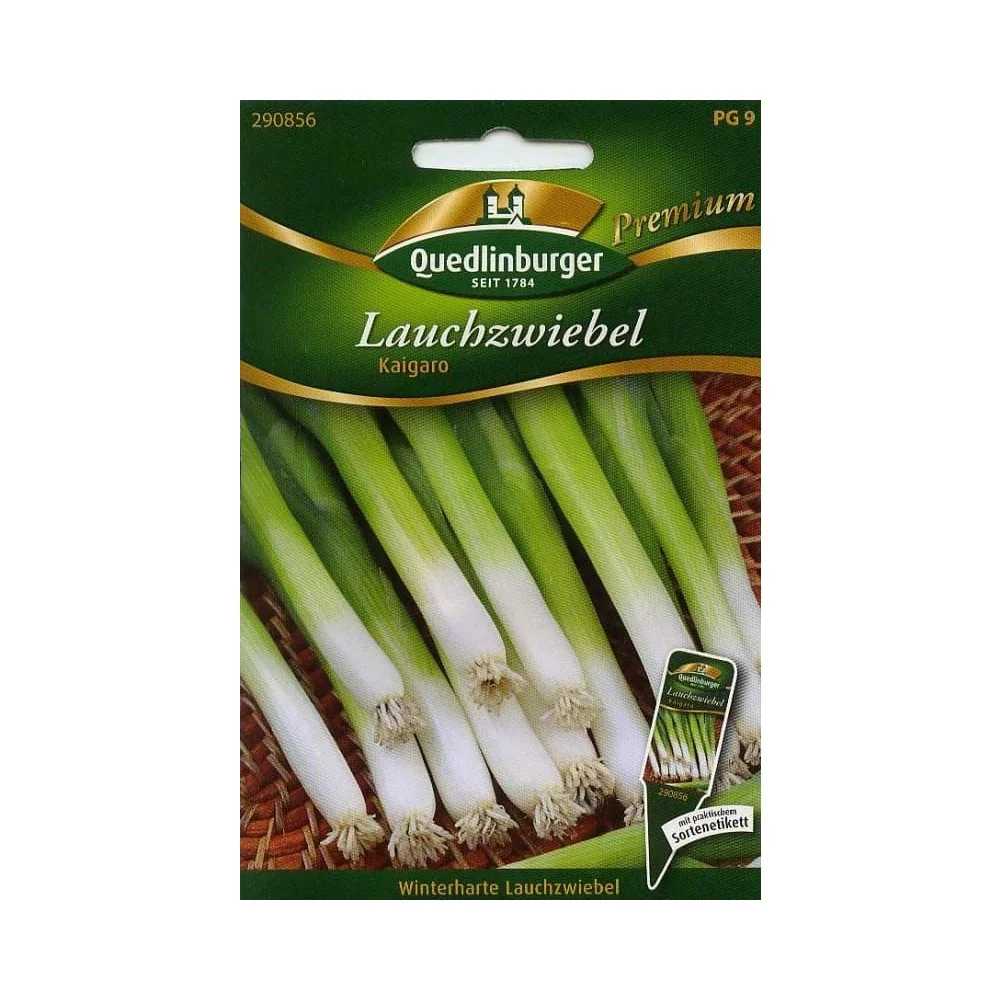
- Onion crops: This is the time to plant onion sets and shallots. It is also ideal for sowing spring onions. The variety is particularly hardy and productive.
- Herbs: Hardy herbs such as parsley and chervil can also be sown.
Indoors, the summer growing season gets underway. Start tomatoes, peppers, chillies, aubergines and celery on the windowsill or in the greenhouse. This gives them time to develop into strong young plants that can get off to a flying start in May.
Many gardeners underestimate how tolerant some vegetables are of cold weather. An early start in March not only rewards you with an early harvest, but also creates space for follow-on crops in summer.
April: The range grows
In April, the garden finally comes fully to life. Soil temperatures rise and the days get longer. The range of crops you can plant becomes much larger. Alongside further sowings of March vegetables, you can now grow more demanding varieties.
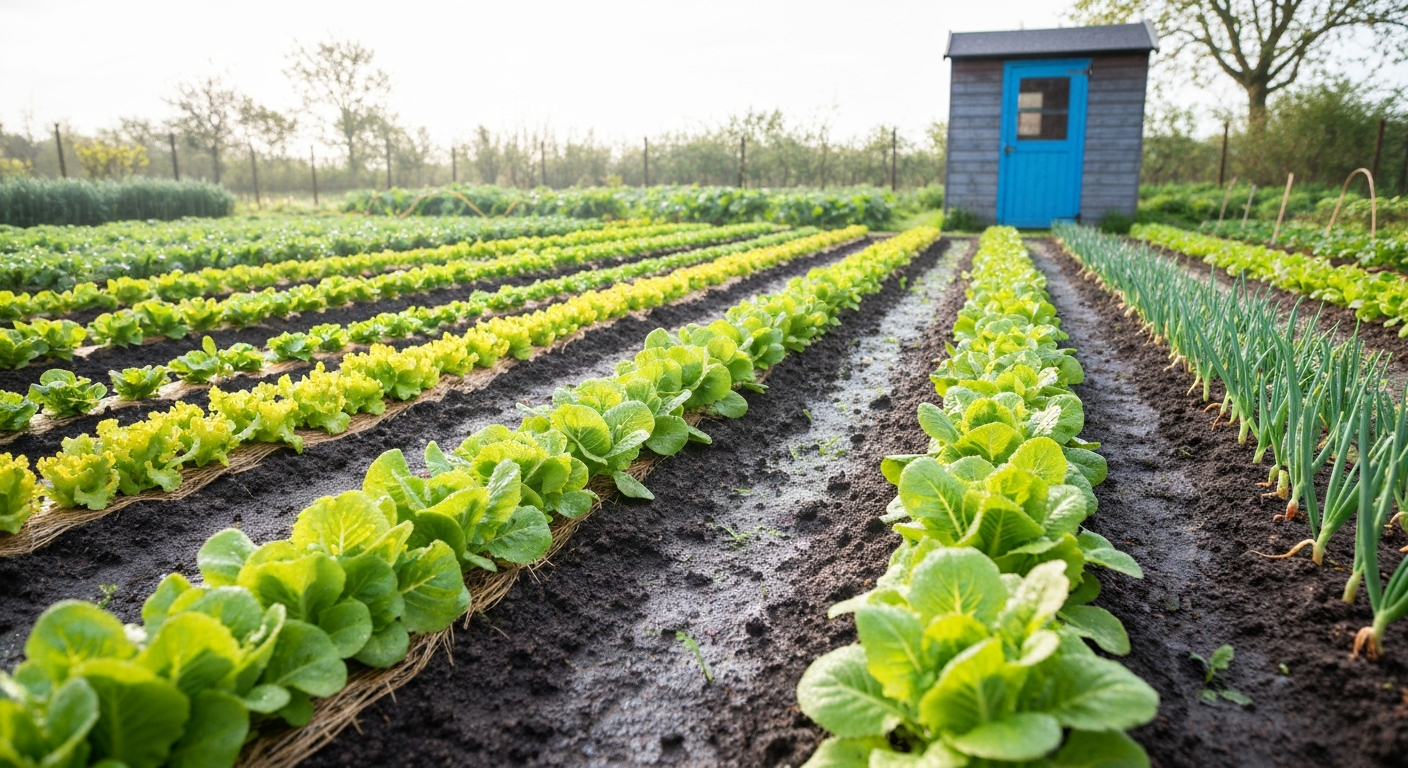
- Vegetables: Now is the best time to plant potatoes. You can also sow kohlrabi, leeks, Swiss chard, beetroot and different types of lettuce, such as butterhead and iceberg, directly or plant them as young plants.
- Herbs: Annual and perennial herbs such as dill, borage, chives and summer savoury can now be planted in the bed or herb planter.
- Flowers: Sow hardy annual flowers such as marigolds, cornflowers, poppies and love-in-a-mist directly where they are to grow.
The first plants are already showing vigorous growth and now need additional nutrients for healthy development. Supplying them with the right plant and flower fertiliser helps produce strong plants and a bountiful harvest.
Pro tip
Practise succession sowing. Every two to three weeks, sow a small amount of fast-growing vegetables such as radishes or lettuce. This helps prevent a glut and gives you fresh vegetables to harvest over many weeks.
May: Plant freely after the Ice Saints
May is a favourite month for gardeners. After the Ice Saints in the middle of the month, the greatest risk of frost has passed. All frost-sensitive plants started indoors can now move outdoors. The beds quickly fill up.
- Vegetables: Tomatoes, cucumbers, courgettes, pumpkins, peppers, aubergines and all types of beans, including runner and dwarf beans, can now be planted or sown. Sweetcorn and heat-loving lettuces such as endive can also go in the ground now.
- Herbs: Plant Mediterranean herbs such as basil, rosemary, thyme and oregano in a sunny, warm spot.
- Flowers: Plant the bulbs or tubers of dahlias, gladioli and begonias. It is also the ideal time to sow nasturtiums, zinnias and cosmos.
Pankraz, Servaz and Boniface make way for summer.
The garden is now in full growth. The beds are planted and the first results are becoming visible. Now the maintenance phase begins.
How do you care for your young plants properly?
Planting is not the end of the work. Young seedlings and sprouts are delicate and need your attention to grow strong and healthy. Proper care can make the difference between success and failure.
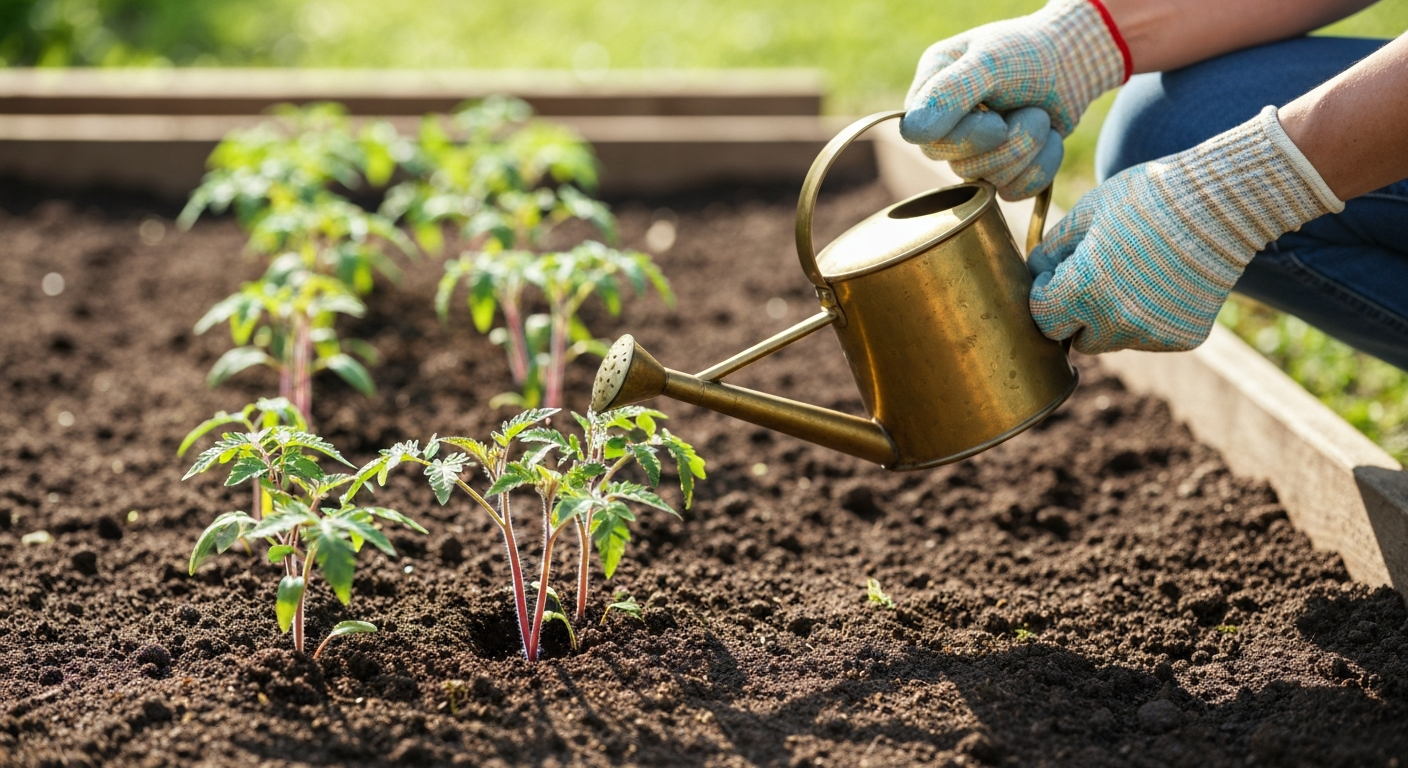
Water regularly, but avoid waterlogging. The best time is early in the morning, so the leaves can dry during the day and fungal diseases have less chance to develop. A layer of mulch made from grass clippings or straw retains moisture in the soil and suppresses weeds.
Look out for pests such as slugs or aphids. Natural remedies or simply removing the pests by hand are often enough. A resilient garden with a high level of biodiversity often regulates itself. If there is a more serious infestation, you will find effective and environmentally friendly solutions in our plant protection range. Your lawn will also benefit from feeding in spring. A special spring lawn feed helps it develop a rich green colour.
Additional advice
Don't forget to harden off your plants! Plants that have been started indoors are used to the mild conditions on the windowsill. Before planting them out permanently, place them outdoors in a shady, sheltered spot during the day for 7-10 days. This gradually acclimatises them to sunlight, wind and temperature fluctuations, preventing transplant shock.
Spring planting is an exciting and rewarding time. With the right planning, good preparation and the knowledge of what to plant and when, you can lay the foundations for a productive and beautiful garden. Enjoy working in the fresh air and looking forward to your own harvest.
Frequently Asked Questions
- When can I start planting after winter?
- You can start as early as March with cold-tolerant vegetables such as radishes, cut-and-come-again lettuce or peas. Wait until the soil is no longer frozen and has dried out well. For tender plants, wait until mid-May, after the last frost.
- Which vegetables can I plant in March?
- March is suitable for hardy vegetables that can be sown directly outdoors. These include radishes, spinach, lamb's lettuce, carrots, parsnips and onions. You can also start tomatoes, peppers and cucumbers indoors for planting out later.
- Do I need to protect my plants from late frosts?
- Yes, young and frost-sensitive plants must be protected from late frosts, which can occur into May. Use fleece or a polytunnel, or move potted plants to a sheltered place overnight.
- What does hardening off plants mean?
- Hardening off means gradually acclimatising plants started indoors to outdoor conditions. For one to two weeks, place the plants outdoors for a few hours during the day in a shady, sheltered spot before planting them out permanently.
- Which flowers can I sow in spring?
- From April onwards, you can sow many annual summer flowers directly in the flower bed, such as marigolds, cornflowers or sunflowers. Tender varieties such as zinnias or cosmos should not be sown until after the last frosts in May.
You may also be interested in
- Start of spring: when the gardening season really begins
- Spring planting for balconies and gardens in a basket: here's how
- Sowing flowers: the perfect time for a display of blooms
- Planting vegetables after the last frosts: the perfect start
- Gardening in April: the start of the gardening season
- Planting herbs: when to move your favourites outdoors