
Kurz erklärt: Im Test und Vergleich für Stützstrümpfe 2026 zeigt sich, dass die Wahl stark vom individuellen Anwendungszweck abhängt. Für leichte Stützung im Alltag eignen sich klassische Stützkniestrümpfe wie die Energy LYCRA Reihe. Bei medizinischen Indikationen sollten Sie ärztlich verordnete Kompressionsstrümpfe in passender Kompressionsklasse wählen. Entscheidend sind korrekte Größe, Material und Tragekomfort. Unser Vergleich hilft Ihnen, das passende Modell für Ihre Bedürfnisse zu finden.
Stützstrümpfe sind mehr als ein medizinisches Hilfsmittel. Sie bieten Alltagshilfe für viele Menschen. Ob bei langem Stehen im Beruf, auf Reisen oder zur Vorbeugung – die richtigen Strümpfe machen einen Unterschied. Unser Test und Vergleich für 2026 hilft Ihnen, im Angebotsdschungel den Überblick zu behalten.
Wir vergleichen verschiedene Modelle und Typen. Dabei konzentrieren wir uns auf Qualität, Tragekomfort und den konkreten Nutzen. Sie erfahren, worauf Sie beim Kauf achten müssen.
Inhaltsverzeichnis
Was sind Stützstrümpfe eigentlich?
Stützstrümpfe üben von außen einen dosierten Druck auf Ihre Beine aus. Dieser Druck unterstützt die Arbeit Ihrer Venen. Die Venen müssen das Blut gegen die Schwerkraft zurück zum Herzen pumpen.
Die Strümpfe helfen den Venenklappen, besser zu schließen. Sie verhindern so, dass Blut in den Beinen versackt. Das beugt Schwellungen, Schweregefühlen und anderen Beschwerden vor.
Wirkungsweise und Kompressionsklassen
Der Druck ist nicht überall gleich. Er ist am Knöchel am höchsten und nimmt nach oben hin ab. Diesen Druckgradienten nennt man Kompression.
Man unterscheidet verschiedene Kompressionsklassen:
- Klasse 1 (leichte Kompression): Für leichte Beschwerden und zur Vorbeugung.
- Klasse 2 (mittelstarke Kompression): Bei ausgeprägten Venenproblemen.
- Klasse 3 und 4 (starke Kompression): Für schwere Erkrankungen, immer nach ärztlicher Verordnung.
Die meisten im Handel erhältlichen Stützstrümpfe entsprechen der Klasse 1 oder liegen darunter.
Tipp: Bei Unsicherheit über die benötigte Kompressionsklasse lassen Sie sich von einem Facharzt für Phlebologie oder in einem Sanitätshaus beraten. Eine falsche Klasse kann nutzlos sein oder schaden.
Unsere Test-Kriterien im Vergleich
Im Test legen wir Wert auf praxisrelevante Eigenschaften. Nicht nur die reine Kompressionswirkung zählt, sondern auch der Alltagskomfort.
Material und Atmungsaktivität
Das Material bestimmt das Tragegefühl. Hochwertige Mikrofasern sind angenehm auf der Haut. Sie transportieren Feuchtigkeit gut ab. Das ist besonders im Sommer wichtig.
Baumwollanteile sorgen für ein natürliches Gefühl. Moderne Materialmischungen kombinieren die Vorteile. Achten Sie auf hautfreundliche, eventuell sogar zertifizierte Materialien.
Passform und Größenauswahl
Eine schlechte Passform macht jede Wirkung zunichte. Zu enge Strümpfe schnüren ein. Zu weite Strümpfe rutschen oder bilden Falten. Beides ist kontraproduktiv.
Eine differenzierte Größentabelle ist ein Qualitätsmerkmal. Gute Hersteller bieten viele Größen an. Sie berücksichtigen verschiedene Beinformen.
Verarbeitung und Haltbarkeit
Schauen Sie auf die Verarbeitung der Spitzen und der Ferse. Verstärkte Bereiche erhöhen die Lebensdauer. Flache Nähte verhindern Druckstellen.
Die Haltbarkeit zeigt sich auch nach vielen Waschgängen. Die Kompressionswirkung sollte erhalten bleiben. Qualitativ hochwertige Strümpfe halten länger und sind auf Dauer wirtschaftlicher.
Wichtig: Tragen Sie Stützstrümpfe nicht, wenn Sie eine fortgeschrittene periphere arterielle Verschlusskrankheit (pAVK) oder eine schwere Herzinsuffizienz haben. Fragen Sie im Zweifel immer Ihren Arzt.
Vergleich der besten Stützstrümpfe
Im Markt finden Sie eine große Auswahl. Wir stellen Ihnen einige empfehlenswerte Modelle vor. Die folgende Tabelle bietet einen direkten Überblick.
Die meistbewerteten Stützstrümpfe aus unserem Sortiment im direkten Vergleich:
| Modell | Kundenbewertung | Verfügbarkeit |
|---|---|---|
| Kompressionskniestrumpf, Farbe schwarz, Gr.39/42 | – | Derzeit nicht verfügbar |
| Kompressionskniestrumpf, Farbe schwarz, Gr.43/46 | – | Derzeit nicht verfügbar |
| Kompressions-Kniestrümpfe, Größe L/XL | – | Derzeit nicht verfügbar |
| Kompressions-Kniestrümpfe, Größe S/M | – | Derzeit nicht verfügbar |
| Stützkniestrümpfe Energy LYCRA, beige, Größe 35 - 38, 1 Paar | – | Derzeit nicht verfügbar |
Unter den getesteten Modellen stechen einige Produkte besonders hervor. Die Stützkniestrümpfe Energy LYCRA in beige, Größe 35 - 38 (
) überzeugen durch ihr hautfreundliches Material und den hohen Tragekomfort im Alltag. Sie eignen sich ideal zur Vorbeugung.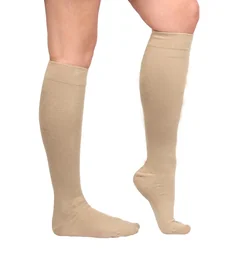
Für alle, die eine dezente schwarze Variante suchen, sind die Stützkniestrümpfe Energy LYCRA in schwarz, Größe 35 - 38 (
) eine ausgezeichnete Wahl. Die Farbe ist alltagstauglich und das Lycra-Material bietet eine zuverlässige, leichte Stützung.
Für größere Beinumfänge bieten sich die Kompressions-Kniestrümpfe in Größe L/XL (
) an. Sie zeichnen sich durch eine gute Passform auch bei kräftigeren Waden aus und sind robust verarbeitet.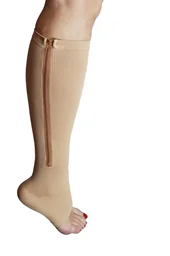
Hinweis: Die Verfügbarkeit der genannten Produkte kann variieren. Schauen Sie für das aktuelle Sortiment in unserer Kategorie Stützstrümpfe vorbei. Dort finden Sie weitere Modelle und Größen.
Kaufberatung: So finden Sie die passenden Strümpfe
Die Auswahl des richtigen Paares hängt von mehreren Faktoren ab. Gehen Sie systematisch vor.
Bestimmen Sie Ihren Bedarf
Fragen Sie sich: Was ist der Hauptgrund für das Tragen? Geht es um Vorbeugung bei stehender Tätigkeit? Sollen leichte Beschwerden wie schwere Beine gelindert werden? Oder haben Sie eine ärztliche Empfehlung?
Für Reisen eignen sich leichte Stützstrümpfe. Bei ersten Anzeichen von Besenreisern können Strümpfe der Kompressionsklasse 1 helfen. Für medizinische Indikationen ist der Arzt der richtige Ansprechpartner.
Die richtige Größe ermitteln
Das ist der wichtigste Schritt. Messen Sie morgens, bevor Sie aufstehen. Nutzen Sie ein flexibles Maßband.
- Messen Sie den dünnsten Punkt Ihres Knöchels (über dem Knochen).
- Messen Sie den Umfang der Wade an der dicksten Stelle.
- Bei Oberschenkelstrümpfen messen Sie auch den Oberschenkelumfang.
Vergleichen Sie Ihre Werte mit der Tabelle des Herstellers. Wenn Ihre Werte zwischen zwei Größen liegen, wählen Sie bei Stützstrümpfen oft die größere. Bei medizinischen Kompressionsstrümpfen gilt dies nicht.
Material und Länge wählen
Für den Sommer sind dünne, atmungsaktive Materialien ideal. Im Winter können Strümpfe mit höherem Baumwollanteil wärmer sein.
Kniestrümpfe reichen bis unter das Knie. Sie sind unkompliziert und für viele Alltagssituationen ausreichend. Strumpfhosen oder Oberschenkelstrümpfe sind nötig, wenn auch die Oberschenkel betroffen sind.
Weitere Produkte für Ihre Gesundheit finden Sie in unserem Bereich Gesundheit. Viele nützliche Haushaltshelfer entdecken Sie zudem unter Haushalt.
Tipps zur Anwendung und Pflege
Das richtige Anziehen
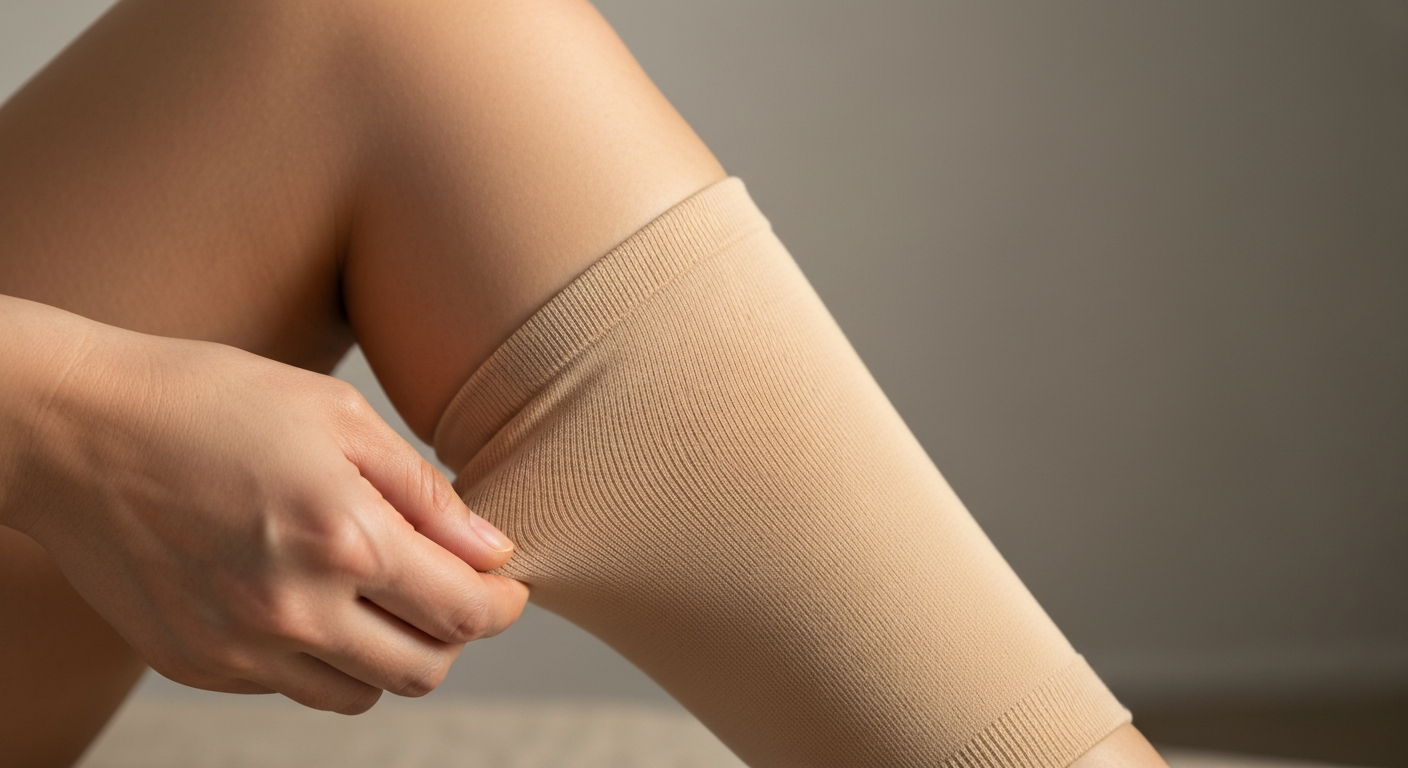
Das Anziehen erfordert etwas Übung. Ziehen Sie die Strümpfe morgens im Liegen oder Sitzen an, bevor die Beine anschwellen können.
Stülpen Sie den Strumpf zunächst bis zur Ferse um. Führen Sie den Fuß ein und ziehen Sie die Fersenpartie sorgfältig an. Dann streifen Sie den Strumpf langsam und gleichmäßig über Wade und Knie. Vermeiden Sie es, am Stoff zu ziehen. Verteilen Sie den Stoff gleichmäßig.
Pflege für lange Haltbarkeit
Die richtige Pflege erhält die Kompressionseigenschaften. Waschen Sie die Strümpfe nach jedem Tragen. Hautschuppen und Schweiß setzen die Fasern zu.
- Handwäsche oder Schonwaschgang bei 30°C.
- Mildes Flüssigwaschmittel verwenden.
- Keinen Weichspüler benutzen. Er legt sich auf die Fasern und reduziert die Elastizität.
- Strümpfe nicht wringen, sondern ausdrücken.
- Liegend an der Luft trocknen lassen, nicht auf der Heizung.
Mit guter Pflege halten hochwertige Stützstrümpfe mehrere Monate.
Häufige Fragen zu Stützstrümpfen
Viele Nutzer haben ähnliche Fragen. Wir haben die wichtigsten für Sie zusammengefasst. Detaillierte Antworten finden Sie im separaten FAQ-Bereich am Anfang dieses Artikels.
Dort klären wir unter anderem den genauen Unterschied zwischen Stütz- und Kompressionsstrümpfen. Wir erklären, wie Sie die perfekte Größe finden. Sie erfahren, ob vorbeugendes Tragen sinnvoll ist und wie die Pflege optimal gelingt. Auch die Frage nach der Sommer-Tauglichkeit wird beantwortet.
Stützstrümpfe sind eine wirksame und einfache Methode, Ihre Beine zu entlasten. Mit den Informationen aus unserem Test und Vergleich 2026 treffen Sie eine fundierte Kaufentscheidung. Denken Sie daran: Die beste Wirkung erzielen Sie mit Strümpfen, die korrekt passen und die Sie gerne und regelmäßig tragen.
Häufige Fragen
- Was ist der Unterschied zwischen Stütz- und Kompressionsstrümpfen?
- Stützstrümpfe bieten leichten Druck zur Entlastung bei alltäglichen Belastungen. Kompressionsstrümpfe erzeugen einen genau definierten, medizinischen Druckverlauf und sind ärztlich verordnete Hilfsmittel bei Venenerkrankungen. Die Grenzen sind fließend, doch die Kompressionsklasse gibt Aufschluss.
- Wie finde ich die richtige Größe für Stützstrümpfe?
- Messen Sie morgens vor dem Aufstehen den Umfang an mehreren Stellen wie Knöchel, Wade und Oberschenkel. Vergleichen Sie diese Werte mit der Größentabelle des Herstellers. Eine korrekte Passform ist essentiell, da zu enge oder zu weite Strümpfe ihre Wirkung verlieren oder schaden können.
- Kann ich Stützstrümpfe auch vorbeugend tragen?
- Ja, das ist sinnvoll. Bei stehenden oder sitzenden Tätigkeiten, auf Reisen oder in der Schwangerschaft können Stützstrümpfe die Venen entlasten und Beschwerden wie schwere Beine vorbeugen. Wählen Sie dann eine niedrige Kompressionsstufe.
- Wie pflege und wasche ich Stützstrümpfe richtig?
- Waschen Sie die Strümpfe schonend von Hand oder im Feinwaschgang bei max. 30°C. Verwenden Sie mildes Waschmittel ohne Weichspüler. Trocknen Sie sie liegend, nicht im Trockner oder auf der Heizung, um das Material und die Kompressionswirkung zu erhalten.
- Sind Stützstrümpfe auch im Sommer angenehm zu tragen?
- Moderne Materialien wie Mikrofaser oder spezielle Baumwollmischungen sind atmungsaktiv und feuchtigkeitsregulierend. Dünn gestrickte, hautfreundliche Modelle sind auch bei Wärme tragbar. Wählen Sie helle Farben, die weniger Wärme absorbieren.