
In brief: Create a succulent terrarium in glass with a well-draining substrate, a drainage layer and carefully selected small succulent varieties. An open or very large glass container is important to prevent waterlogging. Care is limited to sparing watering and a bright location without direct midday sun.
Succulents in Glass: Create Stylish Planters
A glass container filled with succulents captures the beauty of a miniature garden. These arrangements are modern indoor plant décor that take up very little space. They look great on any sideboard, desk or shelf.
The success of your glass terrarium depends on the right preparation. We show you how to showcase succulents in glass sustainably.
Contents
What materials do I need for my succulent terrarium?
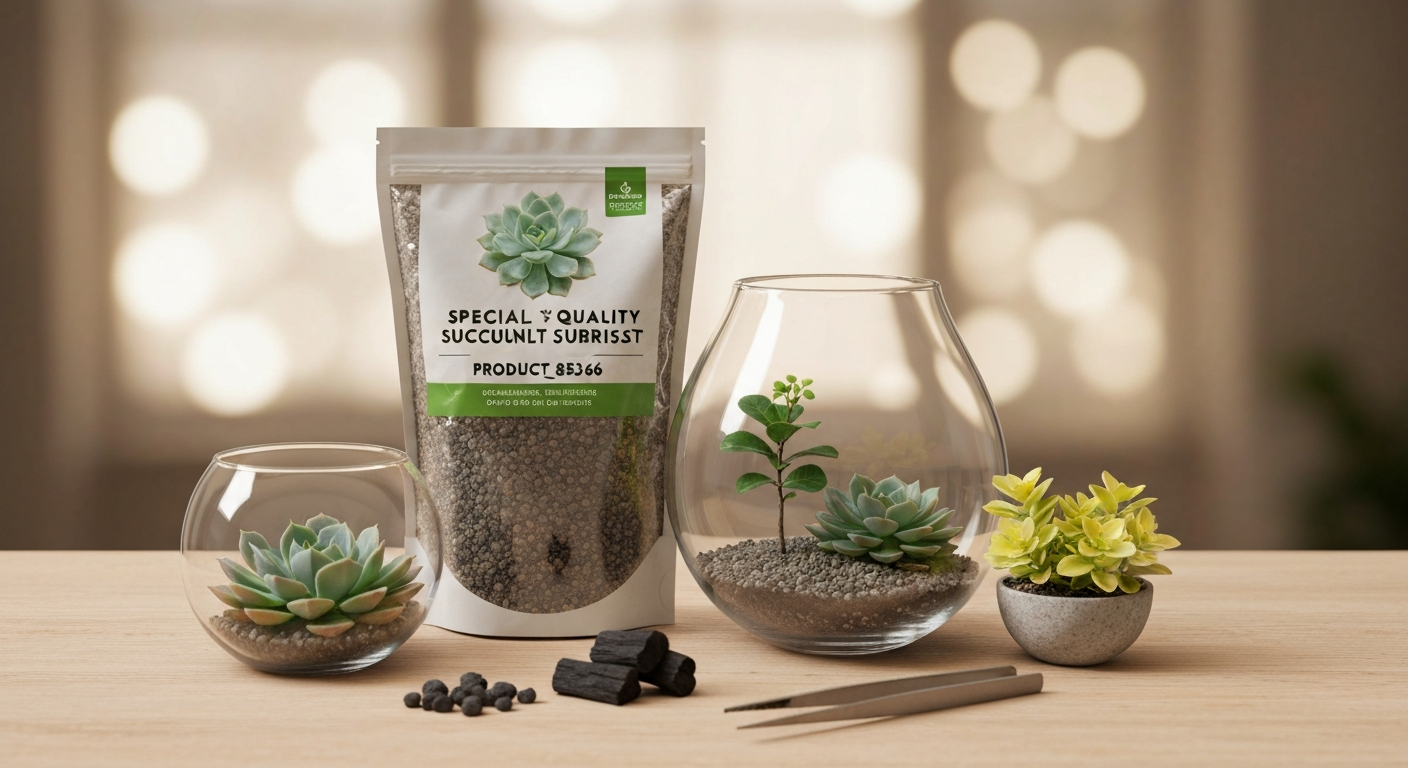
Choosing the right materials lays the foundation for healthy plants. Start with the glass container. An open container such as a bowl, goldfish bowl or large preserving jar is essential.
A closed terrarium creates a humid microclimate that is fatal to most succulents. Always choose a wide opening for maximum air circulation.
The substrate must drain water quickly. Ordinary potting soil is unsuitable. Choose a special . This soil is mineral-based and structurally stable.
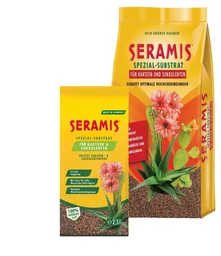
For drainage, add a layer of expanded clay or pebbles. It prevents the roots from sitting in water. A thin layer of activated charcoal on top keeps the substrate fresh.
Choose small, hardy succulents. Echeverias, Haworthias and Sedum are good candidates. Buy them from a nursery rather than choosing trendy mini plants at the supermarket. These are often weakened.
Pro tip
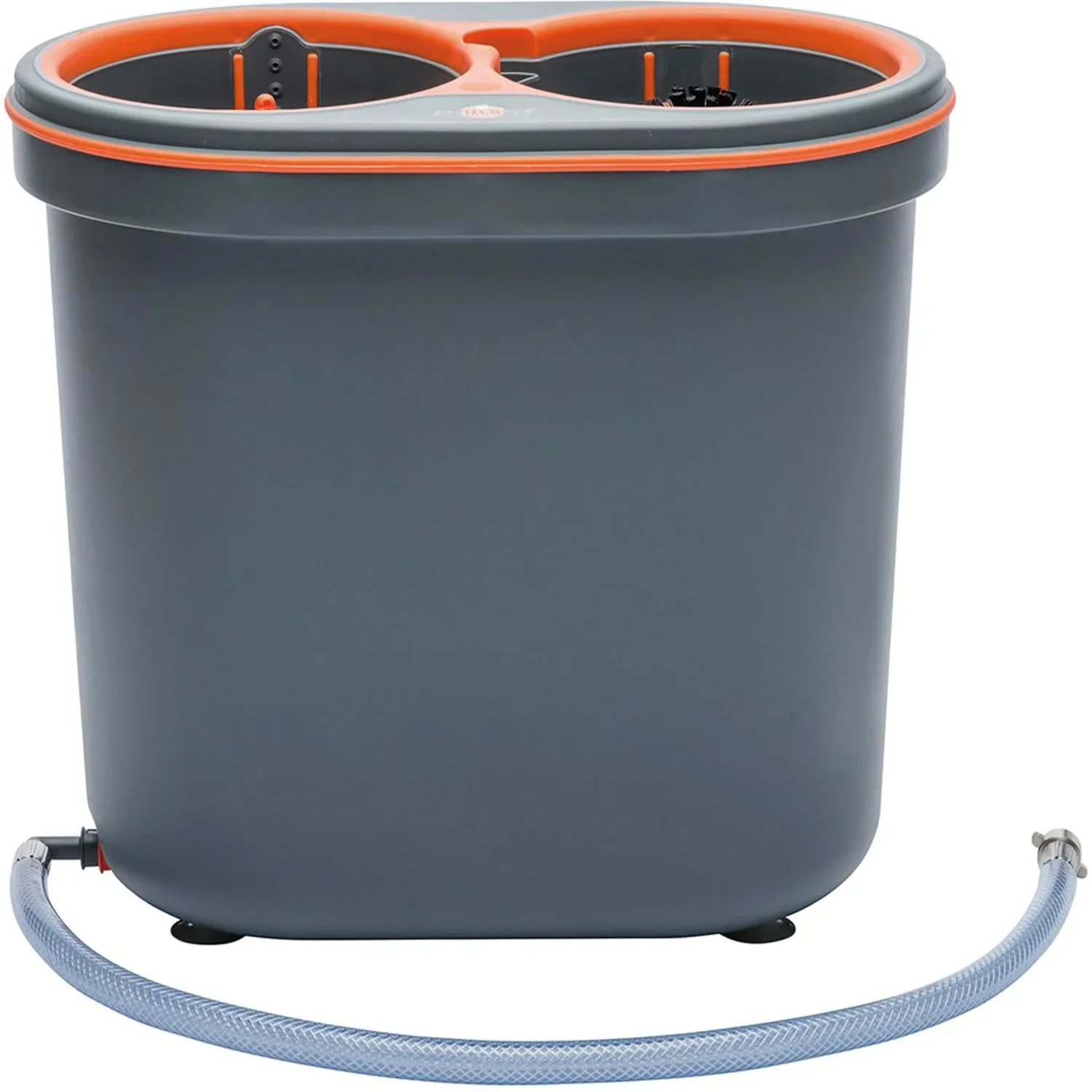
Clean the glass thoroughly before planting. Greasy fingerprints and traces of dust affect the appearance. Use an efficient or standard glass cleaner. Dry it completely.
The tools for delicate tasks
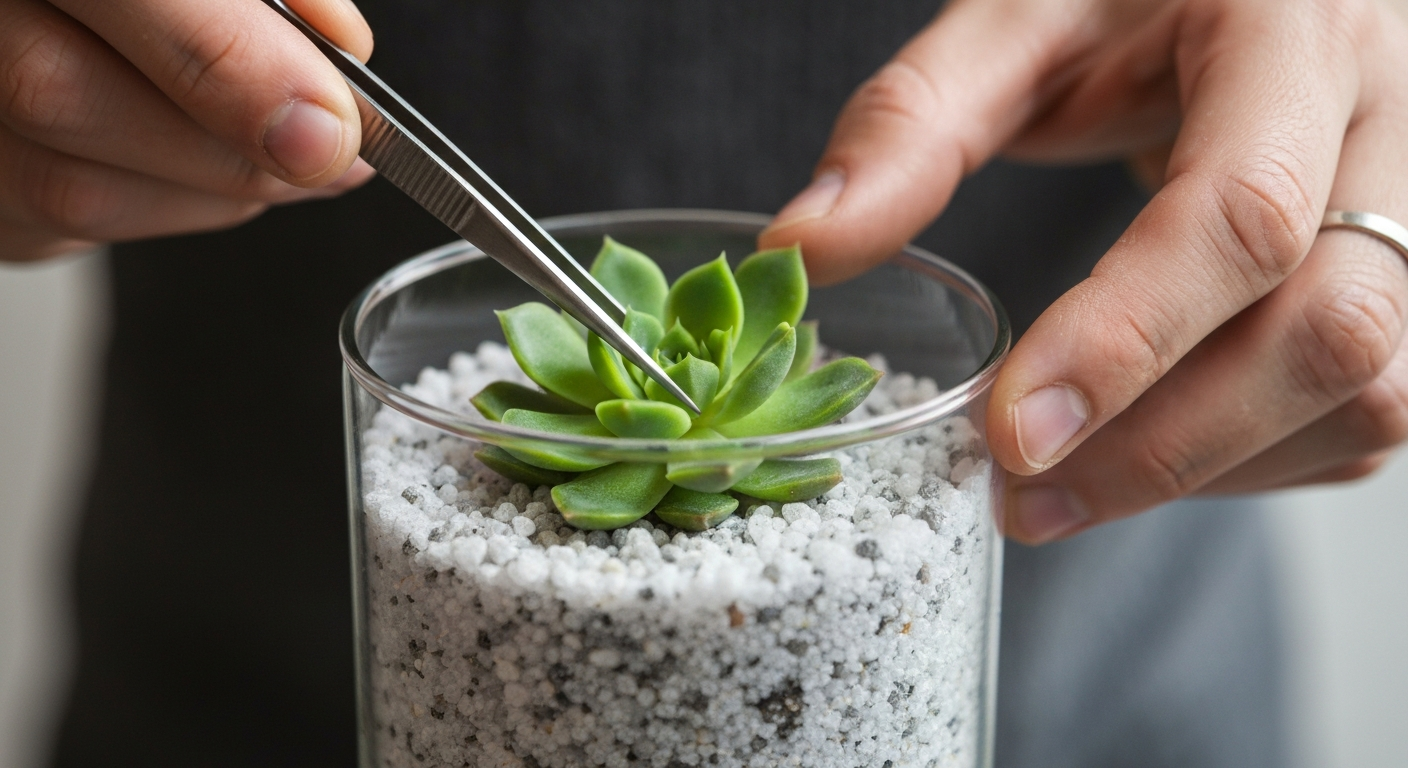
You do not need any special equipment. A long spoon or planting stick helps you add the soil. Tweezers or long kitchen tongs allow you to position the plants precisely.
A small brush removes soil residues from the leaves and glass wall after planting. A hand brush and dustpan collect any excess material.
How do I plant the glass terrarium step by step?
Have all the materials ready. Work on a protected surface covered with newspaper. This helps keep the mess under control.
Start with the drainage. Add a layer of expanded clay two to three centimetres high. For a tall, narrow glass container, this layer can be slightly thicker. It is invisible but vital.
Important note
Avoid brightly coloured sand or gravel as drainage. The colour may leach out and damage the roots. Natural, undyed materials are the safest choice for your plants.
Sprinkle a thin layer of activated charcoal granules over the expanded clay. It prevents mould and has a disinfecting effect. Now add the substrate. Fill in enough to give the succulents' roots plenty of room later.
Use the spoon to make small hollows for the plants. Carefully remove the succulents from their pots. Gently loosen the root ball. Place the largest plant first. It will be the focal point.
Arrange the smaller succulents around it. Leave some space between the plants. Although they grow slowly, they need air. Gently press down the soil.
Final touches after planting
Use the brush to remove all soil residues from the leaves. Clean the inside of the glass to remove any marks. This will show off the arrangement at its best.
You can cover the surface with decorative stones, shells or pieces of wood. This not only looks good, but also reduces evaporation. Do not water the freshly planted terrarium immediately.
Wait one week after planting before watering for the first time. This gives any damaged roots time to heal. It significantly reduces the risk of rot.
How do I care for succulents in glass?
Caring for your glass terrarium is minimal but essential. Water the succulents very sparingly. Use a watering can with a long, narrow spout or a syringe.
Direct the water onto the substrate around the roots. The leaves should not get wet. Allow the soil to dry out completely between waterings. This can take three to six weeks.
Additional advice
Feed your succulents during the growing season from March to September. Use a special cactus fertiliser such as . Use half the dosage stated on the packaging. Do not fertilise in autumn and winter.
Cut off dried or dead leaves at the base. This preserves the appearance and prevents areas of rot. If a plant becomes too large, carefully remove it and replace it with a smaller one.
Fertilising is rarely necessary for succulents in glass. The limited volume of substrate provides enough nutrients. If you do want to fertilise, use a liquid cactus fertiliser in a highly diluted form.
What is the ideal location for a glass terrarium?
Succulents need plenty of light. Place your glass terrarium in a bright spot. An east- or west-facing window is perfect. The morning or evening sun will not harm the plants.
Avoid direct midday sun behind a south-facing window. The glass acts like a magnifying glass and can scorch the plants. The heat also builds up inside the container.
A spot above a radiator or in a cold draught is unsuitable. Succulents prefer consistently warm conditions. Turn the glass a quarter turn every few weeks. This helps the plants grow evenly towards the light and prevents them from leaning.
When there is not enough light
Succulents suffer in dark corners or during winter. Their stems become long, thin and pale. This is called etiolation. A grow light can help.
In the range of decorative lamps, you will also find suitable LED grow lights. A few hours of additional light each day will keep your succulents compact and colourful.
How can I decorate my succulent glass creatively?
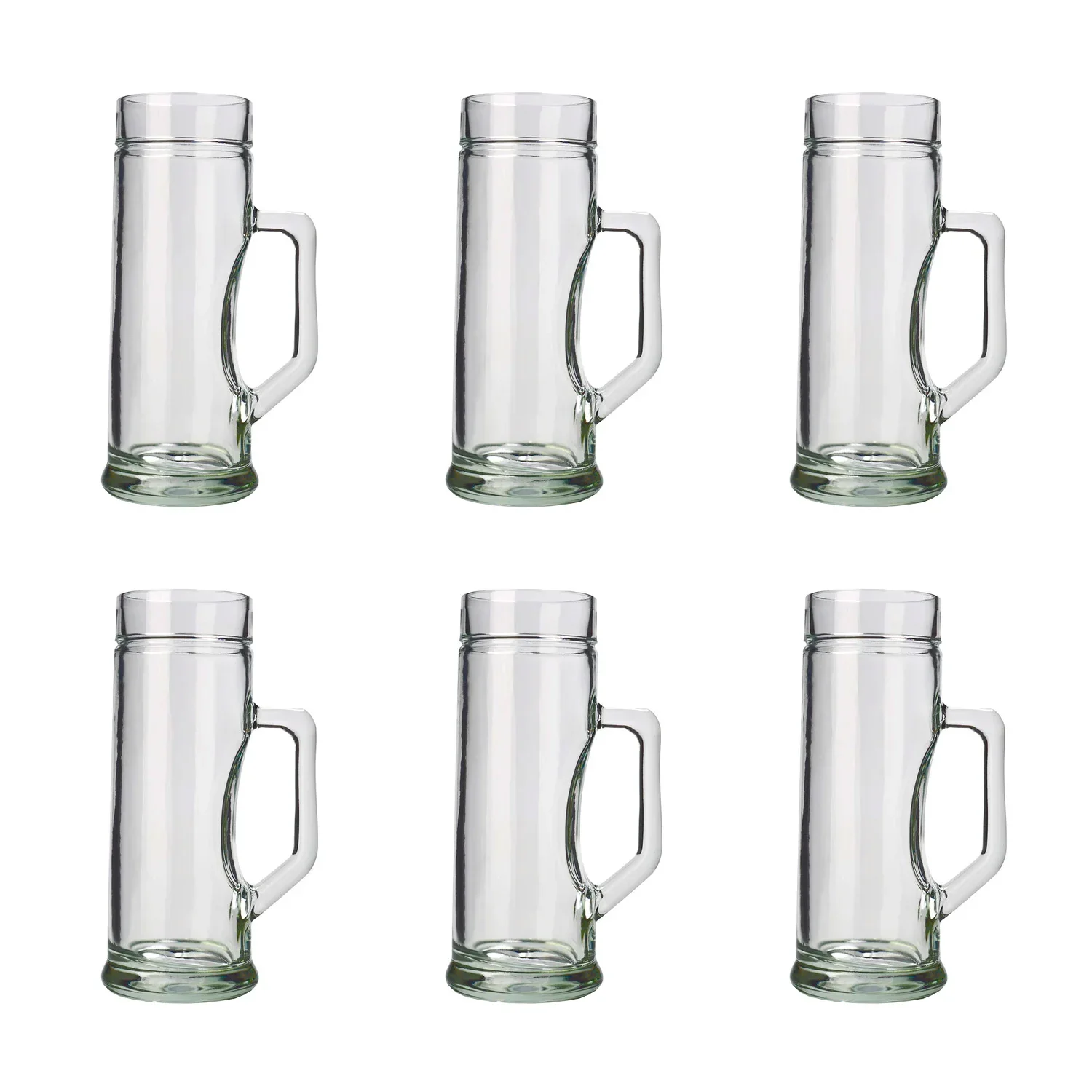
The glass itself is already decorative. Use unusual containers. An old becomes a rustic planter. A discarded laboratory jar or sweet jar adds industrial charm.
Create visual interest with plants of different heights and textures. Combine rosette-shaped Echeverias with upright-growing Haworthias and trailing Sedum. This creates depth.
Design the surface with natural materials. White quartz gravel, dark lava stones or moss create an attractive contrast. Small figures, such as delicate decorative animals, add playful accents.
For a festive atmosphere, add a tiny string of lights. Choose battery-operated LED lights that produce little heat. Carefully place them between the plants.
The terrarium as a complete work of art
Consider the setting as well. Place the glass on a wooden or concrete coaster. Position it next to other decorative objects or books.
Used as hanging décor, the terrarium becomes an eye-catching feature. Secure it with macramé hangers or strong cords to a hook in the ceiling.
What problems can occur and how can I solve them?
Brown, mushy leaves at the base are a warning sign. They indicate root rot caused by waterlogging. Stop watering immediately. Remove the affected plant along with all rotten roots.
Let the remaining plants and the soil dry out completely. Check whether the drainage is working. You may need to replant the terrarium with a deeper drainage layer.
Mould on the surface of the soil indicates too much moisture and insufficient air circulation. Scrape off the affected layer. Ventilate the room more often. In future, water even less.
If the plants become pale and leggy, the glass is in too dark a place. Find a brighter location. Wrinkled, dried-out leaves can also indicate underwatering. Soak the root ball in water for ten minutes, then let it drain thoroughly.
With this knowledge, you can create a succulent terrarium that will bring you joy for a long time. It is more than short-lived houseplant décor. It is a living, minimalist work of art for your home.
Frequently Asked Questions
- Which succulents are suitable for a glass terrarium?
- Choose small, slow-growing varieties such as Echeverias, Haworthias, Sedum or certain Crassula varieties. They tolerate higher humidity better than large, highly succulent plants. Avoid cacti, which need drier air.
- How often should I water succulents in a glass terrarium?
- Water very sparingly, about every 3-4 weeks. The substrate should dry out completely between waterings. Check with your finger whether there is still moisture deeper down. If in doubt, wait longer.
- Why are my succulents dying in the glass terrarium?
- The most common cause of death is waterlogging from overwatering or using a closed container. Rot starts at the roots. Make sure there is a drainage layer, use well-draining soil and water minimally.
- Can I use a closed glass as a terrarium?
- A closed glass container is unsuitable for succulents. The resulting water cycle creates too much moisture and causes the plants to rot. Always use an open glass or one with a very wide opening.
- What type of substrate do succulents need in a glass terrarium?
- Use special cactus and succulent soil. For better drainage, mix it with pumice, lava grit or coarse sand. Regular potting soil retains too much water and causes root rot.
You may also be interested in
- DIY succulent picture frame: green art for your home
- Upcycling: Make vases from glass bottles yourself
- Decorating amaryllis in a glass: stylish winter décor to make yourself
- Hygge in a glass: make lanterns and DIY décor yourself
- Create an urban jungle: houseplants for your home
- Make your own Easter vase: creative décor ideas