
In brief: You can effectively replace conventional sponges with homemade alternatives. Use materials such as cotton cloths, cactus fibers or loofahs. They are durable, more hygienic and kinder to the environment. You save money and produce less waste. They often deliver better cleaning results than synthetic sponges.
Homemade Sustainable Kitchen Sponge Alternatives
Conventional kitchen sponges are disposable products. They wear out, spread germs and end up in the trash. There is another way. With simple household and natural materials, you can make durable cleaning tools for your kitchen. You save money, conserve resources and clean effectively.
Why you should replace conventional sponges
A conventional plastic sponge is made from polyurethane or other petroleum-based materials. Tiny particles are released every time it is used. These microplastics end up in wastewater.
The damp, porous structure is a perfect breeding ground for bacteria and mold. Studies show extremely high levels of germs after a short period of use. They need to be replaced often, creating more waste.
Sustainable alternatives avoid these problems. They use natural, biodegradable or machine-washable materials. This significantly reduces waste.
Materials for your DIY cleaning tool
You can often find the basics for homemade kitchen tools around the house. Old cotton towels, worn-out linen clothing or torn dish towels are perfect. They are soft, absorbent and durable.
Natural fibers provide scrubbing power. Dried loofah, also known as sponge gourd, is a classic choice. Cactus-fiber sponges are naturally antibacterial and very durable.
Don't forget the basic tools you'll need to make them: sharp scissors, strong thread and a needle. A sewing machine is useful for sewn versions, but not essential.
Pro tip
Use canvas or sturdy denim scraps for abrasive cloths. The tight weave removes dirt effectively without wearing out too quickly. Combine a rough layer with a soft one to make a versatile all-purpose cleaning tool.
How do you make a washable cleaning cloth?
A simple cloth is the quickest replacement. Cut squares in your preferred size from an old cotton towel or terry cloth. Sew around the edges with a zigzag stitch to prevent fraying.
Two-layer cloths are an elegant solution. Place two pieces of fabric right sides together and sew around them, leaving a small opening. Turn the cloth right side out and close the opening with an invisible slip stitch.
For extra absorbency, place a piece of absorbent microfiber batting between the fabric layers. Secure it with pins before sewing the layers together. The result is a highly absorbent cloth suitable for a wide range of uses.
The main hygiene benefit of fabric cloths is that they can be cleaned easily and effectively at high temperatures. Washing them at 60 degrees or on a hot cycle reliably kills harmful germs, something a conventional sponge can't do.
How do you use a loofah?
You can buy dried loofah at health food stores or online. Cut off a manageable piece, about 10 to 15 centimetres long. Soak it in warm water for a few minutes before using it for the first time to soften it.
Its natural fibrous structure scrubs gently but effectively. Use it on pots, durable countertops or the sink. After use, rinse the loofah thoroughly and let it dry completely.
After several weeks, the loofah will begin to show signs of wear. Simply compost the remains at home or put them in your food scraps bin. They will break down into natural soil.
Hygiene and care for your sustainable cleaning tools
Proper care keeps your DIY cleaning tools durable and hygienically clean. Rinse them thoroughly after use. Wring out the water and hang them up to dry.
A special container with air holes keeps damp cloths from sitting in a drawer. A simple tension ring over the faucet or a small hook beside the sink works just as well.
Important note
Use separate cloths for different areas. One cloth for dishes, one for surfaces and a third for heavy-duty cleaning helps prevent the spread of germs. It's best to use different colors or patterns to tell them apart.
Wash reusable cloths regularly at a minimum of 60 degrees Celsius. If they are heavily soiled or have unpleasant odors, boil them for ten minutes. Add a little vinegar to the water to neutralize odors and provide additional disinfection.
Switching to washable textiles significantly reduces household waste. A single cotton cloth can replace hundreds of disposable sponges and cloths over its lifetime. This benefits both the environment and your household budget.
More creative ideas for cleaning your kitchen
Knit or crochet sponges from pure cotton or jute yarn. This creates a grippy, abrasive surface. Use tight stitches. These crocheted cleaning tools are extremely durable and look like new after washing.
Coconut-fiber mats or brushes are ideal for heavy-duty cleaning. The stiff fibers loosen even dried-on dirt. The brushes are easy to rinse and dry quickly.
Homemade scouring powder can replace chemical cleaners. Mix baking soda with a little citric acid powder and dried soap flakes made from natural soap. Sprinkle it over damp surfaces and clean them with one of your DIY cloths.
Additional advice
You can make cleaning fun for kids. In our kids' kitchen category, you'll find accessories that get little ones interested in helping around the house. A colorful cloth of their own can encourage them to pitch in.
Where can you find sustainable accessories?
You may not have all the materials on hand right away. You can find many sustainable basics in our extensive shop. You'll also discover durable accessories for other areas of the home.
For garden care, we also offer long-lasting tools. For BBQ & smoking, too, we focus on quality that lasts for many years.
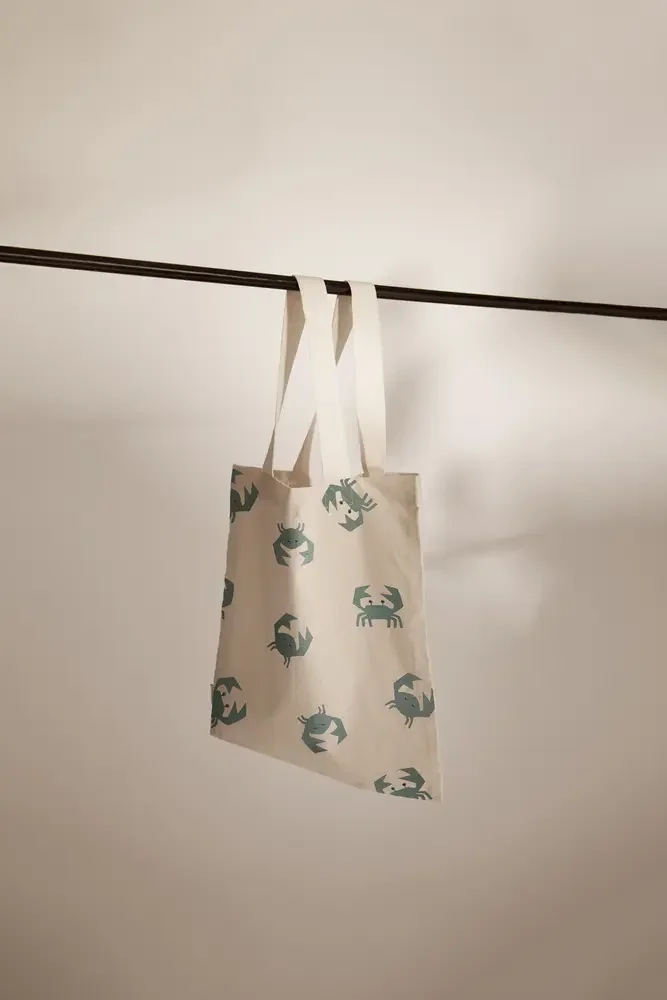
One example of a sustainable everyday product is the
Conclusion: An easy switch with a big impact
Switching to homemade cleaning tools is easy. Start with an old towel and a piece of loofah. You'll immediately reduce your waste and keep your kitchen clean.
Experiment with different materials and find your favorites. A combination of soft cloths and abrasive natural fibers covers every cleaning task.
You invest a little time in making them once. After that, you can enjoy durable, hygienic and environmentally friendly cleaning tools in your kitchen for a long time.
Frequently asked questions
- Why are conventional kitchen sponges problematic?
- Conventional sponges are made from plastic materials such as polyurethane. They break down into microplastics that enter wastewater. They provide an ideal breeding ground for germs such as bacteria and mold, so they need to be replaced frequently. This creates a lot of short-lived waste and harms the environment.
- Which material is best for homemade sponges?
- Cotton, linen, or old towels are ideal for washable dishcloths. Dried loofah gourds provide a natural, abrasive texture. Cactus fiber sponges are durable and antibacterial. Combine different materials to find the right cleaning aid for every type of mess.
- How do I keep my DIY cleaning cloths hygienically clean?
- After use, boil cotton or linen cloths regularly for five to ten minutes. Allow all cleaning aids to dry completely in a well-ventilated place after use, ideally on a drying rack. For persistent odors, add a little vinegar to the boiling water.
- Can I also use these alternatives to clean heavily encrusted pots?
- Yes. For burnt-on residue, robust materials such as loofah or a coarsely woven linen cloth are suitable, optionally with a little coarse salt as a scouring agent. Soaking the dishes makes the job easier. However, avoid overly abrasive cleaning aids on delicate surfaces to prevent scratches.
- Where can I find sustainable accessories for the kitchen and home?
- In our shop, you will find a wide range of sustainable products for the home and garden. For gardening or the barbecue season, we offer high-quality, durable accessories that help you avoid disposable products.
You might also be interested in
- How to make a tawashi sponge: sustainable cleaning with upcycling
- How to weave a jute sponge: sustainable household cleaning
- How to make your own cleaning products: sustainable and affordable cleaning
- How to make your own stain remover
- Sustainable home remedies: replace drugstore products yourself
- Make your own sustainable DIY gifts – ideas and inspiration