
In brief: Replace your sweeper brushes when they show visible signs of wear, such as shortened or bent bristles, or when the machine leaves streaks behind. Replace the sealing lip if it is cracked, brittle or deformed to ensure effective dirt collection and dust control. Regular checks help keep your sweeper working well.
Contents
Your sweeper is a tireless helper that keeps your yard, paths and workshop clean. But even the most robust machine loses performance when its key wear parts reach the end of their service life: the brushes and the sealing lip. Regular maintenance helps deliver excellent sweeping results and significantly extends your machine’s service life. It also helps you avoid costly damage and work more efficiently.
The good news is that replacing these parts is straightforward. With the right know-how, you can spot wear early and replace the parts yourself. All you need is the correct spare part and a few minutes.
How can I tell if my sweeper brushes are worn?
The brushes are the main working parts of your sweeper. They pick up dirt and carry it into the collection container. Wear happens gradually, but you can spot it by looking for a few clear signs. Don’t ignore them: reduced sweeping performance is the first and clearest symptom.
Visual inspection: a quick look reveals a lot
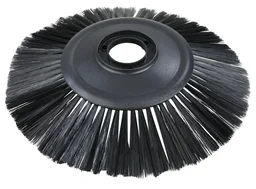
Carefully tilt your sweeper and inspect the disc brushes closely. Look for these signs of sweeper brush wear:
- Shortened bristles: Compare the length of the bristles at the outer edge with those in the centre. Heavily worn brushes are noticeably shorter in the centre. The bristles no longer reach the ground with the right amount of pressure.
- Deformed or bent bristles: Permanent deformation is a clear sign of wear, particularly with plastic bristles. The bristles have lost their spring and can no longer pick up dirt effectively.
- Thin or missing bristle bundles: Missing bristles or gaps in the brush rows inevitably leave streaks behind.
The sweeping result: streaks don’t lie
The clearest sign of worn brushes is a poor sweeping result. If fine streaks of dirt remain on the ground after sweeping and run parallel to the direction of travel, it’s a warning sign. The brushes can no longer collect all the dirt and carry it to the container. They may still pick up coarse debris, but fine dust and sand are left behind.
A common mistake is to increase brush pressure when sweeping performance declines. This only compensates for wear in the short term and puts extra strain on the drive system and the remaining bristles. Replacing the brushes in good time is the better, more sustainable solution.
Why replace the complete set?
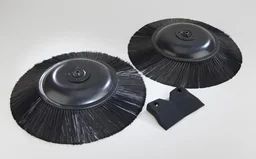
When the brushes are worn, the sealing lip has usually reached the end of its service life too. Both parts wear down through constant contact with the ground, so replacing them together is the most efficient option. You can restore your machine’s full performance in one step. The : Sweeper spare parts set, 2 brushes + 1 sealing lip contains two high-quality disc brushes and the matching sealing lip in one package, so you can complete maintenance quickly and easily.
How often should I replace my sweeper brushes?
There’s no one-size-fits-all answer. Replacement intervals depend on several factors, including how often you use the machine, the type of surface and the kind of dirt you sweep.
Usage, surface and type of dirt
A sweeper used once a week to clean a smooth concrete floor in a hobby workshop will experience far less brush wear than one used daily on a rough asphalt parking lot. Rough surfaces such as exposed aggregate paving slabs or block paving act like sandpaper on the bristles. Sweeping coarse, sharp-edged debris such as chippings or rubble speeds up wear even more. Soft material such as dry leaves, on the other hand, is gentle on the brushes.
Pro tip
You may be able to extend the service life of your brushes by occasionally swapping the left and right disc brushes, if your machine’s design allows it. The brushes often have a main direction of rotation, which can cause one side to wear faster. Swapping them helps even out the wear.
Guidelines for replacement
- Private use (approx. 1-2 hours/month): An annual check is enough. You may only need to replace the brushes every 2-4 years.
- Regular use (e.g. caretakers, small businesses): Check the brushes every three months. You may need to replace them once a year.
- Intensive commercial use (daily): Inspect the brushes monthly. You may need to replace them after just 3-6 months.
Why is the sealing lip just as important as the brushes?
The sealing lip is often an inconspicuous rubber part at the rear of the machine, but it plays a crucial role in sweeping performance. It’s often overlooked during sweeper maintenance, even though it’s essential for a clean result.
What it does: directs dirt and controls dust
The sealing lip skims along the ground to create a barrier. It stops dirt stirred up by the brushes from escaping under the machine. It also helps ensure even the finest dust and sand are carried into the collection container. At the same time, it reduces dust while you sweep, making the job more pleasant.
Additional advice
Make a habit of checking the sealing lip whenever you inspect the brushes. Both parts face similar conditions, so they often wear at a similar rate. Checking them together helps you spot damage early and replace the complete set if needed.
How do I check and replace my sweeper's sealing lip?
Checking the sealing lip is easy and takes just a few seconds. Look for clear signs of wear that could keep it from working properly. On most models, replacement is straightforward.
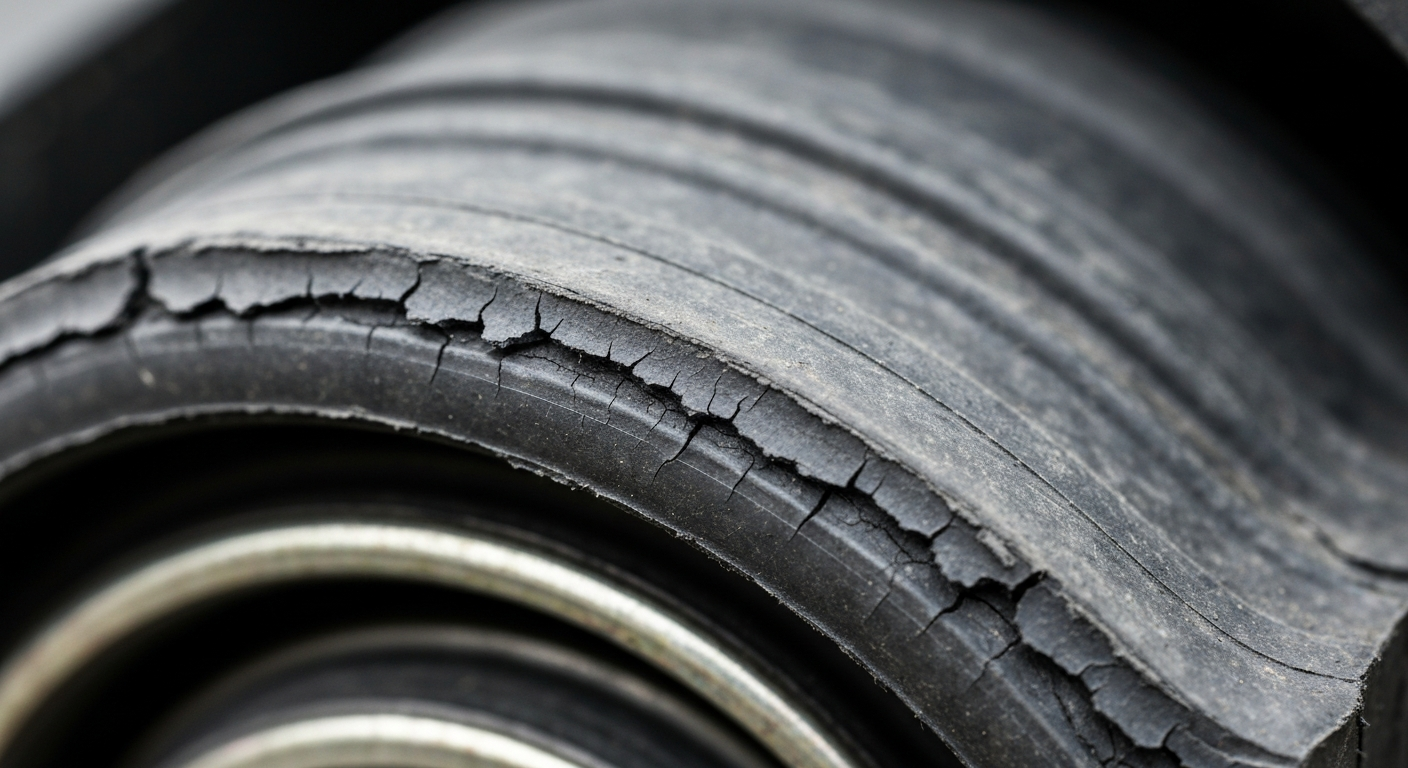
Check for cracks and brittleness
An intact sealing lip is flexible and rests evenly on the ground. When you check the sealing lip, look for the following damage:
- Cracks and tears: Even small cracks, especially around the mount or scraping edge, can compromise the seal.
- Brittleness: Material that has become hard and brittle due to UV exposure and age can break and no longer seal properly.
- Deformation: A wavy or bent sealing lip no longer sits flush against the ground. Dirt and dust can escape.
- Severe wear: If the lip is so worn that it no longer stays in continuous contact with the ground, it has lost its effectiveness.
The sealing lip is essential for low-dust cleaning. An intact lip creates the negative pressure needed to keep fine dust inside the system instead of dispersing it into the surrounding air. This helps keep your space clean and protects your health.
Important note
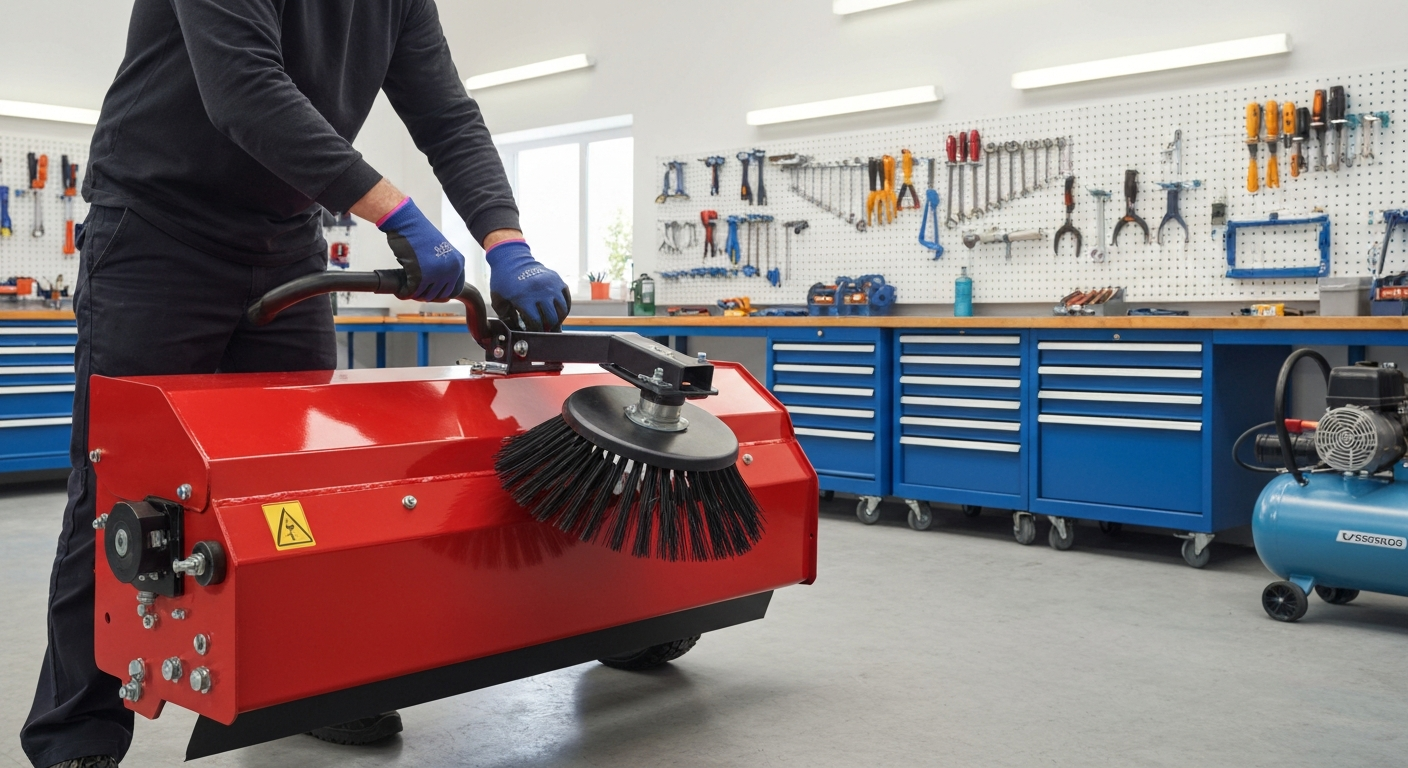
Before performing any maintenance, make sure the sweeper is turned off and secured against accidental startup. For gas-powered or battery-powered models, disconnect the spark plug wire or remove the battery. Always wear sturdy work gloves to protect yourself from injury.
Complete sweeper maintenance: more than just replacing brushes
Good maintenance involves more than replacing the brushes and sealing lip. A few extra steps can keep your entire machine in top condition. These steps are standard practice for anyone who relies on dependable helpers in Garden + Outdoor or Business Supplies.
Regular maintenance checklist:
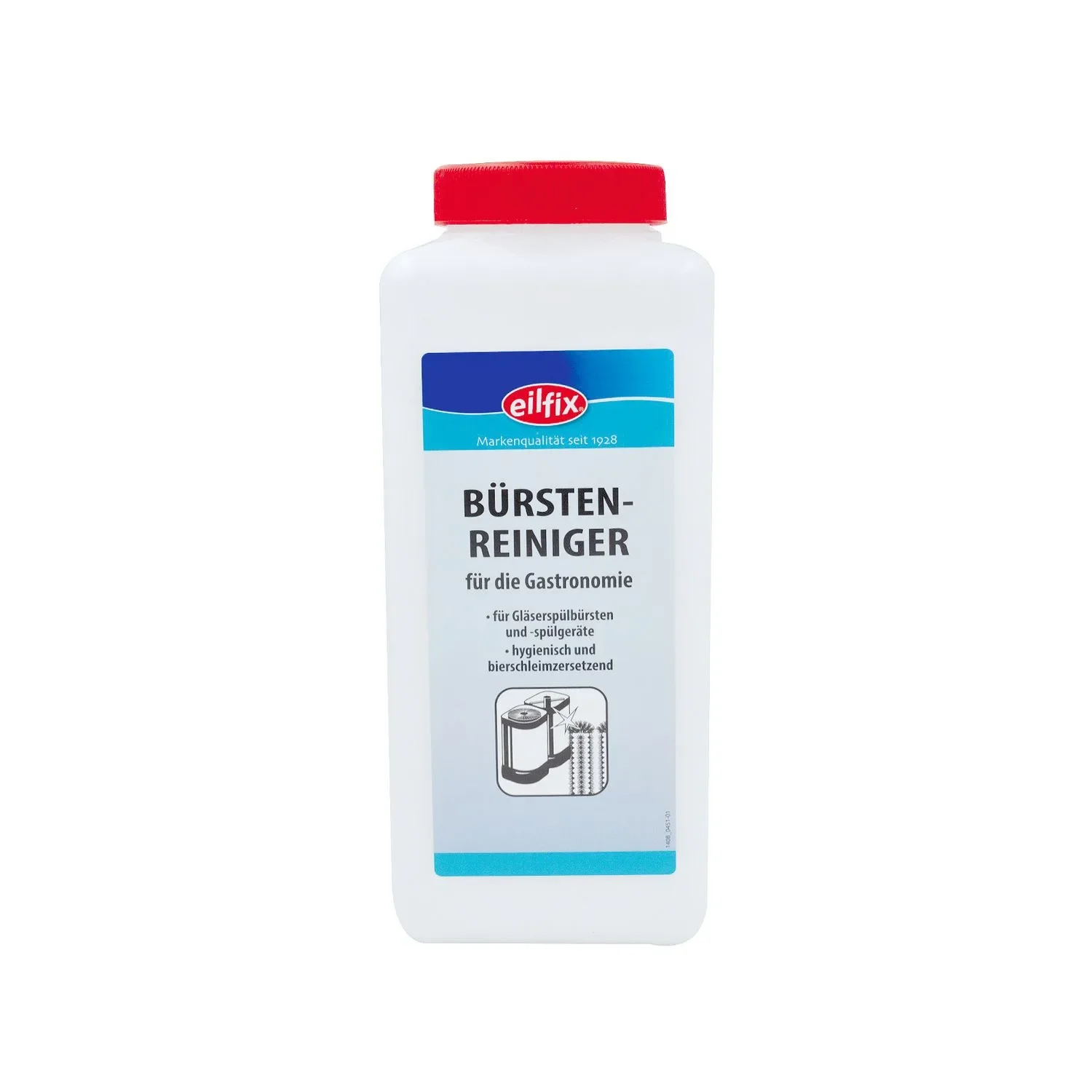
- After every use: Empty and clean the debris container. Remove coarse dirt, hair, or cords wrapped around the brush axles. A simple : brush cleaner can be very useful here.
- Monthly: Check the wheels and casters for smooth operation and wear. Clean any stubborn dirt from the machine housing.
- Annually: Lubricate moving parts such as wheel bearings and joints according to the manufacturer's instructions. Check that all screws and connections are tight.
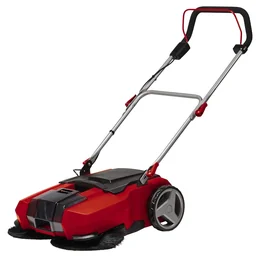
Also consider how you store the machine. Keep your sweeper in a dry, sheltered place to protect it from the elements. If you are considering an upgrade: modern machines such as the : cordless sweeper TE-SW 18/610 often offer tool-free adjustments that make maintenance even easier. For very large areas, there is also the powerful : replacement disc brush for item 978190 WKM 650 sweeper, showing the range of specialized accessories available. Many powerful power tools can also help you maintain and care for your equipment and property.
Frequently Asked Questions
- How long do sweeper brushes typically last?
- Their lifespan depends largely on how often they are used, the surface, and the type of debris being swept. With occasional residential use, they can last for several years. In commercial use on rough surfaces, they may need to be replaced after just a few months. Check their condition regularly.
- Can I replace just one worn brush?
- It's best to replace both disc brushes at the same time. A new brush and an old brush create uneven pressure and poor sweeping results. Replacing them together helps your machine work optimally and stay properly balanced.
- What happens if I sweep with a damaged sealing lip?
- A damaged sealing lip significantly reduces sweeping performance. Dirt is no longer collected properly in the container and may instead be pushed underneath the machine. The machine also kicks up considerably more dust, making the work less pleasant and effective.
- What tools do I need to replace the brushes and sealing lip?
- In most cases, you only need basic hand tools such as a screwdriver or wrench. Check your sweeper's operating instructions. For safety, always wear work gloves to protect yourself from sharp edges.
- Does the surface affect brush wear?
- Yes, the surface has a major impact. Smooth concrete floors in a workshop put less strain on the bristles than rough asphalt or interlocking pavers with joints. Adjust your inspection intervals to the conditions so you don't miss the right time to replace the brushes.