
In brief: A symmetrical front yard creates order and makes a polished first impression. Its design is built around a central axis, highlighted by matching elements such as plants, beds or lighting on either side. Clear geometric shapes, repeated plantings and a defined path to the front door are the foundations. This style works especially well with classic and modern home exteriors.
Symmetrical Front Yard Ideas: Form & Structure
A symmetrical front yard is your home's calling card. It conveys order, balance and quality. This style follows clear rules that you can easily put into practice with the right tools and materials. The design starts with an imaginary line.
This line is your central axis. It often runs from the street through the center of the property directly to the front door. Everything you place to the right of this axis should be mirrored on the left. This creates an immediate sense of harmony.
How do I plan the basic layout of my symmetrical yard?
Start by drawing a rough plan. Mark the position of your home, the property boundaries and the existing path. Find the natural center. This will be your design axis.
Decide on the main lines. Should the paths run straight or curve? For strict symmetry, straight paths and rectangular beds are the best choice. They define the space clearly.
“Symmetry in garden design is not a matter of taste, but of architecture. The garden should complement the house and reflect its lines.”
Plan the path layout. The main path to the front door should be centered and wide enough. Flanking features such as beds, hedges or planters should run parallel to it.
Think in layers. A classic layout has a foreground with the path and low edging, a middle ground with shaped shrubs, and a background formed by the home’s exterior.
Which plants enhance a symmetrical design?
Plants are your living building materials. Choose varieties that hold their shape or are easy to trim. Evergreen shrubs provide structure year-round.
Boxwood, yew and privet are classic choices for clipped hedges and topiary balls. They create crisp accents. Always plant them in pairs.
Pro tip
Don’t plant “twins” right next to each other. Plant the first, then walk to the planned spot for the second. This helps you avoid size differences caused by varying soil conditions over a short distance.
For flowering plants, follow the repetition principle. Plant the same perennial or ornamental grass at equal intervals on both sides of the bed. Lavender, sage and lady’s mantle are excellent choices.
Don’t forget height. Pyramid-shaped or columnar shrubs, such as certain junipers or cypresses, emphasize vertical lines and frame the axis.
Why are paths and edging so important?
Paths guide both the eye and foot traffic. A straight, centered path made from a consistent material is the backbone of the yard. Natural stone slabs, brick pavers or concrete pavers laid in straight lines are ideal.
Edging defines the path. Low boxwood hedges, metal lawn edging or a row of small posts create a crisp border. Repeat the edging on both sides.
“The path in a symmetrical garden is not just a route, but a carefully staged experience. Every step should enhance the feeling of arrival and appreciation.”
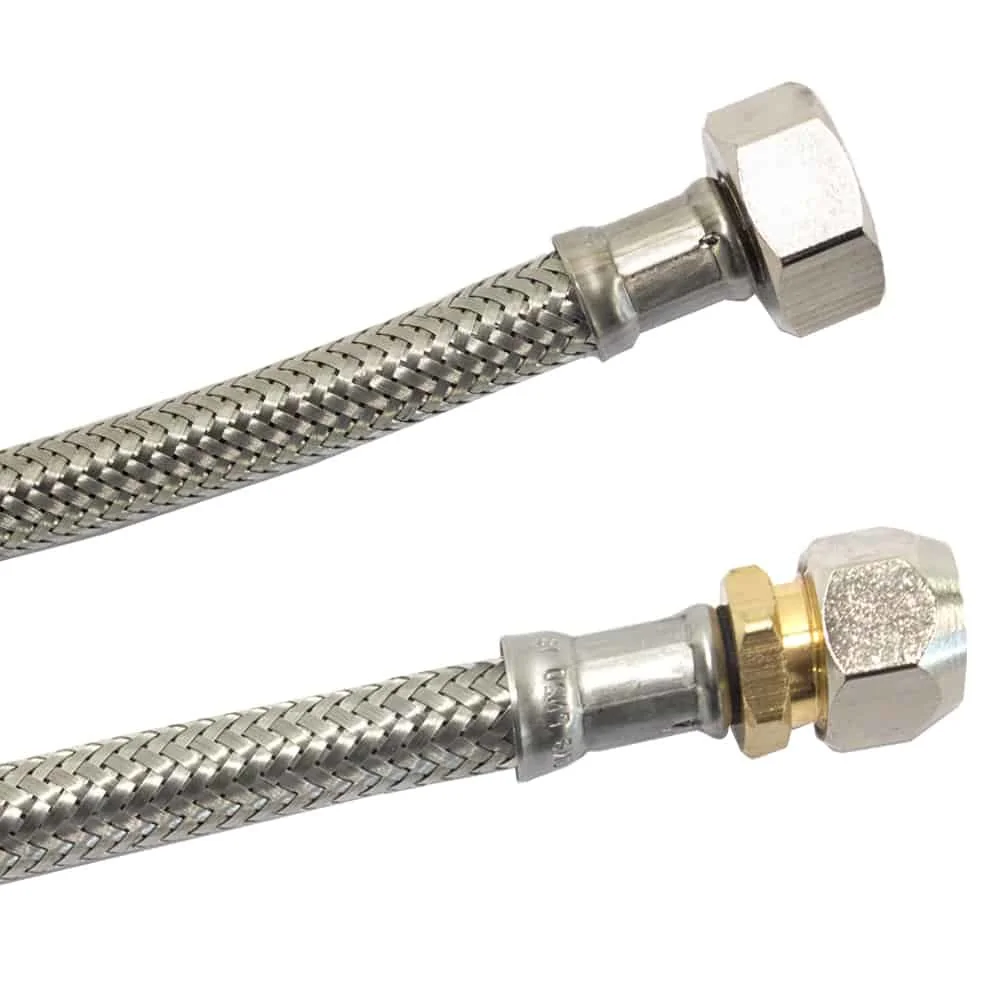
Reliable equipment makes it easier to water these linear features. A sturdy garden hose or, better still, a durable
How do I add practical features without disrupting the overall look?
A yard needs to work for everyday life. Trash cans, a mailbox or a bike rack can disrupt the symmetry. Hide them in matching cabinets placed symmetrically or behind identical screens.
Covers for outdoor furniture or equipment should have a consistent look. A
(scaffold sheet) or a suitable neutral-colored cover for outdoor furniture helps keep everything tidy.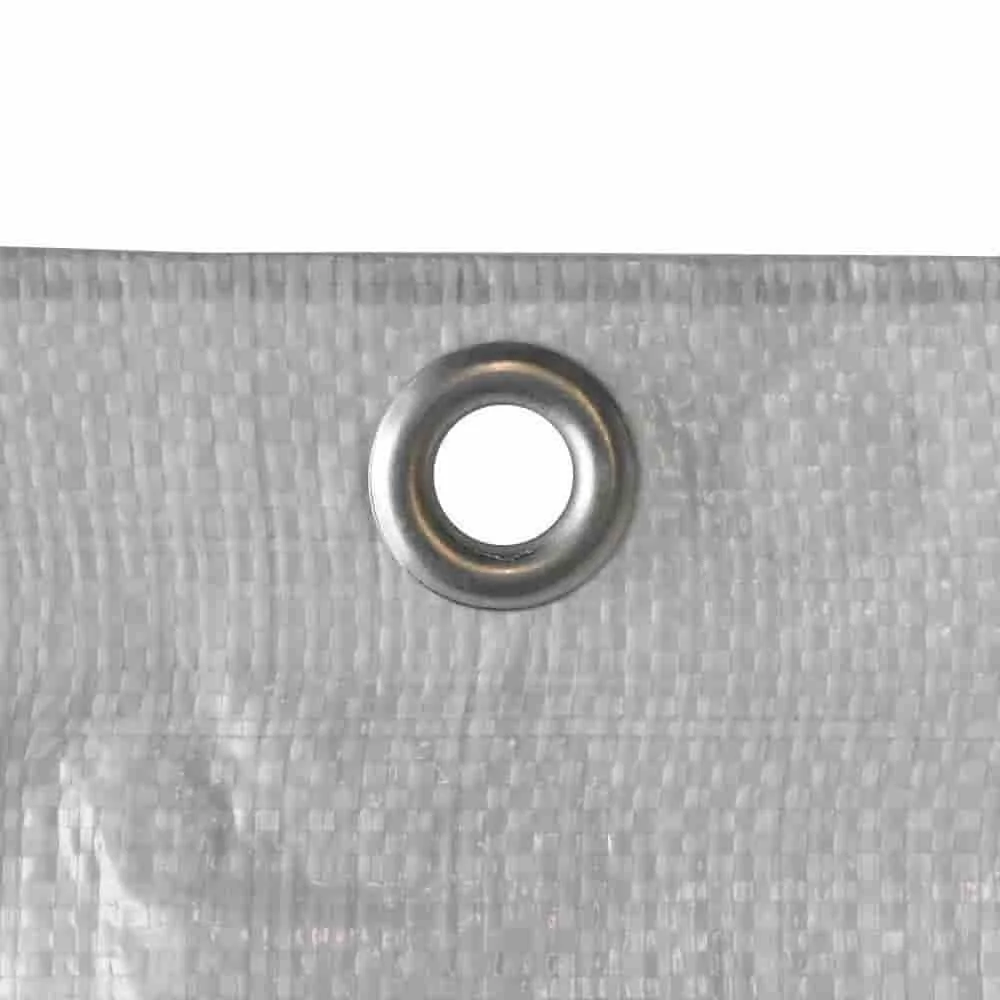
Important note
Avoid using too many different materials. Three are usually enough: one for the path, one for the edging and one for mulch. More can look busy and undermine the calming effect of symmetry.
Birds can be part of the design. A classic bird feeder filled with
(bird seed) can fit symmetrically into an existing layout, such as between two trees opposite each other.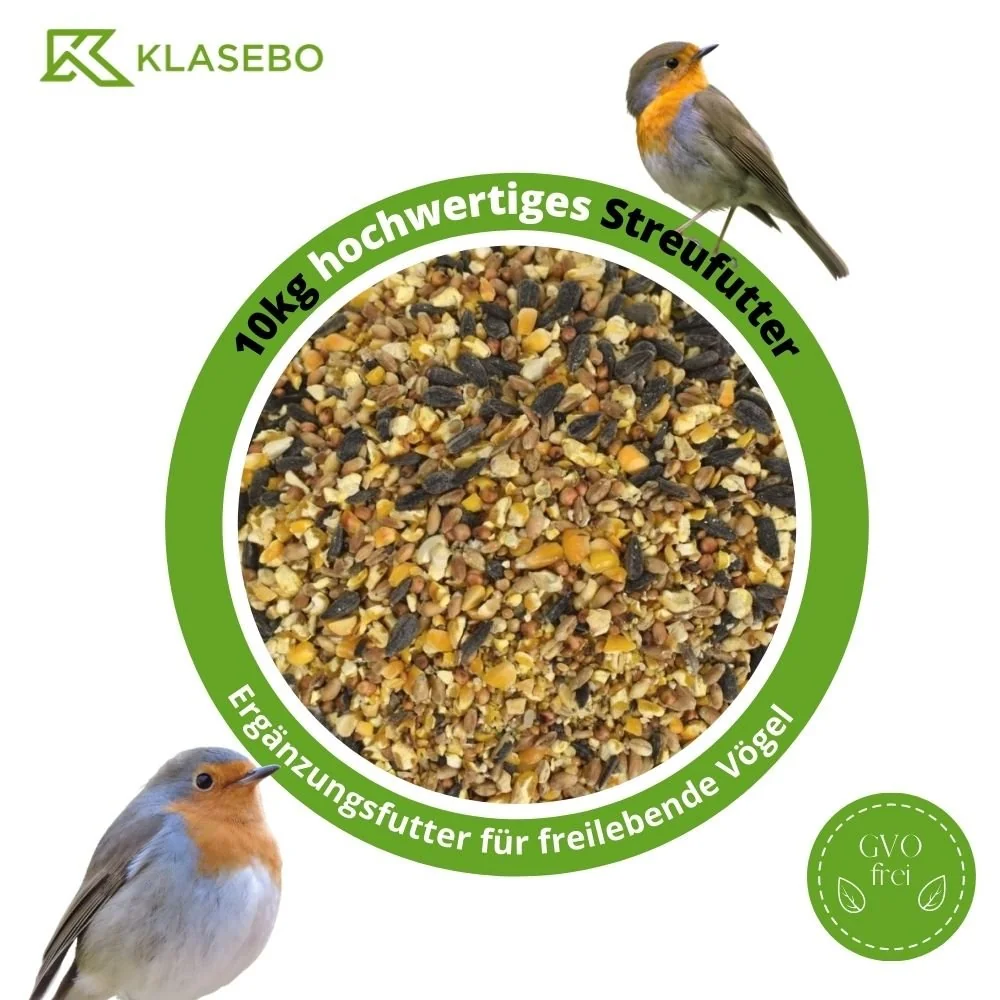
To keep the ground beneath shrubs looking tidy, garden fabric is essential. Add a consistent layer of bark mulch or decorative bark on top, such as

What mistakes should I avoid when designing my front yard?
The most common mistake is leaving the design unfinished. A symmetrical garden bed on the right needs a matching one on the left. Without it, the yard looks unfinished rather than balanced.
Don’t ignore natural light levels. One side is always sunnier and the other shadier. Choose plants that thrive in these conditions on BOTH sides, or adjust the planting slightly while keeping the overall shape.
Additional advice
Check your design from a visitor’s perspective. Stand at the beginning of the path. Does everything naturally draw your eye toward the front door? If something distracts you unnecessarily, it’s in the wrong place.
Don’t overlook maintenance. Symmetry makes weeds and untidy growth stand out right away. Plan time for regular trimming and weeding from the start. The right garden tools make the work easier and more efficient.
Avoid too many decorations. A symmetrical garden is a work of art in itself. Two well-placed vases or garden spheres are enough. Too many accessories can look kitschy and cluttered.
How can I keep my symmetrical front yard looking good all year?
Focus on winter structure. Evergreen shrubs provide a strong foundation. Add plants with interesting shapes or bark, such as dogwood or ornamental grasses that still look good when dried.
Mulch your garden beds. A uniform layer of bark mulch or gravel suppresses weeds, retains moisture, and keeps the yard looking neat and well cared for all year.
Add lighting for the darker months. Place lights symmetrically to highlight the garden’s lines at night and improve safety. LED lights are energy-efficient and long-lasting.
Keep the lawn or the areas between paths trimmed, with clean, sharply defined edges. Ragged lawn edges can make a formal garden look overgrown in no time.
With careful planning, the right materials from our Garden + Outdoor range, and regular, targeted maintenance, your symmetrical front yard will make an impressive entrance for years to come.
Frequently asked questions
- Which plants work well in a symmetrical front yard?
- Choose plants with a formal look that add structure. Evergreen topiary, such as boxwood balls or yew trees, is ideal. Plant repeated groups of perennials, such as lavender or hostas, to complement them. Arrange plants in pairs and keep them the same size to emphasize the central axis.
- How wide should a path be in a symmetrical front yard?
- Choose a path width that suits the size of your home. For a detached house, 1.20 to 1.50 metres is a good guideline. The path should be practical as well as attractive, with enough room for two people to walk side by side comfortably. Use materials such as natural stone or concrete slabs laid in straight lines.
- Is a symmetrical front yard a lot of work to maintain?
- Symmetry takes consistency, but the maintenance is manageable. Hedges and topiary need regular trimming, and weeds quickly disrupt the neat look. Weed control fabric under bark mulch can significantly reduce the work.
- Can I create a symmetrical design in a small front yard?
- Yes. Symmetry creates a sense of order and can make even a small space feel larger. Focus on one strong feature: place two identical container trees on either side of the front door, or frame the entrance path with two narrow beds planted the same way. In a small space, less is more.
- How can I light a symmetrical front yard effectively?
- Place the lights symmetrically. Two matching lanterns or recessed lights beside the front door are a classic choice. Repeat the lights along the path or use them to mark its edges. Warm white LED light highlights the layout without glare and improves safety.