
In brief: Material, weight and tie-downs determine how long a tarp will last. For job sites or long-term coverage, choose a heavy-duty PVC tarp. Lighter tarps work well for yard equipment or seasonal use. Look for UV and tear resistance. Secure tie-downs help prevent flapping and wind damage.
Tarp Test & Comparison 2026: The Best Buying Guide
Looking for a reliable tarp for your project? Our 2026 comparison covers what matters, from materials and weights to the right tie-downs. Find the right tarp for construction, your yard or hauling.
Contents
Tarp materials compared: Which is right for you?
The material you choose affects a tarp's durability and intended use. PVC tarps are sturdy, waterproof and tear-resistant, making them a good choice for job sites and long-term coverage. Polyethylene tarps (PE) are lighter and often more affordable. They're well suited to seasonal use in your yard.
Mesh tarps combine strength with flexibility and hold up especially well to mechanical stress. Check the coating, which makes the material waterproof.
Tip: For tough conditions, choose a tarp with reinforced corners and double-stitched hems. These features can significantly extend its service life.
PVC vs. PE: Key differences
PVC is heavier and offers more protection. It holds up better in strong wind and rain. PE is lighter and easier to handle, making it suitable for lighter-duty jobs.
Choose based on how you plan to use the tarp. PE may be enough for short-term projects. For long-term protection, PVC is the better choice.
Tarp weight: What GSM do I need?
Tarp weight is measured in grams per square meter (g/m²). Lightweight tarps weigh 120-150 g/m² and can cover furniture or yard equipment. Midweight tarps (150-200 g/m²) work for a wide range of uses.
Heavy-duty tarps rated at 200 g/m² or more are made for demanding jobs. They can protect building materials or provide long-term coverage.
is an example of a heavy-duty construction tarp.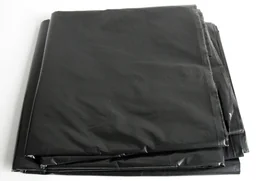
Warning: A tarp that's too light for a demanding job can tear quickly and let moisture in. Choose one with a safety margin.
Tarp size matters, too. Larger areas need sturdier material. Match the tarp's size to its weight rating.
Tie-downs: The key to a secure tarp
A good tarp won't help much if it isn't secured properly. Ball bungee cords like
keep the tarp taut and reduce flapping, helping protect the material.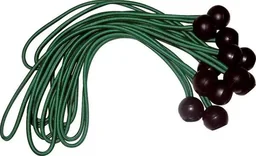
Tarp hooks work well on solid surfaces and provide a secure hold. A complete tarp tie-down kit like
includes all the parts you need.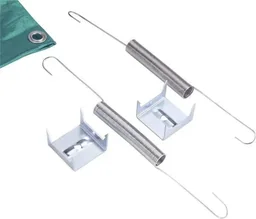
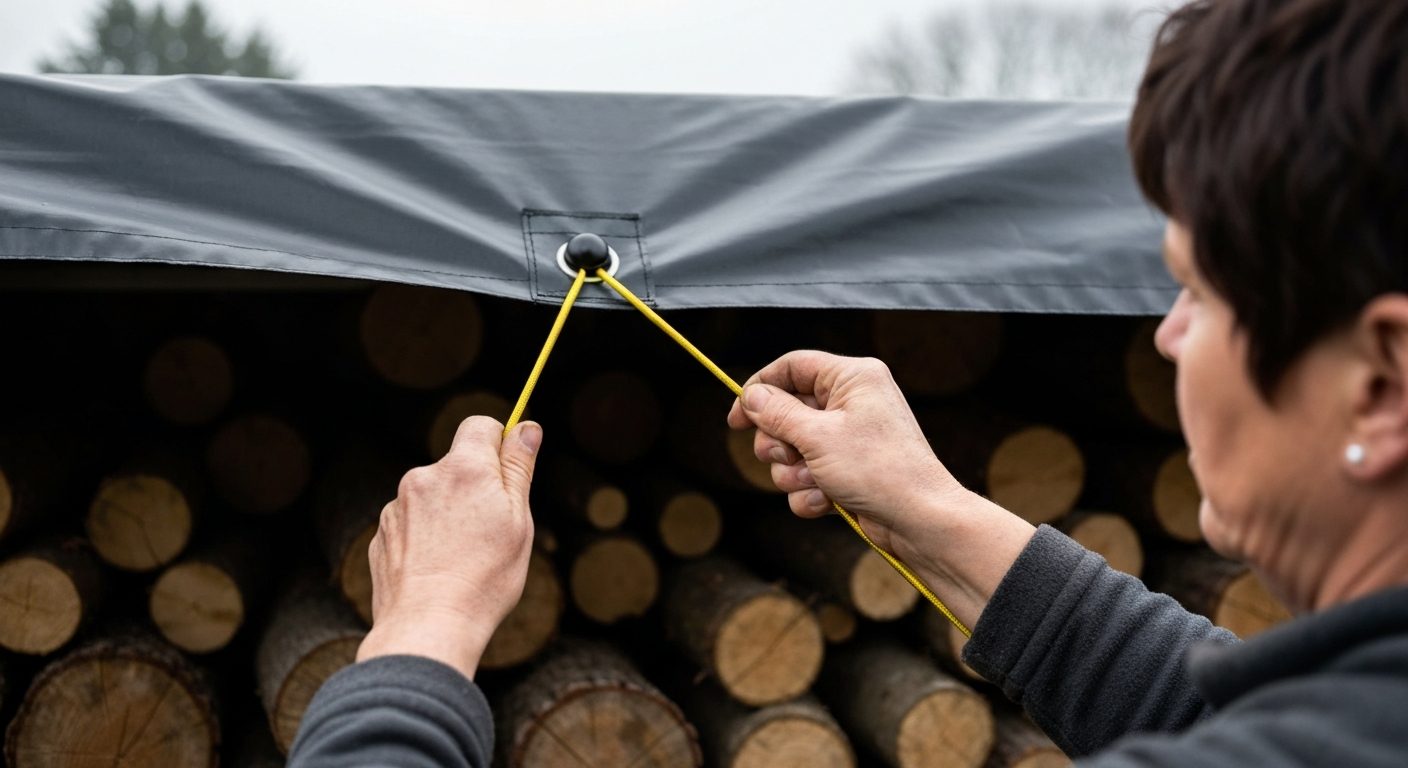
Common tie-down mistakes
Avoid sharp edges, which can damage the tarp. Don't pull it too tight. Temperature changes can cause it to tear.
Use enough tie-down points, especially along the sides and through the center, to distribute the load evenly.
Common uses at a glance
Tarps are versatile. On construction sites, they protect materials from the weather. In your yard, they cover furniture, equipment or firewood.
For hauling, use a tarp to secure loads on a trailer. Choose one with high tear resistance. Specialty tarps for bicycles or motorcycles are made to fit.
- Construction: Heavy-duty, UV-resistant PVC tarps.
- Yard: Lighter PE or PVC tarps.
- Hauling: Highly tear-resistant tarps with tie-down loops.
Note: Check how you plan to use the tarp before you buy. One all-purpose tarp may not be right for every job.
Care and storage
Clean your tarp after use with mild soap and water and a soft brush. Let it dry completely before storing it.
Fold or roll the tarp carefully. Store it in a cool, dry place away from direct sunlight. This helps prevent mold and material fatigue.
How to repair minor damage
You can patch small tears or holes with specialized tarp repair tape or patches. Start with a clean, dry surface.
Repairing larger areas of damage often isn't worthwhile. In that case, consider replacing the tarp.
What to look for in a quality tarp
We evaluate tarps using clear criteria, starting with tear resistance. A quality tarp can withstand tension without ripping.
Waterproofing is essential for protection. Check the seams, since they're often weak points. UV resistance helps extend a tarp's service life outdoors.
A tarp should be easy to handle, including its weight and flexibility when you lay it out. Reinforced grommets make it easier to secure.
Compare the best tarps
Our comparison will help you choose the right tarp. We’ve reviewed a range of tarps and accessories. The table below summarises the key details.
Our top-rated tarps and accessories, compared:
| Model | Customer rating | Availability |
|---|---|---|
| Extra-heavy-duty construction tarp, black, folded, 4m x 5m, 20m² 🏆 Top pick | ★ 4,9 (10) | In stock |
| 10-piece tarp fastening kit | ★ 5,0 (4) | In stock |
| Ball bungee cords, 12-piece set, for securing tarps and nets | ★ 4,8 (4) | In stock |
| Bicycle cover with warning flag pocket | ★ 4,9 (17) | Currently unavailable |
| 1:14 tarpaulin trailer RTR white/blue | – | Currently unavailable |
Choosing the right accessories is just as important as choosing the tarp itself. offers a comprehensive fastening kit, while provides flexible tie-down options with bungee cords.
For demanding applications, stands out for its heavy-duty construction. Choose the combination that best suits your needs.
Our final recommendation
First, decide how you plan to use the tarp. Then choose the right material and thickness. Always invest in quality tie-downs. They can make the difference between a tarp that lasts and one that wears out quickly.
Use our comparisons and tips to find the ideal tarp for 2026. You can also browse our tarps category to find the right one.
Frequently asked questions
- What tarp thickness do I need?
- The thickness you need depends on how you plan to use the tarp. For lightweight garden covers, 120-150 g/m² is often enough. For construction sites, long-term storage or high winds, choose a heavy-duty tarp rated at 200 g/m² or more. PRODUCT_72992 is an example of an extra-heavy-duty construction tarp.
- How do I secure a tarp safely?
- Use a dedicated fastening kit such as PRODUCT_131291 or a tensioning system. Ball bungee cords such as PRODUCT_73769 help reduce flapping and protect the material. Tarp clips are suitable for fixed surfaces. Avoid sharp edges and direct contact with sharp objects.
- What does UV-resistant mean?
- UV resistance helps protect a tarp from becoming brittle in sunlight. Without it, the material can quickly become brittle and tear. Look for this feature if you plan to use a tarp outdoors for extended periods. It can significantly extend the tarp’s lifespan.
- Can I use a tarp to cover my bicycle?
- Yes, you can get covers made specifically for bicycles. They’re often lighter and shaped to fit. They protect against rain, dust and sunlight. You can also use a general-purpose tarp, but make sure it’s securely fastened and kept away from sharp edges.
- How should I store a tarp after use?
- Clean the tarp and let it dry completely before storing it. Fold or roll it carefully, then keep it in a dry, dark and preferably cool place. Protect it from moisture and direct sunlight while it’s in storage.