
Kurz erklärt: Die beste Tauchpumpe für Sie hängt vom Einsatzzweck ab. Für sauberes Wasser in der Zisterne oder auf dem Campingplatz sind leise, schwimmende oder Akku-Pumpen ideal. Für schmutziges Wasser aus dem Teich, Keller oder der Baugrube benötigen Sie robuste Schmutzwasserpumpen mit großen Laufrädern und einem Schutzgitter gegen Feststoffe. Entscheidend sind Fördermenge, Förderhöhe und die maximale Korngröße. Unser Test und Vergleich hilft Ihnen bei der Wahl.
Wenn Wasser in Bereiche eindringt, wo es nicht hingehört, oder wenn Sie es gezielt umleiten möchten, ist eine Tauchpumpe das Werkzeug der Wahl. Ob bei Hochwasser im Keller, für die Teichpflege oder die Bewässerung aus der Regentonne – die richtige Pumpe macht den Unterschied. Unser Test und Vergleich für 2026 stellt die wichtigsten Modelle gegenüber und zeigt, worauf Sie beim Kauf achten müssen.
Inhaltsverzeichnis
Für welchen Einsatzbereich brauche ich welche Tauchpumpe?
Nicht jede Tauchpumpe kann alles. Die Wahl des richtigen Typs ist der erste und wichtigste Schritt.
Schmutzwasserpumpen für Keller, Teich und Baustelle
Diese Pumpen sind die Alleskönner für trübes Wasser. Sie bewältigen Wasser mit Feststoffen wie Sand, Kies, Laub oder Schlamm. Entscheidend ist die angegebene maximale Korngröße. Sie finden diese Pumpen in unserem Sortiment unter Tauchpumpen.
Hinweis: Auch wenn sie "Schmutzwasser" heißen, sind sie nicht für aggressive Chemikalien, Öle oder Fette ausgelegt. Dafür benötigen Sie spezielle Hebewasserpumpen.
Klartwasserpumpen für Zisterne, Brunnen und Camping
Diese Modelle sind für sauberes, klares Wasser konzipiert. Sie eignen sich perfekt, um Regenwasser aus der Zisterne zur Gartenbewässerung zu pumpen oder auf dem Campingplatz die Dusche mit Wasser aus einem Kanister zu versorgen. Sie sind leiser und oft energieeffizienter als Schmutzwasserpumpen.
Akku-Tauchpumpen für maximale Flexibilität
Wo kein Stromanschluss in der Nähe ist, zeigen Akku-Pumpen ihre Stärke. Sie sind ideal für den mobilen Einsatz auf der Campingwiese, im abgelegenen Garten oder als Notfallpumpe im Kofferraum. Achten Sie auf die Laufzeit und die Kompatibilität mit vorhandenen Akkusystemen.
Die wichtigsten Kaufkriterien für Tauchpumpen
Verlassen Sie sich nicht nur auf die Wattzahl. Diese Parameter sind entscheidend.
Fördermenge und Förderhöhe
Die Fördermenge, angegeben in Litern pro Stunde (l/h), sagt Ihnen, wie viel Wasser die Pumpe unter idealen Bedingungen bewegen kann. Die Förderhöhe, in Metern (m), gibt an, wie hoch sie das Wasser pumpen kann.
Maximale Korngröße und Material
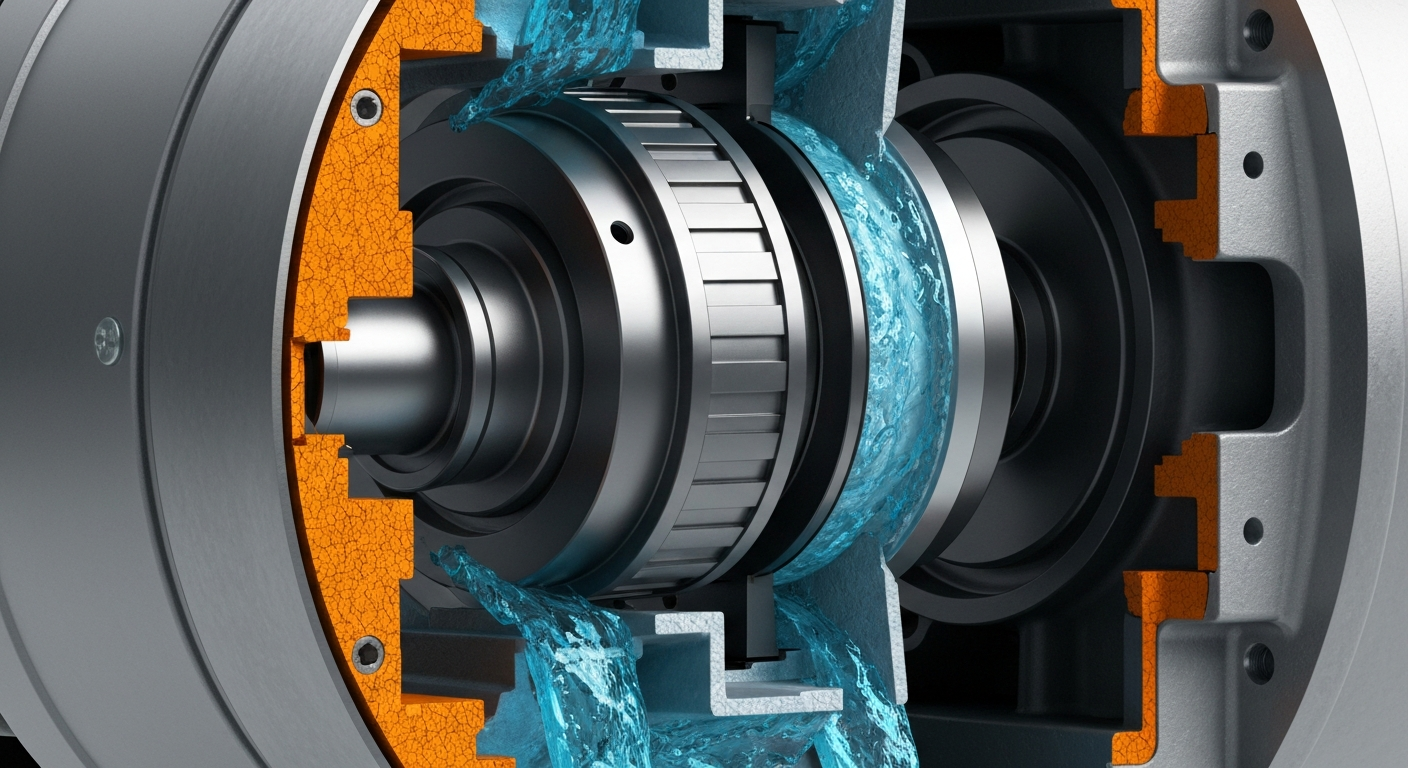
Bei Schmutzwasserpumpen ist die maximal zulässige Korngröße der Schlüsselwert. Typische Werte liegen zwischen 5 und 40 mm. Das Gehäusematerial ist ebenfalls wichtig: Edelstahl ist korrosionsbeständig und langlebig, hochwertiger Kunststoff ist leichter und kostengünstiger.
Tipp: Planen Sie einen längeren Dauerbetrieb, zum Beispiel für einen Springbrunnen oder die automatische Bewässerung? Wählen Sie dann eine Pumpe, die explizit für den Dauerbetrieb ausgelegt ist. Diese sind besser gekühlt und mit langlebigeren Lagern ausgestattet.
Schwimmerschalter und Automatikfunktion
Ein Schwimmerschalter schaltet die Pumpe ein, wenn das Wasser einen bestimmten Pegel erreicht, und wieder aus, wenn sie trockenläuft. Das schützt die Pumpe und macht sie zu einer zuverlässigen Entwässerungslösung, zum Beispiel im oft feuchten Garten-Keller.
Tauchpumpen Test und Vergleich 2026
In unserer Übersicht stellen wir charakteristische Modelle aus verschiedenen Kategorien gegenüber. Die Tabelle hilft Ihnen, die Spezifikationen schnell zu vergleichen.
Die meistbewerteten Tauchpumpen aus unserem Sortiment im direkten Vergleich:
| Modell | Kundenbewertung | Verfügbarkeit |
|---|---|---|
| Schmutzwasser-Tauchpumpe STPK750, 750 Watt 🏆 Testsieger | ★ 5,0 (7) | Auf Lager |
| Schmutzwasser-Tauchpumpe "STPK1100", 1100 Watt | – | Auf Lager |
| 12 V Batterie Wasserpumpe Regenwassertankpumpe | – | Derzeit nicht verfügbar |
| Accu Regenwasser-Tankpumpe RFP 12V | Wasserpumpe | 1500 l / h | inkl. Akku und Ladegerät | – | Derzeit nicht verfügbar |
| Allweiler L5 Messing Ersatzventil - Langlebige Ersatzteil für Tränke, 1,27 Ohm/m | – | Derzeit nicht verfügbar |
Robuste Schmutzwasserpumpen für anspruchsvolle Einsätze
Für das Entleeren eines Gartenteiches oder das Trockenlegen einer überfluteten Baugrube brauchen es robuste Technik. Die Schmutzwasser-Tauchpumpe
mit 750 Watt Leistung ist ein zuverlässiger Helfer für mittlere Verschmutzungen und bietet eine solide Leistung für den privaten Gebrauch.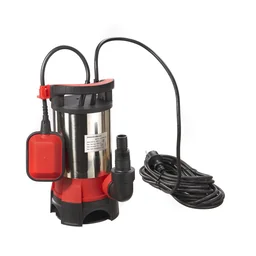
Für noch größere Herausforderungen steht die Schmutzwasser-Tauchpumpe "STPK1100"
mit 1100 Watt bereit. Sie fördert größere Wassermengen in kürzerer Zeit und bewältigt auch grobe Feststoffe zuverlässig.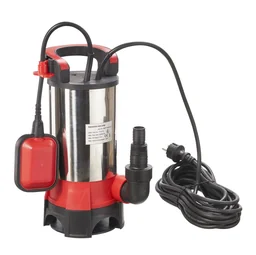
Flexible Akku-Lösungen für unterwegs
Die Accu Regenwasser-Tankpumpe RFP 12V
ist ein komplettes Set inklusive Akku und Ladegerät. Mit einer Fördermenge von 1500 l/h eignet sie sich hervorragend, um Regentonnen oder mobile Wassertanks auf dem Campingplatz oder im Garten zu leeren. Die Unabhängigkeit von der Steckdose ist ihr größter Vorteil.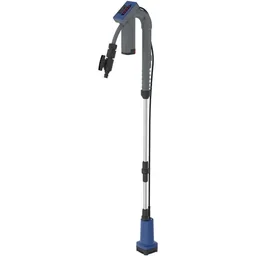
Die Schwergewichtige für dauerhafte Lösungen
Die Guss Tauchpumpe "Vortex 1500"
ist mit ihrem massiven Gehäuse für den intensiven und dauerhaften Einsatz konzipiert, etwa in der landwirtschaftlichen Entwässerung oder für anfallendes Abwasser. Ihr Design ist auf Langlebigkeit und hohe Belastbarkeit ausgelegt.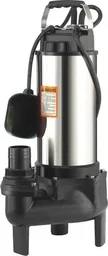
Warnung: Schalten Sie eine Tauchpumpe niemals trocken ein oder lassen Sie sie trocken laufen. Der Motor kühlt sich durch das umgebende Wasser. Trockenlauf zerstört die Pumpe innerhalb weniger Sekunden. Ein funktionierender Schwimmerschalter oder Ihre Aufsicht sind ein Muss.
Wartung und Pflege Ihrer Tauchpumpe
Eine gute Pflege verlängert die Lebensdauer Ihrer Pumpe um Jahre. Spülen Sie die Pumpe nach jedem Einsatz mit klarem Wasser ab, um Ablagerungen und Schmutz zu entfernen. Überprüfen Sie das Schutzgitter bei Schmutzwasserpumpen auf Verstopfungen. Lagern Sie die Pumpe im Winter frostfrei und trocken.
Für die Wartung aller Arten von Pumpen finden Sie in unserem Shop passendes Zubehör. Ein regelmäßiger Check der Dichtungen und Kabel gewährleistet sicheren Betrieb.
Lagerung und Frostschutz
Entfernen Sie nach dem Einsatz restliches Wasser aus dem Gehäuse. Dazu einfach die Pumpe kurz ohne Schlauch in leerem Zustand laufen lassen. Lagern Sie sie an einem geschützten Ort. Gefriert Restwasser im Inneren, kann das Gehäuse platzen und die Mechanik irreparabel beschädigen.
Sicherheitshinweise für den Betrieb
Tauchpumpen kombinieren Wasser und elektrischen Strom. Schließen Sie die Pumpe immer an einen FI-Schutzschalter (RCD) an. Ziehen Sie den Stecker, bevor Sie die Pumpe anfassen oder warten. Verwenden Sie nur ein Kabel und einen Schlauch, die für den vorgesehenen Druck und die Leistung ausgelegt sind. Sichern Sie den Schlauch gut an den Anschlüssen.
Der richtige Stromanschluss
Verwenden Sie keine Verlängerungskabel, die nicht für den Außeneinsatz geeignet sind. Achten Sie darauf, dass der Stecker und die Steckdose trocken bleiben. Für den Einsatz in Wassernähe sind Steckdosen mit eigenem FI-Schutz unabdingbar.
Fazit: So finden Sie Ihre perfekte Tauchpumpe
Die Auswahl der richtigen Tauchpumpe ist keine Hexerei, wenn Sie die Eckdaten kennen. Definieren Sie zuerst den Einsatzzweck: Brauchen Sie eine Pumpe für sauberes oder schmutziges Wasser? Legen Sie dann die benötigte Förderhöhe und -menge fest. Die Leistung in Watt ergibt sich daraus fast von selbst.
Für gelegentliche Einsätze im Hobbybereich reichen oft kompakte und preiswerte Modelle. Für den professionellen oder dauerhaften Einsatz lohnt die Investition in eine robuste Pumpe mit langer Lebensdauer. Denken Sie an Zubehör wie passende Schläuche und einen Schwimmerschalter für den automatischen Betrieb.
Mit den vorgestellten Modellen und Kriterien sind Sie bestens gerüstet, um in unserem umfangreichen Sortiment die Tauchpumpe zu finden, die genau zu Ihren Anforderungen passt. Egal ob für den Garten, den Keller oder das nächste Camping-Abenteuer.
Häufige Fragen
- Was ist der Unterschied zwischen einer sauberen und einer schmutzigen Tauchpumpe?
- Klartwasserpumpen sind für reines, klares Wasser wie Regenwasser oder Brunnenwasser konzipiert. Sie vertragen keine Feststoffe. Schmutzwasserpumpen haben ein offenes Laufrad und ein Schutzgitter, das größere Partikel wie Laub, Sand oder Schlamm durchlässt, ohne die Pumpe zu beschädigen. Die maximale Korngröße ist ein entscheidendes Kaufkriterium.
- Kann ich eine Schmutzwasserpumpe auch für sauberes Wasser nutzen?
- Ja, das ist möglich, aber oft nicht ideal. Schmutzwasserpumpen sind in der Regel lauter, weniger energieeffizient und haben eine geringere maximale Förderhöhe bei gleicher Leistung im Vergleich zu Klartwasserpumpen. Für den Dauerbetrieb in einer Zisterne ist daher eine spezielle Regenwasser- oder Hauswasserpumpe die bessere Wahl.
- Wie lange hält eine gute Tauchpumpe?
- Die Lebensdauer hängt von Material, Wartung und Belastung ab. Pumpen mit Gehäusen aus Edelstahl oder technischen Kunststoffen überstehen länger. Vermeiden Sie Trockenlauf und achten Sie auf die angegebene Wassertemperatur. Eine regelmäßige Reinigung nach dem Einsatz verlängert die Lebensdauer erheblich.
- Brauche ich für meinen Teich eine spezielle Pumpe?
- Für Teichfilter und Wasserspiele gibt es spezielle Teichpumpen, die oft schwimmend ausgelegt sind. Möchten Sie den Teich leer pumpen, benötigen Sie eine Schmutzwasserpumpe, die mit Algen, Schlamm und Blättern zurechtkommt. Achten Sie auf eine ausreichend hohe Förderleistung, um Zeit zu sparen.
- Was ist wichtiger: Förderhöhe oder Fördermenge?
- Beides ist entscheidend, aber die Förderhöhe setzt den Rahmen. Sie gibt an, wie hoch die Pumpe das Wasser heben kann. Die Fördermenge sinkt mit steigender Höhe. Wählen Sie eine Pumpe, deren maximale Förderhöhe deutlich über Ihrer benötigten Höhe liegt. Die Fördermenge bestimmt dann, wie schnell der Vorgang abgeschlossen ist.