
In short: Tea tree oil is an essential oil with powerful antibacterial, antiviral and antifungal properties. Use it diluted to naturally disinfect surfaces, make your own personal care products or treat minor skin blemishes. Its effectiveness makes it a powerful home remedy.
Tea Tree Oil: Versatile Uses for Home & Personal Care
A powerful natural product may already be waiting in your home and personal care routine. Tea tree oil, extracted from the leaves of the Australian tea tree, is more than a fragrance. It is an effective tool for natural cleaning, disinfection and personal care.
Its powerful properties can replace many chemical products. You save money and reduce harmful residues. Discover practical uses for your home.
What makes tea tree oil so effective?
The power of tea tree oil lies in its complex chemical composition. More than 100 different compounds work together synergistically. Terpinen-4-ol is the main active ingredient, with proven antibacterial and antifungal activity.
The oil penetrates the cell membranes of bacteria and fungi. It destabilizes them and inhibits their growth. This effect is broad and combats many pathogens at the same time.
Tea tree oil has an inactivating effect on viruses. It can attack the lipid envelope of certain viruses. This makes it an interesting addition to hygienic surface cleaning.
“The antimicrobial effect of tea tree oil has been demonstrated in numerous studies. The quality of the oil and correct, diluted use are crucial.”
How do you use tea tree oil around the home?
Your home offers many uses for this natural oil. You can replace harsh cleaners and create a healthier environment. It is simple and affordable to use.
What recipes are there for an all-purpose cleaner?
You can quickly make a basic cleaning solution yourself. Mix 500 ml warm water with 10-15 drops of tea tree oil in a spray bottle. Add a splash of liquid soft soap or dish soap as an emulsifier.
Shake the bottle vigorously before each use. This helps the oil combine with the water. Spray the mixture onto surfaces in the kitchen and bathroom.
Wipe with a microfiber cloth. For stubborn stains, leave the cleaner to work for a short time. The mixture disinfects and leaves a fresh scent.
Additional advice
Always test your DIY cleaner on an inconspicuous area first, such as the back of a piece of furniture. Some surfaces, including certain plastics and untreated wood, may react sensitively.
How do you combat mold and mildew?
Tea tree oil is an effective remedy for mold fungi in joints and on walls. Add 2 teaspoons of pure oil to 2 cups of water. Pour the mixture into a spray bottle.
Spray the solution generously onto the affected area. Allow it to dry completely without wiping it off. The characteristic scent will disappear after a few hours.
Repeat the application in cases of heavy growth. For preventive protection, spray regularly in damp corners. This helps keep mold away over the long term.
In the Garden + Outdoor area, a similar mixture helps combat mildew on roses and cucumbers. Spray the leaves in dry weather.
Why is tea tree oil suitable for personal care?
You can use the oil's caring properties on your skin and hair. It has a balancing and clarifying effect. Always dilute it with a carrier oil or water.
How can you improve your skin with tea tree oil?
Tea tree oil can have a balancing effect on oily skin and occasional blemishes. Add 1-2 drops to your usual face cream or a teaspoon of jojoba oil. Apply the mixture in the evening.
For targeted use on a pimple, use a cotton swab. Dab on a tiny drop diluted with water directly onto the spot. This reduces redness and inflammation.
A foot bath with 10 drops of oil in warm water helps combat athlete's foot and unpleasant odors. Soak your feet in it for 15 minutes. Dry them thoroughly afterward, especially between the toes.
Important note
Never apply undiluted tea tree oil to the skin. It can cause severe irritation, redness or even allergic reactions. If you have sensitive skin or known allergies, always perform a patch test on your forearm.
Can you make your own shampoo and deodorant?
Yes, you can easily supplement products you already use. Add 5 drops of tea tree oil to a portion of your shampoo in your hand. It cleanses the scalp thoroughly and helps prevent dandruff.
For a natural deodorant, mix 100 ml water, 1 tbsp baking soda and 10 drops of tea tree oil. Pour it into a spray bottle. The baking soda neutralizes odors, while the oil has an antibacterial effect.
Shake before use. Spray it onto clean, dry underarms. The effect lasts for several hours. You can find practical containers for storage in Business Supplies.
How do you use tea tree oil for pets?
Tea tree oil also has a place in the Pet Supplies range. You can use it to support hygiene. Take particular care with the dosage.
Fleas and ticks dislike the scent. Dilute 5 drops of oil in 200 ml water. Lightly spray your dog's coat after testing it on a small area first.
Never use it on cats. Their metabolism cannot break down certain components. This can lead to severe poisoning. If in doubt, always ask your veterinarian.
It is well suited, however, for cleaning litter boxes or dog beds. It eliminates odors and disinfects. Use your homemade all-purpose cleaner for this purpose.
“Tea tree oil should be used with great caution around animals. While dogs often tolerate it well, it can be life-threatening to cats. Its use belongs in experienced hands.”
How do you clean textiles and furniture?
Tea tree oil removes odors and germs from fabrics. Add 10 drops to the washing machine along with your detergent. This is ideal for sportswear, towels or bed linen.
It also helps combat perspiration odors in textiles. The laundry smells fresh and neutral after drying. Do not use it on silk or other delicate natural fibers.
For upholstered furniture or car seats, mix 5 drops of oil with 100 ml water in a spray bottle. Lightly spray the surface and let it air-dry. This eliminates unpleasant odors.
For cleaning hard-to-reach areas, such as drip trays or narrow gaps, a suitable brush is helpful. The
also reaches awkward corners thoroughly.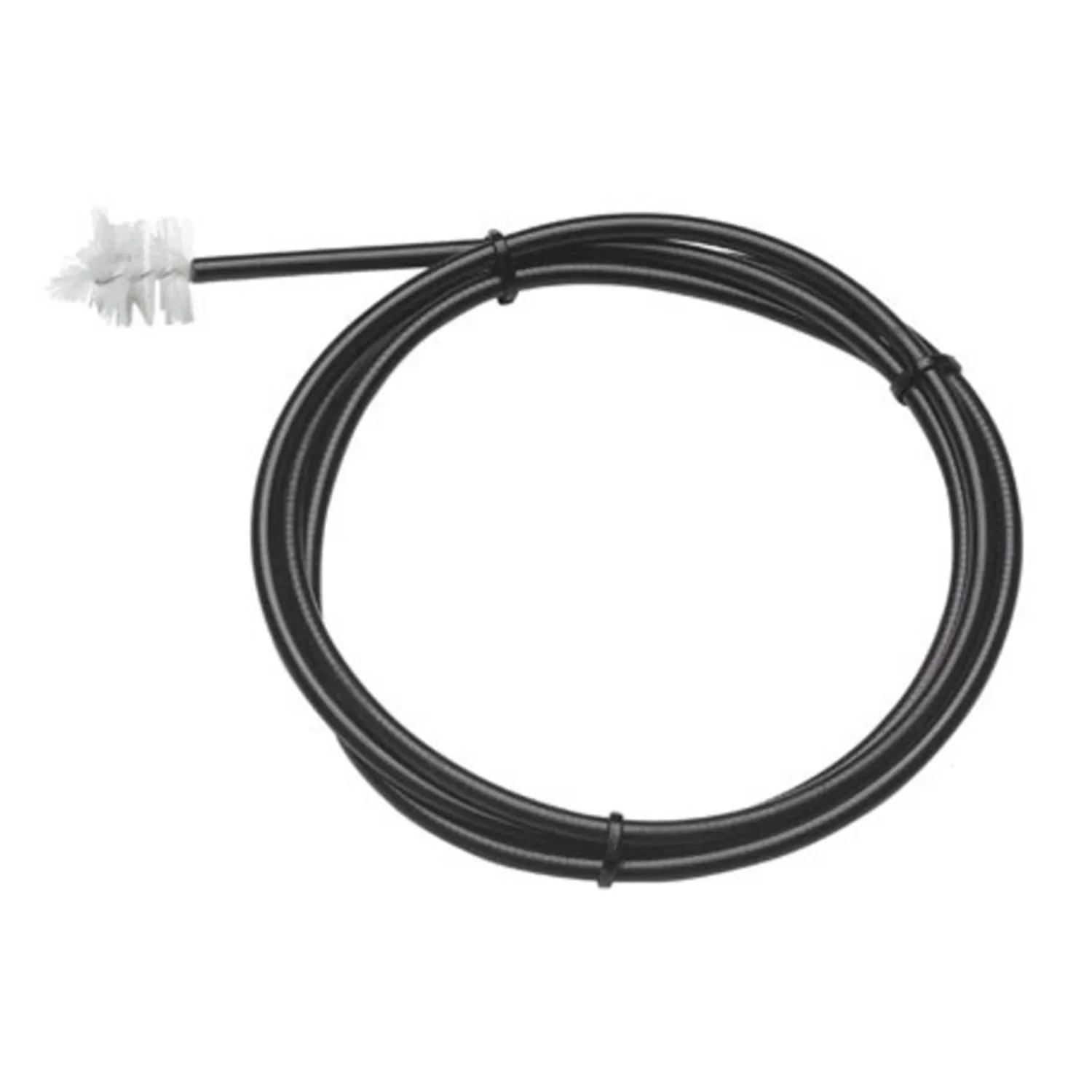
Pro tip
Always store your tea tree oil in a dark, cool place and keep it tightly closed. Light and heat destroy its valuable active ingredients. Buy oil in small brown glass bottles. This helps preserve its quality for months.
How do you use tea tree oil in the kitchen and bathroom?
Tea tree oil is especially useful in damp areas of your home. It helps disinfect surfaces where germs are likely to collect, and it’s easy to use.
What role does it play in kitchen hygiene?
Clean chopping boards, especially wooden ones, with a tea tree oil solution. The oil penetrates the pores and continues working there, helping prevent bacteria from spreading.
Spray your bin regularly with your DIY cleaner to prevent odours and inhibit mould growth. You can also wipe the inside of your fridge with a cloth dipped in the solution.
Disinfect washing-up sponges and cloths by soaking them in a bowl of hot water with 5 drops of oil for 30 minutes. They’ll come out fresh and free of germs.
How do you keep the bathroom clean and fresh?
After showering, spray shower curtains and silicone seals with the tea tree oil solution. This helps prevent mould without bleaching. Simply leave it to dry.
Clean the toilet seat and the rim of the cistern regularly. The oil helps eliminate germs and leaves a clean scent. You can find suitable accessories for water pipes at Plumbing + Irrigation.
Add a drop of oil to your vacuum cleaner bag or filter container. It freshens the air released as you vacuum and helps combat dust mites in the dust you stir up.
What should you bear in mind when using it?
Tea tree oil is a powerful natural product, so use it with care. A few basic rules will help you use it safely.
Always buy 100% pure, natural tea tree oil (Melaleuca alternifolia). Cheap blends often contain synthetic additives, which may not work as well and can cause irritation.
Keep the oil out of the reach of children. Never take it internally. Even small amounts are poisonous and can cause serious harm to your health.
If you are pregnant, breastfeeding or have a serious pre-existing condition, consult a doctor before use. Some people are allergic to tea tree oil. Stop using it immediately if you develop a rash or have difficulty breathing.
Tea tree oil is a versatile helper that combines cleaning power with skin-nourishing properties. Add it to your routine gradually and discover the many ways to use it.
Frequently Asked Questions
- How do I use tea tree oil safely?
- Always dilute tea tree oil. For skincare, mix 1-2 drops with a carrier oil such as jojoba oil. For cleaners, add 10-15 drops to 500 ml of water and a little washing-up liquid. Test the mixture on an inconspicuous area first. Never use tea tree oil undiluted.
- Can I remove mould with tea tree oil?
- Yes, tea tree oil works against mould fungi. Mix 2 teaspoons of oil with 2 cups of water in a spray bottle. Spray the affected area and leave it to work without wiping it off. The smell will dissipate. Repeat as needed. For large areas, consult a professional.
- Is tea tree oil suitable for acne-prone skin?
- Tea tree oil may help with mild to moderate acne. Its antibacterial effect targets the bacteria that contribute to breakouts. Apply a tiny drop, heavily diluted with water or a carrier oil, directly to spots. Don’t use it over large areas, and stop treatment if irritation occurs.
- How do I clean my washing machine with tea tree oil?
- Add 10 drops of tea tree oil and one cup of white vinegar to the detergent drawer. Run an empty hot cycle (at least 60°C). The oil helps disinfect and combat germs, while the vinegar dissolves limescale. This can help prevent odours and mould in the machine.
- Can I use tea tree oil to deter pests in the garden?
- Yes, it can help deter aphids and other soft-bodied insects. Spray a mixture of 5 drops of oil, a splash of washing-up liquid and 1 litre of water onto the undersides of affected plant leaves. Test it on one leaf first to avoid scorching. It acts as a deterrent, not systemically.
You may also be interested in
- Vinegar as a Home Remedy: Your All-Rounder for Home and Garden
- Moths in the Home and Garden: Effective Control and Prevention
- Effective Home Remedies for the Household: Clean Naturally
- Beer in the Home and Garden: Practical Hacks
- Natural Mosquito Repellents: Home Remedies for a Sting-Free Summer
- How to Remove Grease Stains: Effective Home Remedies for Clothing and the Workshop