
Kurz erklärt: Im Teichpumpen Test & Vergleich 2026 führen leistungsstarke Solarpumpen mit Akku. Sie arbeiten autark, sparen Stromkosten und eignen sich ideal für kleine bis mittlere Teiche. Achten Sie auf die Förderleistung (l/h), maximale Förderhöhe und die Ausstattung. Unsere Kaufberatung hilft Ihnen, die passende Pumpe für Ihre Bedürfnisse zu finden.
Eine zuverlässige Teichpumpe ist das Herzstück jedes lebendigen Gartenteichs. Sie sorgt für Bewegung, Sauerstoff und filtert das Wasser. Im Jahr 2026 setzt sich der Trend zu autarken Solarlösungen klar fort. Unser Test und Vergleich hilft Ihnen, die beste Pumpe für Ihre individuellen Anforderungen zu finden. Wir analysieren die wichtigsten Kriterien und stellen Ihnen leistungsstarke Modelle vor.
Inhaltsverzeichnis
Welche Teichpumpen-Typen gibt es?
Grundsätzlich unterscheiden Sie zwischen drei Arten von Pumpen. Jeder Typ hat seine spezifischen Vor- und Nachteile.
Tauchpumpen
Tauchpumpen arbeiten direkt im Wasser. Sie sind leise, einfach zu installieren und eignen sich hervorragend für Teichfilter, Springbrunnen oder Bachläufe. Die meisten Solarpumpen fallen in diese Kategorie.
Außenpumpen
Außenpumpen oder Trockenaufstellpumpen stehen außerhalb des Teiches. Sie sind oft leistungsstärker und wartungsfreundlicher, benötigen aber einen geschützten, trockenen Platz und eine separate Saugleitung.
Solar Teichpumpen
Diese Pumpen arbeiten komplett autark mit Sonnenenergie. Sie sind ideal für abgelegene Teiche ohne Stromanschluss. Moderne Modelle verfügen über integrierte Akkus für einen durchgehenden Betrieb. Sie finden eine große Auswahl an Teichpumpen in unserem Sortiment.
Tipp: Für die meisten privaten Gartenteiche sind leistungsstarke Tauchpumpen die praktischste Wahl. Sie sind unkompliziert und erzielen gute Ergebnisse.
Die wichtigsten Kaufkriterien im Check
Nicht jede Pumpe passt zu jedem Teich. Diese Faktoren sollten Sie vor dem Kauf prüfen.
Förderleistung (l/h)
Die Förderleistung ist das wichtigste Kriterium. Sie gibt an, wie viele Liter Wasser die Pumpe pro Stunde bewegen kann. Zu wenig Leistung führt zu stehendem Wasser und Algenbildung. Zu viel Leistung kann für kleine Teiche überdimensioniert sein. Berücksichtigen Sie Teichvolumen und gewünschte Umwälzrate.
Maximale Förderhöhe
Dieser Wert ist entscheidend, wenn Sie einen Wasserfall oder Bachlauf betreiben möchten. Die Förderhöhe gibt an, wie hoch die Pumpe das Wasser pumpen kann. Planen Sie immer einen Sicherheitsabschlag von etwa 20% ein, da Schlauchlänge und -durchmesser die effektive Höhe reduzieren.
Energieversorgung: Solar, Netz oder Akku
Solarpumpen sind umweltfreundlich und kostensparend, benötigen aber ausreichend Sonnenlicht. Modelle mit Akku gleichen sonnenarme Zeiten aus. Netzbetriebene Pumpen bieten konstante Leistung, verursachen aber laufende Stromkosten und benötigen eine Steckdose in Teichnähe.
Robustheit und Verarbeitung
Achten Sie auf eine hochwertige, UV-beständige und frostsichere Verarbeitung. Das Gehäuse sollte frei von Schadstoffen sein, um Fische und Pflanzen nicht zu gefährden. Ein grobes Vorfiltergitter schützt die Pumpe vor Laub und Schmutz.
Wichtig: Ignorieren Sie nicht die maximale Förderhöhe. Eine Pumpe mit hoher Literleistung kann trotzdem zu schwach für Ihren geplanten Wasserfall sein, wenn die Förderhöhe nicht ausreicht.
Teichpumpen Vergleich 2026: Die besten Modelle
Unser Vergleich stellt Ihnen drei herausragende Solar Teichpumpen vor, die unterschiedliche Bedürfnisse abdecken.
Die ist eine solide Einsteigerpumpe mit 800 Litern Förderleistung pro Stunde. Sie eignet sich perfekt für kleine Teiche oder dekorative Springbrunnen. Durch den direkten Solarbetrieb ist sie sofort einsatzbereit, sobald die Sonne scheint.
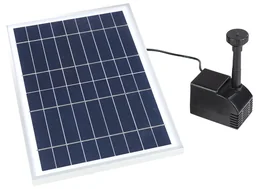
Für anspruchsvollere Projekte wie mittlere Teiche mit Filter oder kleinen Bachläufen bietet sich die an. Mit 1600 l/h und einem integrierten Akku läuft sie auch bei wechselhaftem Wetter zuverlässig. Der Akku speichert Energie für den Betrieb in den Abendstunden.
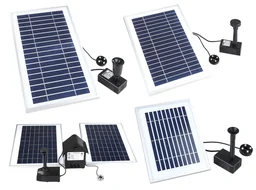
Die ist die ideale Komplettlösung für konstante Wasserzirkulation. Ihre 400 l/h Leistung wird durch einen leistungsstarken Akku unterstützt. Das garantiert eine durchgehende Umwälzung, was besonders für die Fischgesundheit und klare Wasserqualität wichtig ist. Entdecken Sie weitere Produkte für den Teichbau.
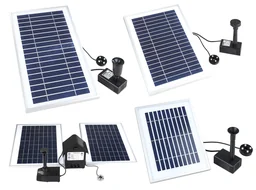
Die meistbewerteten Teichpumpen aus unserem Sortiment im direkten Vergleich:
| Modell | Kundenbewertung | Verfügbarkeit |
|---|---|---|
| Solar Teichpumpe, 800 l/h 🏆 Testsieger | ★ 4,8 (28) | Auf Lager |
| 1200 l/h Solarpumpe | – | Derzeit nicht verfügbar |
| 1600 l/h Solarpumpe | – | Derzeit nicht verfügbar |
| 1600 l/h Solarpumpe mit Akku | – | Derzeit nicht verfügbar |
| 200 l/h Solarpumpe mit Akku ohne Licht | – | Derzeit nicht verfügbar |
Warum Solar Teichpumpen die Zukunft sind
Die Vorteile von Solarpumpen überwiegen klar. Sie machen Sie unabhängig von steigenden Strompreisen und benötigen keine aufwendige Kabelverlegung. Das spart Zeit und Kosten bei der Installation.
Die Technologie ist heute sehr ausgereift. Moderne Solarmodule liefern auch bei diffusem Licht noch ausreichend Energie. Kombiniert mit einem Akku erreichen Sie eine beeindruckende Laufzeit.
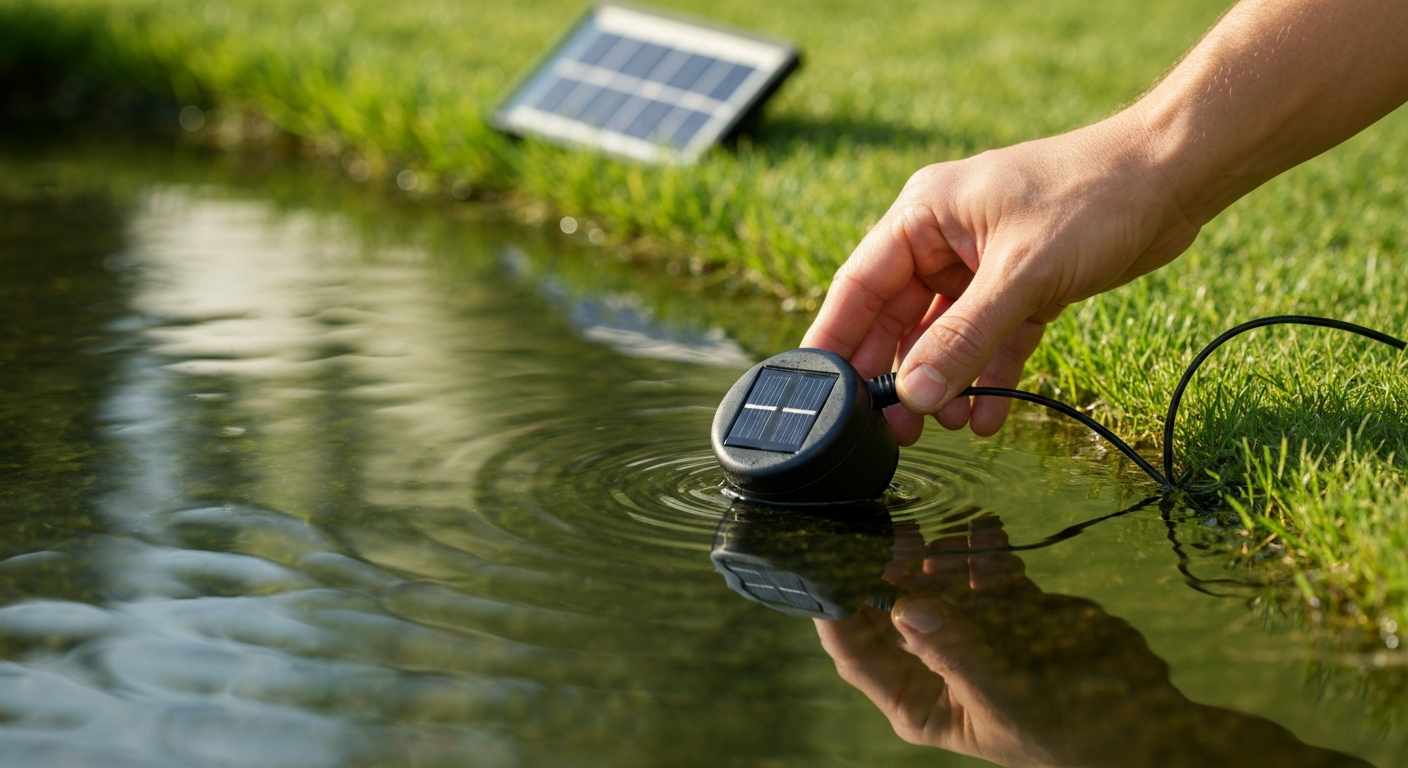
Aus ökologischer Sicht ist der Betrieb mit erneuerbarer Energie ein großer Pluspunkt. Sie leisten einen aktiven Beitrag zum Umweltschutz, ohne auf die Vorteile einer belebten Teichlandschaft verzichten zu müssen. Für alle Garten-Projekte sind sie eine nachhaltige Wahl.
Hinweis: Die reale Leistung einer Solarpumpe hängt stark von der Qualität des Solarmoduls und der Sonneneinstrahlung an Ihrem Standort ab. Platzieren Sie das Modul immer in voller Sonne.
Montage, Anschluss und Pflege
Die Installation einer Solar Teichpumpe ist denkbar einfach. Platzieren Sie die Pumpe an der tiefsten Stelle des Teichs, wo das Wasser am kühlsten ist. Das verlängert die Lebensdauer.
Richtige Positionierung
Das Solarmodul sollte möglichst senkrecht zur Mittagssonne ausgerichtet und absolut schattenfrei stehen. Verwenden Sie bei Bedarf ein Verlängerungskabel, um den idealen Platz zu finden.
Wartung und Reinigung
Reinigen Sie das Vorfiltergitter der Pumpe regelmäßig von grobem Schmutz. Kontrollieren Sie in der Hauptsaison alle zwei Wochen den Pumpenlauf. Vor dem ersten Frost müssen Sie die Pumpe entleeren, reinigen und frostfrei einlagern.
Akku-Pflege
Bei Pumpen mit Akku sollten Sie den Ladezustand über den Winter im Auge behalten. Ein gelegentliches Nachladen verhindert eine Tiefentladung, die den Akku schädigen kann.
Häufige Fehler bei der Auswahl vermeiden
Viele Teichbesitzer unterschätzen ihre Anforderungen. Das führt zu Unzufriedenheit und doppelten Kosten.
Fehler 1: Zu geringe Leistung. Eine zu schwache Pumpe kann den Teich nicht ausreichend umwälzen. Die Folge sind Sauerstoffmangel, Algen und trübes Wasser. Kaufen Sie lieber eine Nummer größer.
Fehler 2: Förderhöhe ignorieren. Für einen Wasserfall zählt nicht nur die Literleistung, sondern vor allem die maximale Förderhöhe. Messen Sie den Höhenunterschied genau.
Fehler 3: Auf den Akku verzichten. Eine reine Solarpumpe ohne Akku steht still, sobald eine Wolke vor die Sonne zieht. Für eine stabile Wasserqualität ist ein durchgehender Betrieb aber essenziell. Investieren Sie in ein Modell mit Energiespeicher.
Fazit: So finden Sie Ihre perfekte Teichpumpe
Die Wahl der richtigen Teichpumpe entscheidet über die Vitalität Ihres Gartenteichs. Solarpumpen mit Akku bieten im Jahr 2026 die beste Kombination aus Unabhängigkeit, Leistung und Nachhaltigkeit.
Berechnen Sie zuerst Ihr benötigtes Teichvolumen und die gewünschte Umwälzrate. Entscheiden Sie dann, ob Sie einen Bachlauf oder Wasserfall betreiben möchten, um die notwendige Förderhöhe zu bestimmen. Setzen Sie für zuverlässigen Betrieb auf ein Modell mit Akku.
Mit den Produkten , und haben wir Ihnen drei exzellente Optionen für unterschiedliche Anforderungen vorgestellt. So finden Sie garantiert die Pumpe, die Ihren Teich zum Leben erweckt.
Häufige Fragen
- Was ist der größte Vorteil einer Solar Teichpumpe?
- Die größten Vorteile sind die vollständige Energieautarkie und die Einsparung von Stromkosten. Da sie nur mit Sonnenlicht betrieben wird, benötigt sie keinen Stromanschluss. Das ermöglicht eine flexible Platzierung und ist besonders umweltfreundlich.
- Wie berechne ich die benötigte Förderleistung für meinen Teich?
- Als grobe Faustregel gilt: Der gesamte Teichinhalt sollte innerhalb von 1-2 Stunden umgewälzt werden. Für einen 2000-Liter-Teich benötigen Sie also eine Pumpe mit etwa 1000-2000 l/h. Berücksichtigen Sie dabei den Höhenunterschied zwischen Pumpe und Wasseraustritt.
- Brauche ich eine Pumpe mit Akku für meinen Teich?
- Ein Akku ist sehr empfehlenswert, wenn Sie eine konstante Wasserzirkulation wünschen. Er speichert Sonnenenergie und lässt die Pumpe auch bei Bewölkung oder in den Abendstunden weiterlaufen. Das ist wichtig für die Sauerstoffversorgung und die Wasserqualität.
- Kann ich eine Solarpumpe auch im Winter betreiben?
- Von einem Betrieb im Winter wird meist abgeraten. Bei Frostgefahr müssen Sie die Pumpe entleeren und frostfrei lagern, um Schäden zu vermeiden. Die geringe Sonneneinstrahlung im Winter reicht zudem oft nicht für einen effizienten Betrieb aus.
- Was bedeutet die maximale Förderhöhe bei einer Teichpumpe?
- Die maximale Förderhöhe gibt an, wie viele Meter die Pumpe das Wasser vertikal nach oben pumpen kann. Dieser Wert ist entscheidend, wenn Sie einen Bachlauf oder Wasserfall betreiben möchten. Planen Sie stets eine Reserve ein, da die effektive Leistung mit der Höhe abnimmt.