
Kurz erklärt: Der ideale Terrassenstrahler für Sie hängt von Ihren Bedürfnissen ab: Für punktuelle Wärme eignen sich Hänge- oder Deckenmodelle, während Standheizstrahler große Flächen gleichmäßig erwärmen. Entscheidend sind Heizleistung, Energiequelle, Montageart und Schutzklasse. Unser Vergleich hilft Ihnen, das passende Modell für Ihren Außenbereich zu finden.
Sie möchten Ihre Terrasse oder Ihren Balkon auch an kühleren Abenden nutzen? Ein Terrassenstrahler macht es möglich. Im Test & Vergleich 2026 zeigen wir Ihnen, worauf es bei der Auswahl ankommt. Wir stellen verschiedene Bauarten und Modelle gegenüber, damit Sie den Strahler finden, der perfekt zu Ihrem Garten und Ihren Bedürfnissen passt.
Die Auswahl ist groß: Von kompakten Hängegeräten bis zu mächtigen Standheizern. Wir helfen Ihnen, die Unterschiede zu verstehen. Unser Fokus liegt auf Leistung, Sicherheit, Handhabung und dem Gesamtnutzen für Sie.
Inhaltsverzeichnis
Welche Arten von Terrassenstrahlern gibt es?
Grundsätzlich unterscheiden Sie Terrassenstrahler nach ihrer Bauart und Montageweise. Die Wahl beeinflusst den Platzbedarf, die Heizwirkung und den Komfort entscheidend.
Standheizstrahler
Diese Modelle stehen frei auf dem Boden. Sie sind mobil und benötigen keine feste Installation. Ein Standheizstrahler eignet sich hervorragend für große Terrassenflächen. Sie können ihn je nach Bedarf umstellen. Ein Beispiel ist der
. Er bietet mit seiner Leistung von 2100 Watt viel Wärme für einen großen Bereich.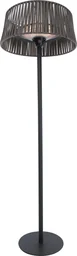
Hänge- und Deckenheizstrahler
Diese Geräte werden an der Decke, einem Dachvorsprung oder einer speziellen Stange befestigt. Sie sparen wertvollen Bodenplatz. Das ist ideal für kleine Balkone oder überdachte Sitzgruppen. Ein Hängeheizstrahler wie der
heizt gezielt von oben. Deckenmodelle wie der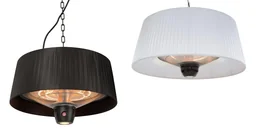
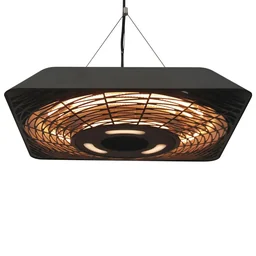
Tipp: Planen Sie bei Hänge- und Deckenstrahlern die Montage frühzeitig. Prüfen Sie, ob Ihre Decke oder Ihr Dachvorsprung für das Gewicht geeignet ist und ob ein Stromanschluss in der Nähe ist. Eine professionelle Installation kann sinnvoll sein.
Heizpilze und Terrassenöfen
Diese Kategorie umfasst oft elegante, runde Designs, die einem Pilz ähneln. Sie verbreiten ein angenehmes Licht und sind häufig mit einem Tisch in der Mitte kombinierbar. Ein Terrassenofen wie der CookKing Faro schafft eine gemütliche Atmosphäre. Die Wärmeabstrahlung erfolgt hier meist rundum.
Worauf sollten Sie beim Kauf achten?
Nicht jeder Terrassenstrahler passt zu jeder Situation. Bevor Sie sich entscheiden, sollten Sie folgende Punkte für sich klären.
Die zu beheizende Fläche
Wie groß ist der Bereich, den Sie warm halten möchten? Für eine kleine Sitzgruppe reicht oft ein kompakter Strahler mit 1000-1500 Watt. Eine große, offene Terrasse benötigt mehr Leistung oder mehrere Geräte. Ein Standheizstrahler mit hoher Wattzahl deckt eine größere Fläche ab.
Die verfügbare Energiequelle
Die meisten Terrassenstrahler sind elektrisch. Sie benötigen einen Außensteckdose in Reichweite. Achten Sie auf die Kabellänge. Gasbetriebene Modelle sind unabhängig von der Steckdose, benötigen aber Propangasflaschen. Denken Sie an den Wechsel und die Lagerung der Flaschen.
Die gewünschte Flexibilität
Möchten Sie den Heizer je nach Wetter und Gästen umstellen? Dann ist ein mobiler Standheizstrahler die richtige Wahl. Ist der Platz dauerhaft festgelegt, kann ein fest installierter Hänge- oder Deckenstrahler die elegantere Lösung sein.
Die wichtigsten Kriterien im Vergleich
Um die besten Terrassenstrahler zu finden, vergleichen wir sie anhand klarer Merkmale. Unser Vergleich hilft Ihnen, die Unterschiede zu erkennen.
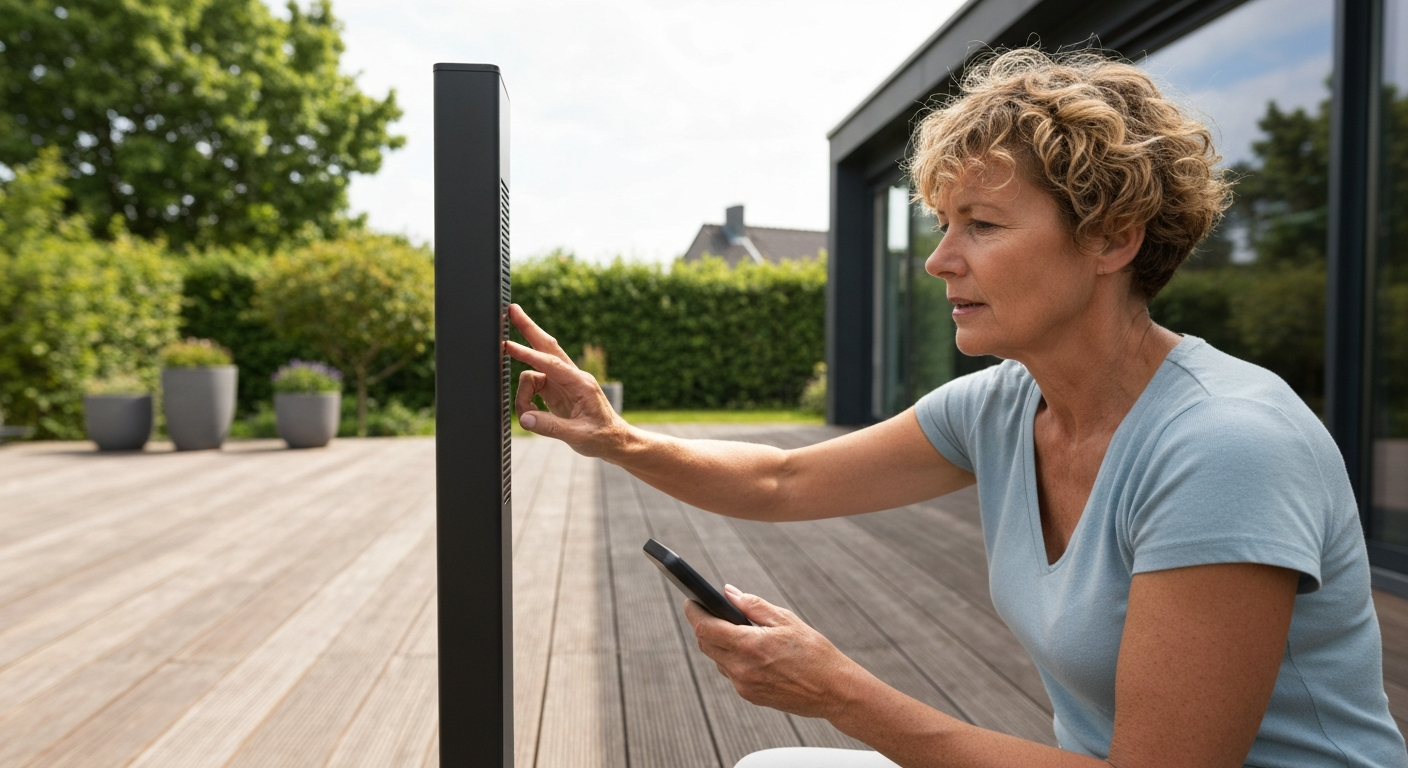
Die folgende Tabelle fasst die Eigenschaften ausgewählter Modelle für Sie zusammen. Sie sehen auf einen Blick, welches Gerät welche Stärken hat.
Die meistbewerteten Terrassenstrahler aus unserem Sortiment im direkten Vergleich:
| Modell | Kundenbewertung | Verfügbarkeit |
|---|---|---|
| Heizstrahler 1500W mit LED inkl, Fernbedienung Alu Silber | – | Derzeit nicht verfügbar |
| Ambiance Terrassenheizung 105cm hoch | – | Derzeit nicht verfügbar |
| Hängeheizstrahler Artix Compact Bright Hanging weiß 1500 Watt | – | Derzeit nicht verfügbar |
| Standheizstrahler Artix Corda Bright Standing Brown 2100 Watt | – | Derzeit nicht verfügbar |
| Terrassenheizer bronze | – | Derzeit nicht verfügbar |
Warnung: Nutzen Sie Terrassenstrahler nie in geschlossenen Räumen oder unter zu niedrigen, brennbaren Überdachungen ohne ausreichende Belüftung. Es besteht Erstickungs- und Brandgefahr, besonders bei gasbetriebenen Modellen. Halten Sie immer den vom Hersteller angegebenen Sicherheitsabstand ein.
Vorteile und Nachteile der Bauarten
Jede Bauart hat spezifische Vorzüge und Einschränkungen. Die folgende Übersicht hilft bei der Abwägung.
Standheizstrahler
Vorteile: Hohe Mobilität, meist hohe Heizleistung, einfache Inbetriebnahme (oft nur Stecker in die Dose), kein Montageaufwand.
Nachteile: Benötigen Stellfläche auf der Terrasse, können bei Wind anfälliger sein, Stromkabel kann zum Stolpern werden.
Hänge- und Deckenheizstrahler
Vorteile: Platzsparend, da kein Bodenplatz belegt wird, oft sehr gezielte Beheizung, geschützt vor versehentlichem Umstoßen, elegante Optik.
Nachteile: Benötigen feste Montage (ggf. mit Profi), sind nach der Installation nicht mehr flexibel umstellbar, Stromanschluss muss an der Decke vorhanden oder verlegt werden.
Hinweis: Viele moderne Terrassenstrahler kombinieren Heizfunktion mit LED-Beleuchtung. Das schafft zusätzliche Atmosphäre und verbessert die Sicherheit in der Dämmerung. Prüfen Sie, ob die Beleuchtung dimmbar oder farbig ist, um den gewünschten Effekt zu erzielen.
Sicherheit und Schutzklassen
Sicherheit ist das wichtigste Kriterium für ein Gerät im Außenbereich. Achten Sie unbedingt auf diese Kennzeichnungen.
IP-Schutzklasse
Die IP-Schutzart gibt an, wie gut das Gerät gegen Fremdkörper und Wasser geschützt ist. Für den Einsatz im Freien ist mindestens IP44 empfehlenswert. Diese Klasse schützt vor Spritzwasser von allen Seiten. Höhere Klassen wie IP45 oder IP55 bieten noch besseren Schutz bei Regen.
Sicherheitsfeatures
Moderne Geräte verfügen über wichtige Sicherheitsfunktionen. Dazu gehören:
- Abschaltautomatik bei Kippen: Besonders bei Standmodellen wichtig. Das Gerät schaltet sich ab, wenn es umfällt.
- Überhitzungsschutz: Verhindert, dass sich das Gerät zu stark erhitzt.
- Kindersicherung: Eine Sperre am Bedienpanel verhindert das unbefugte Einschalten.
Installation und Bedienung
Wie aufwendig ist die Inbetriebnahme und wie einfach lässt sich der Strahler bedienen?
Montage
Standheizstrahler benötigen meist nur das Auspacken und Aufstellen. Bei Hängemodellen wie dem müssen Sie die Halterung sicher befestigen. Beachten Sie das Gewicht des Geräts. Für schwere Modelle ist eine solide Deckenkonstruktion oder ein stabiles Ständerprofil nötig.
Steuerung und Komfort
Die Bedienung erfolgt heute oft per Fernbedienung. Das ist sehr komfortabel, besonders wenn der Strahler montiert ist. Einige Modelle bieten auch Zeitschaltuhren oder verschiedene Heizstufen. Der bietet beispielsweise fünf verschiedene Modi, um die Wärmeleistung und den Stromverbrauch genau zu steuern.
Unser Fazit und Kaufempfehlung
Die Wahl des richtigen Terrassenstrahlers hängt von Ihren konkreten Gegebenheiten ab. Unser Vergleich hat die Unterschiede deutlich gemacht.
Für wen eignet sich welcher Typ?
- Für große, offene Terrassen: Ein leistungsstarker Standheizstrahler wie der ist ideal. Er bietet viel Wärme und kann flexibel positioniert werden.
- Für kleine Balkone oder überdachte Sitznischen: Ein Hänge- oder Deckenstrahler spart Platz. Modelle wie der oder heizen gezielt und effizient.
- Für hohen Komfort und Steuerung: Achten Sie auf Modelle mit Fernbedienung, mehreren Heizstufen und eventuell integrierter Beleuchtung.
Entscheiden Sie sich basierend auf Ihrer verfügbaren Fläche, dem gewünschten Komfort und Ihrem Budget. Ein hochwertiger Terrassenstrahler verlängert Ihre Gartensaison um viele gemütliche Stunden. Wir wünschen Ihnen viel Freude mit Ihrer neuen Wärmequelle im Garten.
Häufige Fragen
- Sind Terrassenstrahler sicher im Betrieb?
- Moderne Terrassenstrahler sind bei sachgemäßer Nutzung sicher. Achten Sie auf eine hohe Schutzklasse wie IP44 oder höher für Spritzwasserschutz. Stellen Sie Standmodelle stets stabil und fern von brennbaren Materialien auf. Modelle mit Abschaltautomatik bei Umkippen erhöhen die Sicherheit zusätzlich.
- Welche Heizleistung benötige ich für meine Terrasse?
- Die benötigte Leistung hängt von der zu beheizenden Fläche und der gewünschten Temperatur ab. Als grobe Richtlinie gelten 1000-1500 Watt für kleinere Sitzgruppen, während große Terrassen oder windige Lagen 2000 Watt und mehr erfordern. Beachten Sie auch die Effizienz des Strahlers.
- Kann ich einen Terrassenstrahler unter einem Dach oder Sonnenschirm nutzen?
- Das ist von Modell zu Modell unterschiedlich und hängt stark von der Energiequelle und der Bauart ab. Bei elektrischen Strahlern müssen Sie auf ausreichend Abstand zu brennbaren Materialien achten. Gasbetriebene Strahler sind unter geschlossenen oder leicht brennbaren Überdachungen oft nicht zulässig. Prüfen Sie immer die Herstellerangaben.
- Was ist der Unterschied zwischen Infrarot- und Konvektionswärme?
- Infrarotstrahler erwärmen direkt Personen und Objekte, ähnlich der Sonne. Die Wärme ist sofort spürbar und effizient im Freien. Konvektionsheizer erwärmen die Luft, die dann zirkuliert. Diese Wärme kann bei Wind schneller verloren gehen. Für Terrassen sind Infrarotstrahler meist die bessere Wahl.
- Wie wirtschaftlich sind elektrische Terrassenstrahler im Vergleich zu Gasmodellen?
- Elektrische Strahler haben in der Anschaffung oft Vorteile und benötigen keinen Gasflaschenwechsel. Die Betriebskosten hängen von Ihrem Stromtarif ab. Gasstrahler können bei intensiver Nutzung betriebskostengünstiger sein, verursachen aber laufende Kosten für Gas. Die Wirtschaftlichkeit ist eine individuelle Rechnung.