
In brief: A tiny house offers financial freedom, low running costs, and a closer connection to nature. The biggest challenges are legal hurdles when finding a site, limited storage space, and adapting to a minimalist lifestyle. Careful planning of home systems, especially plumbing and wastewater, is essential for comfort.
Tiny House: Weighing the Pros and Cons Before Building
The dream of owning a small home is tempting. Tiny houses promise financial independence, a closer connection to nature, and a simpler lifestyle. But before you start drawing up plans, you need to understand what day-to-day life is really like. Weighing these factors will help you decide whether the project will succeed or end in frustration.
What are the real benefits of tiny house living?
The advantages are concrete and tangible. They can fundamentally change your everyday life.
Financial freedom and low costs
Lower construction costs are the biggest incentive. You won't need a large mortgage. Ongoing expenses for heating, electricity, and maintenance drop dramatically, leaving you more room to pursue other life goals.
You can invest in material quality instead of square footage. Every dollar goes toward durable building materials and high-quality home systems.
Expert tip
Calculate the total costs, including the foundation, landscaping, and permits. Setting aside a separate budget for high-quality insulation and windows can save on heating costs in the long term. A sturdy logistics and transport trolley is essential for moving building materials.
Minimalism and mindful consumption
Limited space forces you to prioritize. You keep only what you truly need and love. This reduces mental clutter and cuts down on the time you spend cleaning and organizing.
This lifestyle sharpens your awareness of sustainability. You consume fewer resources and produce less waste.
Reducing your life to what truly matters isn't deprivation; it's liberating. You gain time and clarity that often get lost in a large house as you manage your belongings.
Flexibility and location independence
Mobile tiny houses built on trailer chassis offer theoretical flexibility when it comes to location. You can move them if needed, for example, if you change jobs or want to live closer to family.
With a fixed tiny house, you may be able to use affordable lots in outlying areas where conventional construction is often not approved.
What are the biggest disadvantages and hurdles?
The idyllic image has its downsides. You need to consider these challenges honestly.
Legal gray areas and finding a site
German building law does not recognize “tiny house” as a separate category. You have to deal with rules covering property line setbacks, zoning plans, and definitions of living space. Getting a building permit isn't automatic; it can be a lengthy process.
Potential sites are hard to find: privately owned lots with approval, specialized parks, or long-term campgrounds. Finding a site is often the most difficult part of the entire project.
Important note
Never sign a purchase contract for a tiny house until you have received written, binding confirmation from your local authority that a building permit can be obtained for your preferred site. Otherwise, the investment is highly risky.
Limited space and compromises
Storage space is your most valuable resource. Hobbies that require large equipment, extensive clothing collections, and guest beds can be difficult to accommodate. Every purchase raises the question: “Where will it go?”
Privacy is limited. Couples and families need clear rules for alone time, even when they can't separate into different rooms.
Challenges with home systems
Every system has to work in a very confined space. Planning the plumbing and electrical systems takes careful thought. A well-designed pipe system for wastewater is essential to save space and prevent blockages.
Off-grid systems such as composting toilets or solar panels require maintenance and a willingness to adapt. The level of comfort doesn't always match that of a conventional house.
Underestimating the technical details is the most common cause of frustration. A tiny flaw in the vapor barrier or a leaking drainpipe can have immediate, serious consequences for the indoor climate and living comfort in 25 square meters.
How do I plan the practical implementation?
Proceed step by step. Good preparation is everything.
Choosing the right planning phase
Start with a detailed list of your daily routines. What do you really need? Where do you spend most of your time? This analysis forms the basis for your floor plan.
Bring in a structural engineer or an experienced tiny house planner early on. They know the regulations for imposed loads, wind loads, and the correct sizing of beams and connections.
Additional advice
Visit several completed tiny houses before you start planning. If possible, spend a weekend in a rental. You can only get a feel for the space and everyday routines by experiencing them firsthand. Pay particular attention to storage solutions and how the systems work.
Material selection and construction methods
Lightweight construction is essential for mobile homes to avoid exceeding the permitted total weight. For fixed houses, solid construction methods such as timber framing are also an option.
Choose natural, vapor-permeable materials. In a small indoor space, emissions from cheap particleboard or plastics can quickly become a problem. Good ventilation is essential.
Multifunctional furniture is ideal for interior design. High-quality
for example is not only attractive but also durable and easy to store.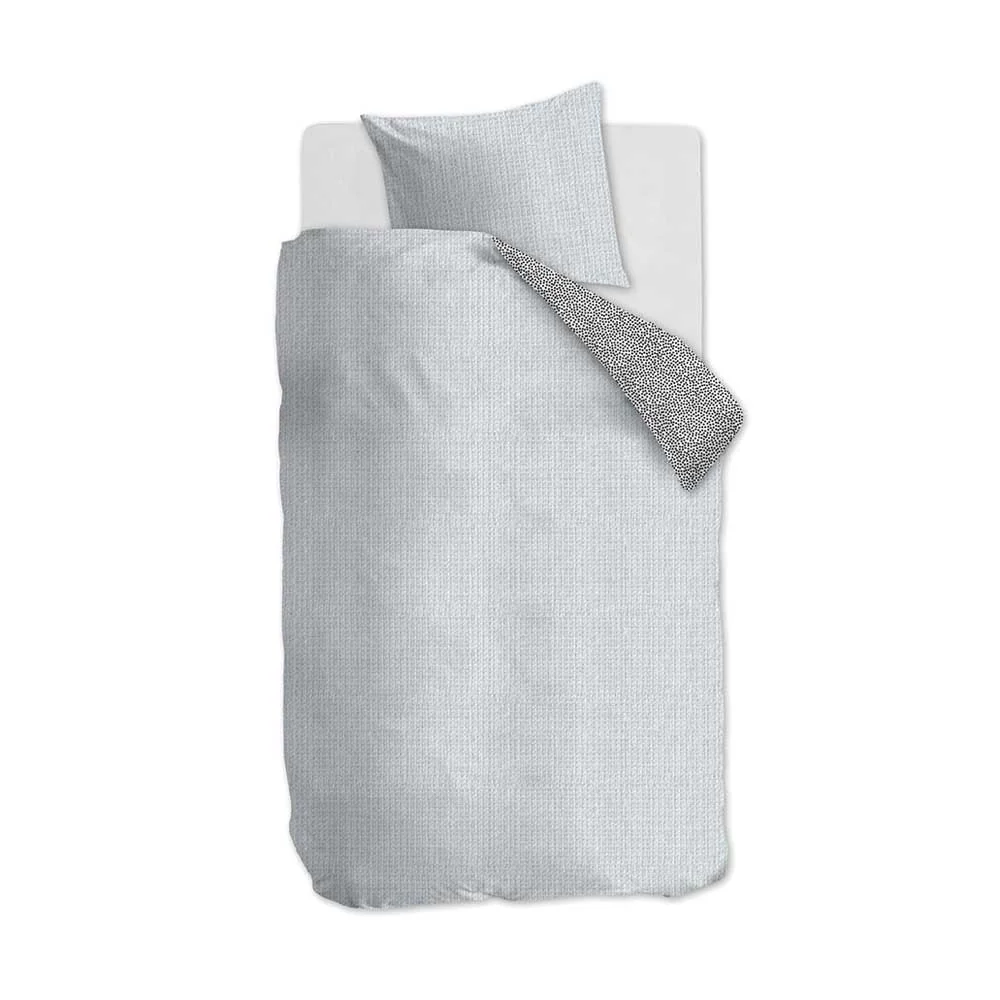
Integrating water and wastewater
This is the core technical area. Decide whether you'll connect to municipal services or use an off-grid solution. For a connection, you'll need suitable DN/OD 110 or DN/OD 125 pipes and fittings.
For a tank-based solution, plan accessible filling points and emptying connections. A filter cartridge extends the service life of your fittings.
Who is a tiny house right for?
Not every lifestyle fits into a small space.
Ideal residents: Who benefits most?
Singles or couples without children who travel often or want a more mindful lifestyle. People who value financial independence over a large living space. A tiny house can also be a great guest house or home office.
For children, it can be an adventure, but it takes creativity. Compact
shows how imaginative play can work in a small space, too. Nature becomes an extension of the playroom.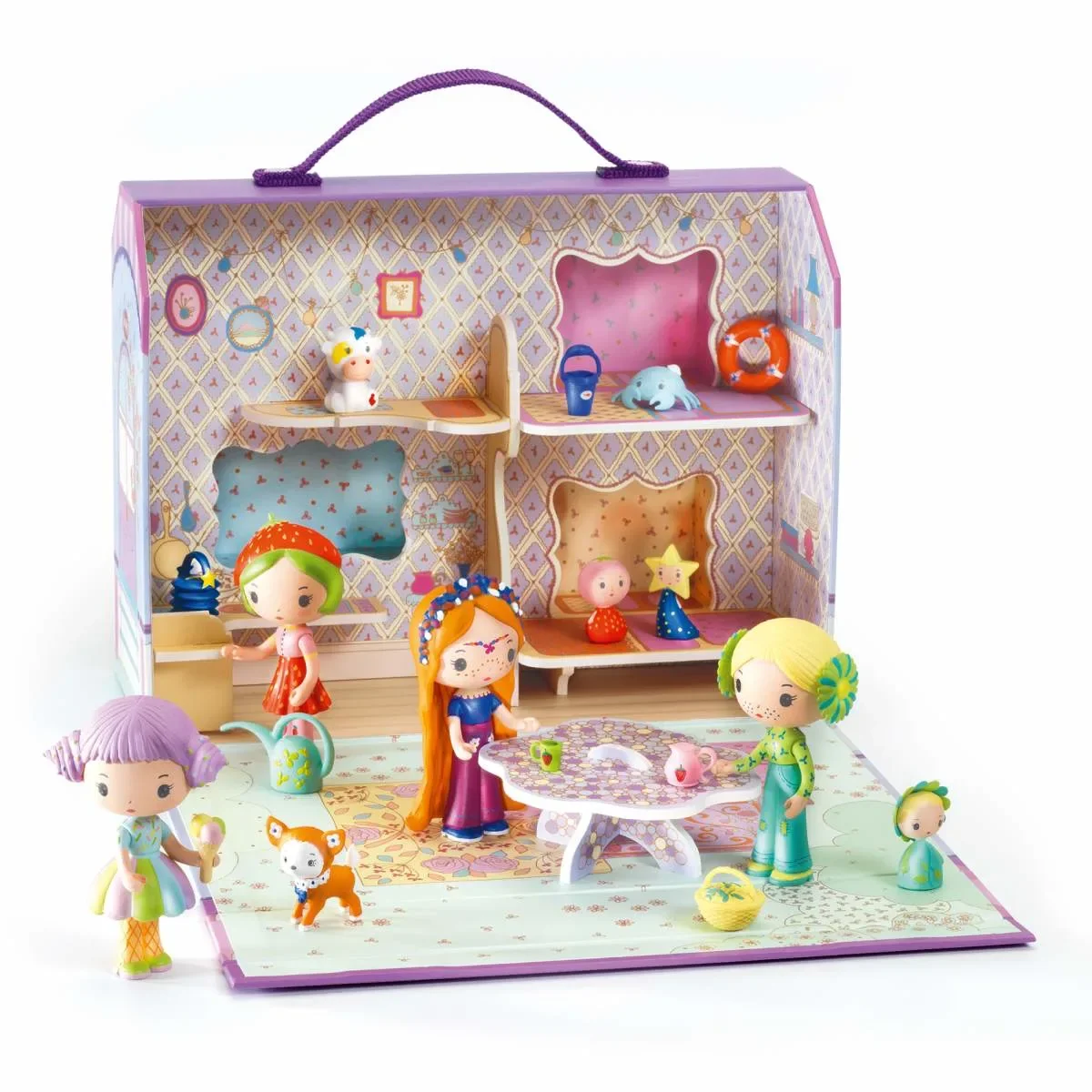
Less suitable: Who should think twice?
People with large collections of books, vinyl records, or tools. Those who often host guests or want to hold large family gatherings. Anyone without DIY experience who does not plan to hire a professional for construction or maintenance.
If you work from home and use a lot of equipment, space can quickly become tight. Creating an ergonomic workspace is difficult in such close quarters.
The alternative: Take inspiration from tiny houses
You do not have to move into one right away. You can also apply the same principles to your existing home.
Try minimalism in your own home
Start by decluttering. Tackle one room at a time. For each item, ask yourself how useful it is and what it means to you.
Invest in high-quality, multifunctional furniture instead of buying more. This creates more space and a calmer home.
Make the most of small gardens and balconies
The tiny house philosophy works outdoors, too. Use vertical surfaces to grow herbs or flowers. Compact plants such as
bring life to even the smallest balcony.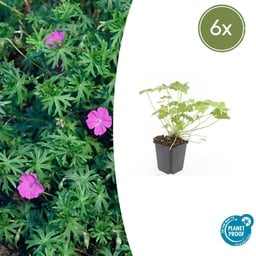
Every indoor or outdoor space benefits from thoughtful design. A well-planned selection of tools and materials helps bring your ideas to life.
Choosing a tiny house is a lifestyle decision. You trade square feet for freedom, possessions for experiences, and complexity for simplicity. The benefits are real and can be transformative. The drawbacks are real, too, and require adjustment.
Make your decision with your eyes open. Weigh your personal priorities against the practical challenges. With realistic planning, legal safeguards, and careful workmanship, your tiny house can become a valuable asset.
Frequently asked questions
- How much does a tiny house cost, including the foundation and permits?
- Total costs range from €50,000 to €120,000. The building shell alone costs €30,000–€70,000. You should also budget €5,000–€15,000 for a stable foundation, €2,000–€5,000 to connect to water and electricity, plus variable building permit fees, which can vary considerably by local authority.
- Can I put a tiny house anywhere?
- No. The legal requirements are complex. You will always need a building permit. Possible locations include your own land in the countryside, although this is often difficult, dedicated tiny house communities, permanent campgrounds, or mobile home parks. Check with your local building department before buying.
- How do water supply and wastewater disposal work?
- You have three options: connect to the public network, if available; use a self-contained system with a fresh water tank and greywater or sewage tank; or install a composting toilet. For drainage, you need a suitable house drain pipe system. A water filter is recommended when using a tank.
- Is a tiny house suitable for families?
- Yes, but with limitations. It takes careful space planning, including multifunctional furniture and sleeping areas. Every family member must be on board with the minimalist approach. Limited privacy and storage for children's items such as baby toys are major challenges.
- Can I build my own tiny house?
- Experienced DIYers can build the shell themselves. However, a professional contractor should handle the building systems, especially electrical and plumbing work. Be realistic: a build like this often takes 1-2 years of your spare time. Tools and materials are easy to transport on a pipe and panel trolley.
You may also be interested in
- Tiny house: How to create your own small-space lifestyle
- Building a prefabricated house: An overview of the pros and cons
- Tiny house communities: Living in a tiny home – concepts & ideas
- Building a small house: Practical tips for minimalism and living space
- Planning a home build: Tips for the journey to homeownership
- Building a wooden house: Benefits and planning for sustainable living