
In brief: A titanium-coated chainsaw chain offers better edge retention and wear resistance than a standard chain. The upgrade is particularly worthwhile for frequent use, hardwood or dirty wood, as the chain stays sharp for longer and needs sharpening less often. This saves time and effort.
Anyone who regularly works with a chainsaw knows this: the quality of the chain determines whether the job is successful or frustrating. A sharp chain glides through wood, while a blunt one struggles, smokes and requires more effort. Two types in particular compete on the market: the proven standard steel chain and the more robust titanium chainsaw chain. But is the premium for the coated version justified? The answer depends on how you use it.
For anyone expecting more from their saw, the Forstmeister chainsaw chain "Titan" () is a worthwhile investment to consider. It promises a longer service life and lasting sharpness, making it a favourite for demanding tasks. Let us look at the details and find out when this upgrade makes sense for you.
What exactly is a titanium chainsaw chain?
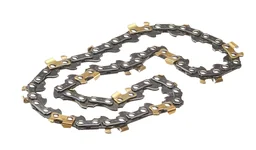
First, we need to clear up a common misunderstanding. A titanium chainsaw chain is not made from solid titanium. The core is a high-quality steel alloy, just like that of a standard chain. The crucial difference is the surface treatment. The cutting teeth are coated in a special process called physical vapour deposition (PVD) with an extremely thin but exceptionally hard layer of titanium nitride (TiN) or titanium carbonitride (TiCN). This golden-yellow or grey layer gives the chain its special properties.
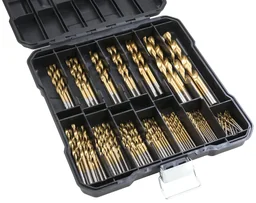
This technology is not new and has proven itself in many industrial sectors. You can also find these coatings on high-performance tools such as the 100-piece titanium HSS drill set (). There, the titanium nitride layer reduces friction and significantly increases tool life when drilling into metal. The same principle is used for the chainsaw chain: the robust steel core provides the necessary flexibility and resistance to breakage, while the hard outer layer protects the cutting tooth from premature wear.
The surface hardness of a titanium nitride coating can be three times greater than that of hardened tool steel. This protects the delicate cutting edge from microscopic chips and keeps it sharp for longer.
What are the specific benefits of a titanium chain?
The special coating leads to measurable improvements in everyday sawing. These benefits are particularly noticeable with intensive use and go far beyond a simple change in colour.
Longer edge retention and sharpness
The main benefit is improved edge retention. The hard titanium nitride layer acts like a shield for the sharpened cutting edge. It resists the wear caused by contact with wood fibres, bark and resin. The result: the chain stays noticeably sharper for longer. You spend less time filing and more time sawing. This increase in productivity is a decisive factor for professional users and serious firewood cutters.
Increased wear resistance
The coating reduces friction between the chainsaw chain and the guide bar. Less friction means less heat generation and less wear on both components. The dense TiN layer also provides better protection against corrosion. If you do not clean your saw immediately after use, a coated chain is less susceptible to surface rust. Resin adhesion is also reduced, making cleaning easier and helping the chain maintain its smooth running.
Pro tip
To maximise the service life of any chainsaw chain, always ensure the chain tension is correct and the chain lubrication system is working properly. A chain that is too loose can come off, while one that is too tight can damage the guide bar and drive sprocket. Top up the chain oil at every refuelling stop.
Better performance in hardwood and dirty wood
This is where the titanium chain really shows its strengths. While a standard chain quickly loses its bite when sawing dry oak, beech or ash, the coated version retains its cutting performance for much longer. This advantage becomes even more important in difficult conditions. Sawing logs contaminated with soil, sand or small stones, or cutting frozen wood, can blunt a standard chain within minutes. The titanium chain's hard protective layer withstands these abrasive particles much better and protects the cutting edge underneath.
Are there any disadvantages or limitations?
Despite the clear advantages, there are aspects you should consider before buying. Choosing a titanium chain or a standard one is also a question of value for money and personal requirements.
The higher purchase price
The complex coating process makes titanium chainsaw chains more expensive to buy than their uncoated counterparts. This price difference may initially seem off-putting. However, consider it an investment. When you factor in the longer service life, less frequent sharpening and the time saved, the higher price can quickly pay for itself, especially with frequent use.
Sharpening: the myth and the reality
A persistent myth claims that titanium chains cannot be sharpened or are very difficult to sharpen. This is not true. You can sharpen a titanium chain with a standard, high-quality round file. The sharpening process itself is identical. It is true that filing removes the golden or grey coating from the cutting edge. However, the rest of the tooth remains protected. The key benefit remains: you simply need to carry out this process much less often than with a standard chain.
Additional advice
When sharpening, always use a file with the correct diameter for your chain pitch. A filing guide or sharpening jig helps you maintain the specified angle, usually 30 degrees, precisely. Accurate sharpening is the key to maximum cutting performance and safety.
Who can really benefit from a titanium chainsaw chain?
Whether a titanium chainsaw chain is right for you depends largely on your individual requirements. Here are three typical user groups:
- Professional users (forestry workers, arborists): For you, the answer is a clear yes. Time is money. Every minute you do not spend filing is productive working time. The reliability and durability in changing and often dirty conditions make a titanium chainsaw chain the first choice for demanding daily use.
- Ambitious DIY users (those cutting their own firewood): An upgrade is also highly recommended here. If you process several cubic metres of wood each year for your own use, particularly hardwood, you will notice the difference clearly. The chain stays sharp for longer and can even withstand occasional contact with the ground. Browse our Garden + Outdoor category for more useful equipment.
- Occasional users (garden owners): If you only use your chainsaw a few times a year for pruning or cutting up a fallen tree, a good standard chain is often sufficient. However, if you also want maximum performance and minimal maintenance during occasional use, a titanium chainsaw chain is a convenient luxury that makes the work easier. You can find suitable saws in the Power Tools section.
Important note
Regardless of the chain type, safety must always come first. Always wear complete personal protective equipment (PPE) when working with a chainsaw. This includes chainsaw trousers, safety footwear, gloves and a helmet with hearing and face protection.
How do I maintain and sharpen a titanium chainsaw chain correctly?
Maintaining a titanium-coated chainsaw chain is hardly any different from maintaining a standard chain, but careful maintenance is especially worthwhile here to preserve its premium features for as long as possible. The basic steps are checking chain tension, lubrication and sharpening correctly.
Chain tension and lubrication
Check the chain tension before every use. The chain should rest against the underside of the guide bar but still be easy to pull by hand. An adequate supply of high-quality chain oil is essential. Even though the titanium coating reduces friction, it cannot compensate for a lack of lubrication. Running the chain dry will inevitably lead to overheating and serious damage to both the chain and guide bar.
Sharpening step by step
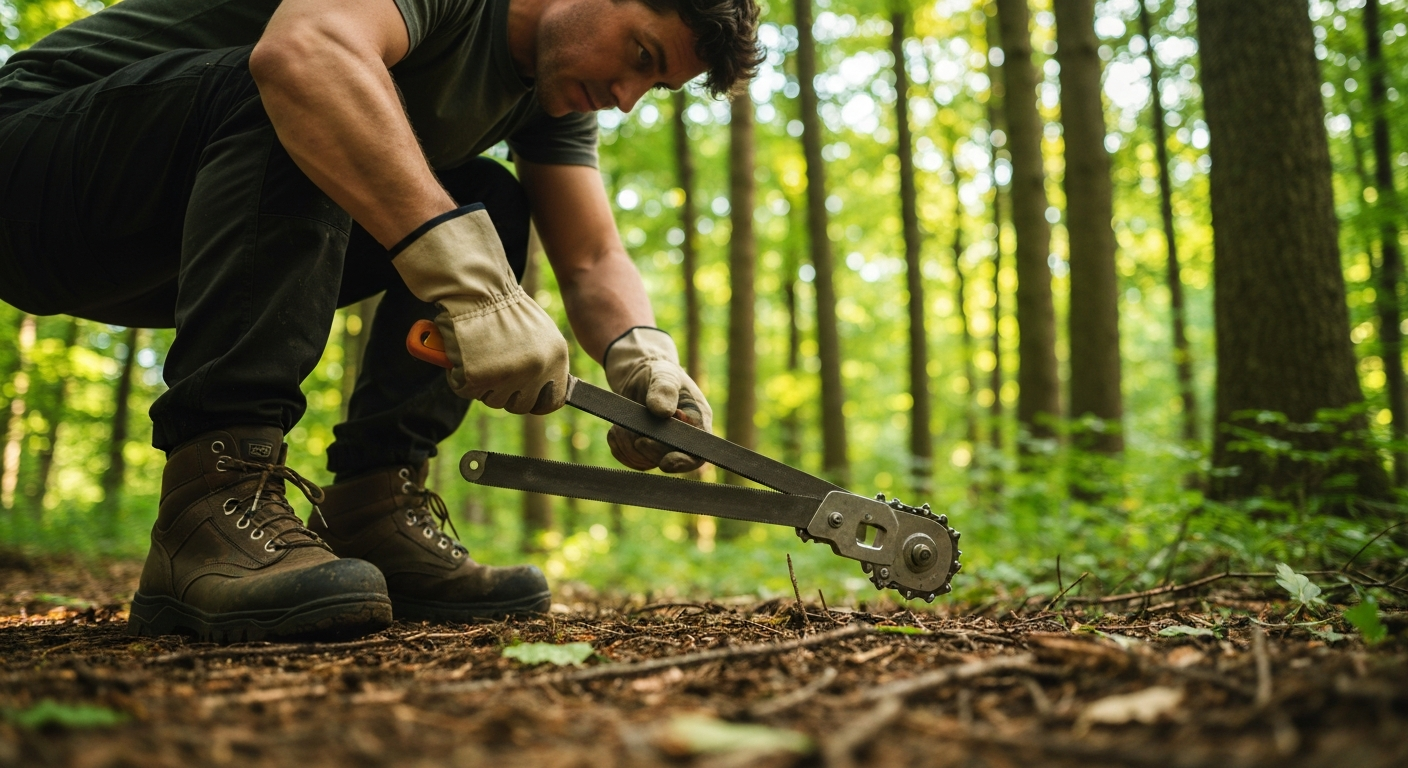
When the saw no longer produces clean chips but only fine sawdust, it is time to sharpen the chain. Clamp the guide bar in a vice so that you can work securely. Use the correct file size from the Ironmongery section and guide the file through the cutting tooth at the correct angle, from the inside out. Count the file strokes to ensure an even amount of material is removed on both sides. After three to five sharpening sessions, you should also adjust the depth gauges using a flat file and a file guide.
A sharp chain is not only faster, it is also safer. It reduces physical strain and minimises the risk of dangerous kickback because the saw pulls itself into the wood instead of having to be forced in with pressure.
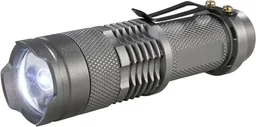
Good lighting is essential when sharpening so that you can accurately assess the angle and the amount of material removed. A focusable lamp such as the 3 Watt LED flashlight Titan () is invaluable here, especially when you are working directly in the woods or in a dimly lit workshop.
Ultimately, choosing between a titanium and a standard chainsaw chain comes down to weighing up cost and benefits. The titanium coating is not just a gimmick, but a functional upgrade that improves edge retention and wear resistance, increasing the efficiency of your work. For anyone who uses their chainsaw regularly and in demanding conditions, the Forstmeister Chainsaw Chain "Titan" () is a clear recommendation and an investment that pays off through less maintenance and more metres of wood cut.
Frequently asked questions
- Is a titanium chainsaw chain really made of solid titanium?
- No, this is a common misunderstanding. A titanium chainsaw chain is made from high-quality steel enhanced with an extremely hard layer of titanium nitride or titanium carbonitride. This coating provides improved wear resistance and edge retention.
- How often do I need to sharpen a titanium chainsaw chain?
- Much less often than a standard chain. The hard coating keeps the cutting tooth sharp for longer, especially under demanding conditions such as cutting hardwood. The exact frequency depends on how the chain is used, but you gain more productive working time.
- Can I sharpen a titanium chainsaw chain with a standard file?
- Yes, absolutely. You do not need any special tools. A commercially available, high-quality round file in the correct size for your chain pitch is sufficient. The sharpening process itself is no different from sharpening a standard chain.
- Does the chain lose its advantages after the first sharpening?
- No. Although some of the coating is removed from the sharpened cutting edge, the rest of the tooth and the entire chain remain protected. The main advantage—having to sharpen less often—remains over many sharpening cycles.
- Which types of wood are best suited to a titanium chainsaw chain?
- Titanium chainsaw chains are particularly effective on hardwoods such as oak, beech and ash. They are also ideal for frozen or dirty wood because the coating protects the cutting edge from quickly becoming blunt due to abrasive particles.
You may also be interested in
- Forstmeister Titanium Chainsaw Chain: Buying Tips & Which One Fits?
- Titanium Chainsaw Chain: The Ultimate Test for Your Wood
- Buying a Petrol Chainsaw: The Ultimate Guide to the TITAN Model
- Chainsaw: 5 Common Cutting Mistakes and How to Avoid Them
- Why a Titanium Chainsaw Chain? The X-Saw Pro in Focus
- Making Firewood: How to Find the Perfect Chainsaw Chain