
In brief: Keep tomato plants healthy by watering regularly at soil level to maintain consistent soil moisture, and choose a sunny, well-ventilated spot. Remove side shoots regularly and mulch the soil. Preventive measures—such as covering plants when it rains or choosing disease-resistant varieties—are the best defence against common tomato diseases, including late blight and early blight.
Tomato Plant Care: FAQs and Expert Tips
Healthy, flavorful homegrown tomatoes are every home gardener's goal. Getting a good harvest starts with proper care. We answer your most common questions and share practical tips on watering, feeding and protecting tomato plants from disease.
How should I water tomato plants?
Tomato plants need plenty of water, but they are sensitive to inconsistent watering. Water regularly and evenly, aiming to keep the soil consistently moist without letting it become waterlogged.
Water directly at the base of the plant. Keep the leaves dry to help prevent fungal diseases, and water in the morning if possible.
Daily watering may be needed on very hot days. Mulching with straw or grass clippings helps the soil hold moisture and reduces how often you need to water.
Inconsistent watering is one of the most common care mistakes. A cycle of drought stress followed by heavy watering puts the plant under considerable stress and can lead to fruit problems such as blossom end rot.
Why is the right location so important?
Tomato plants thrive in warmth and sunlight. Choose a spot in full sun that's sheltered from the wind. A south-facing wall is ideal because it absorbs heat during the day and releases it later.
Good air circulation is essential. Closely spaced plants dry slowly after rain, creating ideal conditions for fungal spores to spread.
Keep your plants out of direct rain. A simple plastic cover or a spot under an overhang can help protect them from late blight.
Expert tip
Don't plant tomatoes in the same spot two years in a row. Move the garden bed or replace the soil in large containers to help break disease cycles in the soil.
Growing tomatoes in containers on balconies and patios
Growing tomatoes in containers calls for a few extra considerations. Choose a container large enough to give the roots room to grow. More root space helps the soil hold water and nutrients.
and are purpose-built planters with plenty of room for healthy root growth. Make sure each container has a drainage hole and a layer of expanded clay at the bottom.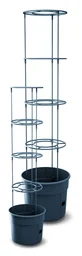
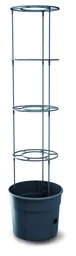
Container-grown plants dry out faster than those in garden beds. Check the soil moisture every day in summer. A spot sheltered from the wind is especially important for container plants.
What are common tomato plant diseases, and how can I prevent them?
Late blight and early blight are two of the most common tomato diseases. They cause brown spots on leaves and stems, and can later affect the fruit. The fungus spreads quickly in warm, humid weather.
Prevention is the most effective way to protect your plants. Keep the foliage dry. A protective net or cover can keep rain off the plants.
Remove affected plant parts right away and put them in the trash, not the compost. Be sure to rotate your crops.
Important note
Once late blight takes hold, spraying won't help. Remove affected fruit and leaves immediately to protect the healthy parts of the plant. Harvest any healthy green tomatoes and let them ripen indoors.
Blossom end rot: a deficiency that isn't really one
Brown, leathery spots on the blossom end of a tomato are a typical sign of blossom end rot. The problem is a lack of calcium in the fruit, which doesn't necessarily mean there's too little calcium in the soil.
This issue is usually caused by an inconsistent water supply. When a plant is stressed by drought, it can't move available calcium to the fruit. Consistent watering is the best prevention.
Avoid overfertilizing with nitrogen. Too much nitrogen encourages excess leaf growth, which competes with the fruit for water and nutrients.
Disease-resistant varieties are a game-changer for home gardeners. Modern varieties such as 'Philovita' and 'Primabella' resist late blight well without sacrificing flavor. They're a great way to improve your chances of a successful harvest.
How should I fertilize tomato plants?
Tomato plants are heavy feeders. When planting, add mature compost or an organic slow-release fertilizer. During the growing season, they need plenty of potassium, especially as they produce fruit.
Starting at flowering, use a liquid tomato fertilizer or plant feed such as nettle fertilizer. Apply it every one to two weeks, following the package instructions.
Stop fertilizing around mid-August. This gives the last fruit time to ripen and the shoots time to harden before frost.
Additional advice
Mulch around tomato plants with straw or chopped straw. Mulch helps retain moisture, suppresses weeds and keeps soil from splashing onto lower leaves when you water—a common source of fungal infections.
Remember to remove side shoots
For cordon tomatoes, regularly remove the side shoots that grow in the leaf axils. This directs the plant's energy to the main stems and fruit.
Remove side shoots every week. Pinch off soft shoots with your fingers and use scissors only for woody ones. Bush and balcony tomato varieties don't need side shoots removed.
Also remove the lower leaves up to the first fruit truss. This improves air circulation and makes watering easier.
Which pests threaten tomato plants?
Whiteflies and aphids are common pests. They feed on plant sap and can spread viruses. Keep your plants healthy with proper care.
For a light infestation, rinse the plants or remove the pests by hand. Beneficial insects such as parasitic wasps can control whiteflies naturally. Find pest control products in our plant protection category.
Tomato leaf miners tunnel through leaves. Remove and dispose of affected leaves. Yellow sticky traps can help you monitor infestations.
The benefits of a greenhouse
A greenhouse gives tomato plants an ideal, protected environment. It keeps rain out, retains heat, and significantly extends the growing season.
Products such as the
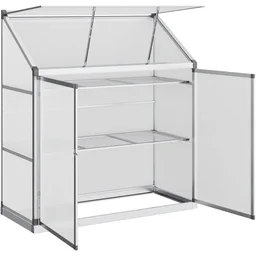
You can also grow more delicate, especially flavorful varieties here that might struggle outdoors.
How do I harvest and store tomatoes?
Harvest tomatoes when they are fully colored and come easily off the stem. They develop their full flavor when they ripen completely on the plant.
Cut the fruit from the stem with scissors or a knife to avoid damaging the plant. It's best to harvest in the morning.
Green tomatoes will ripen in a warm, dark place. Place an apple alongside them. The ethylene it releases speeds up ripening. Never store ripe tomatoes in the refrigerator, as the cold diminishes their flavor.
With these basic care tips, you're on your way to a plentiful, healthy tomato harvest. Prevention is key: give your plants a sunny, sheltered spot, water them regularly, and keep a close eye on them to become a tomato-growing pro. For more equipment, browse our vegetable gardening range.
Frequently Asked Questions
- How often should I water tomato plants?
- Water tomato plants regularly to keep the soil consistently slightly moist. Avoid waterlogged soil and drought. Ideally, water in the morning at the base of the plant, not over the leaves. You may need to water daily on hot days.
- What causes blossom end rot in tomatoes?
- Blossom end rot appears as a brown, sunken spot on the bottom of the fruit. It's often caused by a calcium deficiency, usually due to inconsistent watering. Keep the soil evenly moist and avoid overfertilizing with nitrogen.
- How can I prevent late blight in tomatoes?
- Protect tomato plants from rain, for example, by growing them under an overhang or using a protective cover. Choose resistant varieties and leave enough space between plants for good air circulation. Remove affected leaves right away.
- Do I need to remove all the suckers from tomato plants?
- For indeterminate tomatoes, yes. Regularly remove the suckers that grow in the leaf axils. This encourages the main stems to grow and produce larger fruit, improves airflow, and helps prevent disease. Bush and patio tomatoes don't need this kind of pruning.
- Which pests commonly attack tomato plants?
- Common pests include whiteflies, aphids, and tomato leaf miners. Check your plants regularly. If pests appear, you can use beneficial insects or look for targeted biological pest control products in plant protection.
You may also be interested in
- Tomato plants year-round: Growing and care
- Planting tomatoes: Your guide to a plentiful harvest
- All about tomatoes: Growing, care, and garden varieties
- Hardening off tomato plants: How to acclimate seedlings to the outdoors
- Nightshades: A guide to tomatoes, peppers, and more
- How to start tomato seeds: The complete guide