
In brief: Successful tomato companion planting increases yields by placing beneficial plants nearby. Good partners such as basil, marigolds, and carrots repel pests, improve the soil, and encourage growth. Avoid poor neighbors such as potatoes or fennel, as they compete for nutrients and spread diseases.
Are you dreaming of a plentiful harvest of juicy, sun-ripened tomatoes? The key lies not only in proper care, but also in choosing the right neighbors for your garden bed. Thoughtful companion planting transforms your vegetable garden into a small, functioning ecosystem where plants support one another, deter pests, and promote growth. Discover how to get the most from your tomato plants with the right partners.
What is companion planting, and why is it so valuable for tomatoes?
Companion planting is the opposite of monoculture. Instead of growing large areas with just one type of plant, you combine different vegetables, herbs, and flowers in one bed. This diversity creates balance and offers numerous benefits, especially for demanding plants like tomatoes.
The right partners alongside your tomatoes act like a natural shield. They keep pests away with scents that confuse them or that they simply dislike. Other plants attract beneficial insects that feed on aphids and other nuisances. This reduces the need for plant protection products.
Plants with different root types loosen the soil at different levels and compete less for water. Deep-rooted plants such as tomatoes and shallow-rooted plants such as lettuce complement each other perfectly. You also make optimal use of the space in your garden bed. Low-growing plants shade the soil, keep it moist, and suppress weeds, while the tomatoes grow upward.
Companion planting creates a small ecosystem in the garden where plants support one another and pests are naturally regulated.
Your tomatoes' best friends: Good neighbors in detail
Some plants are true superheroes when it comes to partnering with tomatoes. They protect, nourish, and promote growth in many ways. Plan these good neighbors carefully in your vegetable garden.
<>Herbs as strong partners
Because of their powerful essential oils, herbs are often the best friends in the vegetable garden. They act as a natural scent barrier against pests.
- Basil: The classic choice. Its scent keeps whiteflies and possibly even tomato hornworms away. Basil is also said to improve the flavor of tomatoes. Plant it directly between or beneath the tomato plants.
- Chives & garlic: These alliums are true powerhouses. Their sulfurous scent repels aphids and may help limit fungal diseases such as powdery mildew.
- Parsley: It promotes healthy tomato growth and attracts predatory insects with its flowers, which then feed on pests.
- Peppermint: Its strong scent drives away ants and flea beetles. But be careful: mint spreads aggressively. Be sure to plant it in a pot or use a root barrier to prevent uncontrolled growth.
Pro tip
Plant spreading herbs such as mint or lemon balm in a large bottomless bucket and bury it in the garden bed. This lets you enjoy the plant's benefits without its roots taking over the entire bed.
Vegetables that work well together
Other vegetables can also form a productive community with tomatoes. It all comes down to their different growth habits and nutrient requirements.
- Lettuce & spinach: As shallow-rooted, light-feeding plants, they do not compete with deep-rooted, hungry tomatoes. They cover the soil and keep it cool and moist. By the time the tomatoes reach their full size, you will have harvested the lettuce.
- Carrots, parsnips & radishes: These root vegetables loosen the soil deeply with their taproots. The tomato roots benefit because they can spread more easily.
- Bush beans: As legumes, beans have a special ability: with the help of root nodule bacteria, they bind nitrogen from the air in the soil. They then make this important nutrient available to heavy-feeding tomatoes.
- Onions & leeks: Like garlic, their intense scent confuses carrot flies (which benefits the carrots) and keeps some pests away from the tomatoes.
Flowers as helpful allies
Flowers in the vegetable garden are more than just decoration. They are hard-working allies for your tomatoes.
- Marigolds (Tagetes): The undisputed number one in the fight against soil pests. Their roots release substances that kill root-knot nematodes. These pests otherwise readily attack tomato roots.
- Nasturtiums: They serve as a decoy. Aphids love nasturtiums and prefer to infest them, so your tomatoes often remain unharmed. Their flowers and leaves are also edible and add a decorative touch to any salad.
- Calendula (pot marigold): Like marigolds, it helps combat nematodes and keeps the soil healthy. Its flowers also attract pollinators and other beneficial insects.
Keep these plants away from tomatoes: Poor neighbors
Just as there are good friendships, there are also poor neighborhood combinations. Certain plants harm your tomatoes by competing for nutrients, attracting the same diseases, or inhibiting growth.
The greatest danger comes from close relatives. Plants from the same family often have the same soil requirements and are susceptible to the same diseases and pests. This leads to intense competition and increased disease pressure.
Important note
Never plant tomatoes directly next to potatoes. Both belong to the nightshade family and are extremely susceptible to late blight (Phytophthora infestans). The fungus can spread incredibly quickly from one crop to the other and destroy your entire harvest.
Here is a list of other problematic neighbors:
- Other nightshades: Eggplants and peppers also belong to this family and can work with enough space and a good supply of nutrients. However, there is still a risk of disease transmission. Annual crop rotation is especially important here.
- Fennel: It is a true loner. Fennel releases growth-inhibiting substances into the soil through its roots, which many other plants, including tomatoes, cannot tolerate.
- Peas: They can also inhibit tomato growth. The exact mechanism is not fully understood, but in practice this combination has often proved unfavorable.
- Cole crops (red cabbage, kohlrabi, broccoli): As heavy feeders, they directly compete for the valuable nutrients in the soil that tomatoes also urgently need.
- Cucumbers: They have high water requirements and are also susceptible to powdery mildew, which increases the risk of disease in the garden bed.
How do I plan companion planting for tomatoes in my garden bed?
Good planning is half the harvest. Take a little time in spring to lay out your tomato bed strategically. A well-thought-out plan ensures healthy plants and less work during the season.
<>1. Location and soil: Choose the sunniest and warmest spot in your garden. Tomatoes love light and warmth. Prepare the soil well by loosening it deeply and working in plenty of compost or well-rotted manure. Tomatoes are heavy feeders and need plenty of nutrients from the start.
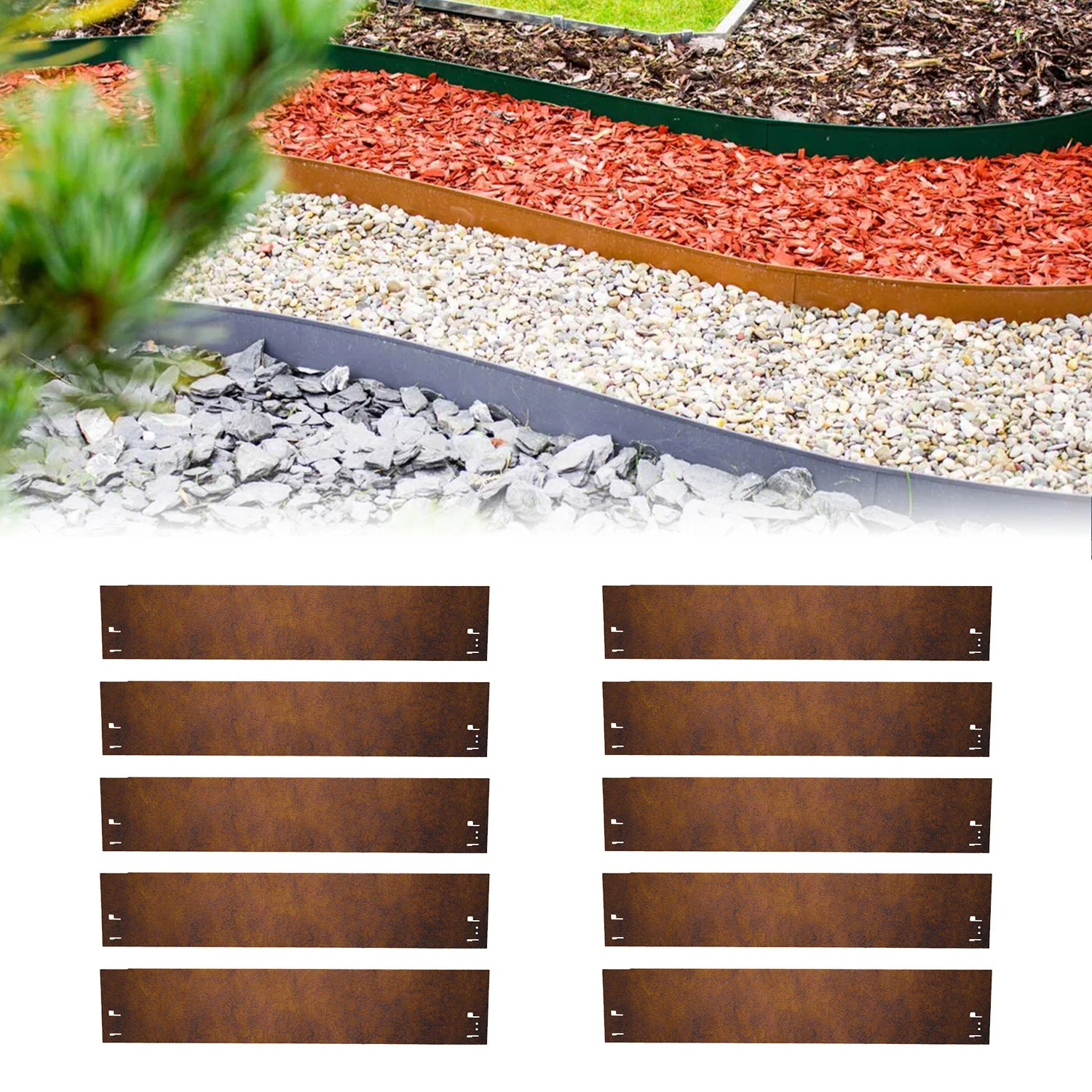
2. Bed layout: Decide on the structure of your bed. A clear boundary, for example using the , keeps everything orderly and prevents the crops from spreading into each other uncontrollably. Plan the main row for your tomatoes. Allow for a planting distance of at least 60-80 cm so that air can circulate freely and the leaves dry quickly after rain.
3. Choose companion plants: Now place the companion plants in the gaps. You can plant low-growing lettuces and herbs directly in front of the tomatoes. Carrots or onions work well in a neighbouring row. Plant French marigolds and calendulas as a protective ring around the entire bed or individually between the tomato plants.
4. An alternative for balconies and patios: No garden bed? No problem. Companion planting also works on a small scale on balconies and patios. Use large planters such as the tomato growing pot "Grow 1" or, for larger varieties, the tomato growing pot "Grow 2". You can plant one tomato plant together with basil and a trailing nasturtium in these containers.
The essential oils in basil not only repel pests, but are also said to enhance the flavour of tomatoes. A partnership you can taste.
Care tips for your tomato companion planting
Even the best team needs the right care for all its members to thrive. With just a few simple tasks, you can ensure a harmonious and productive season.
Water correctly: Tomatoes do not like wet leaves, as this encourages fungal diseases. Always water directly at the roots, preferably in the morning. This allows the plant to dry out properly during the day. Your companion plants, such as lettuce, also like moisture, but avoid waterlogging.
Additional advice
A mulch layer made from partially dried grass clippings, straw or comfrey leaves is worth its weight in gold. It retains moisture in the soil, suppresses weeds and provides food for soil life. It also prevents rain from splashing soil onto the lower leaves during heavy downpours, reducing the spread of fungal spores.
Fertilise as needed: Tomatoes are hungry plants. Even though bush beans supply nitrogen, you will need to apply additional fertiliser during the summer. Nutrient requirements are highest as soon as the first fruits begin to form. An additional application of organic fertiliser, for example in liquid form, ensures a rich harvest.
Pinch out and tie up: With most tomato varieties (except bush tomatoes), regularly remove the small side shoots that grow in the leaf axils. This process, known as pinching out, ensures that the plant directs its energy into the main stems and fruit production. Tie the growing shoots to a sturdy support so that they do not snap under the weight of the fruit.
By applying the principles of companion planting, you can create a vegetable bed that is not only productive, but also resilient and healthy. Experiment with different combinations and find out which partnerships work best in your garden. At Westfalia, you will find the right garden and plant accessories to make your tomato-growing dreams come true.
Frequently Asked Questions
- Which herbs grow well with tomatoes?
- Basil is the ideal companion. It repels pests such as whitefly and is even said to improve the flavour of tomatoes. Parsley, chives, garlic and peppermint (with a root barrier) are also excellent companions whose essential oils help keep pests and diseases at bay.
- Why shouldn't tomatoes be planted next to potatoes?
- Tomatoes and potatoes are both members of the nightshade family and are susceptible to blight. Planting them next to each other greatly increases the risk of infection. They are also both heavy feeders and compete strongly for the same nutrients in the soil.
- Does companion planting really help protect tomatoes from pests?
- Yes, well-planned companion planting is an effective, natural form of plant protection. French marigolds combat nematodes in the soil, nasturtiums draw aphids away from tomatoes, and fragrant herbs such as garlic and basil repel many flying insects.
- Can I grow tomatoes in companion planting on a balcony?
- Absolutely. In a large container, you can combine a tomato plant with basil and a trailing nasturtium. This not only looks attractive, but also brings the benefits of companion planting to even the smallest space. Make sure the container is large enough and provides an adequate supply of nutrients.
- What is the best ground cover for tomatoes?
- Cut-and-come-again lettuce, spinach or low-growing herbs such as thyme are suitable ground covers. They shade the soil, keep it moist and suppress weeds. As they have shallow roots, they barely compete with deep-rooted tomatoes for water and nutrients.
You might also be interested in
- Companion planting for pumpkins: good neighbours for a rich harvest
- Planting basil: good neighbours for a rich harvest
- Companion planting: successful gardening without chemicals
- Companion planting for peppers: good and bad neighbours
- Raised beds: crop rotation and companion planting for maximum harvests
- Planting and caring for bush tomatoes for a rich harvest