
In brief: After harvesting, thoroughly clean tomato stakes to remove soil and plant debris. Then disinfect them with a vinegar and water solution to kill pathogens. Store the completely dry stakes in a dry, sheltered place such as a shed or cellar so you can reuse them.
The tomato harvest is over, the last fruits have been picked and the plants are wilting. Now begins an often-neglected but crucial phase of gardening: tidying up and preparing for the next season. Your tomato stakes, which have served you faithfully throughout the summer, deserve special attention. Careful maintenance and proper storage not only extend their lifespan but also protect your future crops from disease.
Investing a little effort here saves money and work in the long term. Instead of buying new supports every year, you can reuse your trusted helpers again and again. This is especially true of robust metal models. The set of 2 tomato stakes is designed specifically for use over several years. Its sturdy construction can support even heavy trusses of tomatoes and, with the right care, can be used for many years.
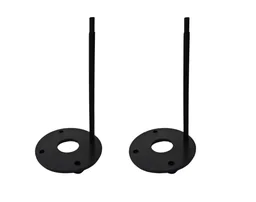
Why is storing tomato stakes properly so important?
Do you simply pull the tomato stakes out of the soil at the end of the season and lean them against the shed wall? This is a common mistake that can come back to haunt you the following year. Proper care offers clear benefits.
The most important reason is disease prevention. Fungal spores, including those responsible for the dreaded late blight (Phytophthora infestans), can overwinter on attached plant debris and clumps of soil. If you put the uncleaned stakes back in place the following spring, you can infect your young, healthy seedlings immediately. The cycle of disease starts all over again. Thorough cleaning and disinfection breaks this cycle.
Important note
Do not use harsh chemical cleaners such as bleach for disinfection. Residues can remain in the soil and harm soil life and your plants in the following season. Choose proven, more environmentally friendly methods such as vinegar, alcohol or soapy water.
Another crucial point is extending their lifespan. Moisture is the greatest enemy of metal and wooden stakes. If stored without protection, metal stakes begin to rust and lose their strength. Wooden stakes become brittle, rot or provide pests with a winter shelter. Even plastic becomes brittle due to weather and UV radiation. Dry, sheltered storage preserves the quality of the material.
Ultimately, you save real money. High-quality supports are an investment. If you maintain and reuse them, the purchase cost pays off over many seasons. You can also start the new gardening year without stress because your garden tools and equipment are ready to use.
Step-by-step guide: cleaning tomato stakes
Cleaning your tomato stakes is a simple three-step process. Set aside some time on a dry autumn day. All you need is a brush, water, a disinfectant and a place for drying.
Remove coarse dirt
The first step is mechanical cleaning. Remove all visible plant debris, leaves, ties and large clumps of soil. A sturdy root brush or hand brush with stiff bristles is ideal for this job. An old scraper can also help with stubborn, dried-on clay.
The more thoroughly you work at this stage, the more effective the subsequent disinfection will be, as the solution can act directly on the surface of the stake instead of first having to penetrate a layer of dirt. Rinse the stakes with clean water after brushing. A garden hose or watering can is perfectly adequate.
The most common source of recurring plant diseases the following year is dirty tools and infected plant material. Thorough disinfection in autumn is not optional; it is essential.
Disinfection – stop pathogens
After coarse cleaning comes the crucial step in preventing disease. You need to kill invisible fungal spores and bacteria. There are several simple and effective methods:
- Vinegar and water solution: Mix household vinegar (dilute vinegar essence accordingly) with water in a ratio of 1:1. Spray the stakes thoroughly with the solution or submerge them in a bucket of the mixture. Leave it to work for a few minutes, then do not rinse. The vinegar evaporates as it dries.
- Alcohol: 70% isopropyl alcohol from a pharmacy or chemist is also very effective. Apply it to a cloth and wipe the stakes with it. This method is particularly suitable for smaller quantities.
- Soapy water: A strong solution made from curd soap or soft soap also has a cleaning and disinfecting effect. Scrub the stakes with it, then rinse them thoroughly with clean water.
Allow to dry thoroughly
This step is often underestimated, but it is vital for the durability of your supports. Never store the stakes while they are damp. Moisture inevitably causes rust on metal and mould and rot in wood.
Place the cleaned and disinfected stakes in a sunny, well-ventilated spot until they are completely dry. Depending on the weather, this may take several hours or up to a day. With spiral stakes in particular, check that no water remains in the coils.
Additional advice
This thorough cleaning process is not only suitable for tomato stakes. Use it for all other supports, such as trellises, obelisks, bean poles and plant supports. This will help ensure comprehensive hygiene throughout your Garden + Outdoor area.
How can I spot damage and when do tomato stakes need replacing?
Use the cleaning process for a thorough inspection. Not every stake makes it through the season unscathed. Removing damaged ones in good time prevents trouble next year, when a plant support breaks under the weight of a fully laden plant.
Inspecting metal stakes for rust and corrosion
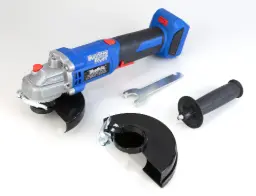
Check metal stakes carefully for signs of rust. Light surface rust is usually only a cosmetic problem. You can easily remove it with a wire brush or sandpaper. For larger areas or stubborn rust, an angle grinder with a suitable brush attachment is ideal.
The 18 V Angle Grinder BL 125 mm is a powerful tool that gets this kind of work done quickly and efficiently. After removing the rust, you can seal the area with metal protective paint. Rust becomes a serious problem when it has already eaten deeply into the material and compromised its strength. Carefully bend the stake. If it feels weak or bends easily, you should dispose of it.
Metal rusts, wood rots and plastic becomes brittle. Only those who understand their materials and protect them from their specific enemies – moisture, UV light and pests – will enjoy them for a long time.
Cracks and rot in wooden and bamboo stakes
Plant supports made from natural materials show different warning signs. Check wooden stakes for longitudinal cracks, splintered sections and, above all, soft, rotten areas. Press your fingernail or a screwdriver into the wood at any suspicious spots. If it gives way, rot has set in. Such stakes no longer provide adequate support and should be removed.
Bamboo stakes tend to splinter at the ends or turn black and mouldy due to moisture. The same rule applies here: anything that is no longer stable and solid must go.
Material fatigue in plastic stakes
Plastic stakes are weather-resistant, but they do not last forever. Their biggest weakness is the sun's UV radiation. Over the years, it makes the material brittle and prone to breaking. Look for fine hairline cracks, discolouration (fading) and a loss of flexibility. If the plastic creaks or breaks when bent, it has reached the end of its service life.
The ideal storage conditions: where and how should I store plant supports?
Once cleaning and inspection are complete, it is time to put everything into storage. Choosing the right place and storage method is essential to ensure your hard work was not in vain and that the stakes make it through the winter safely.
The ideal storage location
The three most important criteria for a storage location are: dry, dry and dry. Moisture is the main enemy of almost all materials. Ideal locations include:
- Garden shed: The classic choice. The stakes are protected from rain and snow.
- Garage: Also provides perfect protection. Make sure the stakes are not in the way.
- Dry basement: If your basement has no moisture problems, it is also a good location.
- Covered patio or carport: A temporary solution if no enclosed space is available. Also cover the stakes here with tarpaulins + nets to protect them from blowing snow and driving rain.
Avoid simply leaving the plant supports outside in the garden or placing them directly on a damp basement floor.
Pro tip
Bundle your plant supports by type and year of use. Label the bundles with a waterproof marker on a tag, e.g. "Tomatoes 2023" or "Cucumbers 2023". This allows you to rotate the stakes the following year and avoid growing the same plant family with the same stakes in the same location, which helps promote healthy soil.
Practical storage methods
Keeping your storage area organised saves time and frustration in spring. Instead of placing the stakes loose in a corner, where they can fall over and get mixed up, use clever storage methods:
- Bundle and hang: Group stakes of the same length together and tie them securely with string. Hang the bundles from hooks on the wall or ceiling. This saves space and ensures good air circulation.
- Horizontal storage: Two or three shelf brackets mounted on the wall, or sturdy hooks, provide a perfect surface for storing the bundles horizontally.
- Storage in containers: Long, narrow crates or even an old water butt can serve as an upright holder for plant supports. Make sure the bottom of the container is open or has holes so that any residual moisture can escape.
Care beyond the season: what else can I do?
If you want to give your plant supports some extra care, there are other ways to extend their service life.
Wooden stakes that are still in good condition benefit from treatment with a natural wood preservative oil such as boiled linseed oil. Apply a thin layer of oil with a cloth. It soaks into the wood, makes it more water-repellent and protects it from drying out.
For metal stakes that you have freed from rust, it is worth sealing them with the previously mentioned metal protective paint or zinc spray. This provides active protection against new corrosion and makes the stakes look like new again.
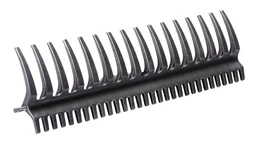
Consider caring for your plant supports part of your general autumn garden maintenance. When you are already raking up leaves with a rake such as the 2 in 1 XXL Garden Rake and preparing the beds for winter, schedule time for tool care as well. A well-organised, clean garden shed is the best prerequisite for a successful start to the new gardening season.
With this careful maintenance, you can turn your tomato stakes from a disposable item into sustainable, long-lasting equipment that will support you in growing delicious tomatoes for many years.
Frequently Asked Questions
- Do metal tomato stakes need different cleaning than wooden ones?
- Yes, the material properties are crucial. You can remove rust from metal stakes with a wire brush. Check wooden stakes for rot and splinters and treat them with linseed oil if necessary. Check plastic stakes for signs of brittleness. However, the basic cleaning and disinfection process is the same for all materials.
- What is the best disinfectant for tomato supports?
- A mixture of household vinegar and water in a 1:1 ratio is an environmentally friendly and effective choice. Alternatively, 70% isopropyl alcohol is also suitable. These substances kill most fungal spores and bacteria without leaving harmful residues for the next season.
- Can I still use rusty tomato stakes?
- Light surface rust is harmless and can be removed with a wire brush. If the rust is severe and deep enough to affect the stake's stability, you should replace it. A heavily corroded stake can break under the weight of the tomato plant and put your harvest at risk.
- Where is the best place to store tomato stakes over winter?
- The ideal storage location is dry, well ventilated and protected from the elements, such as rain and snow. A garden shed, garage or dry basement is perfect. Avoid storing the stakes directly on damp ground to prevent mould and corrosion.
- Why is it necessary to clean tomato supports?
- Fungal spores can overwinter on old plant residues and clinging soil, especially those that cause tomato blight. If you use the same stakes unwashed the following year, you can immediately reinfect new, healthy tomato plants. Cleaning is therefore an active form of plant protection.
You might also be interested in
- 5 ingenious tips for your tomato stakes: Higher yields, less work
- Tomato stakes vs trellis: Which support is best for your tomatoes?
- When to install tomato stakes? The perfect time
- Make ground anchors last longer: The art of sturdy lawn edging
- Caring for steel ground anchors: How to keep them rust-free & durable
- A long-lasting kneeler bench: How to care for your garden helper