
In brief: To care for your tongue-and-groove pliers, remove dirt and moisture after every use. Lubricate the joint with penetrating oil or gun oil to keep it moving freely. Protect the metal surfaces with a thin coat of oil to help prevent rust.
A good pair of tongue-and-groove pliers is an indispensable tool in the workshop, home and garden. It grips pipes, nuts and stubborn workpieces with impressive force. Like any valuable hand tool, though, it needs regular care to maintain its performance and last for years. Neglect can lead to rust, stiff joints and worn teeth. With a few simple steps, you can keep your pliers in top condition for years to come.
Proper maintenance turns a simple tool into a reliable partner for countless projects. It protects your investment and ensures your pliers work properly when you need them most.
The foundation for lasting performance: High-quality pliers
Every care routine starts with a good foundation. Pliers made from low-grade steel will soon reach their limits, even with the best maintenance. High-quality chrome vanadium steel (Cr-V) provides the hardness and toughness needed to withstand heavy use. It is more resistant to deformation and corrosion.
An excellent addition to any workshop is the 3-Piece Cr-V Water Pump Pliers Set. This set includes three popular sizes, making it versatile enough for everything from delicate work under the sink to tackling heating pipes. Investing in a set like this pays off: with proper care, quality tools like these can last for decades.
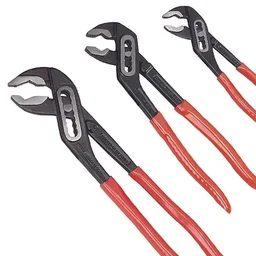
How do I clean my tongue-and-groove pliers properly?
Cleaning is the first and most important step in tool maintenance. Dirt, metal shavings and moisture are the main enemies of any pair of pliers. Clean them as soon as you finish working.
Step 1: Remove loose dirt
First, remove loose dirt, sand and metal shavings. A stiff brush, an old paintbrush or compressed air works well. Pay particular attention to the joint and the teeth on the gripping surfaces, where dirt can become lodged and interfere with the tool's function.
Step 2: Remove stubborn grime
Grease, oil and dried-on dirt need a more thorough cleaning. A cloth dampened with brake cleaner or a cold degreaser works well. You can also wash the pliers with warm water and a mild soap solution. Use an old toothbrush to clean the grooves and joint.
A tool is an extension of the hand. Take care of it, and it will serve you faithfully and help you work precisely.
Step 3: The crucial step – dry thoroughly
This step is essential for preventing rust. After cleaning the pliers with water, dry them completely. Carefully wipe them with a clean, dry cloth, including the gaps in the joint. Then let them air-dry for a while before oiling or storing them.
How do I protect my tools from rust?
Rust can silently damage steel tools. Even a thin layer of iron oxide can affect the fit of a joint and weaken the gripping teeth. That's why effective rust protection is essential.
Oil your pliers to protect them
A thin coat of oil is the best protection against moisture. Once the pliers are clean and dry, apply a few drops of a suitable oil. Put one drop directly into the joint, then open and close the pliers several times to spread the oil. Wipe the entire metal surface with a lightly oiled cloth. A very thin coat is all you need.
Pro tip
An old toothbrush or pipe cleaner works well for removing dirt from the adjustable joint and gripping teeth. This helps keep particles from jamming the mechanism or compromising rust protection.
Which oil should I use?
Not all oils are suitable. Cooking oil and other vegetable oils can become sticky and make the tool difficult to use. Choose an oil made for tools.
- Penetrating oils (e.g. WD-40): Ideal for cleaning and displacing moisture. They can help free a seized joint, but their protective coating doesn't last long.
- Gun oils (e.g. Ballistol): A great choice. They clean, lubricate and protect without becoming sticky, and provide long-lasting corrosion protection.
- Light machine oils (sewing machine oil): These lubricating and protective oils are resin-free and acid-free. They leave a stable protective coating, making them ideal for long-term storage.
What should I do if rust has already formed?
Don't panic if you spot the first signs of rust. Depending on how extensive it is, you can remove it with simple methods or more powerful tools.
For light surface rust
Surface rust is often easy to remove. Soak a cloth in penetrating oil and rub the affected areas firmly. For more stubborn spots, use fine steel wool (grade 00 or 000) or a brass brush. Brass is softer than steel, so it's less likely to scratch the pliers.
For heavier rust
Deeper rust takes more work to remove. Use a wire brush, either attached to a drill or as a hand brush. You can also soak the pliers in a mild acid solution. A mixture of vinegar essence and water, or dissolved citric acid, can loosen rust overnight. Keep in mind that acid can also damage good metal. Afterwards, neutralize the pliers thoroughly with a baking soda solution and water, then dry and oil them right away.
Important note
Always wear safety glasses and gloves when working with rust removers, acids or power tools. Rust particles and chemical splashes can cause serious injuries.
Using power tools on heavily rusted pliers
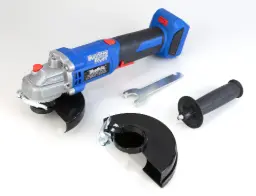
For old, heavily rusted heirlooms or flea market finds, power tools can be useful. An angle grinder such as the 18 V angle grinder BL 125 mm, fitted with a cup wheel or flap disc, removes heavy rust quickly and efficiently. Work carefully and use light pressure to avoid removing too much material. This method is ideal for restoring a tool completely.
Check and maintain the mechanism: joint and teeth
Clean, rust-free pliers are good, but fully functional pliers are even better. The mechanism deserves special attention.
The joint: the key to smooth operation
The joint is the heart of tongue-and-groove pliers. It should move freely without excessive play. After cleaning and oiling, the pliers should open and close smoothly. If they stick, apply more oil and move the joint repeatedly through its full adjustment range. Remove any old, gummy grease.
The gripping teeth: sharp and clean for a secure hold
The teeth provide the grip you need. Check that they are clean and free of metal filings and other debris. A small wire brush can help. The teeth are hardened and should not be sharpened, as this would damage the hardened layer. If they are badly worn and rounded, the pliers will lose their grip and should be replaced.
Additional tip
The rubberized handles on your pliers need care, too. Clean them with a damp cloth and mild soap. Avoid harsh solvents, which can damage the material and make it brittle.
Proper storage: protection from the elements
Even the best maintenance is pointless if you store the tool incorrectly. Moisture and physical damage are the main hazards.
Store your pliers in a dry place. A damp basement corner or a box in a garden shed won't do. Ideally, hang them on a tool wall or store them in a closed toolbox in a garage or workshop with low humidity.
Don't toss your tools loose into a box on top of one another. The pliers can bang against other tools, causing dents and scratches that create spots where rust can take hold. A tool board with holders or a drawer with suitable organizers keeps everything neat and protected.
Bringing an old tool back to life is more than just a repair. It shows respect for craftsmanship and a commitment to sustainability.
Give your tongue-and-groove pliers regular care, and they can remain a powerful, reliable partner for many years. A well-maintained tool is a pleasure to use and a lasting reminder of quality craftsmanship.
Frequently Asked Questions
- What is the best oil for tongue-and-groove pliers?
- Use a penetrating oil such as WD-40 on the joint. It displaces moisture and cleans at the same time. For longer-lasting protection against surface rust, use a resin-free, acid-free oil such as Ballistol or light machine oil, which won't evaporate as quickly.
- How often should I oil my tongue-and-groove pliers?
- Oil your pliers after each use in damp conditions or after a thorough cleaning. If you use them infrequently and store them in a dry place, oiling them every few months is enough to help prevent surface rust and keep the joint moving smoothly.
- Can I completely remove rust from my pliers?
- In most cases, yes. Remove light surface rust with steel wool and oil. For heavy rust, try a wire brush, chemical rust remover, or power tool. Small pits in the metal, known as pitting, may remain.
- What should I do if the joint on my pliers is sticking?
- A sticking joint is usually caused by rust or old oil that has become gummy. Apply plenty of penetrating oil to the joint and let it soak in. Then open and close the pliers repeatedly to loosen the blockage. Finally, clean the joint and apply fresh oil.
- Is it worth restoring an old, rusty pair of tongue-and-groove pliers?
- Absolutely. High-quality older pliers are often made from excellent steel. Restoring them is sustainable and rewarding. With a little work, you can turn a rusty heirloom into a fully functional, reliable tool again.
You may also be interested in
- How to use tongue-and-groove pliers correctly: a DIY guide
- Garden tool maintenance: how to make your tools last longer
- Buying a tongue-and-groove pliers set? Your guide to Cr-V pliers
- Chainsaw bar maintenance: tips for a long service life
- Cleaning and maintaining the VP1 attachment pump: how to ensure a long service life
- Maintain hardware like a pro: prevent rust and squeaking