
In brief: The best DIY projects for home improvement combine practical benefits with the enjoyment of making something yourself. Build a raised bed for fresh vegetables, a custom workbench as the centrepiece of your workshop or a birdhouse to bring more life to your garden. Upcycling projects such as shelves made from old ladders or custom furniture for a child's room turn DIY into a creative experience. With the right tools and materials, you can turn your DIY home ideas into tangible results.
Top DIY Projects for Home Improvement: 5 Ideas
Would you like to design your home yourself or improve your garden? DIY home ideas make it possible. These home improvement projects offer practical benefits as well as the satisfaction of creating something of your own. We show you specific suggestions for your next DIY project.
How do I get started with the right project?
Choose a project that matches your skills and the tools you have available. A raised bed is an easy place to start. Building a garden shed requires more experience. Ask yourself: What do I really need? How much time do I have? The answers will guide you to the right DIY project.
Expert tip
Sketch your project on paper beforehand. Make a note of the dimensions, materials and tools you need. Take this list with you when shopping. This helps you avoid forgetting parts and making costly extra trips.
A well-equipped workbench is a good place to start. You can find garden tools and much more in our range. A sturdy work surface is the foundation of every home improvement project.
DIY Home Ideas: Building a Raised Bed
A raised bed brings vegetable growing up to a comfortable height. You can work in a way that is easier on your back, while the plants benefit from warmer soil. Build it from robust, pressure-treated timber or durable stone slabs.
The ideal width is no more than 130 cm. This allows you to reach the centre comfortably from both sides. The height should be between 80 and 100 cm. Choose a sunny location and fill the bed in layers with garden waste, compost and soil.
It's all about the mix: good raised-bed filling consists of 30% coarse material such as branches for drainage, 40% finer green material and 30% mature compost and garden soil. This provides plenty of nutrients for the whole season.
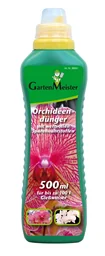
A raised bed is more than a garden project. It is an investment in your diet. With the right fertilizer supply, lettuce, radishes and herbs will thrive. Special nutrient solutions are available for sensitive plants such as orchids, including our
.
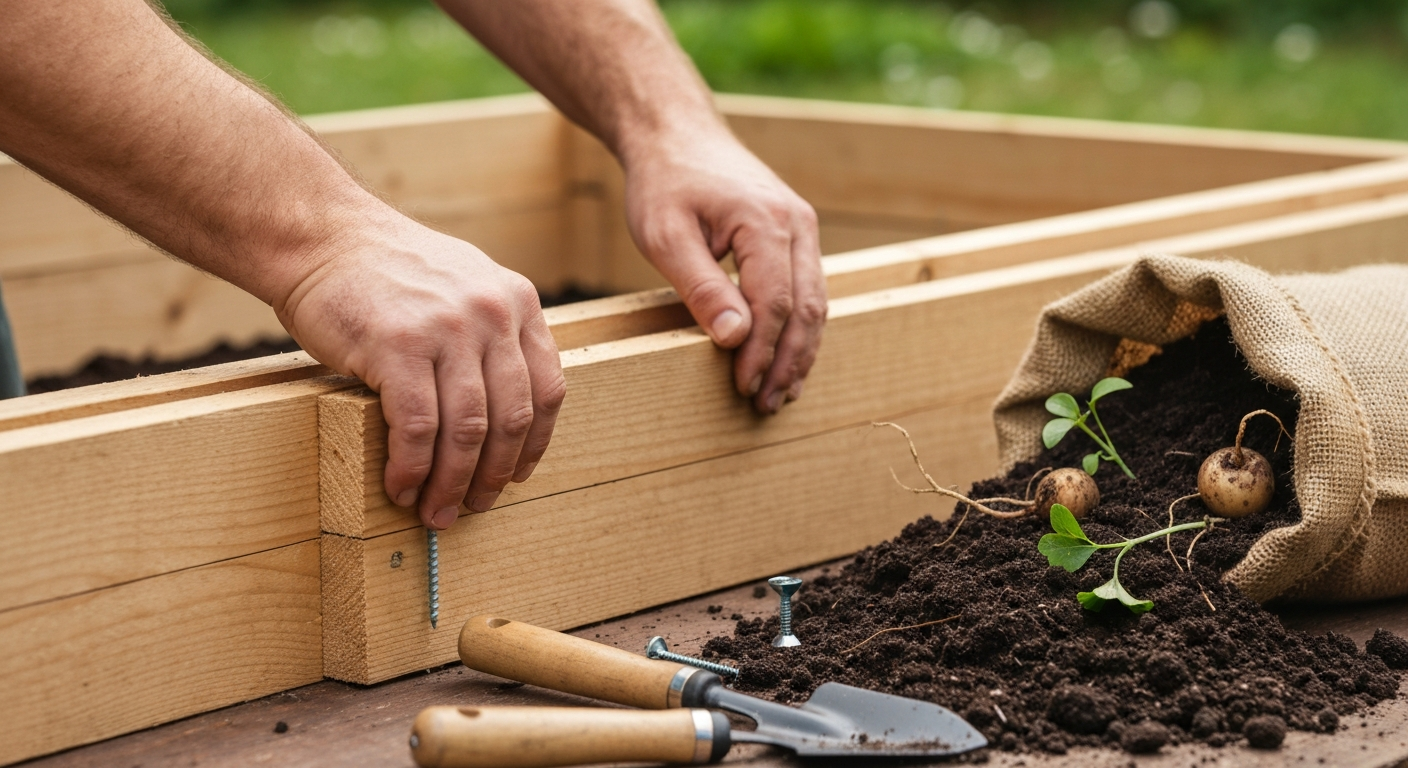
Materials for a simple wooden raised bed
- 4 square timbers 8x8 cm, 80 cm long (for the corner posts)
- 12 roof battens 4x6 cm, 120 cm long (for the side walls)
- Angle brackets and stainless steel screws
- Pond liner or dimpled membrane for lining
- Wire mesh to protect the base from voles
Important note
For growing vegetables, use only untreated or pressure-treated timber. Chemically treated railway sleepers or old pallets can release harmful substances into the soil. These can later end up in your vegetables.
DIY Projects for the Workshop: Build Your Own Workbench
A workbench is the central hub for all your DIY home ideas. It provides a stable surface for sawing, screwing and assembling. A simple solid-wood construction can last for decades. Adjust the height precisely to suit your body.
The ideal height is roughly level with your hand when your arm hangs loosely by your side. This allows you to work without tiring. Plan in storage space from the outset. Drawers or shelves beneath the worktop keep your tools close at hand.
For quick assembly, a ready-made solution such as the
is a good choice. A practical is ideal for initial upgrades. Discover more options in our business supplies category.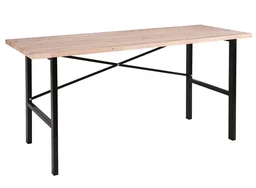
The worktop is the heart of the workbench. Choose beech or maple wood at least 4 cm thick. It is hard, absorbs impacts and is easy to clean. Laminated timber panels are an affordable and sturdy alternative to solid wood.
How to build a sturdy workbench
- Cut to size: Saw the legs from 8x8 cm square timbers to the desired height.
- Build the frame: Join two short and two long crosspieces to form a rectangular frame. Use screws and metal brackets.
- Fit the legs: Screw the four legs securely to the inside corners of the frame. Use a spirit level to check the right angle.
- Attach the worktop: Place the worktop on top and screw it into place from below through the frame.
- Add strength: Diagonal braces between the legs prevent the workbench from wobbling later.
Upcycling Your Home: Turning Old into New
Upcycling is one of the most creative forms of DIY home improvement. It gives old materials a new purpose. A discarded wooden ladder becomes a stylish bookcase. Old Euro pallets are transformed into a garden bench.
The advantage: you save on material costs and conserve resources. The material’s unique patina gives every piece unmistakable character. Look for interesting finds at flea markets, through classified ads or from demolition companies.
Additional advice
Clean old pallets or timber thoroughly before working with them. Sand all surfaces smooth to prevent splinters. Check whether the wood has been treated with pesticides – this is often indicated by the blue “MB” stamp. Do not use this type of wood indoors.
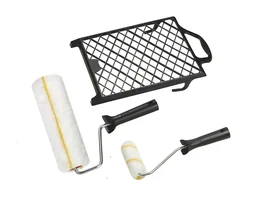
For the finishing touches after upcycling, practical helpers such as the


How Can I Design a Unique Children's Room?
Children’s furniture needs to be safe, functional and imaginative. Build a house-shaped bed, a tree-shaped shelf or a play corner with a curtain. These DIY children’s room ideas combine practical use with fun.
Use rounded edges and child-safe hinges. Paint all surfaces with saliva-resistant, non-toxic paints. Plan ahead: the shelf that holds toys today may need to hold a schoolchild’s books tomorrow.
Find inspiration for nursery ideas and sturdy country-style children's furniture in our categories. Systems such as the Flexa house offer flexible basic modules that you can build and expand yourself.
Simple Project: Build a Crate Shelf
- Material: 6-8 sturdy wooden or plastic crates of the same size.
- Tools: cordless screwdriver, square, wall plugs.
- Setup: Arrange the crates on the floor in the desired shape – as a tower, L-shape or wide wall.
- Connect: Screw the adjoining sides of the crates together from the inside.
- Secure: Fix the unit to the wall for stability, especially with taller towers.
Practical DIY Projects for the Garden and Outdoors
The garden is an extension of your home. Design it with practical DIY projects. Build a bird feeder, a composter from wooden slats or a trellis for climbing plants.
A homemade barbecue made from an old oil drum will be the highlight of any BBQ + smokers evening. For irrigation, take a look at Plumbing + Irrigation. There you will find everything you need for an efficient garden irrigation system.
Do not forget the basics: good garden equipment and the right garden + plant accessories make the work easier. For larger projects such as a greenhouse, you need sturdy materials such as greenhouse film & mesh film.
Your Path to a Finished DIY Home Project
Start with a small, manageable project. Gather all the materials and tools you need. Work step by step according to your plan. Do not hesitate to ask for advice if you are unsure.
Every completed project gives you the confidence to take on the next, more challenging one. The world of DIY home ideas is vast. From a repaired door handle to a self-built garden shed, your home will gradually become your own personal creation.
Browse our entire shop for inspiration and everything you need for your DIY projects. We wish you lots of enjoyment and success with your projects!
Frequently Asked Questions
- Which DIY project is suitable for complete beginners?
- A simple raised bed made from untreated roofing battens and timber beams is ideal for getting started. You only need a saw, a cordless screwdriver and angle brackets. The construction is straightforward, the result can be used immediately and it is forgiving of mistakes. Start with a compact size of 120x80 cm.
- Do I need an expensive basic toolkit for DIY projects?
- No. A reliable cordless screwdriver, a hand saw or jigsaw, a set of screwdrivers, a tape measure, a spirit level and a hammer form the foundation. Quality matters more than quantity: invest in a good cordless screwdriver. You can find many tools in our power tools category.
- How can I plan a DIY home project safely?
- Read the instructions all the way through. Check the structure and load capacity, especially for furniture and shelving. Always wear safety goggles when working with wood and hearing protection during loud work. Keep the work area clean and well lit to prevent trip hazards.
- Where can I find good materials for DIY home ideas?
- You can buy solid wood such as spruce or pine at a DIY store. Pallets or old furniture from flea markets are suitable for creative projects. You can find specialist materials such as greenhouse film & mesh film or irrigation pipes in our specialist categories.
- Can I do DIY projects together with children?
- Yes, with age-appropriate tasks. Children can sand wood, hold parts in place or paint. Projects such as a simple bird feeder or colourful crates are perfect. Always supervise them, especially when tools are involved. The focus is on enjoying the process together.
You may also be interested in
- Build Your Own Furniture: Creative Projects for Your Home
- Creative DIY Projects: Ideas for Your Workshop
- Make Your Own DIY Christmas Decorations: Creative Ideas for Your Home
- Creative Mother's Day Craft Ideas
- Upcycling for the Home and Garden: Sustainable DIY Projects
- DIY Kitchen and Bathroom Projects: Renovation Ideas