
In brief: Toxic plants such as oleander, lilies, dumb cane, yew and poinsettia can make dogs and cats ill. Remove risky plants from their reach, check new plants before buying them and store garden cuttings safely. If you notice drooling, vomiting, tremors or breathing problems, call a veterinarian or veterinary clinic immediately.
Toxic plants should never be left unattended on the floor, balcony or windowsill in a home with freely roaming dogs or cats. Some plants only irritate the mouth and stomach, while others affect the heart, liver or kidneys. Lilies in particular can be fatal to cats.
The search terms “toxic plants for pets” and “plants poisonous to cats” often lead to the same question: Which plants can stay in the home? The decisive factors are the plant species, plant part, amount eaten and animal species. Always check the botanical name and do not rely on the common name alone.
Which plants are especially toxic to dogs and cats?
Not every toxic plant affects dogs and cats in the same way. Cats are significantly more sensitive to certain species, while dogs are more likely to eat larger amounts because they ingest stems, bulbs or fallen fruit. The animal's size also changes the risk.
Toxic houseplants
- Lilies: True lilies and daylilies can cause severe kidney damage in cats. Flowers, leaves, pollen and vase water are all risky. Do not wait for the first symptoms before visiting a veterinarian.
- Dumb cane, pothos, philodendron and monstera: These plants contain irritating calcium oxalate crystals. Chewing them can cause burning, excessive drooling, vomiting, swollen mucous membranes and difficulty swallowing.
- Sago palm: The seeds and fruit in particular can cause liver failure, bleeding and neurological disorders. Do not keep this plant in rooms that pets can access.
- Amaryllis: Bulbs and other plant parts can cause vomiting, diarrhea, drooling and, in severe cases, heart or neurological problems.
- Peace lily and calla lily: The irritating crystals usually cause discomfort in the mouth and throat. Severe swelling can make it difficult for the animal to breathe.
Toxic plants in the garden and on the balcony
- Oleander: The cardioactive compounds it contains can cause irregular heart rhythms, weakness, vomiting and cardiovascular collapse.
- Yew: The needles, bark and seeds contain toxic taxines. Tremors, breathing problems, seizures and sudden cardiac arrest are possible.
- Rhododendron and azalea: Eating them can cause drooling, vomiting, diarrhea, weakness and irregular heart rhythms.
- Autumn crocus and golden chain: Both species can affect the nervous system and circulation. Even small amounts are a reason to call a veterinary practice immediately.
- Tulips and daffodils: The bulbs are particularly irritating to the gastrointestinal tract. Larger amounts can also cause tremors, seizures or heart problems.
Also remove unknown seedlings, cut branches and fallen leaves. A closed garden gate will not help if your dog reaches the plant during a walk or your cat gets to it in the flower bed.
Pro tip
Create a plant list with a photo, botanical name and location. Keep it with your veterinary practice's phone number. If your pet eats a plant, this saves time because you can identify it more quickly.
What symptoms do dogs and cats show after nibbling plants?
Plant poisoning can become apparent immediately or after a delay. Drooling, vomiting and diarrhea often indicate irritation but do not prove a specific cause. Weakness, breathing difficulties, seizures or an unusual heartbeat are emergencies.
Typical signs in dogs
- The dog drools heavily, repeatedly licks its lips or rubs its paws against its mouth.
- It vomits, develops diarrhea or refuses food and water.
- It walks unsteadily, trembles, seems unusually sleepy or does not respond normally.
- In severe cases, breathing problems, seizures, pale mucous membranes or cardiovascular collapse may occur.
Typical signs in cats
- The cat withdraws, seems lethargic or refuses food.
- It vomits, drools, swallows frequently or shows pain when chewing.
- After possible lily exposure, symptoms may initially be absent. Vomiting, extreme tiredness and changes in drinking or urination can develop later.
- Pollen on the fur or paws is swallowed during grooming. Contact without visibly eating the plant therefore also matters.
| Observation | Possible meaning | What to do |
|---|---|---|
| Excessive drooling and pawing at the mouth | Irritation of the mouth and throat | Remove the plant and call a veterinary practice |
| Vomiting, diarrhea or refusing food | Gastrointestinal reaction | Secure plant remnants and determine the amount eaten |
| Tremors, seizures, breathing difficulties or collapse | Possible severe poisoning | Go to a veterinary clinic immediately |
Observe not only your pet but also the plant's location. Missing leaves, disturbed soil, bitten stems or pollen on the fur can provide important clues.
“If you suspect that your pet has ingested a potentially toxic substance, contact your veterinarian.”
How should you respond if you suspect plant poisoning?
Act immediately in the case of lilies, oleander, yew, sago palm and unknown plants. Do not wait until the animal vomits or appears visibly ill. Some organ damage begins before clear symptoms develop.
The first five steps
- Stop contact: Move the dog or cat away from the plant. Remove visible plant parts from its mouth only if this can be done without risk of injury.
- Secure the plant: Place leaves, stems or bulbs in a bag. Photograph the entire plant and take a close-up of the leaf, flower or fruit.
- Record the amount and time: Note when the animal may have chewed the plant and how much is missing. State its weight, age and any known medical conditions.
- Call the vet: Describe what you observed and follow the instructions. If the animal has difficulty breathing, seizures, impaired consciousness or collapses, go straight to a veterinary clinic.
- Prepare for transport: Keep the animal calm and secure it safely. Take any plant remains, packaging or labels with you.
Important note
Do not give milk, oil, salt or home remedies. Never induce vomiting on your own. The wrong action can cause additional damage to the mucous membranes or cause plant material to enter the airways.
What you should avoid
Activated charcoal, fluids or medication should only be given on veterinary advice. Even if the animal seems lively again after vomiting, the type of plant ingested remains crucial.
If pollen is visible, carefully clean the fur and paws without encouraging the animal to groom itself. If a cat may have ingested any part of a lily, treat the contact as an emergency, even if it is still eating and playing normally.
“The diagnosis is based on the history, clinical signs and identification of the plant ingested.”
How can you protect pets from poisonous plants?
The safest way to protect your pets is to make a complete inventory. Check the living room, bedroom, kitchen, balcony, patio and garden. Include cut flowers, decorations, plant trimmings and vase water.
Positioning houseplants safely
- Place poisonous plants in a room your pets cannot enter. A high shelf may not be enough for climbing cats if leaves hang down.
- Use sturdy pots and tip-resistant stands. Secure hanging plants so pets cannot reach the pots or stems.
- Remove fallen leaves right away. Store potting soil, fertilizer and treated plant parts in a cabinet or other closed storage.
- Check new plants by their botanical name before buying. If you are unsure about a species, ask your veterinarian or consult a reliable veterinary database.
Suitable garden and plant accessories can help you create stable displays and protected planters. Store products from the pet supplies range so packaging and cords are out of your pets’ reach, too.
Securing the garden and balcony
Use low, sturdy barriers around flower beds, and never leave dogs unsupervised near unfamiliar plants. Put yew, oleander and bulb plant trimmings in a closed container instead of an open compost pile.
After fertilizing plants or treating them with pesticides, follow the waiting period listed on the product. Keep animals from drinking water from plant saucers or licking freshly treated leaves.
Are artificial plants a safe alternative?
Artificial plants contain no sap, so they can be a practical decorating option. However, they are not automatically harmless: pets can swallow plastic leaves, wire, small connectors and fasteners if they chew on them.
If you want a green wall without live plants, consider these decorative options:
- : artificial plant wall hedge in a photinia design with UV protection for maintenance-free greenery.
- : artificial plant wall hedge in a Milan grass design with UV protection for the garden, balcony or sheltered indoor areas.
- : artificial plant wall hedge with a multi-leaf design and UV protection as a decorative privacy screen.
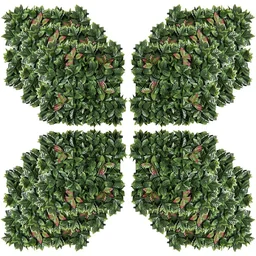

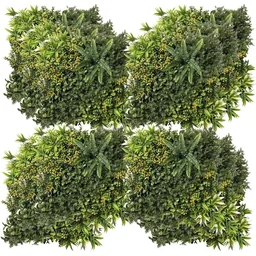
Find more maintenance-free options in the artificial plants category. Check wall panels regularly for loose parts and secure them so dogs and cats cannot pull on them. If your pet chews persistently, a closed-off room is still the safer option.
Garden and outdoor also offers ideas for decorating balconies and patios. Safe installation matters as much as the look of the decorations.
Are poinsettias poisonous to dogs and cats?
The answer to “Are poinsettias poisonous?” depends on the circumstances. The milky sap can irritate the mouth and stomach, causing drooling, vomiting or diarrhea. Severe poisoning is rare, but keep poinsettias out of reach of pets that like to chew.
Place the plant somewhere secure and remove fallen leaves right away. If you cannot position it safely, keep young animals and pets that chew excessively out of the room.
Which other Christmas decorations can be dangerous?
- Mistletoe: Berries and other plant parts can cause digestive problems and circulatory issues.
- Holly: Berries and leaves can irritate the digestive tract. The spiny leaves can also cause injuries.
- Amaryllis, hyacinths and daffodils: Bulbs and other plant parts can be harmful to dogs and cats.
- Yew branches: Do not use them in holiday arrangements if pets can access the room.
- Vase water: It may contain sap, fertilizer or bacteria. Place vases securely and out of reach.
Which plants are a better choice for homes with pets?
Spider plants, parlor palms, areca palms, prayer plants, Boston ferns, peperomias and Christmas cacti are often listed as non-toxic options for pet-friendly rooms. Always check the exact species, though: common names vary by region, and different varieties may be assessed differently.
Non-toxic does not mean edible
Even a plant classified as non-toxic can cause vomiting or diarrhea if an animal eats a large amount. Soil, fertilizer, pesticides and mold in the pot can also pose a risk, regardless of the plant species.
Choose sturdy locations, remove damaged leaves and keep plants out of reach if your pet chews excessively. Roses, sunflowers and zinnias are often listed as suitable for gardens, as long as they are not treated with products that are harmful to animals.
Check plants before bringing them into your home, after moving and before adding seasonal decorations. This helps you spot potential risks before your pet starts chewing.
Additional advice
Review your plant list twice a year and whenever you receive a bouquet. Record new plants right away, including their botanical name, location and potential toxicity. This helps you stay organized when you have visitors, move or put up Christmas decorations.
Conclusion: Keep lilies, oleander, yew, sago palms and other risky plants out of reach of dogs and cats. If you notice signs of possible poisoning, contact a veterinarian promptly. A safe plant list and securely fastened decorations can prevent many emergencies.
Frequently asked questions
- Which plants are especially poisonous to cats?
- Lilies are especially dangerous to cats: the flowers, leaves, pollen and even the water in the vase can cause severe kidney damage. Dieffenbachia, pothos, oleander, yew, sago palms and some bulb plants are also toxic. Remove unfamiliar plants and contact your veterinarian immediately if your cat may have eaten any part of one.
- Are poinsettias poisonous to dogs and cats?
- Poinsettias can irritate dogs and cats, so they shouldn’t be considered safe for pets to chew. The milky sap can irritate the mouth and stomach, causing drooling, vomiting or diarrhea. Severe reactions are rare, but young and small animals are more sensitive. Keep the plant out of reach, remove fallen leaves and seek veterinary advice if symptoms develop.
- What should I do if my dog eats a poisonous plant?
- Move your dog away from the plant immediately, and save any plant remains, the label or a photo. Call your veterinarian or an animal hospital, even if your dog has no symptoms yet. Don’t give milk, oil or home remedies. Only induce vomiting if a veterinarian specifically tells you to.
- Which non-toxic plants are suitable for cats?
- Houseplants commonly listed as non-toxic include spider plants, prayer plants, parlor palms, areca palms, Boston ferns and peperomias. However, check the exact species, avoid plant protection products and keep soil and fertilizer out of reach. Even non-toxic leaves can cause vomiting if a cat eats a large amount.
- Are artificial plants safe for homes with dogs or cats?
- Artificial plants contain no plant sap, so they can be a practical decorative option. They’re safe only if pets can’t bite off leaves, plastic parts, wires or fasteners. Securely mount wall modules, inspect them regularly and remove damaged parts. If your pet chews excessively, avoid decorations within easy reach.
You may also be interested in
- Poisonous Plants for Dogs: Protection at Home and in the Garden
- Poisonous Plants for Cats: What to Consider at Home and in the Garden
- How to Identify Poisonous Plants: Safe Ornamental Plants for the Home and Garden
- Cat-Friendly Balcony Plants: A Non-Toxic Selection
- Poisonous Houseplants: What Are the Risks and How Can You Handle Them Safely?
- Are Poinsettias Poisonous? Facts About the Risks to People and Pets