
In brief: A good trunk sill protector combines durable material protection with a precise fit, straightforward installation and an attractive design. In our review, high-quality models made from aluminum or carbon fiber perform particularly well because they reliably prevent scratches and dents while enhancing the vehicle's appearance. Choose a model designed specifically for your vehicle type to ensure an optimal fit and easy installation.
Your vehicle's cargo area is exposed to heavy wear and tear. Heavy boxes, sharp-edged objects or tools can quickly leave unsightly scratches and dents on the sensitive trunk sill. A trunk sill protector is an effective way to prevent this damage. It acts as a sturdy barrier and helps preserve the value of your vehicle. In our 2026 review and comparison, we present the best models and explain what to look for when buying one.
What is a trunk sill protector?
A trunk sill protector is a special protective trim that you attach to the upper edge of your tailgate or cargo opening. This area is particularly vulnerable when loading and unloading heavy or bulky items. The protector is made from durable material and covers the sensitive paintwork. It acts like a bumper and absorbs the mechanical stress that could otherwise cause paint damage. High-quality models are not only functional but also add a stylish design element.
Key benefits at a glance
Installing a trunk sill protector offers several clear benefits. The most important is helping to preserve your vehicle's value. Paint damage can significantly reduce its resale value. A protector prevents these costs before they arise. It also protects against rust, which can start at damaged areas of paintwork. Another advantage is the visual upgrade. A premium carbon fiber or aluminum protector gives the rear of your vehicle a sporty, well-maintained appearance. You can find a wide selection of suitable models in our Car Accessories category.
Buying criteria in our review
Which trunk sill protector is best for you? We took a close look at the key criteria.
Fit and vehicle compatibility
A perfect fit is essential. A trunk sill protector must be designed precisely for your vehicle model, model-year variant and any special equipment such as Sport or M packages. Only then will it sit flush and provide full-surface protection. Universal solutions often perform poorly in reviews because they do not fit properly or protrude unattractively.
Material and build quality
The material determines durability, weight and appearance. High-quality workmanship is evident in clean edges, an even surface and a soft, paint-friendly underside. The underside should have strong, flexible adhesive tape that can also withstand temperature fluctuations.
Materials compared
Several materials have become established on the market, each differing in properties and price.
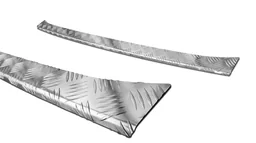
Aluminum: Ribbed aluminum protectors such as the
Genuine carbon fiber: Carbon fiber is the premium material. It is extremely lightweight and gives the vehicle a high-quality, sporty look. Models such as the
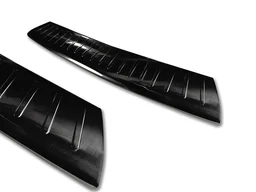
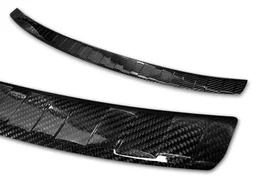
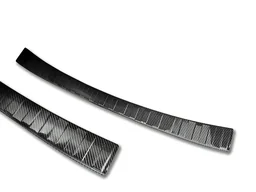
Stainless steel: Stainless steel is particularly robust and easy to maintain. It does not rust and can withstand even the heaviest loads. However, it is somewhat heavier than aluminum or carbon fiber.
Plastic: High-quality plastic is a cost-effective alternative. Modern thermoplastics are highly durable and flexible. However, they may look less premium than metal versions.
Installation and Care
Installing a trunk sill protector is generally a simple process. Most models are attached using 3M adhesive tape. Follow the instructions: Thoroughly clean the application area, dry it, position the protector and press it firmly into place. Some systems also offer a mechanical locking mechanism.
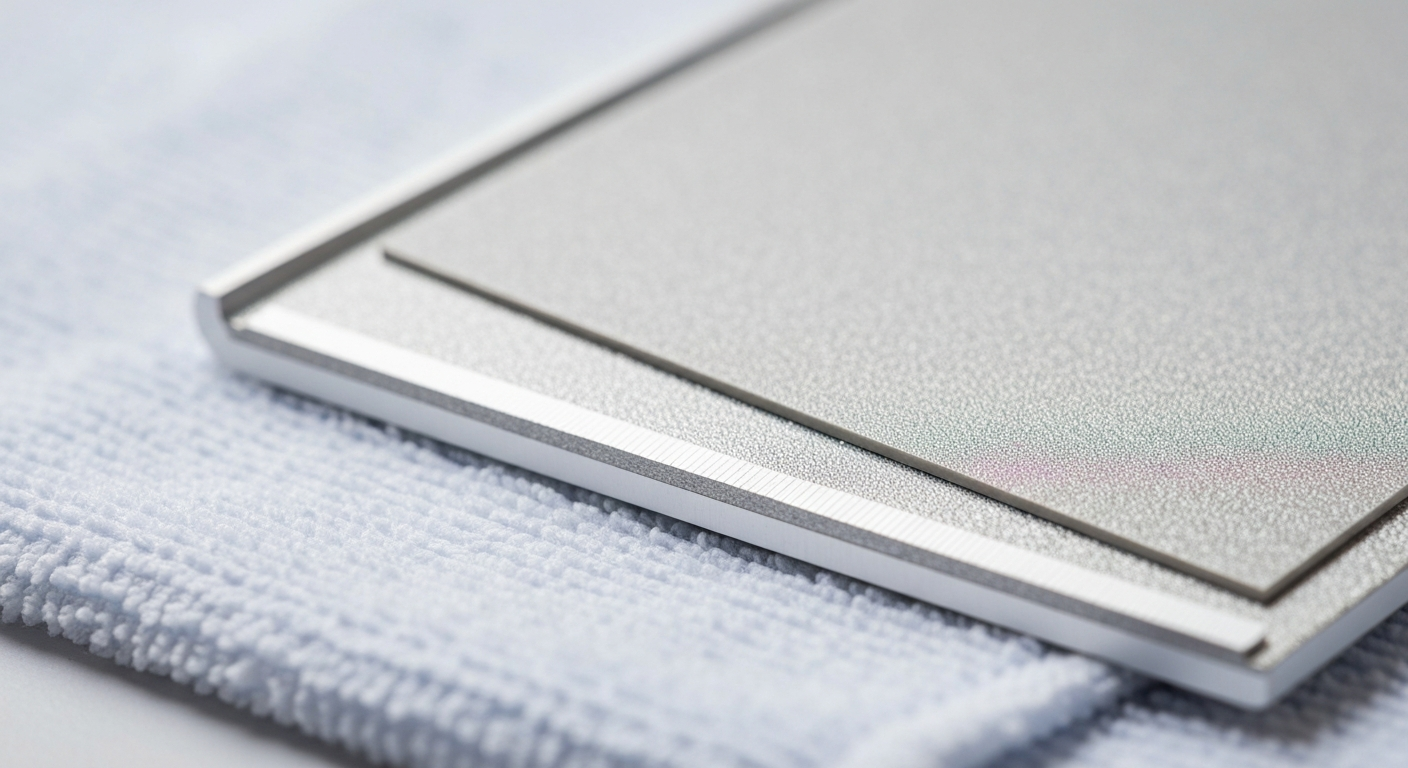
Care is extremely straightforward. Wash the protector in the same way as the rest of your vehicle's paintwork. Avoid aggressive abrasives to prevent scratching the surface. For anodized aluminum or carbon, a mild cleaner and a soft cloth are usually sufficient.
Test Conclusion and Buying Guide
Our test shows that a trunk sill protector is a worthwhile investment for any vehicle used regularly for loading and unloading. Choose a vehicle-specific model from our range of trunk sill protectors. For commercial vehicles such as the Mercedes Sprinter, a robust aluminum protector is the ideal choice. For SUVs and sporty vehicles, genuine carbon offers the best combination of protection and aesthetics. Do not neglect preparing the application area, as it is the key to long-lasting and secure adhesion.
Products Compared
The following table provides an overview of selected trunk sill protectors from our test. It helps you compare the most important features at a glance.
The most-reviewed trunk sill protectors from our range compared directly:
| Model | Customer rating | Availability |
|---|---|---|
| Ribbed aluminum trunk sill protector, Mercedes Sprinter III, 2018>. OEM quality, soft edges | – | Currently unavailable |
| Ballistol Teflon Spray - Lubrication & Protection, 200 ml | – | Currently unavailable |
| Ballistol Teflon Spray 400ml - Lubrication and protection for equipment | – | Currently unavailable |
| Design trim for tailgate VW TIGUAN 2007- / Stainless steel | – | Currently unavailable |
| Eutra hoof ointment with bay laurel oil 1000ml - Protection and care for horse hooves | – | Currently unavailable |
With the right trunk sill protector, you can reliably protect your vehicle while giving it an individual touch. There is a wide selection of high-quality, precisely fitting models. Consider your personal requirements for material, design and protection to find the best solution for your car.
Frequently Asked Questions
- Which materials are best for a trunk sill protector?
- High-quality trunk sill protectors are made from durable materials such as aluminum, stainless steel or genuine carbon. Aluminum is lightweight and corrosion-resistant, stainless steel is particularly robust, and carbon offers a sporty premium design. A soft, scratch-resistant underside that protects the paintwork is essential.
- Can I install a trunk sill protector myself?
- Most trunk sill protectors are designed for easy DIY installation. They are generally supplied with strong, weather-resistant adhesive tape or a click system. Thoroughly cleaning and degreasing the application area is important. Install the protector in mild temperatures to achieve optimal adhesion.
- Does every trunk sill protector fit every car?
- No. Trunk sill protectors are shaped for specific vehicles. A model for a VW Tiguan will not fit a Mercedes Sprinter. When buying, always check the exact vehicle model, model year and any required special equipment, such as sport packages.
- Does a trunk sill protector also protect against theft?
- A trunk sill protector primarily protects against mechanical damage. Theft protection is not its main function. However, firmly bonded or screwed-on models make unauthorized access to the cargo area slightly more difficult. Genuine theft protection requires additional systems.
- What do I need to consider before installation?
- Thoroughly clean the application area with a degreasing cleaner and allow it to dry completely. Plan the installation for temperatures above 10°C, as the adhesive tape bonds optimally under these conditions. Initially position the protector without removing the adhesive backing to check the exact placement.