
Kurz erklärt: Unkraut bekämpfen Sie dauerhaft durch eine Kombination aus Mulchen und Bodenbedeckung. Legen Sie Unkrautvlies aus oder bedecken Sie Beete mit organischem Material wie Stroh. Jäten Sie frühzeitig bei feuchtem Boden. Chemische Mittel sind im Gemüsegarten nicht zu empfehlen, da sie Nutzpflanzen schädigen. Die beste Vorbeugung ist ein dichter, gesunder Pflanzenbestand.
Unkraut im Gemüsegarten effektiv entfernen & vorbeugen
Unkraut kostet Zeit und Nährstoffe. Es konkurriert mit Ihren Salatköpfen und Karotten um Wasser, Licht und Nährstoffe. Doch ständiges Bücken und Jäten ist nicht die einzige Lösung. Kluge Strategien reduzieren den Aufwand von Anfang an. Dieser Artikel zeigt Ihnen, wie Sie Unkraut bekämpfen und dauerhaft eindämmen.
Profi-Tipp
Jäten Sie niemals bei praller Sonne und trockenem Boden. Die Wurzeln brechen leicht ab und treiben neu aus. Befeuchten Sie die Beete vor der Arbeit gründlich. So lösen sich selbst tiefe Wurzeln wie von Giersch oder Ackerschachtelhalm leichter aus der Erde.
Wie entferne ich Unkraut richtig?
Effektives Entfernen ist mehr als nur Ausreißen. Sie müssen die Wuchsformen verstehen. Einjährige Unkräuter wie Vogelmiere sterben nach dem Ausreißen ab. Mehrjährige Arten wie Brennnesseln oder Quecke überleben aus Wurzelresten. Für diese brauchen Sie andere Werkzeuge.
Die richtigen Werkzeuge für die Gartenpflege
Ein scharfes Messer oder ein langer Unkrautstecher trennt Pfahlwurzeln sauber ab. Für große Flächen eignet sich die Schuffel, eine ziehende Hacke. Sie durchtrennt Unkraut an der Oberfläche und belüftet den Boden. Ein Akku-Gartenpflegeset wie das
bietet vielseitige Helfer. Die feine Strauchschere entfernt auch hartnäckige Triebe zwischen engen Reihen.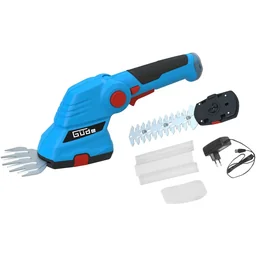
Hacken Sie flach. Tiefes Hacken bringt neue Samen an die Oberfläche und fördert deren Keimung. Lockern Sie nur die obersten zwei Zentimeter. Das reicht, um junge Keimlinge zu erwischen. Arbeiten Sie systematisch von einer Beetseite zur anderen.
Warum ist Mulchen so effektiv gegen Unkraut?
Mulch deckt den blanken Boden ab. Er nimmt Unkrautsamen das Licht, das sie zum Keimen brauchen. Gleichzeitig speichert er Feuchtigkeit und kühlt die Wurzeln Ihrer Gemüsepflanzen. Organischer Mulch wie Stroh oder Grasschnitt verrottet langsam und verbessert den Humus.
Legen Sie die Mulchschicht mindestens fünf Zentimeter dick auf. Dünnere Schichten lassen Licht durch. Nachlegen ist wichtig, da sich das Material setzt und abbaut. Besonders unter Sträuchern oder in Dauerkulturen wie Spargel lohnt sich Mulchen. Durchstechen Sie die Schicht nur an den Stellen, wo Ihre Kulturpflanzen stehen.
Eine dichte Mulchdecke ist die beste Vorbeugung. Sie unterdrückt bis zu 90 Prozent des Unkrautaufwuchses und spart enorm viel Gießwasser.
Welche Mulchmaterialien sind die besten?
- Stroh: Ideal für Erdbeeren, Kürbis und Zucchini. Lockert sich nicht so schnell auf.
- Rasenschnitt: Zuerst antrocknen lassen, sonst fault er. Nur dünn auftragen.
- Gehäckselter Grünschnitt: Gut für alle Beete, enthält viele Nährstoffe.
- Rindenmulch: Für Zierbereiche besser geeignet, kann im Gemüsebeet Stickstoff binden.
Für eine dauerhafte, saubere Lösung bietet sich ein Unkrautvlies an. Das
ist ein robustes Bodengewebe. Es lässt Wasser und Luft durch, blockiert aber das Licht für Unkräuter vollständig. Decken Sie es mit einer dünnen Schicht Rindenmulch oder Kies ab. So schützen Sie es vor UV-Licht und es bleibt länger funktionsfähig.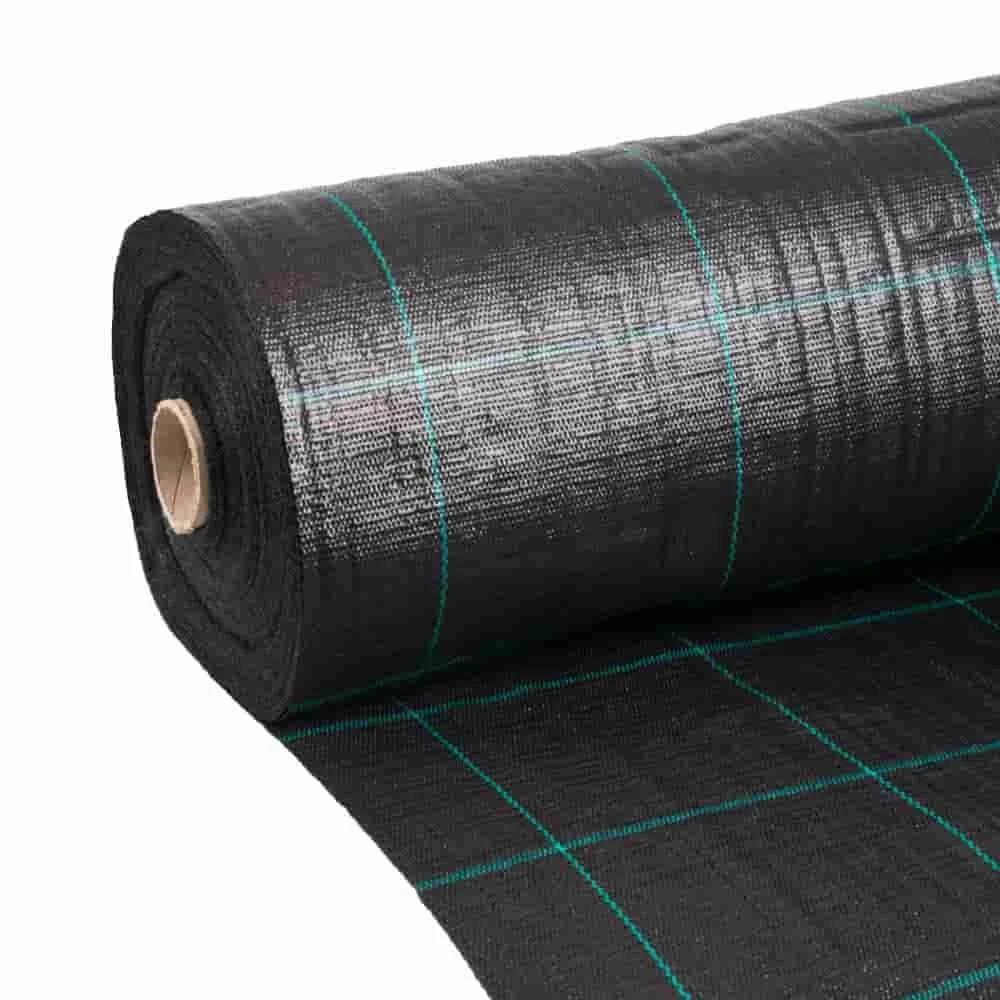
Wie kann ich Unkraut dauerhaft vorbeugen?
Vorbeugung beginnt bei der Beetplanung. Dichte Bepflanzung lässt Unkraut keine Chance. Setzen Sie Salat, Radieschen und Kohlrabi eng. So beschatten sie den Boden zwischen den Reihen schnell. Mischkulturen wie Karotten und Zwiebeln nutzen den Raum optimal aus.
Wichtiger Hinweis
Verwenden Sie keine chemischen Unkrautvernichter wie
("Unkraut Frei" Glyfos) im Gemüsegarten. Die Wirkstoffe können in Ihre Nutzpflanzen gelangen und Sie über die Ernte aufnehmen. Zerstören Sie auch die Bodenbiologie. Die Bekämpfung sollte immer mechanisch oder physikalisch erfolgen.
Eine saubere Gartenaustattung verhindert die Verschleppung von Samen. Reinigen Sie Ihre Schuhe und Werkzeuge, besonders wenn Sie von einer Wiese oder einem brachliegenden Grundstück kommen. Sammeln Sie ausgejätetes Unkraut direkt in einem Gartenabfallsack. Lassen Sie es nicht auf dem Beet liegen, da einige Samen noch nachreifen können.
Bodenpflege als Grundlage
Gesunder Boden fördert Ihre Kulturpflanzen, nicht das Unkraut. Arbeiten Sie im Herbst oder Frühjahr reifen Kompost ein. Das verbessert die Struktur. Ein krümeliger Boden lässt sich leichter hacken und jäten. Testen Sie regelmäßig den pH-Wert. Viele Unkräuter wie Sauerampfer lieben saure Böden. Mit Gartenkalk bringen Sie ihn ins Gleichgewicht.
Bedecken Sie Brachflächen sofort. Säen Sie eine Gründüngung wie Phacelia oder Gelbsenf. Diese Pflanzen unterdrücken Unkraut, lockern den Boden mit ihren Wurzeln und geben später Nährstoffe frei. Sie sind die aktivste Form der Vorbeugung.
Die beste Waffe gegen Unkraut ist eine geschlossene Pflanzendecke. Planen Sie Ihre Beete so, dass nie blanke Erde zu sehen ist, weder durch enges Setzen noch durch Mulch.
Welche Unkräuter sind besonders problematisch?
Giersch, Quecke und Ackerschachtelhalm breiten sich über unterirdische Ausläufer aus. Ausreißen reicht nicht. Sie müssen die Rhizome vollständig ausgraben. Ein Sieb hilft, um selbst kleine Wurzelstücke aus der Erde zu filtern. Bei starkem Befall kann ein kompletter Bodenaustausch sinnvoll sein.
Einjährige Unkräuter wie Hirtentäschel oder Franzosenkraut vermehren sich durch Massen an Samen. Sie blühen und samen extrem schnell. Entfernen Sie diese Pflanzen, bevor sie blühen. Auch abgemähte Pflanzen können noch Samen nachreifen. Entsorgen Sie sie daher immer im Restmüll, nicht auf dem Kompost.
Zusätzlicher Rat
Halten Sie Ihre Gartenwege sauber. Unkraut siedelt sich gerne in Fugen an und wandert von dort ins Beet. Verfüllen Sie Wege mit feinem Splitt oder Rindenmulch. So unterbinden Sie diesen Brückenkopf. Regelmäßiges Abflämmen mit einem Gasbrenner hält Wege frei, ist aber im Gemüsegarten selbst mit Vorsicht zu genießen.
Sicherheit bei der Arbeit
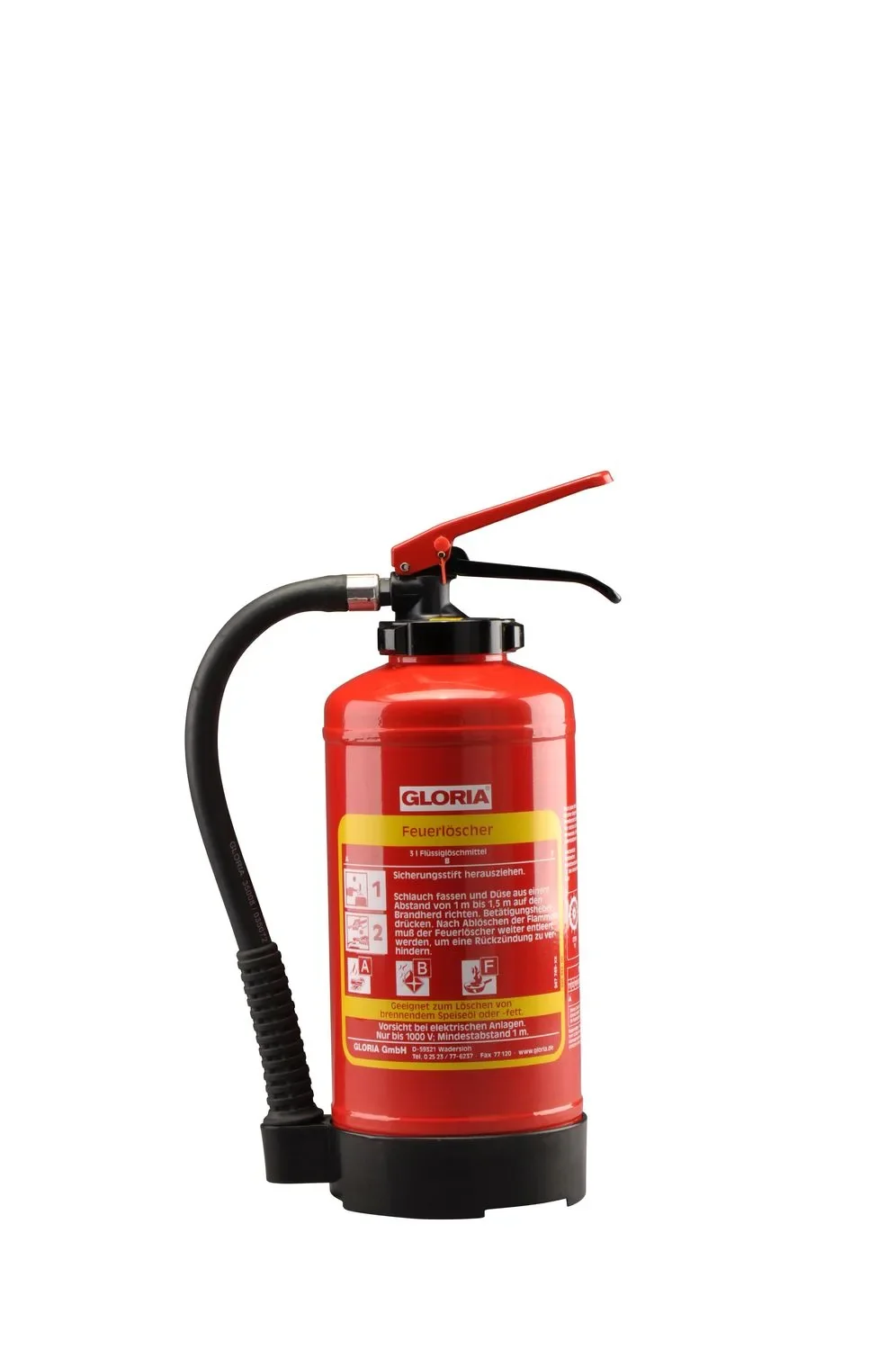
Bei Trockenheit und Hitze kann ausgetrocknetes Unkraut leicht Feuer fangen. Besonders beim Abflammen oder durch Funken von Gartengeräten. Halten Sie einen
Wie integriere ich diese Tipps in meine Gartenroutine?
Planen Sie feste Zeiten ein. Zehn Minuten pro Woche sind effektiver als ein marathontag im Monat. Gehen Sie nach dem Gießen mit der Hacke durch die Reihen. Das lockert die Erde und entfernt Keimlinge im Frühstadium. Nach der Ernte einer Kultur mulchen oder bepflanzen Sie die Fläche sofort neu.
Führen Sie ein Gartenbuch. Notieren Sie, wo welche Unkräuter auftauchen. So erkennen Sie Muster. Vielleicht steht ein Nährstoffungleichgewicht hinter dem verstärkten Wachstum bestimmter Arten. Passen Sie dann Ihre Düngung an.
Bekämpfen Sie Unkraut nicht nur, sondern nutzen Sie es. Viele wie Brennnessel oder Giersch sind essbar und nährstoffreich. Machen Sie Jauche oder Tee daraus. So wandeln Sie ein Problem in einen kostenlosen Dünger um. Die Pflanzen entziehen dem Beet die Nährstoffe nicht mehr, Sie führen sie im flüssigen Zustand zurück.
Mit diesen Methoden gewinnen Sie Zeit für das Wesentliche: das Genießen Ihres Gartens und Ihrer Ernte. Ein gut gepflegter Gemüsegarten ist kein zufälliges Glück, sondern das Ergebnis kluger Strategien und konsequenter Gartenpflege.
Häufige Fragen
- Was ist der beste Zeitpunkt zum Unkrautjäten?
- Jäten Sie nach einem Regenschauer oder nach dem Wässern der Beete. Der feuchte Boden gibt Wurzeln leichter nach, besonders bei Unkräutern mit Pfahlwurzeln wie Löwenzahn. So entfernen Sie die gesamte Pflanze und verhindern ein schnelles Nachwachsen. Arbeiten Sie bei bedecktem Himmel, um ausgerissene Pflanzen nicht sofort welken zu lassen.
- Kann ich Salz oder Essig gegen Unkraut verwenden?
- Nein. Salz und Essig sind im Garten verboten und schädigen den Boden langfristig. Sie töten nicht nur Unkraut, sondern auch Mikroorganismen und verändern den pH-Wert. Die Wirkung ist unspezifisch und kann Ihre Gemüsepflanzen erreichen. Greifen Sie zu mechanischen Methoden wie Hacken oder setzen Sie auf Mulch als Barriere.
- Welche Mulchmaterialien eignen sich für den Gemüsegarten?
- Organische Materialien wie Stroh, Rasenschnitt (angetrocknet), gehäckselter Grünschnitt oder Rindenmulch sind ideal. Schwarze Mulchfolie erwärmt den Boden für wärmeliebende Kulturen wie Zucchini. Achten Sie auf die Schichtdicke: 5-10 cm hemmen Unkraut effektiv. Vermeiden Sie frischen Rasenschnitt in dicken Schichten, da er verfilzt und fault.
- Wie wirkt Unkrautvlies und wie lange hält es?
- Unkrautvlies erstickt keimende Unkräuter durch Lichtentzug. Hochwertiges Vlies aus Polypropylen (etwa 100 g/m²) ist atmungsaktiv und wasserdurchlässig, hält aber mehrere Jahre. Decken Sie es mit Rindenmulch oder Kies ab, um es vor UV-Strahlung zu schützen. Schneiden Sie Kreuzschlitze für Ihre Gemüsepflanzen. So bekommen nur diese Licht.
- Warum wächst Unkraut überhaupt so schnell?
- Unkräuter sind oft sogenannte Pionierpflanzen: Sie besetzen schnell freie, gestörte Böden. Ihre Samen keimen bei Licht, daher fördert das regelmäßige Hacken und Lockern des Bodens paradoxerweise den Nachwuchs. Ein dichter Pflanzenteppich oder eine Mulchschicht nimmt ihnen diese offene Fläche und das Licht. So unterbinden Sie den Keimreiz.
Das könnte Sie auch interessieren
- Unkraut effektiv bekämpfen: Methoden und Tipps
- Unkraut im Garten: Erkennen, verstehen und natürlich bekämpfen
- Disteln effektiv bekämpfen: Wege zum unkrautfreien Garten
- Unkraut im Rasen natürlich bekämpfen
- Gemüsegarten anlegen: Tipps für Anfänger
- Wildkraut entfernen: Wann & wie Sie die Bürste richtig nutzen