
In brief: Common faults such as a blocked pump, leaking hoses or a dirty drum can often be fixed yourself. You usually need only a few basic tools, a little time and replacement parts such as a new drain hose or a specialist cleaner. Repairing the machine saves on expensive service costs and extends its lifespan.
Washing Machine Repair: Common Faults and Easy DIY Fixes
A faulty washing machine is stressful. Call-out charges are expensive and appointments are often weeks away. However, you can solve many common problems yourself. This guide shows you how to diagnose and fix typical faults.
How do I diagnose my washing machine problem?
Pay close attention to the symptoms. Is no water entering the machine? Is water staying in the drum? Is the machine making unusual noises? The first step is always to unplug the machine and turn off the water supply. Look for visible leaks or blockages.
Important note
Always unplug your washing machine before carrying out any repair. Turn off the water supply as well. This helps prevent electric shocks and water damage.
Listen for unusual noises. A rattling sound indicates a foreign object in the pump. Loud grinding or rumbling may point to a faulty motor bearing. Make a note of any error codes shown in the instruction manual.
The most common faults at a glance
- Blocked or faulty drain pump: Water remains in the machine.
- Leaking or blocked drain hose: Water escapes.
- Dirty drum and hoses: Unpleasant odour.
- Faulty water supply or tap: No water enters the machine.
- Worn door seal: Water leaks from the door.
How do I clear a blocked drain pump?
The pump is usually located at the bottom front behind a flap. Open it. Place an absorbent cloth underneath. Loosen the pump cover or hoses. Remove any foreign objects such as coins, buttons or hair ties. Clean the pump impeller.
Check whether the pump impeller still turns freely. If it is blocked or makes a noise, the pump may need to be replaced. You can find instructions and replacement parts for this repair in our maintenance supplies category.
Nine out of ten blockages in a washing machine pump are caused by small foreign objects. Checking pockets regularly before washing saves a lot of trouble.
Refit all parts and test the machine with a short spin cycle without laundry. If the water now drains normally, the cleaning was successful.
Why is the drain hose leaking and how do I replace it?
A leaking hose has cracks, porous areas or has come loose from its connections. Replacing it takes just a few minutes. You need a suitable replacement hose.
Our
is a durable drain hose with a length of 3,5 metres and a suitable bracket. It has the standard 3/4 inch size and fits many washing machines and dishwashers.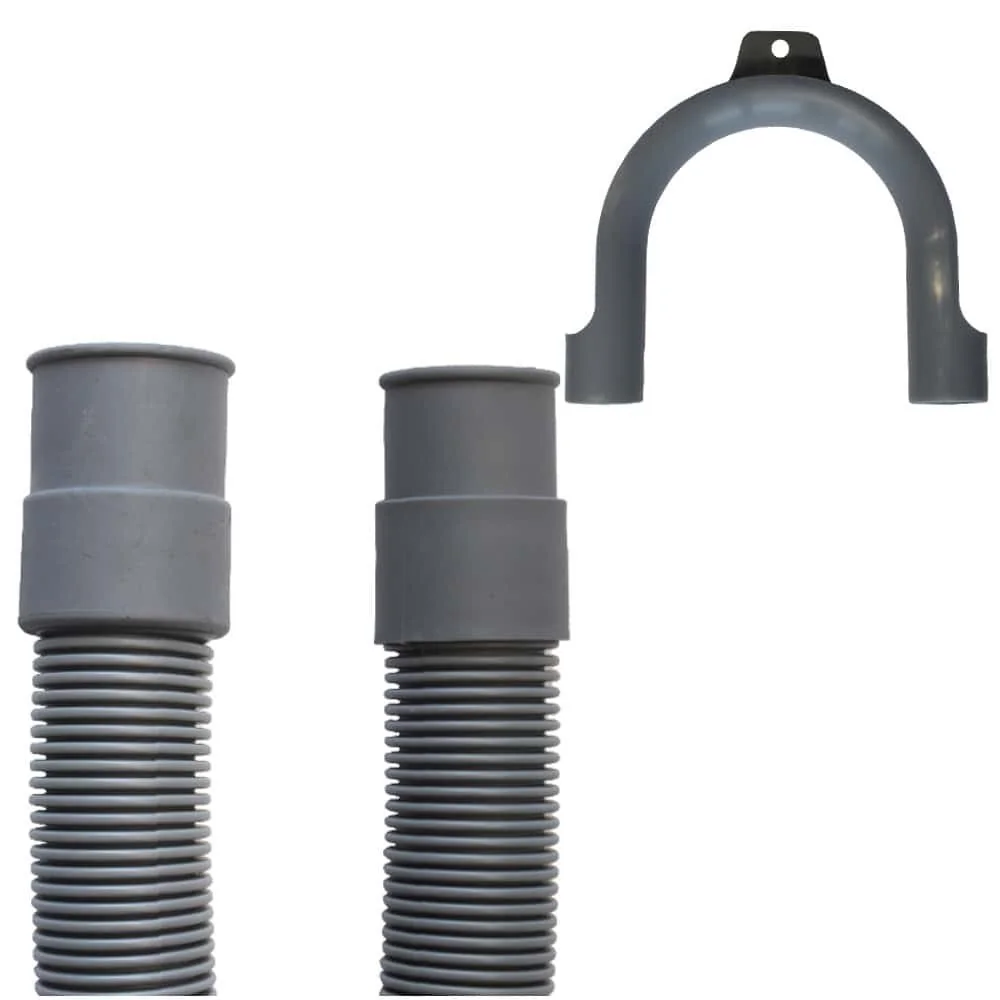
Pro tip
Before loosening the old hose, place a bucket underneath it. This catches any water remaining in the hose. Measure the old hose to choose the correct replacement length.
Loosen the hose clips on the machine and the waste pipe. Carefully pull off the hose. Fit the new hose and secure it firmly with the clips. Make sure the hose is not kinked. An adjustable bracket can help with this.
How can I get rid of a musty smell from my washing machine?
The smell is caused by bacteria and mould in damp, enclosed areas. Thoroughly clean the door seal with a damp cloth. Always leave the door and detergent drawer open after washing.
Run a cleaning cycle every four to eight weeks. Use a specialist washing machine cleaner for this. Our
is a concentrate that removes limescale, grease and biofilm. Add it to the empty drum and start a 60-degree cotton cycle.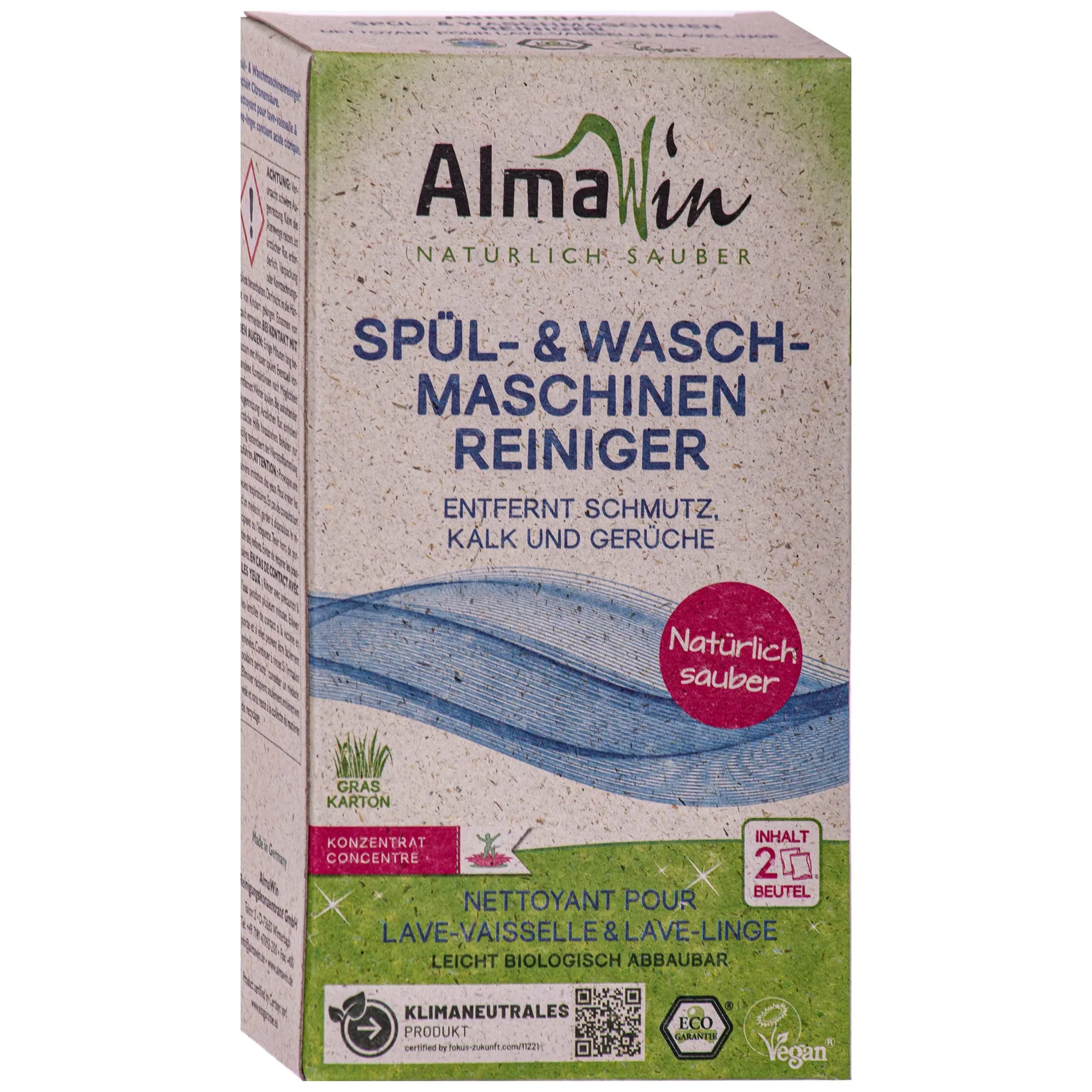
Frequent low-temperature washes encourage unpleasant odours. A regular hot wash with washing machine cleaner keeps the microbial environment under control.
For regular use, the bulk pack
with six cleaners is worthwhile. This way, you always have a supply ready. Store the cleaner in a dry place and out of the reach of children, for example in your sanitary supplies area.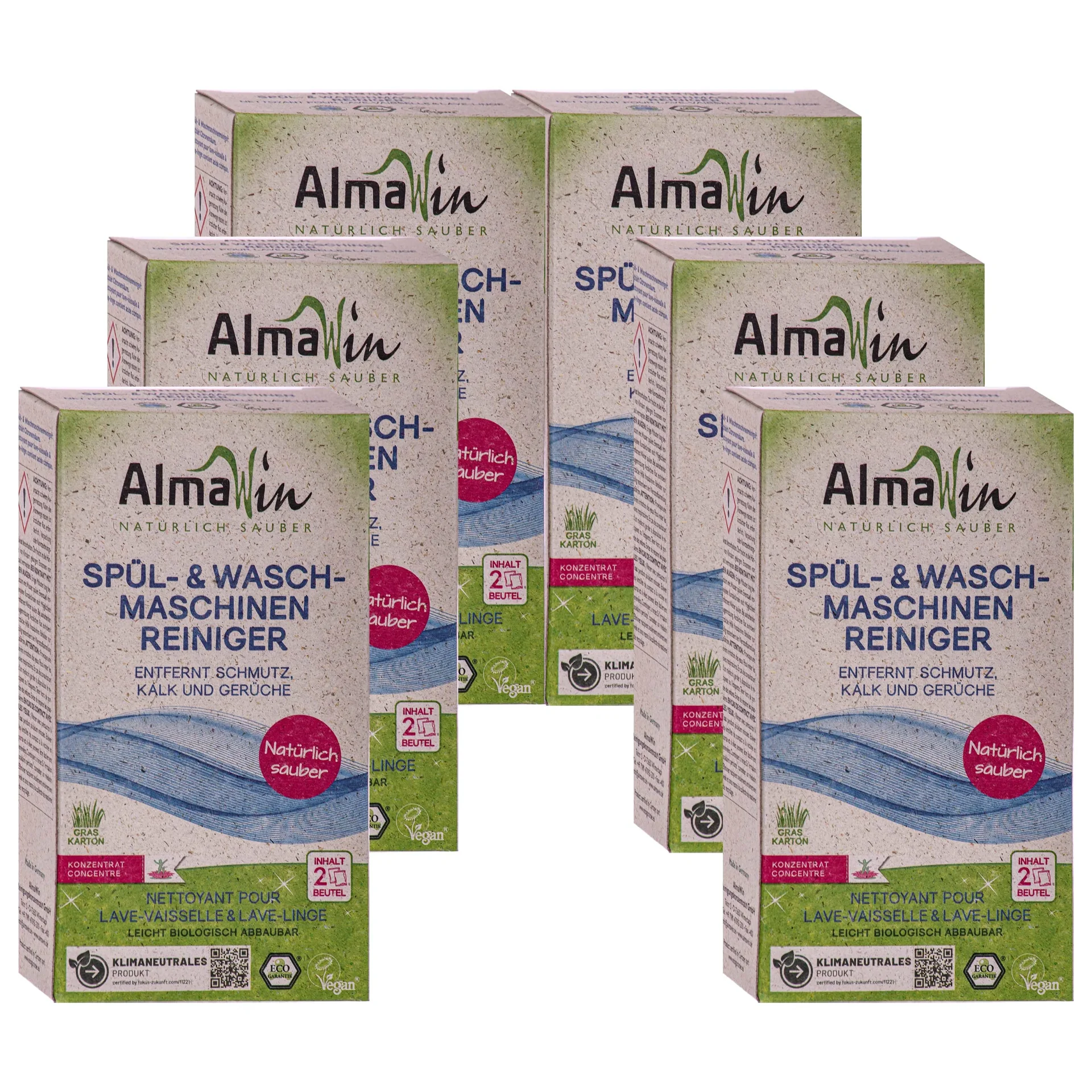
How do I repair a faulty water inlet?
If no water is entering the machine, check the water tap first. Is it open? Test the pressure at the inlet hose by carefully loosening it. Caution: water will come out! If the pressure is good, the problem may be with the machine's inlet valve.
The valve is located at the top rear of the appliance. You will need to remove the cover. Use a multimeter to check whether power is reaching the valve and whether it has continuity. Replace a faulty valve. Make sure you use the correct type number.
Additional advice
A filter in the inlet valve removes rust particles from the mains water. You can often unscrew this filter and clean it under running water. This already resolves many water inlet problems.
Good power tools are useful for diagnosing and repairing faults like these. You can find practical accessories in our power tools category.
When is a repair worthwhile and when is it not?
A DIY repair is worthwhile for simple mechanical faults. These include clogged pumps, leaking hoses and dirty components. Replacement parts are inexpensive and the instructions are clear.
You should avoid repairing the machine yourself if the control board (the electronics) is faulty. A crack in the inner plastic tub is also difficult to seal. A damaged motor requires specialist tools and experience.
Assess your skills realistically. An incorrectly repaired appliance can cause further damage. If in doubt, call a professional. For all other cases, you can find plenty of useful helpers in our shop.
With these instructions and the right replacement parts, you can get your washing machine working again. You save money and gain independence. A working washing machine is a valuable household asset.
Frequently asked questions
- How can I tell if my washing machine drain pump is clogged?
- Water remains in the drum after the programme or drains very slowly. You may often hear an unusual grinding or clicking noise from the pump. Sometimes the machine also displays an error code for a drainage fault.
- Can I replace my washing machine drain hose myself?
- Yes, replacing it is one of the easiest repairs. Unplug the machine, turn off the water supply, loosen the hose clamp at the appliance and the drain, then fit the new hose. A suitable replacement such as PRODUCT_10796 is available at a low price.
- Why does my washing machine smell and how can I get rid of the odour?
- The usual cause is bacteria and mould in the hoses, seals and drum due to moisture. Clean the rubber seal, leave the door open and regularly run a hot wash with a specialist cleaner such as PRODUCT_60878.
- What should I do if my washing machine no longer spins?
- First check whether the drum still turns freely or is blocked. Foreign objects such as paper clips in the pump or a faulty door switch are often the cause. An unevenly distributed load can also prevent the spin cycle.
- When should I call a professional for washing machine repair?
- Call a professional if there are electronic problems with the control board, a faulty motor or a leak in the inner tub. A professional is also the right choice if you are unsure or the repair is unsuccessful, helping to prevent more serious damage.
You may also be interested in
- Washing machine door won't open: Causes and solutions
- Repair your bicycle yourself: Fix common faults
- Washing machine not draining: Fix the fault yourself quickly
- How to use your washing machine properly: Tips for cleanliness and longevity
- How to clean your washing machine with household products
- How to descale your washing machine and extend its lifespan