
In brief: A washing machine that shakes is usually caused by an unbalanced load, an uneven floor or shipping bolts that were left in place. You can fix the problem by leveling the washer with a spirit level, distributing heavy laundry evenly and checking the floor. If the vibration is severe, inspect the shock absorbers and counterweight.
Washing machine shaking? How to find the cause
A shaking washer is more than just annoying. It can point to a mechanical problem. The most common cause is an unbalanced load, which happens when heavy items such as sheets or jeans bunch together.
The washer may also be sitting unevenly. Even a slight tilt can increase vibration during the spin cycle. Check all four feet.
Shipping bolts left in place can cause severe shaking, too. These bolts secure the drum during transport. Always remove them before using the washer for the first time.
Important
Disconnect the washing machine from the power supply before inspecting or repairing it. Unplug it. Never work on a connected appliance. An electric shock can be fatal.
How do you fix an unbalanced load?
Start by loading the washer correctly. Distribute large, heavy items evenly around the drum. Mix small and large items. Do not exceed the recommended maximum load.
If the washer stops because of an unbalanced load, open the door. Redistribute the wet laundry by hand. Close the door and restart the spin cycle. Modern washing machines have an automatic load-balancing function.
A brief pause in the cycle is a sign that this function is working. The drum is automatically searching for a better balance.
“An evenly distributed load is the best way to prevent an unbalanced drum. Remember: the drum isn’t a bin you can stuff everything into. Don’t wash heavy jeans with a bath towel in the same load.”
How to adjust the washer feet
Use an accurate spirit level and place it on top of the washer. Adjust the height-adjustable feet one at a time. Turn them clockwise to raise the washer.
Turn them counterclockwise to lower it. The washer should be level in both directions. Also check that all four feet are firmly on the floor. A foot that doesn’t touch the floor can transfer vibration directly.
On floors with radiant heat or other sensitive surfaces, an anti-vibration mat can help reduce unwanted vibration. You can find these mats in the Garden + Outdoor range or among specialist trade supplies.
Why is the washing machine shaking even though it is level?
Worn shock absorbers are a common cause. They support the drum suspension and lose their elasticity after years of use. The washer may then bang and move excessively.
A faulty drum bearing can cause loud grinding or creaking in addition to the shaking. Replacing it is a demanding repair. The counterweight, a heavy concrete component, can also come loose or break.
This can cause severe imbalance. Check the drain hose, too. A kinked or trapped hose can make the washer vibrate. A suitable replacement from Plumbing + Irrigation can be installed quickly.
Pro tip
Test the shock absorbers: press the drum firmly down and release it. It should settle right away without bouncing up and down several times. Continued bouncing points to worn shock absorbers that need to be replaced.
How to check and stabilize the floor
A soft carpet or bouncy floorboards won’t provide a stable base. The washer can sink in and start to rock. Place a solid, waterproof board underneath it from the Garden Equipment range.
The board distributes the weight evenly and keeps the washer from sinking in. Make sure the surface is nonslip and that the board itself is level.
Uneven floors are common in older buildings. If this is the case, use washers or special wedges under the feet. The goal is to keep all four feet in full contact with the floor.
How do you troubleshoot the problem step by step?
Start with a visual inspection. Is the drain hose clear? Are there any objects underneath the washer? Have the shipping bolts been removed? Check the simple things first.
Run an empty test cycle. Start a spin program with no laundry inside. If the washer runs without shaking, the load is the cause. If it shakes while empty, look for a problem with the appliance or its position.
Listen carefully. Metallic grinding points to a bearing problem. Banging may mean there’s a loose object in the drum or a broken counterweight.
“In 70 percent of the cases we see, the problem comes from a combination of a slightly uneven position and a poorly distributed load. Neither would be a serious issue on its own. Together, though, they cause the washer’s familiar ‘dancing’ movement.”
Additional advice
Clean the lint filter regularly and use a washing machine cleaner. Residue can interfere with the drum’s movement. A product such as
removes limescale and dirt from inside the machine and helps it run more quietly.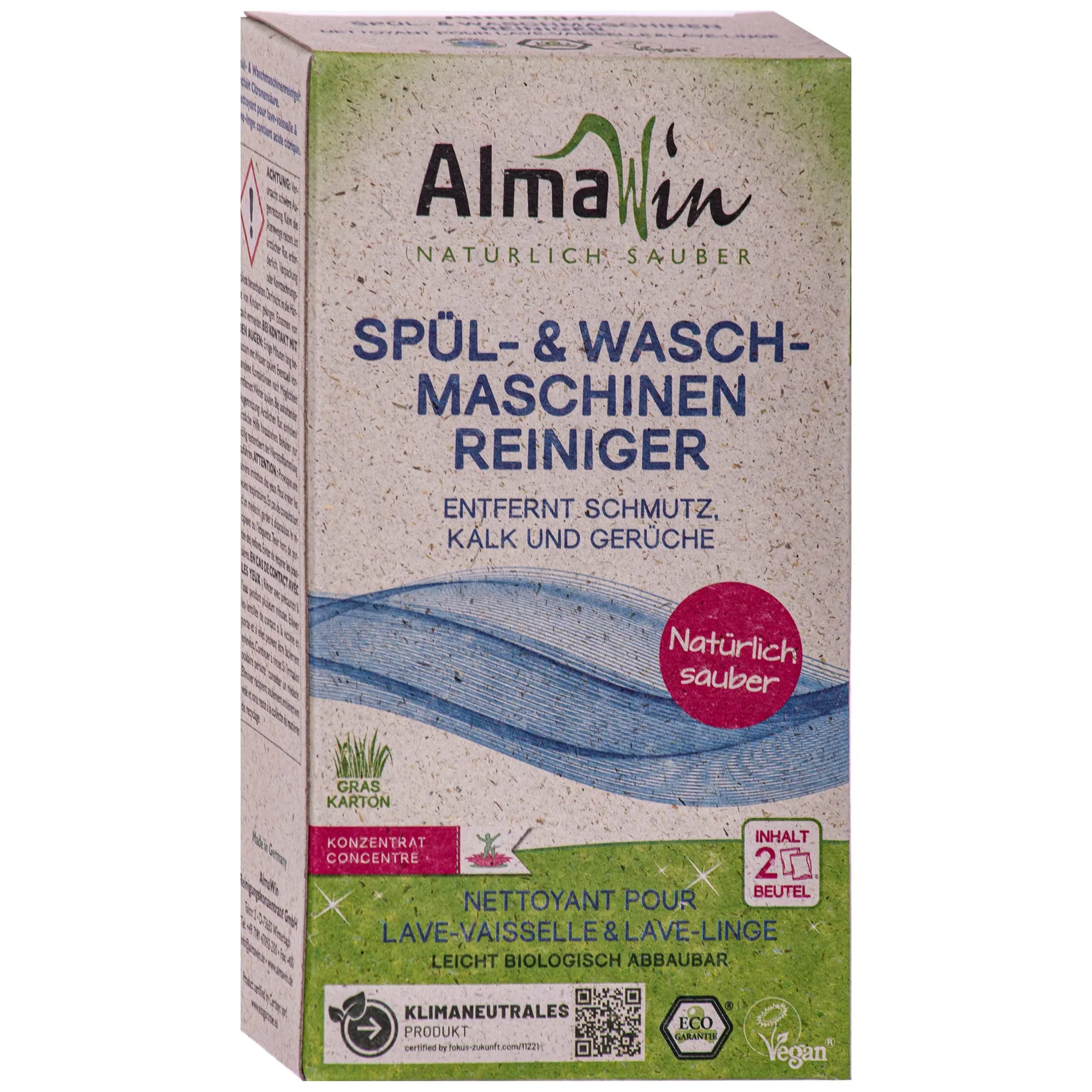
When should you call a professional?
If you suspect a faulty bearing or broken suspension parts, you’ll need professional help. This appliance repair requires specialized tools and experience.
The same applies if you can’t find the cause. A technician can diagnose the problem quickly. Replacement parts for older models are often available only from specialist retailers.
Before calling a technician, write down any error codes. Modern washing machines display these codes when a fault occurs. The code helps the service technician prepare.
Practical Solutions for Everyday Use
Invest in quality replacement parts. A sturdy drain hose, such as
or helps prevent kinks and keeps water draining freely. A clogged drain can cause water to back up and make the washer vibrate.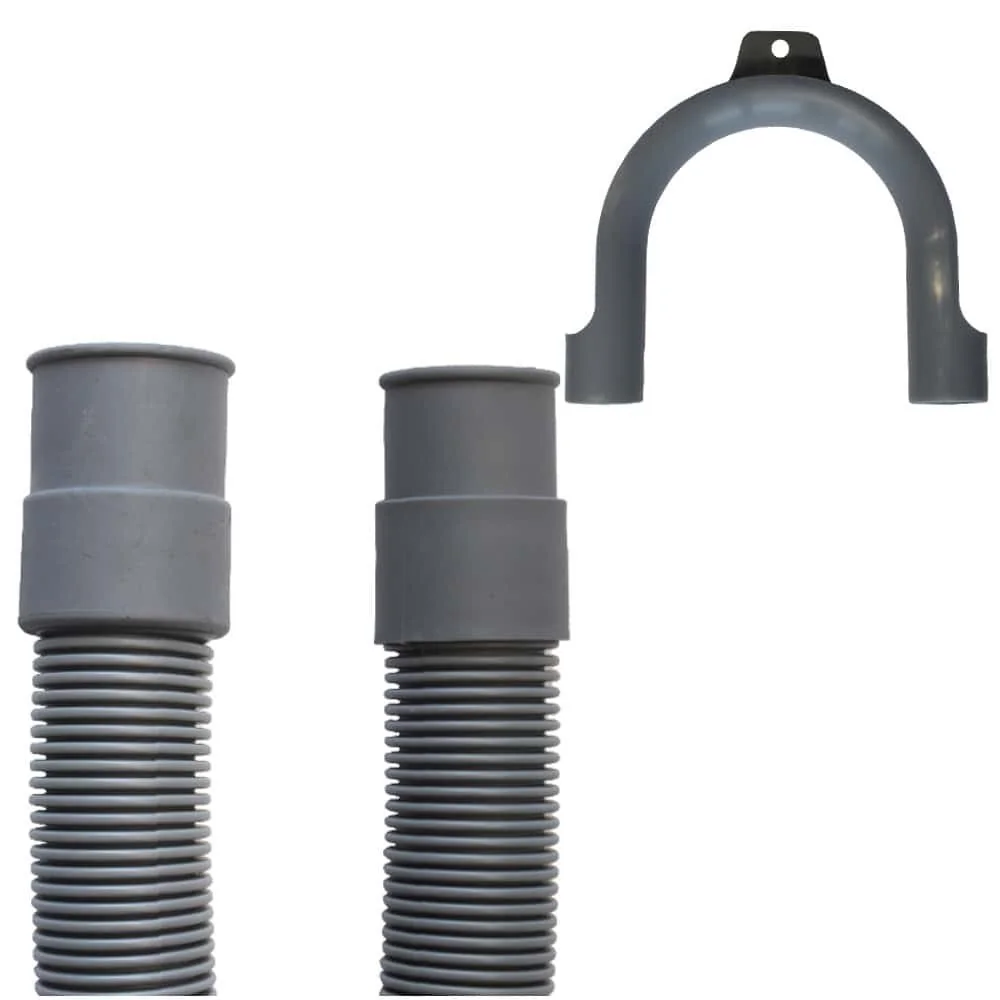
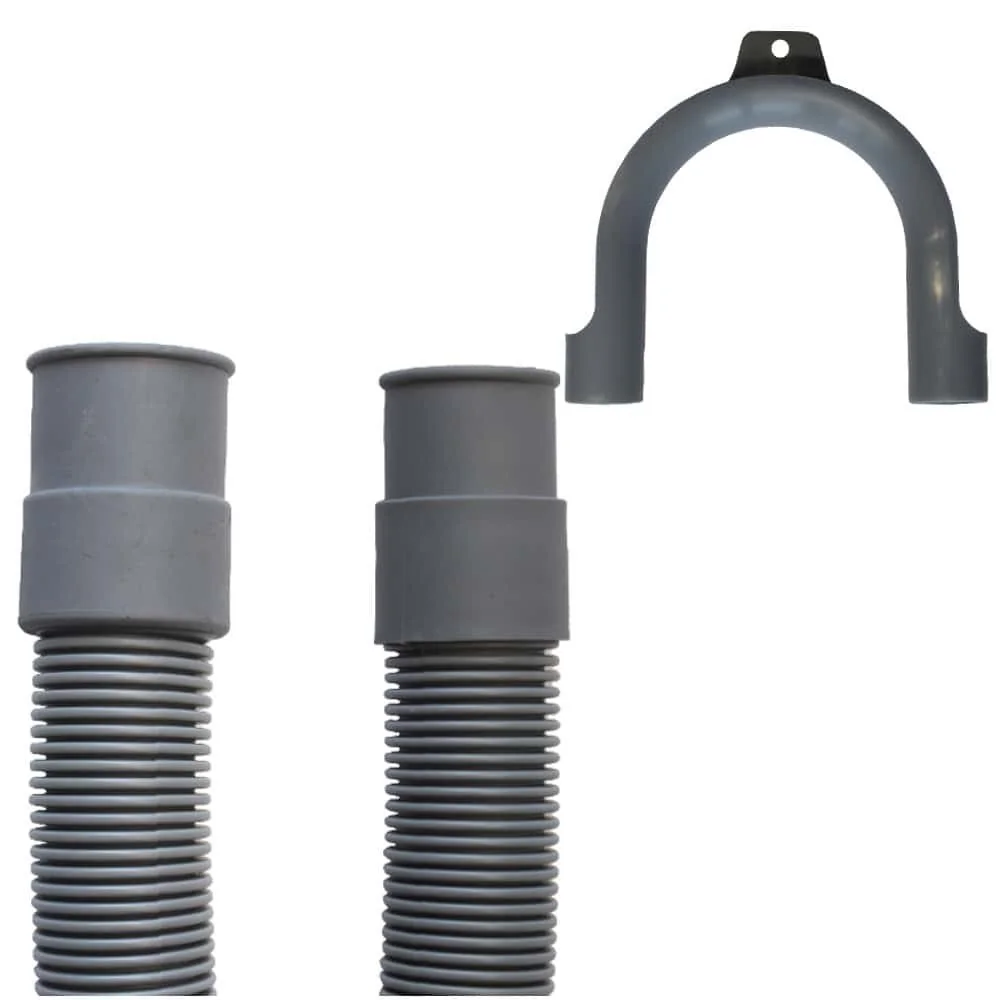
If a hose leak causes water damage, suitable tarps and nets can provide a quick temporary solution to limit the damage.
Follow the maintenance recommendations in your owner's manual. Many manufacturers specify how often to clean the filter and door seal. Regular maintenance helps extend your appliance's life and prevent problems.
Have the Right Tools Ready
Keep a level, pliers, and a set of hex keys close at hand. With these basic tools, you can make the most important adjustments. Repairs inside the appliance require additional specialized tools.
You can often find these in the power tools category or under industrial supplies. Keep a record of any adjustments you make. This can help if problems come up later.
A washing machine that stays firmly in place saves you time, money, and wear on the appliance. With a systematic approach, you can fix most issues yourself.
Frequently Asked Questions
- What should I do if my washing machine is shaking violently?
- Stop the cycle right away. Manually redistribute the laundry in the drum to correct the load imbalance. Use a level to check whether the washer is level, and adjust the feet if needed. Restart the spin cycle only after completing these checks.
- Can a shaking washing machine get damaged?
- Yes. Strong, persistent vibrations strain the bearings, drum suspension, and electronics. This can lead to premature wear, costly repairs, and increased noise. Correcting the imbalance promptly helps protect your appliance and prevent further damage.
- Does a washing machine need to be bolted to the floor?
- No, that's not necessary in most homes. A stable, level surface that absorbs vibrations is more important. An anti-vibration mat can help on tile or wood floors. Special anchors are only useful on very soft surfaces or if the appliance moves around a lot.
- Why does my washing machine only shake during the spin cycle?
- During the spin cycle, the drum rotates at high speed. Even a small imbalance from unevenly distributed laundry can become much more noticeable. Worn shock absorbers or a faulty bearing may also first show up as severe shaking during this phase.
- What tools do I need to repair a washing machine?
- You'll need a level, a wrench or pliers to adjust the feet, and possibly a set of hex keys. Repairs inside the appliance require basic knowledge and care. If you're unsure, consult a specialist in industrial supplies and appliance repairs.
You may also be interested in
- Washing machine repair: Common problems and easy DIY fixes
- Washing machine not draining? How to fix it yourself
- How to use a washing machine: Tips for cleaner laundry and a longer lifespan
- How to connect a washing machine: A complete guide
- How to clean a washing machine and keep it fresh
- Wheel balancing: What is a wheel balancer used for?