
In brief: If you have water damage, stop the source first. Turn off the electricity, pump out standing water and move wet items aside. Dry the area thoroughly with fans and dehumidifiers to prevent mold. In the long term, sealing, regular inspections and proper ventilation help prevent damp in your home.
Water Damage Cleanup: Immediate Help & Long-Term Solutions
Water damage often catches you off guard. The right response in the first few hours determines the success of the restoration. Here are the essential steps.
How should you respond to acute water damage?
Acting quickly minimizes consequential damage. Stay calm and proceed systematically.
First steps: electricity, source and safety
First, switch off the power supply in the affected area. Never enter wet areas while electrical appliances are switched on.
Stop the source of the water. Turn off the main water valve. Temporarily seal leaks with sealing tape or a cloth.
Move furniture and water-sensitive items such as rugs out of the danger zone immediately. Use sturdy moving aids for this.
Important note
Do not enter flooded basements until the power has been switched off at the fuse box. Risk of fatal electric shock! If the water is contaminated (sewage), always wear protective gloves and boots.
Removing water and limiting damage
Pump or scoop out standing water. Submersible pumps are suitable for larger quantities.
Start drying immediately. Every hour counts when preventing mold. Wash damp textiles such as curtains or blankets immediately, or dry them outdoors.
The first 48 hours after water damage are crucial. During this period, intensive ventilation and dehumidification can significantly reduce the risk of mold.
How can you dry the affected area effectively?
Simply wiping the surface is not enough. Moisture penetrates deep into materials. You need a systematic approach.
Technical tools for drying
Set up powerful fans to maximize air circulation. Position them so that air flows across the damp surface.
Rent or buy a dehumidifier. Units with a high litre capacity per day actively remove moisture from the air. In enclosed rooms, this is the most efficient method.
Special construction dryers are suitable for targeted drying, such as underneath skirting boards or in corners.
Pro tip
Place a bucket of salt or cat litter in the room. These materials bind residual moisture in the air and show you how quickly the room is drying. Replace the granules regularly.
Special challenges: walls and floors
With wet walls, you often need to remove wallpaper so the wall can breathe. Caution: Old wallpaper may contain hazardous substances.
Check the screed. If water is standing on it or it is saturated, a specialist company will often need to use core drilling and compressed-air drying.
Ventilate regularly but deliberately. In winter, ventilating for too long can cool the walls and encourage condensation. Briefly opening the windows fully is better than leaving them tilted.
Many people underestimate the capillary action of masonry. Water often rises much farther than is visible. A professional moisture measurement provides certainty about the true extent.
How can you prevent mold after water damage?
Mold spores are always present. Moisture turns them into a problem. Your strategy must be: dry, disinfect and monitor.
Cleaning and disinfection
Wash off all stubborn dirt with clean water and a mild cleaner. Avoid chlorine-based products indoors, as they can corrode metal parts.
Disinfect affected non-porous surfaces such as tiles or metal with isopropyl alcohol (70%). This kills germs and inhibits mold without leaving much moisture behind.
Dispose of porous materials such as drywall, particleboard or foam that have become waterlogged. They cannot dry out completely and remain a source of mold.
Additional advice
Also check adjoining rooms and the floor below. Water finds its way downward and into cavities. A moisture meter from a hardware store can help locate hidden damp spots.
Long-term monitoring and prevention
Monitor the room's humidity with a hygrometer. Ideal levels are between 40% and 60%. Higher levels indicate insufficient drying.
Keep the heating on at a low setting in the affected room. Warm air can absorb more moisture and supports the drying process.
Over the following weeks and months, watch for musty smells or discolored areas. Mold can appear with a delay.
Which long-term solutions protect your home?
Once the immediate crisis is over, look for the cause and make sustainable improvements. This prevents the problem from recurring.
Identify weak points and seal them
Inspect your home drainage system regularly. Loose connections, blocked drains or aged seals are common causes.
Check the seals around window frames, doors and patio doors. Replace defective silicone or acrylic sealant to make the joints watertight.
Make sure balconies and patios slope away from the house. Standing water can gradually force its way through joints.
Proper ventilation and indoor climate
Ventilate several times a day for 5-10 minutes with the windows fully open (shock ventilation). This replaces the air without cooling down walls and furniture.
Use range hoods while cooking and bathroom fans after showering. This removes water vapor directly.
Ensure there is enough space between furniture and exterior walls. This allows air to circulate and prevents cold spots where condensation forms. Furniture in a country style is often designed with better airflow.
What practical tools can help with water damage cleanup?
The right equipment makes the work safer and more efficient. Be prepared.
Support for Transport and Drying
Sturdy trestles or scaffolding help you raise wet materials such as carpets or panels off the ground, allowing air to circulate on all sides.
offers a practical and robust solution.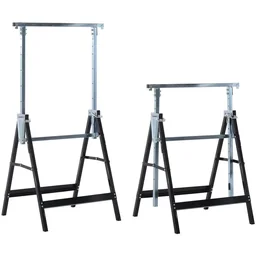
For drying smaller items outdoors or disposing of rubble, a stable, dry surface is essential.
Outdoor Drying Options
In dry weather, you can also dry uncontaminated materials such as textiles or furniture parts in the garden. A controlled, open fire pit such as
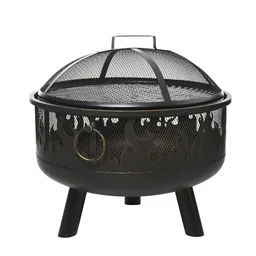
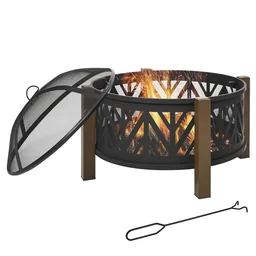
Remember to use protective sheeting. If you need to temporarily cover parts of the roof or facade, you can find suitable materials in the Greenhouse Film & Mesh Film section.
Water damage is a major burden. With a systematic approach, the right tools and patience, you can restore your home to a dry, healthy condition. Invest the time in thorough drying – it will save you high repair costs later and protect your health.
Frequently Asked Questions
- How long does it take to dry out water damage?
- Drying time depends on the extent of the damage and the material affected. A small patch of plasterboard dries in 1-2 days. Larger areas of insulation or screed often require 5-14 days with professional equipment. Continuous dehumidification is crucial until moisture meters show standard readings.
- When should I call a professional after water damage?
- Call a professional immediately if electrics are affected, the water is contaminated (e.g. sewage) or the damage covers more than 1-2 square metres. Professional drying is also essential if you suspect mould growth or moisture has penetrated cavities, in order to prevent consequential damage.
- Can I remove mould myself?
- You can remove small areas of surface mould (under 0,5 m²) from non-porous materials such as tiles using alcohol (70-80%). Wear a protective mask and gloves. Larger infestations, porous materials (plaster, wallpaper) or deep penetration must always be handled by specialist companies to eliminate health risks.
- Which insurance covers water damage?
- Buildings insurance covers damage to the structure caused by mains water (a burst hose or pipe). Contents insurance covers damaged furniture and household belongings. Damage caused by sewer backflow or flooding requires special natural hazards insurance. Document the damage thoroughly with photos for your claim.
- How can I prevent damp in my home long term?
- Air your home regularly using short periods of intensive ventilation, especially after showering or cooking. Regularly check potential weak points such as gutters, downpipes and basement seals. Leave sufficient space between furniture and exterior walls to allow air to circulate and prevent cold bridges.
You may also be interested in
- Water Damage in the Home: Causes, Detection and Drying
- Stop the Drips: Quick Help for Leaks
- Remove Mould from Your Home: Causes and Long-Term Solutions
- Repair Damp Walls: Causes, Instructions & Prevention
- Mould in the Bathroom & Basement: Effective Immediate Help & Prevention
- Water in the Fridge? Find the Causes and Fix the Problem Yourself