
In brief: A weed scraper effectively removes weeds from paving joints through mechanical action. With sharp blades or sturdy bristles, you lever plants out of the gaps together with their roots. Electric models get the job done faster. This method is kind to the environment and paving stones because it avoids harmful chemicals.
Dandelions, moss and grasses that stubbornly take root in the joints of patios, driveways and garden paths are a nuisance. They make well-maintained areas look untidy and can even loosen paving stones over time. Instead of reaching for harsh chemicals, mechanical weed control with a joint scraper offers an environmentally friendly and material-friendly solution. You tackle the problem at its root and achieve a clean result.
Choosing the right tool not only makes the work easier, but also much more effective. Whether manual for precise control or electric for larger areas, there is a wide range of specialised garden tools. Discover how to restore your outdoor areas to top condition with the right technique and suitable tools from Garden + Outdoor.
Why is mechanical weed removal from paving joints the best choice?
Choosing mechanical joint cleaning is a clear commitment to treating your property and the environment sustainably and gently. You avoid the disadvantages of chemical and aggressive methods while still achieving excellent results.
Environmental protection comes first
Herbicides contain active ingredients that do not distinguish between weeds and useful plants. If they enter the soil, they damage soil life, contaminate groundwater and endanger bees, butterflies and other important insects. Mechanical weed removal completely avoids such substances. Your children and pets can safely use the cleaned areas again immediately.
Protecting your paving stones
Acidic products such as vinegar and the use of a pressure washer can do more harm than good. They attack the surface of the stones, making them porous and more susceptible to new dirt and frost damage. A pressure washer also washes jointing material away, which affects the stability of the entire surface and gives weeds an even better foothold. Joint scrapers work precisely where they are needed: in the joint.
Every time you choose a mechanical tool instead of a herbicide, you actively help protect biodiversity and water quality. A healthy garden starts with healthy soil, free from unnecessary chemicals.
Long-term control
If you only cut weeds off at the surface or burn them away, they will soon return. The root remains in the soil and sprouts again. Good joint scrapers are designed to penetrate deep into the joint and lever out or cut through the plant and its root. Regular use weakens the remaining root fragments until they eventually die off.
Which tools are suitable for cleaning paving joints?
Choosing the right tool depends on the size of the area, the type of growth and your personal preference. There is a suitable tool for every requirement.
Manual joint scrapers and brushes
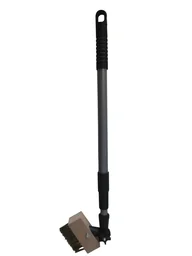
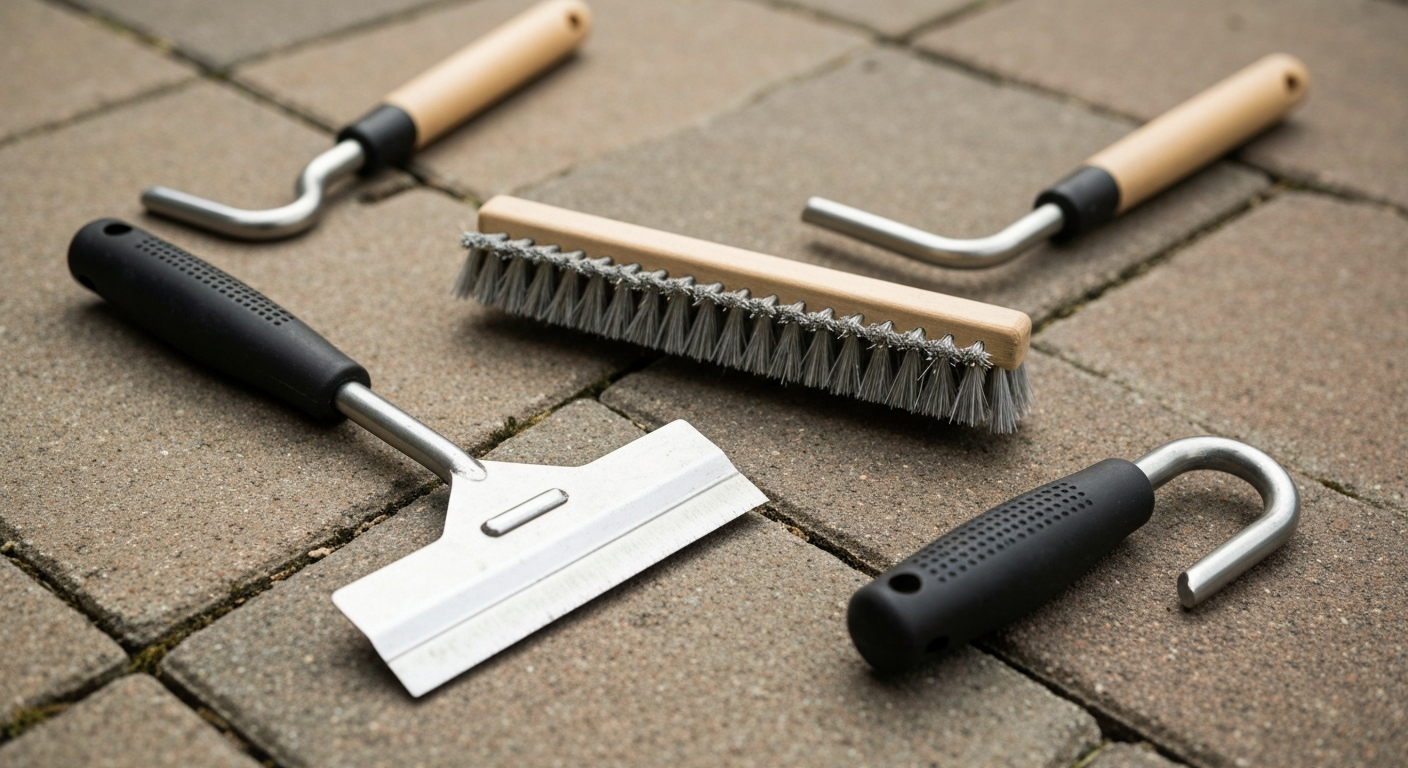
The classic option is a hand-held joint scraper. It usually has a sharp, L-shaped blade made of hardened steel that fits precisely into the joint. You use it to cut through roots and lever out the weeds. An alternative is a joint brush with stiff steel bristles. It is particularly effective against moss and smaller, widespread growth. For a back-friendly posture, choose a model with a long handle, such as the joint cleaning brush with telescopic handle. These tools give you maximum control and are ideal for awkward corners and smaller areas.
Expert tip
It is best to work when the soil is slightly damp but not wet, for example after a brief shower. The soil is then looser, making it easier to remove the roots more easily and completely.
Electric joint cleaners
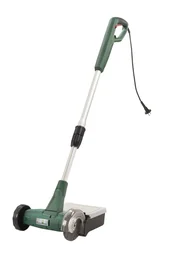
Electric joint cleaners make a huge difference on large driveways or long paths. These devices use a rapidly rotating brush made of steel wire or nylon to effortlessly fling weeds out of the joints. Simply guide the device along the joints and let the motor do the hard work. Models such as the 2in1 joint power cutter with collection box are particularly practical because they collect the dirt directly and minimise follow-up cleaning. These power tools save time and protect your back.
Thermal methods (flame weeders)
Flame weeders destroy the above-ground parts of plants with a brief, intense burst of heat. The cell walls burst and the plant dries out. This method is chemical-free, but it often fails to reach the roots, meaning the weeds grow back. Dry weather also increases the risk of fire, especially near hedges or wooden fences.
How do you properly remove weeds from paving joints? A step-by-step guide
A systematic approach delivers the best results and keeps your surface clean for longer.
- Preparation: Choose a dry day for the job. Have all the tools you need ready: a joint scraper or brush, a broom, a dustpan and brush, and sturdy gardening gloves to protect your hands.
- Remove the bulk: Guide the joint scraper through the joints with even pressure. With electric tools, simply guide the device slowly without applying much force. First remove all visible plant material and loosen the soil in the joint.
- Remove the roots: This is the most important step. Place the blade or hook of your manual tool deep into the joint and lever out the roots. The more root mass you remove, the longer you will be free from regrowth.
- Clean up: Carefully sweep together all the removed weeds, moss and loose soil. Do not leave any plant material behind, as it may produce seeds or take root again.
Additional advice
Do not dispose of weeds with seed heads in an open compost heap, as the seeds may continue to spread there. It is better to put this material in the organic waste bin or let it dry out in a sealed bag in the sun before composting it.
How can you prevent new weeds from growing in the joints?
Once the area is clean, prevention is the next step. A few measures can significantly reduce the amount of work required in the future.
Choosing the right jointing materials
Standard jointing sand is easily washed out and provides an ideal growing medium for seeds. Weed-inhibiting jointing sand is a better choice, as its high pH value makes germination more difficult. The best, but also most labour-intensive, solution is a solid jointing mortar. It permanently seals the joints while remaining permeable to water, making weed growth almost impossible.
Important note
Never use salt, vinegar or bleach to control weeds on sealed surfaces. These household remedies harm the environment, can discolour or damage your paving and their use on such surfaces is prohibited under the Plant Protection Act.
Sweep regularly
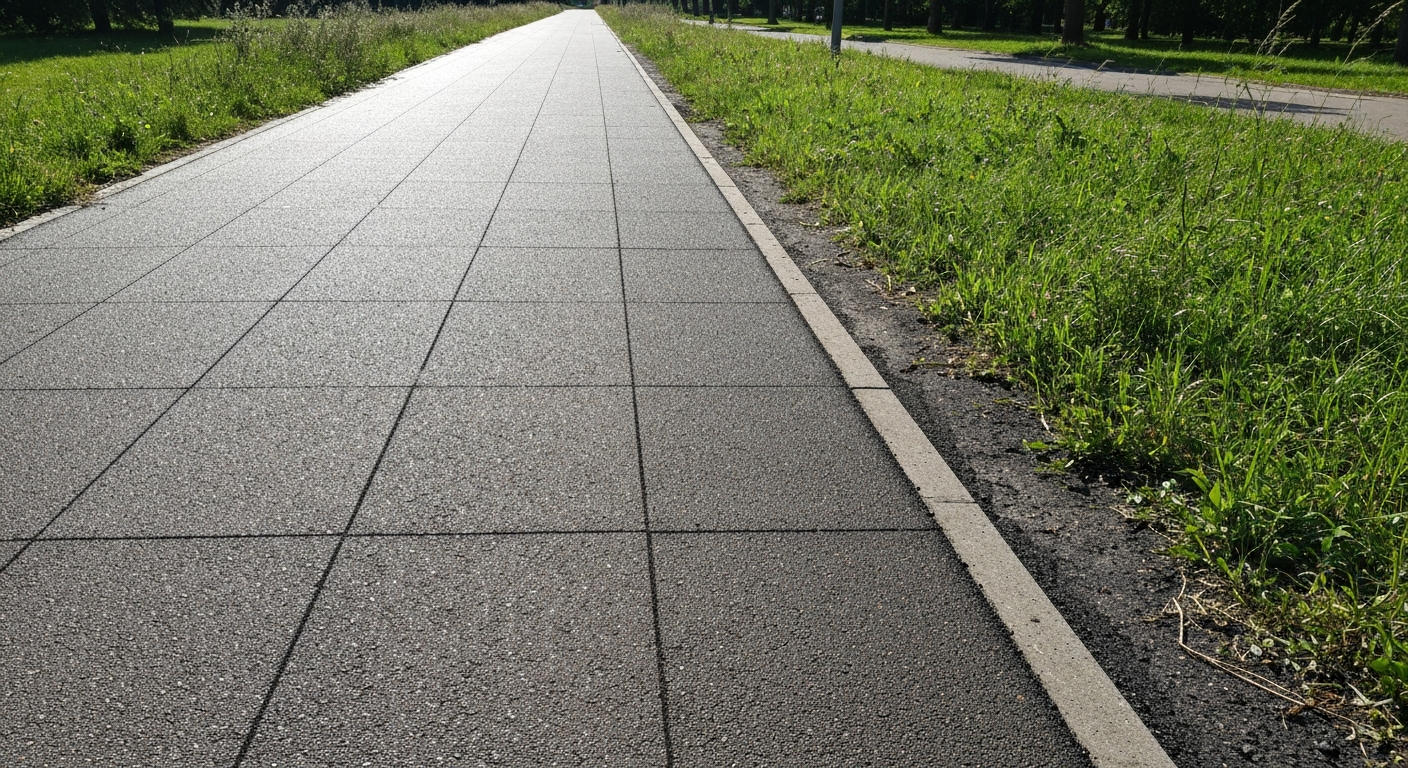
One of the simplest and most effective ways to prevent weeds is to sweep regularly with a stiff broom. This removes organic debris and seeds before they can settle into the joints and germinate. Sweep once a week and you will deprive weeds of the conditions they need to grow.
Using weed control fabric when laying a new surface
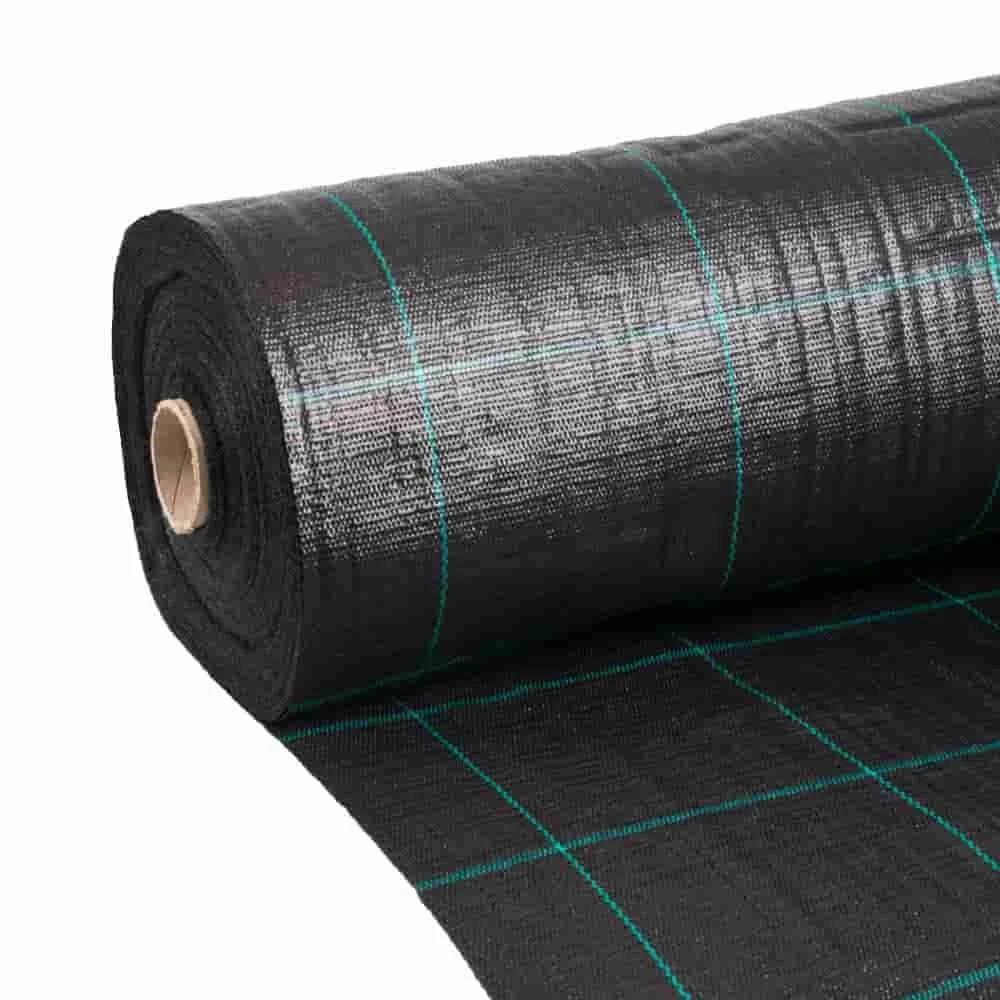
If you are creating a new patio or path, using weed control fabric is a very worthwhile investment. The fabric, such as weed control fabric, ground cover fabric, is laid beneath the paving bed. It allows water and air to pass through while blocking weed growth from below. This allows you to tackle the problem before it even starts.
The most common mistakes when cleaning paving joints and how to avoid them
Some well-intentioned approaches can make the problem worse. Make sure you avoid these common mistakes.
Mistake 1: Only removing the surface growth
Anyone who only pulls off or burns weeds is treating the symptom, not the cause. The root remains active and will soon grow back, often more vigorously than before. Take the time to remove the roots as thoroughly as possible.
Mistake 2: Using a pressure washer incorrectly
The powerful force of a pressure washer may seem tempting, but it often causes more harm than good. The water jet washes out the jointing sand, destabilising the paving stones. The empty, deep joints then provide a perfect invitation for new weeds. The powerful jet can also damage the surface structure of sensitive paving materials.
The use of plant protection products on paved outdoor areas such as driveways or footpaths is generally prohibited because the active ingredients are not broken down in the soil and may be washed into the sewer system and waterways by the next rainfall.
Mistake 3: Relying on illegal household remedies
As already mentioned, using salt and vinegar on paths and paved areas is not only harmful but also prohibited by law. Rely on the tried-and-tested mechanical method instead. It is legal, environmentally friendly and gentle on your paving.
A well-maintained outdoor area without unsightly weeds is easy to achieve with the right knowledge and the right tools. Mechanical joint cleaning is the most effective and sustainable way to keep your paths, patios and driveways clean. This protects not only the environment but also the value of your property. Browse the range of garden tools at Westfalia and find the perfect helper for your paving joints.
Frequently Asked Questions
- Which is better: a joint scraper or a joint brush?
- A joint scraper with a blade is ideal for cutting through and prising out deeply rooted weeds. A joint brush with stiff bristles is perfect for removing moss and surface weeds and then cleaning the joints. A combination of both tools is often the most effective approach.
- How often should I clean my paving joints?
- A thorough cleaning in spring and another in late summer are recommended. In between, touch up areas as needed. Regular sweeping prevents seeds and new dirt from settling and significantly reduces the overall effort required to remove weeds from paving joints.
- Is an electric joint cleaner worth the investment?
- For large areas such as long paths or a large driveway, an electric joint cleaner is definitely worthwhile. Compared with manual work, it saves a great deal of time and effort. For small patios or short paths, a manual joint scraper with a long handle is often sufficient.
- Can I use vinegar or salt to remove weeds from paving joints?
- No, using vinegar and salt as weed killers on sealed surfaces is prohibited in Germany. These substances can enter the groundwater and also damage the paving stones, joints and soil organisms. Instead, use mechanical or thermal methods.
- What is the best way to refill the joints after cleaning?
- After cleaning, it is best to refill the joints with special jointing sand or quartz sand. This stabilises the paving stones and makes it harder for weeds to grow. For a long-lasting, weed-free solution, you can also use solid, water-permeable jointing compounds, which make it almost impossible for seeds to germinate.
You may also be interested in
- Remove Moss & Stubborn Weeds from Paving Joints: The Guide
- Remove Weeds Effectively: Methods and Tools
- Weed Puller Review & Comparison 2026: The Best Models Tested
- Flame Weeding: The Thermal Revolution for Your Garden
- No More Grass in Your Flower Beds: Flexible Lawn Edging as a Weed Barrier
- How to Control Weeds Naturally in Your Lawn