
Kurz erklärt: Ein Weihnachtskaktus verliert Blätter meist durch falsches Gießen, Lichtmangel oder Temperaturschocks. Staunässe führt zu Wurzelfäule, während Ballentrockenheit die Blätter abwirft. Stellen Sie die Pflanze hell ohne direkte Mittagssonne. Gießen Sie erst, wenn die oberste Erdschicht abgetrocknet ist. Vermeiden Sie Zugluft und plötzliche Temperaturwechsel.
Weihnachtskaktus verliert Blätter? Ursachen & Hilfe
Der Weihnachtskaktus (Schlumbergera) ist eine robuste Zimmerpflanze. Wenn er jedoch seine Glieder abwirft, ist das ein deutliches Alarmsignal. Die Ursachen sind fast immer in der Pflege zu finden. Dieser Artikel zeigt Ihnen, wo der Fehler liegt und wie Sie Ihre Pflanze retten.
Wie erkenne ich die Ursache für den Blattverlust?
Beobachten Sie Ihre Pflanze genau. Der Zustand der abgeworfenen Glieder und der verbliebenen Blätter gibt Ihnen erste Hinweise. Sind die abgefallenen Teile matschig oder vertrocknet? Hängen die verbliebenen Glieder schlaff herunter oder sind sie fest? Die Antwort führt Sie zur richtigen Lösung.
Untersuchen Sie zudem den Wurzelbereich. Heben Sie die Pflanze vorsichtig aus dem Übertopf. Ist die Erde klatschnass und riecht muffig? Oder ist sie knochentrocken und vom Topfrand weggezogen? Diese einfache Prüfung klärt die häufigste Ursache.
Profi-Tipp
Führen Sie ein Pflegetagebuch. Notieren Sie ein paar Wochen lang das Gießdatum und kleine Veränderungen am Pflanzenzustand. So erkennen Sie Muster und können Pflegefehler systematisch abstellen.
Die Blätter sind weich und matschig
Weiche, durchscheinende Blattglieder deuten auf Staunässe und beginnende Wurzelfäule hin. Die Wurzeln ersticken im wassergesättigten Boden und können keine Nährstoffe mehr aufnehmen. Die Pflanze beginnt von unten her zu faulen.
Handeln Sie sofort. Nehmen Sie die Pflanze aus dem Topf. Schütteln Sie die nasse Erde ab und schneiden Sie alle faulen, dunklen und weichen Wurzeln mit einer sauberen Schere ab. Topfen Sie sie in frische, durchlässige Kaktienerde.
Die Blätter sind runzelig und schlaff
Runzlige, dünne und schlaffe Glieder sind das Zeichen für Trockenstress. Der Weihnachtskaktus speichert Wasser in seinen Blättern. Sind diese Reserven aufgebraucht, wirft er Teile ab, um zu überleben.
Hier hilft ein Tauchbad. Stellen Sie den gesamten Topfballen für etwa 30 Minuten in ein Gefäß mit zimmerwarmem Wasser, bis keine Luftblasen mehr aufsteigen. Lassen Sie ihn gründlich abtropfen. Die Blätter sollten sich innerhalb von 24 Stunden wieder festigen.
Warum ist der falsche Standort ein Problem?
Der Weihnachtskaktus braucht viel indirektes Licht. Direkte Mittagssonne hinter Glas verbrennt seine Blätter. Ein zu dunkler Standort, etwa im tiefen Rauminnern, schwächt die Pflanze. Sie wächst kaum und wird anfällig für Krankheiten.
Zugluft ist ein häufiger und unterschätzter Stressfaktor. Ein Platz neben einer häufig geöffneten Tür oder einem undichten Fenster führt zu Temperaturschocks. Die Pflanze reagiert mit Blattfall. Stellen Sie sie geschützt auf.
„Der Weihnachtskaktus ist kein Wüstenkaktus. In seiner brasilianischen Heimat wächst er epiphytisch in den Astgabeln von Bäumen. Er mag es hell, aber ohne pralle Sonne, und eine hohe Luftfeuchtigkeit.“
Der richtige Platz im Jahresverlauf
Im Sommer fühlt sich die Pflanze an einem halbschattigen Platz auf Balkon oder Terrasse wohl. Gewöhnen Sie sie aber langsam an die Freilandbedingungen. Ab September benötigt sie besondere Bedingungen für die Blütenbildung.
Dann braucht der Weihnachtskaktus etwa sechs Wochen lang kürzere Tage und kühlere Nachttemperaturen um 15°C. Stellen Sie ihn in einen wenig genutzten, kühleren Raum oder ans Schlafzimmerfenster. Vermeiden Sie dort aber Kunstlicht am Abend, es stört die Blühinduktion.
Wie gieße ich den Weihnachtskaktus richtig?
Gießfehler sind die Hauptursache für Probleme. Die goldene Regel lautet: Durchdringend wässern, dann abtrocknen lassen. Gießen Sie so viel, dass Wasser aus dem Abzugsloch läuft. Entfernen Sie überschüssiges Wasser nach 15 Minuten aus dem Untersetzer.
Warten Sie mit der nächsten Wassergabe, bis die oberste Schicht der Erde spürbar abgetrocknet ist. Stecken Sie Ihren Finger etwa zwei Zentimeter tief in die Erde. Fühlt sie sich noch kühl und feucht an, warten Sie noch ein bis zwei Tage.
Wichtiger Hinweis
Verwenden Sie niemals kaltes Leitungswasser direkt aus der Leitung. Die Temperaturschocks schädigen die Wurzeln. Füllen Sie die Gießkanne am Vortag und lassen Sie das Wasser auf Raumtemperatur kommen. So verdunstet auch ein Teil des Kalks.
Die Rolle der Luftfeuchtigkeit
Weihnachtskakteen schätzen eine höhere Luftfeuchtigkeit. In trockener Heizungsluft können die Blattspitzen vertrocknen. Besprühen Sie die Pflanze jedoch nicht direkt, da stehendes Wasser in den Blattachseln Fäulnis begünstigt.
Besser ist es, die Luftfeuchtigkeit indirekt zu erhöhen. Stellen Sie den Topf auf einen mit Kies und Wasser gefüllten Untersetzer. Das verdunstende Wasser befeuchtet die Luft um die Pflanze. Oder platzieren Sie sie in der Nähe anderer Zimmerpflanzen, die gemeinsam ein Mikroklima schaffen.
Welche Erde und welcher Dünger sind optimal?
Normale Blumenerde ist zu schwer und speichert zu viel Wasser. Verwenden Sie spezielle Kakteen- oder Blumenerde, die mit Perlite, Blähton oder Sand aufgelockert ist. Diese Mischung gewährleistet eine gute Drainage und verhindert Staunässe.
Ein mineralischer Zusatz wie Urgesteinsmehl kann die Bodenstruktur verbessern. Es liefert langsam freigesetzte Mineralien und Spurenelemente. Eine Handvoll unter die Erde gemischt, versorgt die Pflanze schonend. Unser

„Die Qualität der Erde ist entscheidend. Viele handelsübliche Substrate sind nach einem Jahr ausgelaugt und verdichtet. Ein Umtopfen alle zwei Jahre in frische, durchlässige Erde beugt vielen Problemen vor und gibt der Pflanze neue Kraft.“
Dos and Don'ts beim Düngen
Düngen Sie nur in der Wachstumsphase von April bis August. Verwenden Sie einen kalibetonten Kakteen- oder Blühpflanzendünger und halbieren Sie die auf der Packung angegebene Dosierung. Zu viel Dünger, besonders Stickstoff, führt zu weichem, mastigem Wachstum, das anfällig ist.
Düngen Sie niemals eine geschwächte Pflanze, die gerade Blätter verliert. Erst wenn sie sich erholt hat und neue Triebe bildet, können Sie die Nährstoffversorgung langsam wieder aufnehmen. Im Herbst und Winter stellen Sie das Düngen komplett ein.
Kann ich meinen Weihnachtskaktus noch retten?
Ja, in den meisten Fällen ist eine Rettung möglich. Gehen Sie systematisch vor. Beginnen Sie mit der Überprüfung von Wurzeln und Erde. Beseitigen Sie alle faulen Teile. Geben Sie der Pflanze einen optimalen, konstanten Standort ohne Zugluft.
Passen Sie Ihr Gießverhalten strikt an. Haben Sie Geduld. Es kann mehrere Wochen dauern, bis sich neue Wurzeln und Triebe bilden. Ziehen Sie in Erwägung, gleichzeitig gesunde Blattstecklinge zu bewurzeln, um auf Nummer sicher zu gehen.
Zusätzlicher Rat
Wenn der Haupttrieb stark geschädigt ist, schneiden Sie gesunde, mindestens dreigliedrige Stecklinge ab. Lassen Sie die Schnittstelle einen Tag antrocknen. Stecken Sie sie dann in Anzuchterde. Unter einer durchsichtigen Haube bei hoher Luftfeuchtigkeit bewurzeln sie zuverlässig.
Wann ist ein Umtopfen notwendig?
Umtopfen ist die erste Maßnahme bei Wurzelfäule. Aber auch eine gesunde Pflanze topfen Sie alle zwei bis drei Jahre um. Der neue Topf sollte nur wenig größer sein als der alte. Ein zu großer Topf hält zu viel Feuchtigkeit.
Der beste Zeitpunkt ist das Frühjahr nach der Blüte. Achten Sie auf eine gute Drainageschicht aus Blähton oder Tonscherben am Topfboden. Hochwertiges Pflanzenzubehör wie stabile Rankhilfen kann auch für andere Zimmerpflanzen nützlich sein, etwa für ein
Set.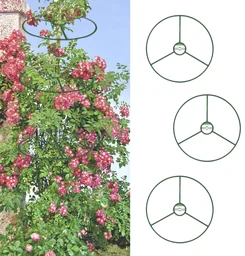
Wie beuge ich künftig Problemen vor?
Prävention ist einfacher als die Behandlung. Gewöhnen Sie sich einen wöchentlichen Check an. Fühlen Sie an der Erde, betrachten Sie die Blätter auf Farbveränderungen und prüfen Sie den Standort auf Zugluftquellen.
Halten Sie einen gleichmäßigen Pflegerhythmus ein. Weihnachtskakteen lieben Konstanz. Vermeiden Sie häufige Standortwechsel. Gießen Sie nach Bedarf, nicht nach Kalender. Eine Pflanze im kühlen Schlafzimmer braucht weniger Wasser als eine im warmen Wohnzimmer.
Die richtige Pflege in jeder Jahreszeit
Im Frühling und Sommer ist Wachstumszeit. Gießen und düngen Sie mäßig. Ein Platz im Freien tut der Pflanze gut. Im Herbst reduzieren Sie das Gießen und stellen das Düngen ein. Sorgen Sie für kürzere Tage und kühlere Nächte zur Blüteninduktion.
Während der Blüte im Winter gießen Sie etwas mehr, damit die Blüten nicht abgeworfen werden. Vermeiden Sie Drehungen des Topfes, sonst fallen die Knospen ab. Nach der Blüte gönnen Sie der Pflanze eine kurze Ruhephase mit weniger Wasser.
Mit diesem Wissen können Sie die häufigsten Probleme mit Zimmerpflanzen meistern. Ein Weihnachtskaktus ist eine langlebige Pflanze. Korrigieren Sie die Pflegefehler, und er wird Sie viele Jahre mit seiner winterlichen Blüte erfreuen.
Häufige Fragen
- Warum verliert mein Weihnachtskaktus plötzlich alle Blätter?
- Ein plötzlicher Blattverfall deutet auf akuten Stress hin. Häufige Auslöser sind ein Standortwechsel, Zugluft, ein Temperaturschock oder starke Ballentrockenheit. Überprüfen Sie sofort den Wurzelballen auf extreme Nässe oder Trockenheit und stellen Sie die Pflanze an einen geschützten, hellen Platz ohne Zugluft.
- Wie oft muss ich einen Weihnachtskaktus gießen?
- Gießen Sie Ihren Weihnachtskaktus nicht nach einem festen Rhythmus, sondern nach Bedarf. Der Topfballen sollte zwischen den Wassergaben leicht antrocknen, aber nie völlig austrocknen. Tauchen Sie den Topf oder gießen Sie durchdringend, bis Wasser aus dem Abzugsloch läuft. Entfernen Sie überschüssiges Wasser im Untersetzer nach 15 Minuten.
- Kann ein Weihnachtskaktus zu viel Sonne abbekommen?
- Ja. Obwohl er hell stehen muss, verträgt ein Weihnachtskaktus keine intensive Mittagssonne, besonders hinter Glas. Die Blätter verfärben sich dann rötlich oder bekommen bleiche, versengte Stellen. Ein idealer Platz ist ein Ost- oder Westfenster. Ein Nordfenster kann im Winter zu dunkel sein.
- Was tun, wenn die Blätter schlaff und runzelig sind?
- Schlaffe, runzelige Blätter sind ein klassisches Zeichen für Wassermangel. Der Wurzelballen ist ausgetrocknet. Tauchen Sie den Topf so lange in zimmerwarmes Wasser, bis keine Luftblasen mehr aufsteigen. Lassen Sie ihn gut abtropfen. Prüfen Sie künftig regelmäßig mit dem Finger die Feuchtigkeit der Erde.
- Braucht ein Weihnachtskaktus Dünger, wenn er Blätter verliert?
- Nein. Bei akutem Blattverfall ist Düngen falsch und belastet die geschwächte Pflanze zusätzlich. Beheben Sie zuerst die Grundprobleme wie Gießfehler oder falsches Licht. Erst wenn sich die Pflanze erholt hat und neu austreibt, können Sie alle vier Wochen schwach dosierten Kakteen- oder Blühpflanzendünger geben.
Das könnte Sie auch interessieren
- Kaktus wird weich: Ursachen und Erste Hilfe für Ihre Kakteen
- Bonsai verliert Blätter: Ursachen und Erste Hilfe
- Orchidee verliert Blüten: Ursachen & Sofortmaßnahmen
- Weihnachtsstern Pflege: Warum rollen sich die Blätter?
- Zitronenbaum verliert Blätter: Ursachen & schnelle Rettungsmaßnahmen
- Weihnachtsstern Pflege: So bleibt er lange schön