
Kurz erklärt: Eigene Weintrauben zu ernten ist einfacher als gedacht. Der Erfolg hängt von drei Faktoren ab: einem sonnigen, luftigen Standort, der richtigen Rebsorte für Ihren Garten und einem konsequenten Schnitt. Tafeltrauben benötigen weniger Platz als Weinreben für die Saft- oder Weinproduktion. Mit der richtigen Pflege in Bezug auf Wasser, Nährstoffe und Schutz vor Pilzkrankheiten können Sie schon nach zwei bis drei Jahren die erste Ernte genießen.
Eigene Weintrauben ernten – lohnt sich der Aufwand?
Der Gedanke, im eigenen Garten süße Trauben zu pflücken, wirkt oft luxuriös. Dabei ist der Obstanbau mit Weinreben gar nicht so kompliziert. Die Pflanzen sind robust und langlebig. Einmal etabliert, liefern sie über Jahre zuverlässige Erträge.
Der Schlüssel liegt in der richtigen Sorte und einem durchdachten Standort. Wir zeigen Ihnen, wie Sie erfolgreich starten. Die Grundlagen für Ihren kleinen Weinanbau finden Sie in unserem großen Sortiment für Garten und Outdoor.
Der Reiz der eigenen Ernte
Frische Tafeltrauben vom Stock schmecken intensiver als gekaufte Ware. Sie ernten im optimalen Reifezustand. Zudem bestimmen Sie selbst über den Einsatz von Pflanzenschutzmitteln.
Weinreben sind zudem dekorative Rankpflanzen. Sie begrünen Spaliere, Pergolen oder Hauswände und bieten Sichtschutz. Ihr Erfolg im Obstanbau beginnt mit einer Entscheidung.
Welche Traubensorte passt in meinen Garten?
Die Wahl der Sorte ist die wichtigste Entscheidung. Sie bestimmt Geschmack, Wuchskraft und Pflegeaufwand. Tafeltrauben für den Frischverzehr sind für Hobbygärtner die erste Wahl.
„Bei Tafeltrauben achten Sie auf Kernlosigkeit, Pilzresistenz und Aroma. Moderne Züchtungen wie 'Vanessa' oder 'Nero' vereinen viele dieser positiven Eigenschaften.“

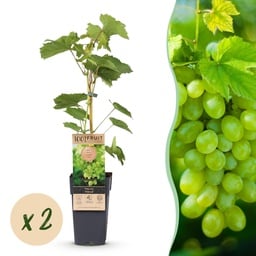
Weinreben oder Tafeltrauben?
Für die Most- oder Weinherstellung benötigen Sie spezielle Keltertrauben. Diese sind oft anfälliger und erfordern mehr Schnittaufwand. Tafeltrauben sind für den Naschgarten optimiert.
Profi-Tipp
Kaufen Sie stets veredelte Reben aus der Baumschule. Die Unterlage sorgt für robuste Wurzeln und schützt vor der Reblaus. Zwei Pflanzen sichern die Befruchtung und steigern den Ertrag.
Wie finde ich den perfekten Standort?
Weinreben sind Sonnenanbeter. Sie brauchen mindestens sechs Stunden volle Sonne täglich. Ein Platz vor einer nach Süden ausgerichteten Hauswand ist ideal.
Gute Belüftung ist ebenso kritisch wie Sonne. Sie beugt Pilzkrankheiten wie Mehltau vor. Pflanzen Sie die Rebe daher nicht in eine geschlossene Ecke. Die passende Gartenausstattung hilft bei der Gestaltung.
Der richtige Boden für kräftiges Wachstum
Der Boden sollte durchlässig und nährstoffreich sein. Schwere, staunasse Böden sind tödlich. Lockern Sie verdichtete Erde tiefgründig auf und mischen Sie Sand bei.
Eine Drainageschicht aus Kies am Pflanzlochgrund hilft bei schweren Böden. Für die optimale Nährstoffversorgung finden Sie im Bereich Pflanzendünger geeignete Produkte.
Wie pflanze ich eine Weinrebe richtig?
Die Pflanzung legt den Grundstein. Heben Sie ein großzügiges Loch aus, doppelt so breit und tief wie der Wurzelballen. Setzen Sie die Rebe so tief, wie sie im Container stand.
Wichtiger Hinweis
Die Veredelungsstelle muss immer deutlich über der Erde bleiben. Wenn Sie diese mit Erde bedecken, kann die Edelsorte eigene Wurzeln bilden und der Schutz vor der Reblaus geht verloren.
Füllen Sie das Loch mit einem Gemisch aus Aushub und Kompost. Treten Sie die Erde vorsichtig fest und bilden Sie einen Gießrand. Angießen ist jetzt essenziell. Eine gute Bewässerungshilfe ist ein Gartenschlauch aus unserem Sortiment.
Stützen und Rankhilfen sofort installieren
Die junge Rebe braucht sofort eine stabile Rankhilfe. Ein robustes Spalier aus Holz oder Metall gibt Halt. Befestigen Sie den Haupttrieb locker mit Kokosstrick.
bietet eine einfache und effektive Rankhilfe für den Start. Ohne Führung wächst die Rebe unkontrolliert. Planen Sie die Kletterkonstruktion vor der Pflanzung.
Was bedeutet der richtige Rebschnitt?
Der Schnitt ist die wichtigste Pflegemaßnahme. Er reguliert den Ertrag und erhält die Pflanze gesund. Ohne Schnitt vergreist die Rebe schnell und trägt nur noch kleine Trauben.
„Der Winterschnitt bei Weinreben folgt einer einfachen Regel: Schneiden Sie alles weg, was Sie im Vorjahr nicht behalten wollen. Übrig bleiben die Basistriebe mit den fruchtbaren Augen für das neue Jahr.“
Schneiden Sie im Spätwinter die einjährigen Triebe auf zwei bis drei Augen zurück. Das sind die verdickten Knospen am mehrjährigen Holz. Verwenden Sie scharfes, sauberes Werkzeug aus der Kategorie Gartenwerkzeuge.
Zusätzlicher Rat
Trauen Sie sich, kräftig zu schneiden. Eine stark zurückgeschnittene Rebe steckt ihre Energie in wenige, aber kräftige neue Triebe und große Trauben. Ein zu zaghafter Schnitt führt zu vielen, aber schwachen Trieben.
Der Sommerschnitt für gesunde Früchte
Im Juni oder Juli schneiden Sie überflüssige Wasserschosse weg. Das sind Triebe ohne Blütenansätze, die aus dem alten Holz schießen. Entfernen Sie auch einen Teil der Blätter rund um die Trauben.
Dies fördert die Abreifung und Belüftung. Achten Sie darauf, die Trauben nicht der prallen Mittagssonne auszusetzen. Verwenden Sie für diese Feinarbeit eine scharfe Gartenschere.
Wie gieße und dünge ich meine Weinrebe?
Junge Reben brauchen regelmäßig Wasser, bis sie tief verwurzelt sind. Danach kommt die Pflanze mit weniger aus. Gießen Sie durchdringend, aber selten.
Staunässe vermeiden Sie strikt. Eine Mulchschicht aus Rasenschnitt hält die Feuchtigkeit. Düngen Sie im Frühjahr mit einem ausgewogenen Volldünger oder Kompost.
Überdüngung, besonders mit Stickstoff, macht die Triebe weich und anfällig für Krankheiten. Produkt ist ein geeigneter organischer Dünger für Ihre Obstpflanzen.
Der richtige Zeitpunkt für Wasser und Nährstoffe
Die Hauptdüngung erfolgt einmal im April. Eine leichte Nachdüngung im Juni ist möglich. Stellen Sie die Düngung ab Juli ein, damit die Triebe vor dem Winter ausreifen.
Vor der Ernte reduzieren Sie das Gießen, um den Zuckergehalt der Trauben zu erhöhen. Zu viel Wasser kurz vor der Lese verwässert den Geschmack.
Wie schütze ich meine Ernte vor Krankheiten?
Echter und Falscher Mehltau sind die häufigsten Pilzkrankheiten. Vorbeugung ist der beste Schutz. Pflanzen Sie an einen luftigen Standort und schneiden Sie ausreichend aus.
Entfernen Sie befallene Pflanzenteile sofort. Im Fachhandel gibt es biologische Spritzmittel auf Schwefel- oder Tonerdbasis. Informationen zu umweltverträglichen Lösungen finden Sie unter Pflanzenschutz.
Schädlinge an Weinreben erkennen
Die Reblaus befällt nur die Wurzeln, nicht die veredelten Pflanzen. Blattläuse lassen sich mit einem scharfen Wasserstrahl entfernen. Vögel lieben reifende Trauben.
Netze schützen die Ernte effektiv. Spezielle Vogelschutznetze aus dem Bereich Planen und Netze sind hier die Lösung.
Wann und wie ernte ich meine Trauben?
Die Erntezeit beginnt je nach Sorte im September und zieht sich bis Oktober. Reife Trauben verfärben sich sortentypisch und die Stiele verholzen leicht.
Schmecken Sie eine Beere. Sie sollte süß sein und keine harte Säure mehr haben. Schneiden Sie die ganzen Trauben mit einer Schere ab, um die natürliche Schutzhaut nicht zu beschädigen.
Profi-Tipp
Ernten Sie an einem trockenen, sonnigen Vormittag. Die Trauben sind dann am aromatischsten. Lagern Sie frische Tafeltrauben ungewaschen im kühlen Keller oder im Gemüsefach des Kühlschranks. So halten sie mehrere Wochen.
Lagerung und Verwendung Ihrer Ernte
Frische Trauben sind am besten. Sie lassen sich aber auch einfrieren oder zu Saft, Gelee oder Rosinen verarbeiten. Für letzteres benötigen Sie kernlose Sorten und viel Geduld.
Eine reiche Ernte ist der Lohn für Ihre Arbeit. Mit jedem Jahr werden Sie sicherer in der Pflege und die Erträge steigen.
Wie überwintere ich meine Weinrebe?
Winterharte Reben im Boden benötigen in unseren Breiten kaum Schutz. Eine Laub- oder Reisigschicht im Wurzelbereich schadet nicht. Kübelpflanzen stellen Sie an eine geschützte Hauswand.
Wickeln Sie den Topf mit Noppenfolie oder einem Gartenvlies ein. Der Winterschnitt erfolgt erst im Spätwinter, wie bereits beschrieben.
Mit diesen Schritten steht einer erfolgreichen Traubenernte nichts im Weg. Beginnen Sie jetzt mit der Planung für die nächste Pflanzsaison.
Häufige Fragen
- Welche Weintrauben-Sorte eignet sich für Anfänger?
- Für Anfänger sind pilzwiderstandsfähige und kernlose Tafeltrauben ideal. Sorten wie 'Vanessa' (blau) oder 'Himrod' (weiß, kernlos) sind robust, ertragreich und schmecken direkt vom Stock. Sie verzeihen auch kleinere Pflegefehler. Wichtig ist, eine veredelte Pflanze aus der Baumschule zu wählen, die an unser Klima angepasst ist.
- Wann ist der beste Zeitpunkt zum Pflanzen von Weinreben?
- Der optimale Zeitpunkt ist das Frühjahr, nach den letzten Spätfrösten, etwa von Mitte April bis Ende Mai. Containerware können Sie bis in den frühen Herbst pflanzen. Das Frühjahr gibt der Rebe eine lange Vegetationsperiode zum Anwachsen. Pflanzen Sie an einem bedeckten, nicht zu heißen Tag und gießen Sie anschließend gründlich an.
- Wie oft muss ich meine Weinrebe schneiden?
- Weinreben schneiden Sie zweimal im Jahr. Der Hauptschnitt erfolgt im Spätwinter (Februar/März), wenn kein strenger Frost herrscht. Dabei kürzen Sie die einjährigen Triebe auf 2-3 Augen ein. Im Sommer schneiden Sie überflüssige Wasserschosse und überzählige Triebe zurück, damit die Energie in die Früchte fließt.
- Warum fallen meine jungen Trauben ab oder platzen auf?
- Abgefallene Früchte sind oft ein Zeichen für Trockenstress oder Nährstoffmangel während der Blüte. Platzen kurz vor der Ernte deutet auf unregelmäßige Wasserversorgung hin – auf Trockenheit folgt starker Regen oder viel Gießen. Eine gleichmäßige Bodenfeuchte und ein sonniger, luftiger Standort zur schnellen Abtrocknung nach Regen beugen vor.
- Kann ich Weintrauben auch im Kübel auf dem Balkon ziehen?
- Ja, das ist möglich. Wählen Sie einen großen Kübel (mindestens 30 Liter), eine schwachwüchsige Unterlage und eine Spalier- oder Säulenform. Kübelpflanzen brauchen regelmäßiger Wasser und Dünger. Schützen Sie den Topf im Winter vor starkem Frost. Sorten wie 'Vanessa' eignen sich gut für die Kultur im Gefäß.
Das könnte Sie auch interessieren
- Kürbis pflanzen, pflegen & ernten: Der große Ratgeber
- Kartoffeln pflanzen und ernten: Der Weg zum Erfolg
- Kirschbaum pflanzen & pflegen: Süße Ernte im eigenen Garten
- Weintrauben schützen: Effektive Methoden gegen Wespenbefall
- Hochbeet selber bauen – Schritt für Schritt zur eigenen Ernte
- Flieder pflanzen und pflegen