
In brief: Fall is a good time to prune trees after the leaves have dropped and sap flow has slowed, typically from October onward. Prune to remove diseased or dead branches, thin the canopy or correct unwanted growth. Sharp tools and clean cuts close to the branch collar help prevent infection. Some tree species, such as birch and maple, should not be pruned in fall.
Pruning Trees in Fall: When to Do It and How
Fall is a traditional time for tree care. Once the leaves have dropped, you can see the structure of your trees clearly. Careful pruning can improve their health and shape.
However, not every tree responds well to fall pruning. Here’s how to choose the right time and technique, and which mistakes to avoid.
Why prune trees in fall?
Pruning isn’t simply about shortening branches. Every cut should have a purpose. In fall, the focus is often on correcting problems and maintaining the tree.
Remove dead, diseased or potentially hazardous branches. They can become dangerous under the weight of snow in winter. Thin dense canopies so more light and air can reach the interior. This helps prevent fungal infections.
For fruit trees, regulate growth after the harvest. Thinning the canopy in fall can improve fruit production the following year.
Pro tip
In summer, mark noticeable problem areas, such as broken branches or vigorous water sprouts, with colored tape. You’ll be able to spot them right away in the fall canopy.
The Best Time to Prune: When Should You Do It?
The right time is when the tree enters its dormant period. This is after leaf fall, usually from October onward. Sap pressure is at its lowest then.
Don’t wait until late fall or winter. Cut surfaces need time to dry before the first hard frost. Choose a dry spell when temperatures are above freezing.
Never prune in the rain or when conditions are wet. Moisture encourages fungal spores to enter fresh cut surfaces.
Prune the tree while it is dormant, after leaf fall and before severe winter frost. This gives it a chance to mount a defensive response.
Which trees can you prune in fall?
Hardy deciduous and fruit trees are good candidates, including apple, pear and plum trees. Ornamental trees such as ornamental cherry and crabapple also tolerate fall pruning well.
For deciduous trees such as oak, beech and lime, you can remove obstructing or dangerous branches now. The focus is on public safety and canopy maintenance.
Important note
Don’t prune tree species that bleed heavily in fall. These include birch, maple, walnut and horse chestnut. Their sap pressure remains high even in fall. Pruning can weaken them and cause excessive sap loss. Wait until late winter to prune these trees.
Prepare Properly: Tools and Safety
Sharp tools are essential. Dull blades crush the wood and leave ragged wounds. These heal poorly and provide entry points for disease.
Choose your tools based on branch thickness: sharp pruning shears for thin twigs, loppers for branches up to 4-5 cm, and a folding saw or tree saw for thicker branches.
Disinfect the blades before and between cuts, especially when removing diseased branches. Use rubbing alcohol or a specialized disinfectant.
Remember to protect yourself. Wear sturdy gloves and safety glasses, and a helmet when working above head height. For large trees, hire a professional who has climbing irons and ropes.
For nearby garden beds or ponds, a protective net such as the
is practical. It catches falling prunings and leaves.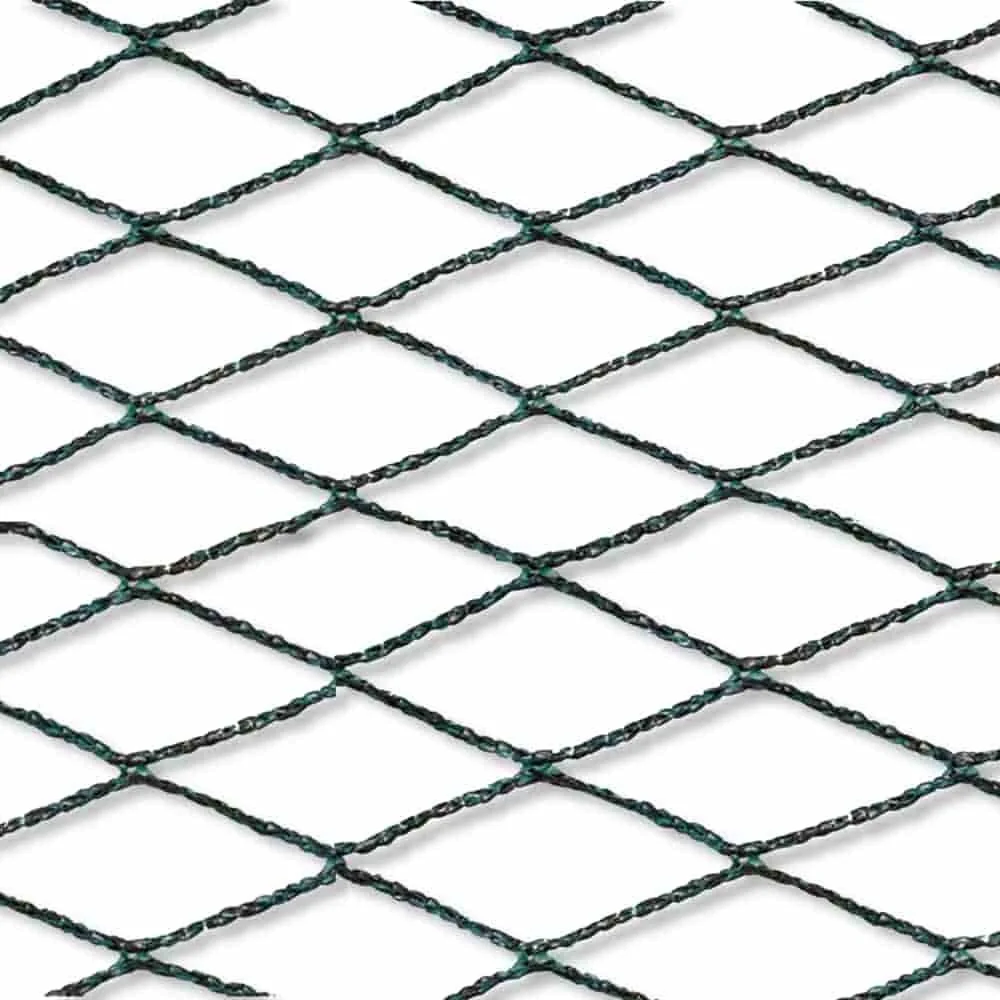
Making the Cut: How to Prune Correctly
Every cut creates a wound. Make each one deliberately and cleanly. Always cut back to an outward-facing side branch or the branch collar.
The branch collar is the swollen area where a branch joins the trunk or a larger scaffold branch. Don’t cut into this swelling, but don’t leave a stub either. A small, smooth collar should remain.
To prevent heavy branches from tearing, use a three-step cut. First, make an undercut from below. Then make the main cut from above, a few centimetres farther out. Finally, remove the remaining stub cleanly at the branch collar.
A clean cut is half the battle. The tree’s wound response takes place in the branch collar. If it remains intact, protective callus tissue forms quickly. A stub, on the other hand, always rots from the inside out.
How to Prune Trees: Step-by-Step Instructions
Step 1: Remove deadwood and diseased branches
Start by assessing the tree. Remove anything that is clearly dead, as well as branches with cankers, cracks or fungal growth. Cut back into healthy wood.
This removes unnecessary weight and reduces the risk of infection spreading to healthy parts of the tree.
Step 2: Remove competing shoots and water sprouts
Look for steeply upward-growing shoots that compete with the tree’s leader. Also remove water sprouts, the upright, fast-growing shoots that drain the tree’s energy.
Cut them off right at the base.
Additional advice
Don’t put diseased prunings in the compost. Burn them or dispose of them through your local yard waste collection program. You can shred healthy, small prunings and use them as mulch.
Step 3: Thin out the canopy
Are the branches too dense? Remove branches that grow inward, cross each other or rub together. The goal is an open, stable canopy.
Where branches fork, keep the stronger, better-positioned branch and remove the weaker one.
Step 4: Correct the shape
Now focus on the tree’s shape and structure. Cut overly long branches that stick out back to an outward-facing side shoot.
Aim for a balanced appearance. Step back regularly to assess the overall shape.
For watering after this stressful process or for other garden projects, find suitable accessories in the Plumbing & Irrigation category.
What to Do After Pruning
Leave the wounds alone. Modern tree care generally avoids wound sealants. The tree forms its own callus tissue.
If the tree species is susceptible, you can apply a thin coat of environmentally friendly, breathable wound sealant to large cut surfaces. Ask a professional for advice.
Give your tree extra care after heavy pruning. Balanced fall fertilization can help build resilience. Find suitable products in our fertilizers selection.
Water the tree thoroughly during dry weather before winter arrives. A well-watered tree withstands periods of frost better.
Common Fall Pruning Mistakes and How to Avoid Them
Over-pruning
Too much is never a good thing. Do not remove more than one fifth to a maximum of one third of the living crown at once. Radical pruning places extreme stress on the tree and leads to massive, uncontrolled regrowth.
Leaving stubs
Remaining branch stubs can no longer be supplied by the tree. They die, rot and become entry points for decay. Always cut back to the branch collar or to a lateral branch.
Pruning at the wrong time
As mentioned, avoid pruning trees that bleed sap in fall. If a hard frost has set in or the weather is wet and cold, leave your pruning shears in the shed.
For other garden tools and accessories, browse our category.
Products for your tree-care project
The right equipment makes the job safer and more precise. Here are some useful products for your fall gardening.
Protect your pond or sensitive areas beneath the tree canopy. The tear-resistant net catches leaves and pruning debris.
When your work produces wood chips or dust, the
helps protect the area. This sturdy tarp is suitable for covering garden beds, paths, or outdoor furniture.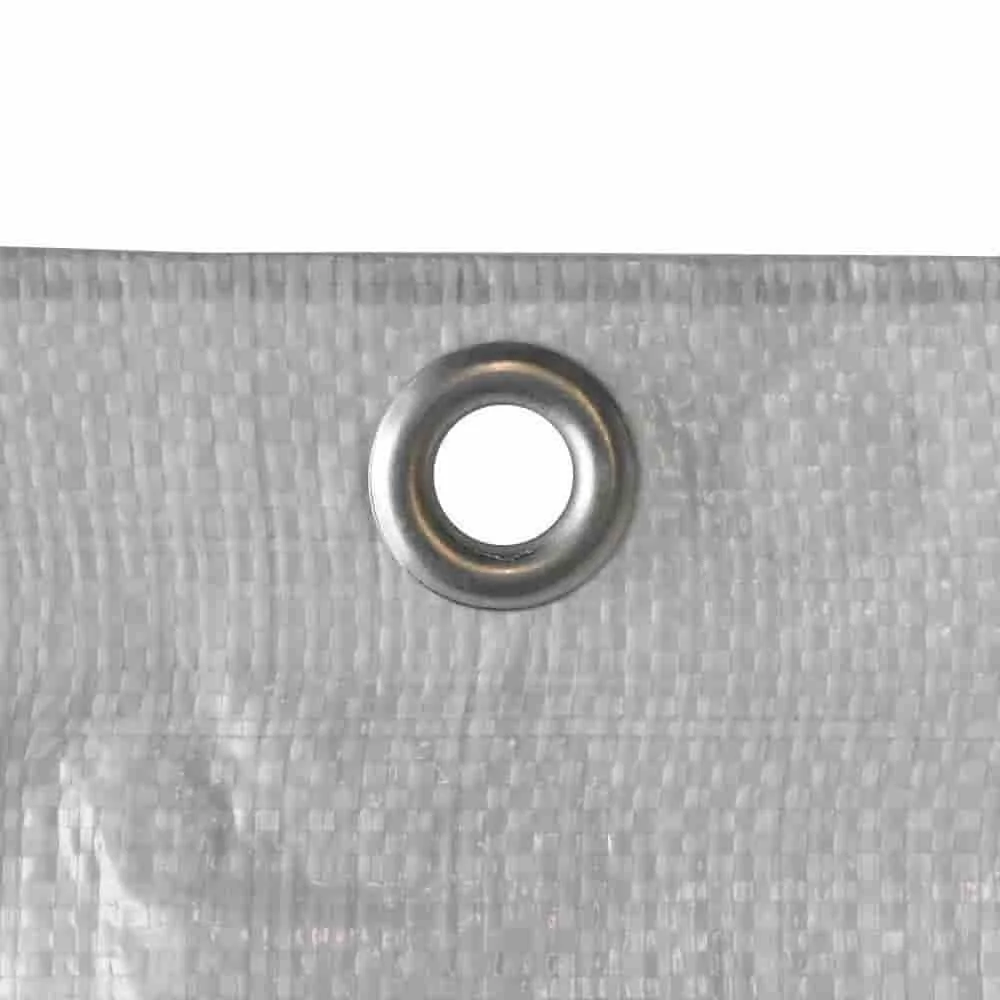
A high-quality hose is essential for watering trees and shrubs before winter. The
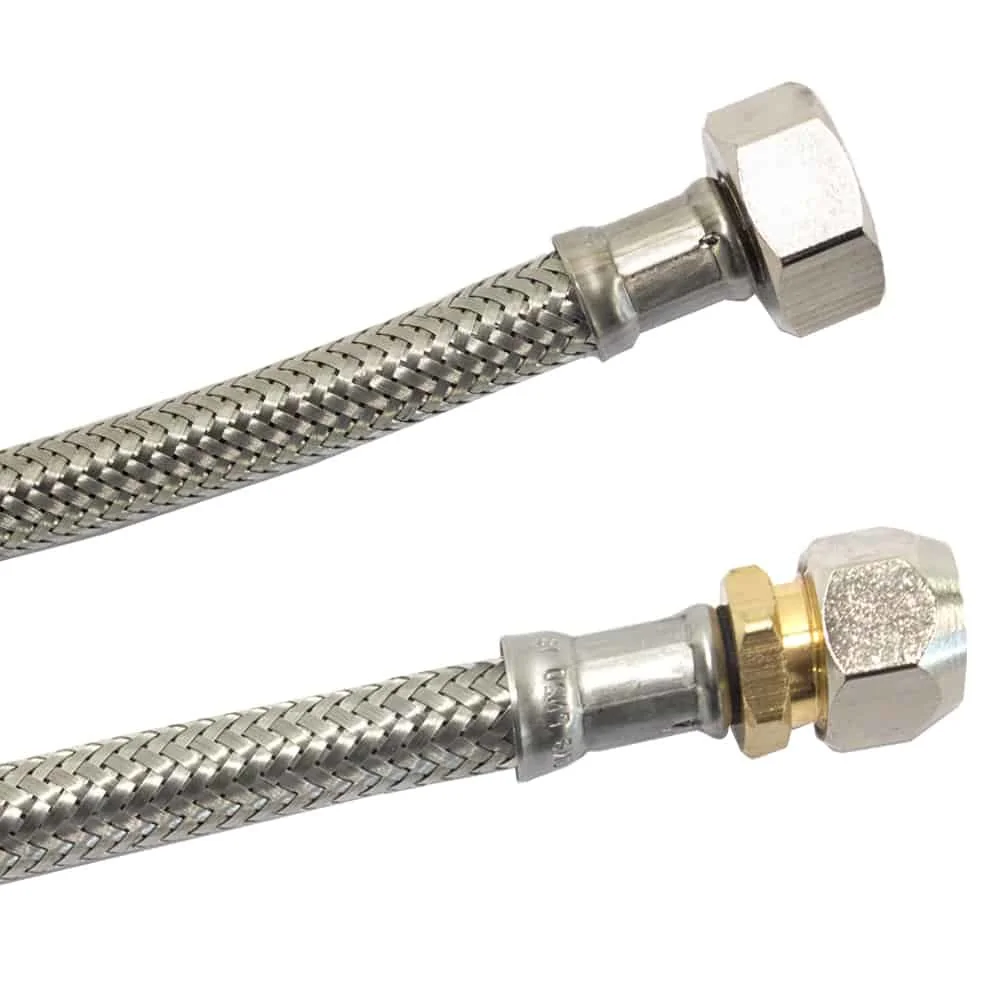
Don't forget the wildlife in your garden. The
provides a welcome food source for birds in your fall and winter garden.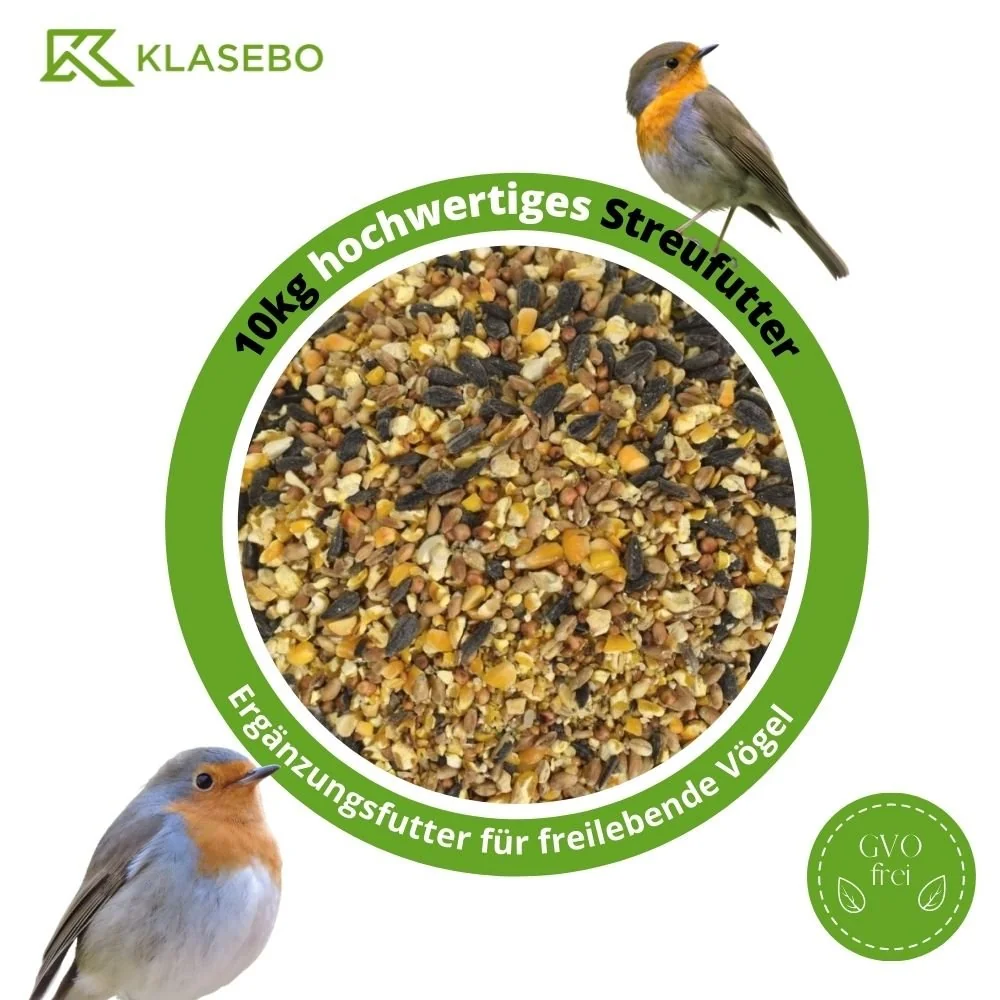
Discover more useful products for the gardening and outdoor season in our extensive selection.
Conclusion: Prune with care
Fall pruning is an important part of tree care. With good timing, sharp tools, and a well-planned pruning strategy, you can support the health, safety, and beauty of your trees.
Prune carefully: every cut has a lasting effect. If you're unsure, ask a professional for advice. A well-maintained tree will reward you with a full canopy and a bountiful harvest.
Find more inspiration and products for your gardening projects in our shop.
Frequently asked questions
- Which trees can I prune in fall?
- In fall, prune hardy fruit trees such as apples, pears, or plums after the harvest. Deciduous trees such as oak and beech also tolerate pruning well. Avoid pruning trees that bleed heavily, such as birch, maple, walnut, or chestnut, in fall because their wounds heal poorly at this time of year.
- Why is fall a good time to prune trees?
- In fall, sap flow slows, which supports wound healing and puts less stress on the tree. With the leaves gone, you can see the branch structure clearly. Fungi and pests are also less active, which lowers the risk of infection at cut surfaces.
- How should I prune a young tree in fall?
- Pruning a young tree helps establish the basic structure of its canopy. Remove competing leaders and branches that grow too steeply. Shorten the central leader slightly to encourage branching. The focus is on shaping the tree, not increasing yield.
- Can I prune a tree when it's freezing?
- No. Never prune at temperatures below -5°C. The wood is brittle, cut wounds can split easily, and they won't heal. Wait for a dry, frost-free day. Never work in wet conditions or strong winds.
- Should I apply wound sealant after pruning?
- Modern recommendations generally advise against it. Trees seal wounds themselves by forming callus tissue. Wound sealant can trap moisture and encourage rot. For large cut surfaces (>5cm) on susceptible species, a thin, breathable coating may be considered.
You may also be interested in
- How to prune trees correctly: Promote healthy trees with the right cuts
- When to prune tree branches: A seasonal guide
- Using a chainsaw in fall: A guide to firewood and tree care
- Pruning walnut trees: Timing and techniques for a bountiful harvest
- How to prune hedges: When is the best time?
- 5 common mistakes when pruning trees with loppers