
In brief: You can treat diseases and pests on ornamental plants through accurate diagnosis and targeted measures. For fungal diseases such as powdery mildew, remove affected plant parts and use fungicides. Regular checks, beneficial insects or insecticides can help against sap-sucking pests such as aphids. Prevention through optimal growing conditions and robust varieties is the best defence.
How do I treat diseases and pests on ornamental plants?
Healthy ornamental plants are the pride of every gardener. However, aphids, fungi and other pests can quickly spoil this pleasure. Effective control does not start with harsh chemicals, but with careful observation.
First identify the cause. Examine leaves, shoots and flowers closely. Only the correct diagnosis leads to success. Many problems can already be solved with mechanical methods, or the plants can be strengthened from the ground up.
In our Garden + Outdoor range, you will find tools for plant care and products for targeted treatment.
The most common pests in ornamental gardens
Aphids are the best-known pests. They suck plant sap and weaken shoots. Sooty mould often develops on their sticky secretions. Spider mites attack many plants in dry, warm conditions. You can identify them by their fine webs.
Whiteflies flutter up when disturbed. Their larvae damage the leaves. Vine weevils notch the edges of leaves. Their larvae destroy roots in the soil. Slugs can destroy entire young plants overnight.
Expert tip
Check your plants regularly from below. Many pests, such as aphids and spider mites, first colonise the undersides of leaves. Spotting them early makes control much easier.
Which fungal diseases threaten my ornamental plants?
Fungal diseases spread rapidly in warm, humid weather. Powdery mildew forms a floury coating on leaves and buds. It affects roses, phlox and asters. Downy mildew causes yellowish spots on the upper surface and a grey mould coating underneath.
Black spot on roses appears as black, star-shaped spots. The leaves turn yellow and fall off. Rust fungi can be identified by their orange-brown pustules. Grey mould covers flowers and soft shoots with a mouse-grey fuzz.
Specialist fungicides are suitable for treating fungal diseases. The
provides a targeted solution against a wide range of fungal infections on roses and other ornamental plants.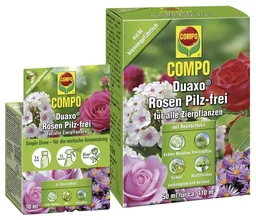
Prevention is the best plant protection
You can prevent fungal diseases by keeping the leaves dry. Water in the morning and directly at the roots. Ensure the soil is loose and well drained. Avoid over-fertilising with nitrogen-rich fertiliser.
Do not plant susceptible varieties too closely together. A well-ventilated position reduces humidity around the foliage. Remove diseased fallen leaves thoroughly in autumn. They provide fungi with a place to overwinter.
“A plant’s health is decided in the soil. Living, humus-rich soil with active soil life is the best foundation for resilient plants.”
How do I control aphids effectively?
Control aphids in several stages. For a light infestation, a strong jet of water is often enough. Spray the colonies off the shoots. Beneficial insects such as ladybirds and lacewing larvae naturally reduce the population.
For a heavier infestation, use plant-strengthening products such as nettle fertiliser. It hardens the leaf surface. If the problem persists, choose a targeted insecticide. Take care to protect bees and other beneficial insects.
The
offers biological control based on natural fatty acids. It suffocates the aphids without leaving chemical residues.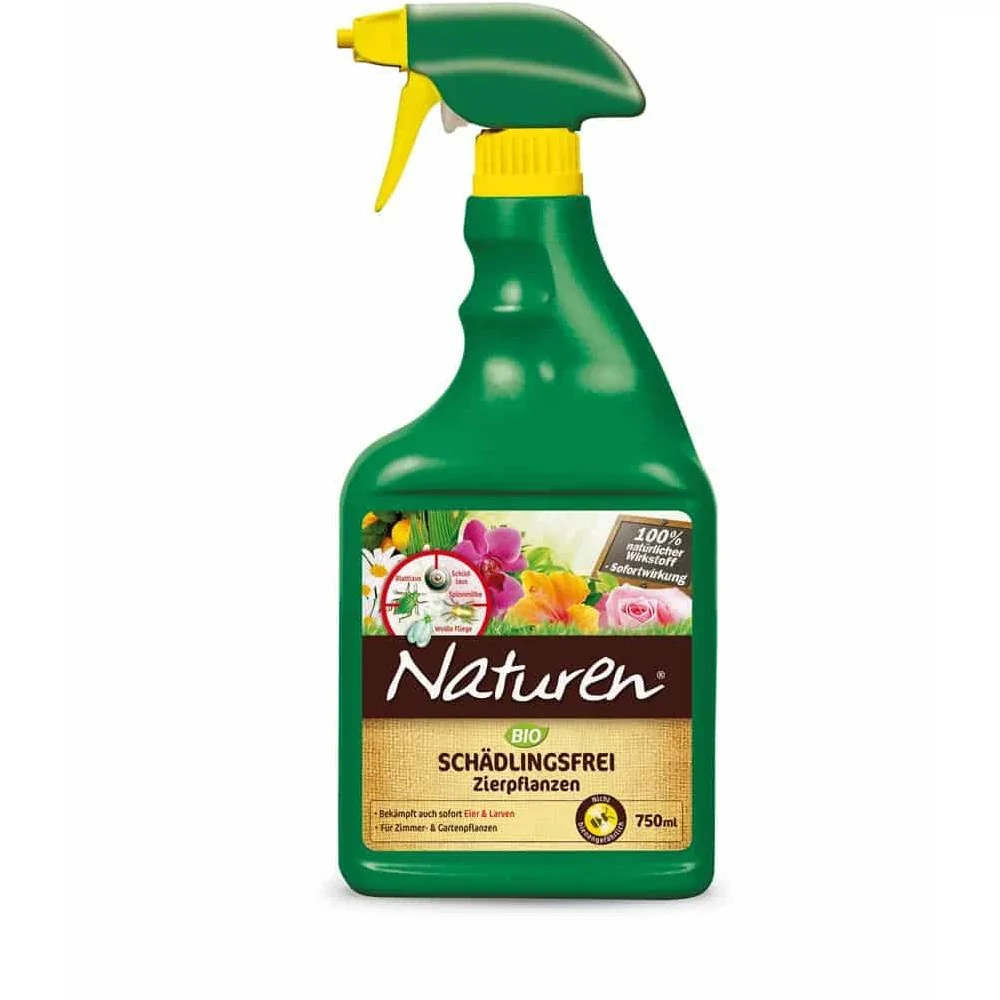
Important note
Always read the label carefully before using plant protection products. Observe the stated waiting period before harvesting or cutting ornamental flowers. Protect yourself with gloves. Never treat plants in strong wind or direct sunlight.
Home remedies for sap-sucking pests
Many home remedies work in the early stages of an infestation. Spray the aphids with a mixture of 1 litre of water, 15 ml of soft soap and a splash of methylated spirit. The soap blocks their breathing openings. Repeat the treatment after a few days.
A decoction made from horsetail strengthens the plants’ cell walls. It helps prevent fungi and sap-sucking insects. Neem oil is an effective natural product against various pests. It disrupts their hormone balance.
For professional control, the
combines two active ingredients against sap-sucking and chewing pests. It is suitable for ornamental plants and roses.
Why do pests always attack the same plants?
Pests specifically target weakened plants. These emit different scent signals than healthy specimens. Site-related problems are often the cause. Too much shade, waterlogging or compacted soil stress the plant.
Too much nitrogen fertiliser leads to soft, vulnerable tissue. Monocultures make it easier for pests to spread. Plant mixed beds instead. Robust varieties suited to their location have natural defences.
In the Fertiliser category, you will find balanced nutrients for strong plants.
“A balanced garden needs pests too. They provide food for beneficial organisms. The aim is not to eradicate them completely, but to keep them at a tolerable level.”
Make your garden attractive to beneficial insects
Encourage natural predators. Plant native perennials and herbs such as dill, borage and cornflowers. They provide nectar and pollen for beneficial insects. Leave deadwood and fallen leaves in a corner of the garden.
An insect hotel provides nesting sites. A small pond attracts dragonflies and frogs. Avoid broad-spectrum insecticides. They also harm beneficial insects. Earwig shelters in fruit trees help control aphids.
Additional advice
Keep a garden journal. Note which plants were affected by which pest or disease and when. These records help you identify patterns and take targeted preventive measures the following year or choose more resistant varieties.
Mechanical pest control methods
Hand-picking is the simplest method. Remove affected leaves or shoots as soon as an infestation begins. Collect slugs with a torch late in the evening. Place boards as traps.
Yellow sticky cards or traps catch flying pests such as whiteflies and fungus gnats. They can also be used to monitor infestations. Glue bands around tree trunks prevent winter moth females from climbing into the crowns to lay their eggs.
Special nematodes help control root pests such as grubs. Water them in using a watering can. These microscopic worms enter the pests and kill them. This method is completely environmentally friendly.
Using plant protection products correctly
Choose a product that is suitable for the pest or pathogen. Fungicides do not work against insects. Check that the product is approved for ornamental plants in the home and allotment garden. Follow the dosage instructions on the packaging precisely.
Too low a dosage is ineffective. Too high a dosage harms the plant and the environment. Spray in still, overcast weather. Wet all parts of the plant, especially the undersides of the leaves. Repeat the treatment if necessary at the recommended interval.
For systemic action against fungi over a longer period, the product in the 10 ml syringe is a practical solution for home use.
You will find all the equipment needed for application in our Garden Tools category.
Resistant varieties as a long-term solution
Take advantage of advances in plant breeding. Many new rose varieties are now resistant to black spot and powdery mildew. Look for ADR awards when buying roses. They indicate particularly strong resistance.
There are powdery mildew-tolerant varieties of phlox and asters among perennials. Find out about a plant’s susceptibility when buying it. Robustness is often more important than maximum flower size. Mix resistant varieties with more susceptible ones.
This helps slow the spread of disease. A diverse garden is a resilient garden. Nature has no monocultures. Apply this principle to your ornamental garden.
The role of soil care
Healthy soil is the foundation. Loosen compacted areas. Improve sandy soils with compost. Mix heavy clay soils with sand. A mulch layer made from bark compost or chopped straw retains moisture.
It suppresses weeds and protects soil life. Earthworms work the mulch into the soil. They create valuable humus. Avoid deep digging. It destroys the soil structure.
Use a digging fork instead. It aerates the soil without mixing the layers. Living soil provides your ornamental plants with the optimum nutrients and makes them less susceptible to stress and disease.
For professional soil cultivation, visit the Power Tools category.
Frequently asked questions
- What works immediately against aphids on roses?
- For an acute infestation, wash the aphids off with a strong jet of water. Then treat the plant with an approved insecticide such as PRODUCT_25666 or use lacewing larvae as beneficial insects. Isolate heavily infested plants to prevent the pests from spreading.
- How can I identify fungal diseases on ornamental plants?
- Powdery mildew appears as a mealy, white-grey coating on the upper and lower leaf surfaces. Downy mildew causes grey to purple spots on the upper leaf surface and a furry coating underneath. Rust fungi appear as orange-brown pustules. Black spot on roses causes black, star-shaped spots.
- Can I also control pests biologically?
- Yes. Use ladybirds, lacewing larvae or parasitic wasps against aphids. Runner ducks or hedgehogs can help control slugs. Nematodes control fungus gnat larvae in the soil. Products based on rapeseed oil or soft soap, such as PRODUCT_25666, suffocate pests through physical action.
- Why do my plants keep getting sick?
- Common causes include a weakened immune system due to an unsuitable location, over-fertilisation with nitrogen or waterlogging. Monocultures also encourage the spread of disease. Check the soil, light and water supply. Choose resistant varieties and practise crop rotation in perennial beds.
- How can I prevent pest infestations in the garden?
- Strengthen your plants by choosing suitable locations and using balanced fertiliser. Attract beneficial insects with native flowering plants. Check new plants for pests before planting them. Water in the morning and only around the roots to help prevent fungal diseases. A layer of mulch regulates the soil climate.
You may also be interested in
- Identify and effectively control houseplant pests
- Natural pest control in the garden
- Identify and successfully treat plant diseases
- Care for ornamental plants and choose the right location
- How do I care for houseplants properly? Top tips for healthy greenery
- Identify and effectively control rose diseases